Roofing material development demands rigorous evaluation methods that predict decades of performance within compressed timeframes. An accelerated aging chamber delivers this critical capability by replicating the cumulative environmental stresses - ultraviolet radiation, thermal cycling, moisture exposure, and atmospheric pollutants - that degrade roofing systems throughout their service life. These sophisticated testing platforms enable manufacturers to validate material formulations, assess protective coatings, and optimize structural designs before committing to full-scale production. By subjecting prototypes to intensified weathering conditions controlled within laboratory environments, researchers identify failure mechanisms, compare competitive materials, and substantiate warranty claims with empirical data that regulatory bodies and specification committees recognize as authoritative.
Why Roofing Materials Need Long-Term Durability Testing?
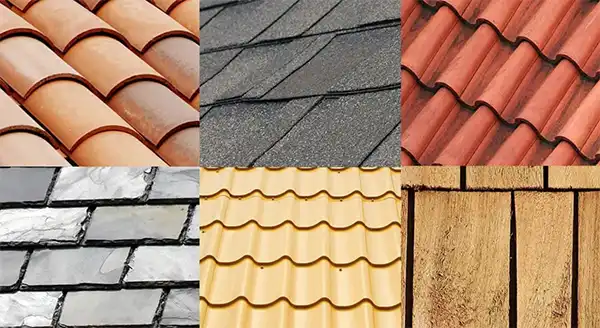
Economic Consequences of Premature Roofing Failures
Roofing system replacement represents one of the most substantial maintenance expenditures building owners face throughout a structure's operational lifetime. Premature deterioration necessitating replacement after 10-15 years rather than the anticipated 25-30 years creates unforeseen capital expenses that disrupt budgeting cycles and erode confidence in material suppliers. Beyond direct replacement costs, failed roofing systems cause collateral damage to interior finishes, structural components, and building contents through water infiltration. Manufacturers facing warranty claims for underperforming products bear not only replacement material costs but also installation labor, consequential damages, and reputational harm that affects future market positioning.
Regulatory Standards Mandating Performance Verification
Building codes and roofing industry specifications increasingly require documented evidence of weathering resistance before materials receive approval for installation. Organizations including ASTM International, the Cool Roof Rating Council, and FM Approvals establish testing protocols that materials must satisfy to achieve specification compliance. The accelerated aging chamber provides the controlled environment necessary to demonstrate conformance with standards such as ASTM D2436 for asphalt shingle weathering, ASTM D4332 for coating performance, and ASTM F1980 for thermoplastic membrane evaluation. Without validated testing data, materials cannot access specification-driven commercial construction markets or satisfy insurance underwriting requirements.
Competitive Differentiation Through Validated Performance Claims
The roofing materials marketplace features intense competition where performance claims must withstand scrutiny from specifying professionals including architects, roofing consultants, and facility engineers. Substantiated weathering data derived from recognized testing protocols provides competitive differentiation that marketing assertions alone cannot achieve. Materials demonstrating superior color retention, maintained flexibility, or sustained waterproofing integrity command premium pricing and preferential specification. The investment in comprehensive durability testing generates returns through expanded market access, reduced warranty exposure, and enhanced brand reputation among quality-conscious buyers.
Environmental Challenges: UV, Rain, and Temperature Extremes
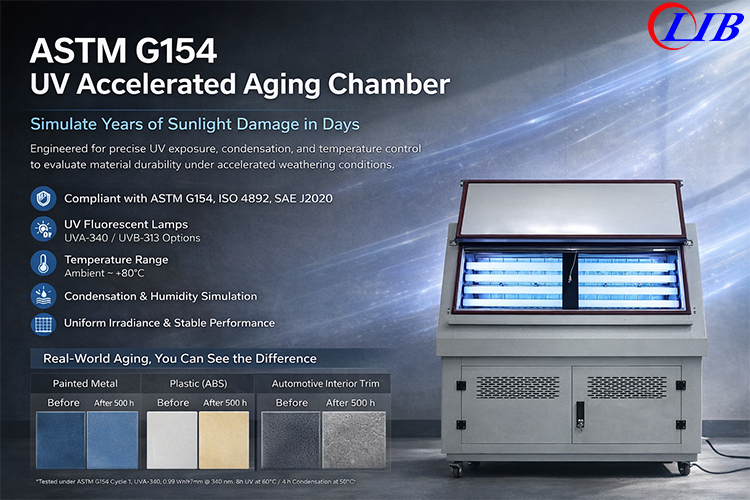
Photodegradation Mechanisms in Polymer-Based Roofing
Ultraviolet radiation initiates photochemical reactions that systematically dismantle polymer molecular structures fundamental to roofing material integrity. The high-energy photons break carbon-carbon and carbon-hydrogen bonds within polymer chains, creating free radicals that propagate degradation cascades. This photodegradation manifests as surface chalking, color fading, gloss reduction, and progressive embrittlement that compromises flexibility. Different polymer chemistries exhibit varying UV susceptibility - polyvinyl chloride membranes face plasticizer migration and chain scission, while thermoplastic polyolefins experience oxidative degradation that reduces elongation properties critical for thermal movement accommodation.
Hydrolytic Degradation and Moisture-Induced Failures
Roofing materials endure prolonged moisture exposure from precipitation, condensation, and atmospheric humidity that initiates hydrolytic degradation processes. Water molecules penetrate polymer matrices, attacking ester linkages in polyester-based materials and causing dimensional instability in hygroscopic substrates. Cyclical wetting and drying creates expansion-contraction stresses that concentrate at mechanical fastening points and seam interfaces. The synergistic combination of moisture and UV radiation accelerates degradation rates beyond what either stressor produces independently - wet surfaces absorb more UV energy while photodegradation increases moisture permeability, creating a destructive feedback loop.
Thermal Cycling Stress and Dimensional Stability Challenges
Roofing surfaces experience extreme temperature fluctuations ranging from sub-freezing winter conditions to summer peaks exceeding 70°C on dark-colored materials. These temperature swings induce cyclical expansion and contraction that stress attachment systems, seam adhesives, and substrate interfaces. Different material layers within roofing assemblies expand at dissimilar rates, generating shear forces at bonded interfaces that propagate delamination. Thermal shock events - such as sudden cooling from afternoon thunderstorms on heat-soaked surfaces - create particularly severe stress concentrations that accelerate fatigue failure at vulnerable locations.
|
Environmental Stressor |
Degradation Mechanism |
Material Impact |
|
UV Radiation (300-400nm) |
Photochemical bond scission |
Chalking, embrittlement, color fade |
|
Moisture Exposure |
Hydrolytic polymer breakdown |
Dimensional instability, reduced strength |
|
Thermal Cycling |
Expansion-contraction fatigue |
Seam failure, fastener loosening |
|
Combined UV + Moisture |
Synergistic degradation acceleration |
Accelerated deterioration rates |
Simulating Years of Exposure in Aging Chambers
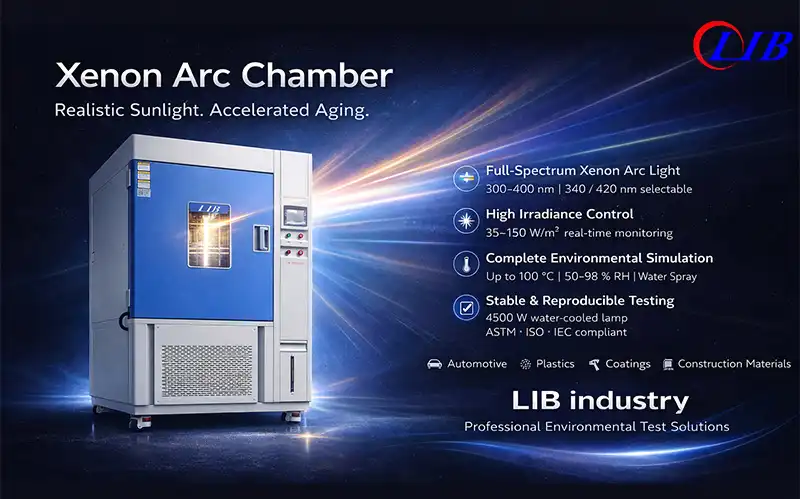
Xenon Arc Technology Replicating Full-Spectrum Solar Radiation
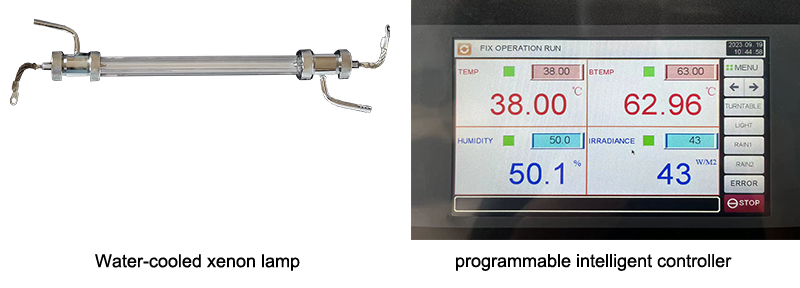
The xenon arc lamp in an accelerated aging test chamber represents the most accurate artificial simulation of natural sunlight across the complete spectral range from ultraviolet through visible to infrared wavelengths. Unlike fluorescent UV lamps that emphasize specific wavelength bands, xenon sources reproduce the continuous spectral distribution of solar radiation with particular fidelity in the critical 300-400 nm UV range responsible for polymer degradation. The XL-S-750 model utilizes a 4500-watt water-cooled xenon arc lamp delivering adjustable irradiance from 35 to 150 W/m² within the UV bandwidth. This spectral accuracy proves essential for materials incorporating UV stabilizers and pigments whose protective mechanisms respond to specific wavelength distributions.
Programmable Environmental Cycles Compressing Decades into Months
Modern accelerated aging chamber systems feature sophisticated programming capabilities that replicate diurnal and seasonal environmental patterns within compressed timeframes. The programmable color LCD touchscreen controller enables researchers to establish complex exposure sequences combining light, darkness, elevated temperature, humidity cycling, and water spray phases. A typical automotive exterior coating test might specify 102 minutes of xenon exposure at 0.55 W/m²/nm at 340nm followed by 18 minutes of water spray, repeating continuously. Roofing material protocols often incorporate extended dark condensation periods at elevated temperatures to simulate overnight dew exposure that promotes hydrolytic degradation.
Acceleration Factors and Real-World Correlation Studies
Understanding the relationship between accelerated laboratory exposure and actual outdoor weathering requires careful correlation studies comparing chamber-aged specimens with naturally weathered references. Acceleration factors - the ratio of outdoor exposure time to equivalent chamber exposure - vary depending on material chemistry, geographic location, and specific failure modes evaluated. Conservative approaches assume acceleration factors of 3-5x, meaning 1000 hours of chamber exposure approximates 3000-5000 hours of outdoor exposure. However, certain degradation mechanisms accelerate more dramatically, while others resist acceleration, necessitating validation studies specific to each material system and intended application environment.
|
Test Parameter |
XL-S-750 Specification |
Testing Capability |
|
Chamber Dimensions |
950×950×850mm internal |
Accommodates full-size roofing samples |
|
Specimen Capacity |
42 pieces (95×200mm) |
High-throughput comparative testing |
|
Irradiance Control |
35-150 W/m² (300-400nm) |
Adjustable intensity matching field conditions |
|
Temperature Range |
Ambient to 100°C ±2°C |
Simulates extreme surface heating |
|
Humidity Control |
50-98% RH ±5% |
Replicates moisture exposure conditions |
|
Black Panel Temperature |
35-85°C ±2°C |
Accurate surface temperature simulation |
Evaluating Waterproofing and Structural Integrity
Water Penetration Resistance Under Simulated Rain Conditions
The integrated water spray cycle capability within the accelerated aging chamber evaluates how weathering affects waterproofing integrity over time. Adjustable spray cycles from 1 to 9999 hours and 59 minutes enable researchers to simulate everything from brief afternoon showers to prolonged storm events. The testing protocol typically subjects specimens to accelerated UV and thermal aging, then evaluates water penetration resistance to quantify degradation of waterproofing membranes, coating systems, or sealant materials. This approach reveals whether aging processes create pathways for moisture ingress through micro-cracking, coating delamination, or adhesive failure at seams and terminations.
Mechanical Property Retention After Environmental Exposure
Roofing materials must maintain critical mechanical properties including tensile strength, elongation at break, tear resistance, and puncture resistance throughout their service life. The testing protocol involves removing specimens at predetermined intervals during chamber exposure and conducting mechanical property evaluations per ASTM standards. Plotting property retention versus exposure time reveals degradation kinetics and enables prediction of service life endpoints. Materials formulated with superior UV stabilizer packages demonstrate sustained elongation retention that translates to continued flexibility accommodating thermal movement and structural deflection without tearing.
Surface Characteristics and Aesthetic Longevity Assessment
Beyond functional performance, roofing materials face aesthetic requirements particularly in residential applications where appearance influences property values. The chamber testing evaluates color stability through spectrophotometric measurements comparing exposed specimens to unexposed references. Gloss retention measurements quantify surface degradation causing visual dulling. Chalking assessments per ASTM D4214 determine whether surface polymer degradation produces powdery residue indicating advanced weathering. These aesthetic metrics prove particularly critical for premium roofing products where manufacturers warrant color retention for 20-30 years and must validate these claims through accelerated testing.
Performance Metrics for Roofing Material Validation
Quantifying UV Stabilizer Effectiveness in Polymer Formulations
Roofing membrane and coating manufacturers incorporate UV stabilizer additives including hindered amine light stabilizers (HALS) and UV absorbers to mitigate photodegradation. The accelerated aging chamber enables systematic evaluation of stabilizer effectiveness by comparing formulations with varying additive loadings under controlled exposure conditions. Researchers measure retention of critical properties including elongation, tensile strength, and flexibility after standardized exposure durations. These comparative studies optimize stabilizer concentrations balancing performance enhancement against raw material cost increases, identifying the minimum effective loading that achieves target service life.
Thermal Stability Assessment Under Elevated Temperature Exposure
Roofing surfaces reach temperatures substantially exceeding ambient air temperature, particularly dark-colored materials under direct solar radiation. The chamber's black panel temperature (BPT) control from 35-85°C simulates realistic surface heating conditions that accelerate thermal degradation mechanisms. Testing at elevated BPT settings reveals polymer formulations susceptible to heat-accelerated oxidation, plasticizer volatilization, or heat-induced crosslinking that reduces flexibility. Materials destined for hot climate applications undergo validation at maximum BPT settings confirming adequate thermal stability for locations where roof surface temperatures routinely exceed 70°C.
Comparative Material Benchmarking Against Industry Standards
Product development programs benefit from comparative testing positioning new formulations against established industry-standard materials. The 42-specimen capacity of the XL-S-750 model accommodates extensive comparison panels including multiple formulation variants, competitive products, and reference standards. Running all specimens simultaneously under identical exposure conditions eliminates variability from separate test runs, providing definitive performance rankings. This comparative approach identifies formulation improvements delivering measurable performance advantages substantiating marketing claims and premium pricing strategies.
|
Performance Metric |
Test Method |
Acceptance Criteria (Example) |
|
Tensile Strength Retention |
ASTM D412 after exposure |
≥80% of original value after 2000h |
|
Elongation Retention |
ASTM D412 after exposure |
≥75% of original value after 2000h |
|
Color Change (ΔE) |
Spectrophotometry |
ΔE <5 units after 1000h exposure |
|
Gloss Retention |
ASTM D523 (60° angle) |
≥70% of original gloss after exposure |
|
Chalking Rating |
ASTM D4214 |
Rating ≤6 after specified exposure |
Driving Innovation in Roofing Systems Through Testing
Bio-Based and Recycled Content Material Development
Sustainability initiatives drive roofing material innovation toward bio-based polymers and recycled content formulations reducing petroleum dependency and landfill waste. These alternative materials face durability questions since their weathering performance lacks the decades of field history established for conventional petroleum-based polymers. The accelerated aging chamber provides essential validation enabling commercialization of sustainable alternatives. Researchers evaluate whether bio-based polyols in polyurethane coatings or recycled rubber content in modified bitumen products maintain performance parity with traditional formulations. Successful validation of sustainable materials opens specification opportunities in green building programs including LEED certification.
Cool Roofing Technology and Solar Reflectance Retention
Cool roofing materials featuring high solar reflectance and thermal emittance reduce building cooling loads and mitigate urban heat island effects. However, these performance attributes degrade as weathering deposits dirt, grows biological organisms, and alters surface characteristics. Testing protocols measure initial solar reflectance per ASTM C1549, subject specimens to accelerated weathering in the chamber, then re-measure reflectance to quantify aged solar reflectance (ASR). The Cool Roof Rating Council requires ASR testing after 2400 hours of ASTM G155 exposure for product rating. Materials maintaining high reflectance after weathering qualify for energy efficiency incentives and preferential specifications in energy-conscious markets.
Self-Healing and Advanced Functional Coatings Validation
Emerging roofing technologies incorporate functional additives including self-healing polymers that autonomously repair micro-damage, antimicrobial agents preventing biological growth, and photocatalytic materials degrading atmospheric pollutants. These advanced formulations require validation demonstrating that functional properties persist throughout accelerated weathering exposure. Testing protocols evaluate whether self-healing mechanisms remain active after UV exposure, antimicrobial efficacy continues after moisture cycling, and photocatalytic activity survives environmental stresses. Successful validation of durable functional properties creates competitive differentiation commanding premium market positioning.
Customizable Cycles Matching Extreme Weather Exposure - LIB Industry
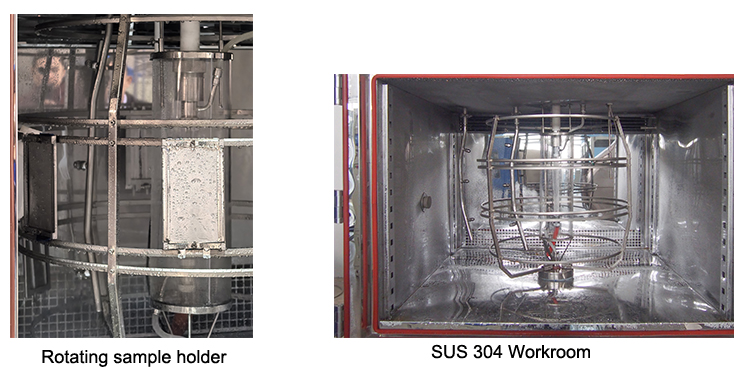
Geographic-Specific Testing Protocols for Regional Markets
Roofing materials destined for specific geographic markets face distinct environmental challenges requiring customized testing protocols in an accelerated aging test chamber. Desert installations experience intense UV radiation and extreme temperature swings with minimal moisture exposure, while tropical climates combine UV, high humidity, and frequent precipitation. Coastal environments add salt spray corrosion to the environmental stress cocktail. LIB Industry's engineering team collaborates with clients to develop testing cycles replicating specific regional exposure patterns. The programmable controller accommodates complex sequences matching local climate data, enabling validation that materials will perform in intended application environments.
Accelerated Testing Meeting Stringent International Standards
Different markets and applications reference various international testing standards creating complexity for manufacturers serving global markets. The XL-S-750 accelerated aging chamber achieves compliance with multiple recognized standards including ISO 4892 for xenon arc exposure, ASTM G154/G155 for fluorescent UV and xenon weathering, and SAE J2527 for automotive exterior materials. The pre-programmed standard mode selection eliminates programming errors while ensuring reproducible results across different operators and testing campaigns. Built-in data logging captures all parameters throughout exposure cycles, generating comprehensive reports satisfying audit requirements and certification body scrutiny.
Integration with Comprehensive Testing Programs
Weathering resistance represents one element within comprehensive material qualification programs including wind uplift resistance, impact resistance, fire classification, and thermal performance. LIB Industry provides complete environmental simulation solutions enabling coordinated testing programs within single-source supplier relationships. The turn-key approach encompasses chamber specification, installation, operator training, and ongoing technical support ensuring testing capabilities remain operational throughout equipment service life. This integrated support model proves particularly valuable for manufacturers establishing new testing laboratories or expanding existing capabilities to address emerging market requirements.
Conclusion
Roofing material development cannot rely on prolonged field exposure studies that delay product introductions and extend time-to-market cycles. The accelerated aging chamber compresses years of environmental exposure into practical laboratory timeframes, enabling data-driven formulation optimization and confident warranty substantiation. LIB Industry's advanced xenon weathering systems deliver the precision control, standard compliance, and comprehensive capabilities that roofing material researchers require. Investing in validated testing infrastructure protects manufacturers from costly field failures while enabling innovation that advances industry performance standards.
FAQ
How does accelerated chamber testing correlate with actual outdoor roofing exposure?
Correlation depends on material chemistry, geographic location, and specific degradation mechanisms evaluated. Conservative approaches assume 3-5x acceleration factors, validated through outdoor reference exposure studies. Chamber testing provides comparative performance rankings and identifies failure modes, though absolute service life predictions require field validation for each material system.
Can the chamber simulate regional climate variations affecting roofing performance?
The programmable controller enables customized exposure cycles replicating specific geographic conditions including desert high-UV/low-moisture profiles, tropical high-humidity patterns, or temperate seasonal variations. Engineers develop protocols matching regional solar radiation data, temperature patterns, and precipitation characteristics ensuring relevant testing for intended markets.
What specimen size limitations affect roofing material testing capabilities?
The XL-S-750 accommodates 42 specimens measuring 95×200mm on the rotating holder, suitable for membrane samples, coating panels, and shingle sections. LIB Industry offers enlarged chamber configurations for full-scale assembly testing or specialized mounting fixtures for irregular specimen geometries, customized to specific application requirements.
Partner with a Leading Environmental Testing Equipment Manufacturer
LIB Industry specializes in turn-key environmental simulation solutions encompassing research, design, production, commissioning, delivery, installation, and comprehensive training. As a trusted accelerated aging chamber manufacturer and supplier, we deliver customized systems meeting your specific roofing material R&D requirements. Contact our technical specialists at ellen@lib-industry.com to discuss your weathering testing applications and explore solutions optimized for your research objectives.