Preventing Corrosion in PCBs: Salt Spray Test Equipment
Printed circuit boards (PCBs) form the backbone of modern electronics, yet corrosion remains their silent adversary. Salt spray test equipment provides manufacturers with a reliable method to simulate harsh environmental conditions and evaluate protective measures before products reach the field. This accelerated corrosion testing replicates years of exposure in coastal, industrial, or humid environments within days, revealing weaknesses in conformal coatings, surface finishes, and component solder joints. By subjecting PCB assemblies to controlled saline mist conditions, engineers can identify failure mechanisms, optimize protective strategies, and ensure long-term reliability across automotive, aerospace, marine, and consumer electronics applications where corrosion-related failures prove costly.
An Australian coatings manufacturer recently implemented a salt spray corrosion testing system to evaluate marine-grade coatings. Shortly after installation, engineers began testing panels designed for offshore environments and noted, “The system is up and running smoothly.”During the initial testing phase, the chamber delivered uniform salt fog distribution along with stable temperature and humidity control, enabling continuous simulation of aggressive marine conditions. This made it possible to effectively assess key performance factors such as blister resistance and edge protection.
With reliable startup performance and consistent operation, the team gained the confidence to expand their testing scope and conduct comparative analysis across different coating formulations—demonstrating how a high-performance salt spray system can accelerate validation while ensuring repeatable, dependable results.

Why Are PCBs Vulnerable to Corrosion?
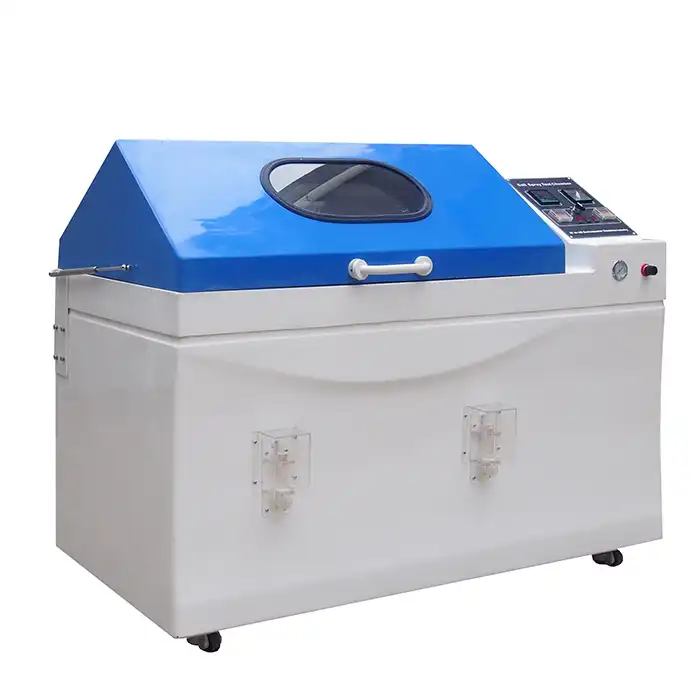 Understanding the inherent susceptibility of printed circuit boards to corrosive degradation requires examining their complex material composition and operational environments.
Material Composition and Electrochemical Activity
PCBs contain dissimilar metals including copper traces, tin-lead or SAC solder alloys, nickel-gold plating, and aluminum pads. These materials exhibit different electrochemical potentials. When moisture creates an electrolytic path between metals, galvanic corrosion initiates, with the more anodic material sacrificing itself to protect the cathode. Copper oxidation produces characteristic green patina, while tin develops whiskers that can bridge adjacent conductors.
Microscopic Pathways for Moisture Ingress
Even minor manufacturing defects create vulnerabilities. Microcracks in solder masks, incomplete conformal coating coverage at component edges, and voids beneath surface-mount devices trap moisture and contaminants. These hidden reservoirs sustain corrosion even after external surfaces appear dry, progressively degrading electrical performance.
Flux Residue and Contamination Effects
Post-assembly residues from soldering flux contain halides, organic acids, and activators that become hygroscopic. These substances attract atmospheric moisture, lowering the humidity threshold required for corrosion initiation. Contamination from handling, storage environments, or manufacturing processes introduces additional ionic species that accelerate electrochemical reactions.
Environmental Exposure Risks in Electronic Assemblies
PCBs face diverse corrosive threats depending on their deployment environments, necessitating targeted protection strategies validated through systematic testing.
Marine and Coastal Applications
Electronic systems aboard vessels or in offshore installations encounter continuous salt-laden air exposure. Sodium chloride particles penetrate enclosures through ventilation openings and connector gaps. The combination of high humidity, elevated temperatures, and chloride ions creates exceptionally aggressive conditions that can degrade unprotected circuitry within months.
Industrial Pollution Scenarios
Manufacturing facilities release sulfur dioxide, nitrogen oxides, and particulate matter that settle on circuit boards. These pollutants combine with moisture to form acidic solutions capable of attacking metal surfaces. Chemical processing plants, wastewater treatment facilities, and mining operations present particularly harsh environments requiring robust corrosion protection.
Automotive Underhood Environments
Modern vehicles house extensive electronics in engine compartments where temperature cycling, vibration, road salt spray, and chemical exposure converge. Winter deicing compounds contain magnesium chloride and calcium chloride, which prove even more corrosive than sodium chloride. Power electronics, sensors, and control modules must withstand these conditions throughout 15-year service lives.
Salt Spray Testing for PCB Reliability Assessment

Standardized accelerated corrosion testing provides quantifiable data on protective coating performance and inherent board resistance to environmental degradation.
Neutral Salt Spray Test Principles
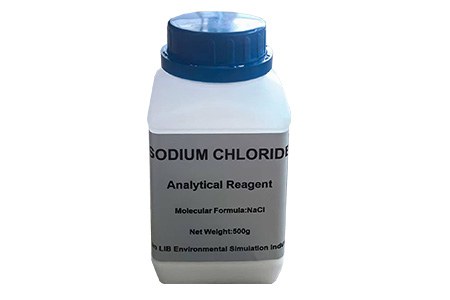
The most common protocol, ASTM B117, exposes specimens to continuous atomized 5% sodium chloride solution at 35°C. Salt spray test equipment generates fog with specific deposition rates between 1-2 ml/80 cm²·h. Test durations typically range from 24 to 1000 hours depending on application severity. This method evaluates general corrosion resistance but doesn't replicate cyclic wet-dry conditions.
Cyclic Corrosion Testing Advantages
Advanced salt spray chambers perform programmed sequences alternating between salt spray, humidity hold, and ambient drying phases. These cycles more accurately simulate real-world exposure patterns where moisture evaporation concentrates corrosive species. Standards like GMW14872 and SAE J2334 specify automotive-relevant protocols incorporating temperature fluctuations that stress coating adhesion and reveal interfacial weaknesses.
Interpretation of Test Results
Evaluation criteria include time-to-first-corrosion, creepage from scribes or defects, coating blistering, and electrical resistance degradation. Visual inspection identifies obvious failures, while electrical testing detects subtle increases in contact resistance or insulation breakdown. Destructive cross-sectioning reveals subsurface corrosion propagation invisible from external examination.
|
Test Standard |
Salt Concentration |
Temperature |
Cycle Duration |
Primary Application |
|
ASTM B117 |
5% NaCl |
35°C |
Continuous |
General corrosion resistance |
|
ISO 9227 NSS |
5% NaCl |
35°C |
Continuous |
International neutral salt spray |
|
GMW14872 |
0.9% NaCl + others |
Variable |
1 week cycles |
Automotive components |
|
IEC 60068-2-52 |
5% NaCl |
35°C |
Variable |
Electronics severity levels |
Evaluating Conformal Coatings and Surface Finishes
Protective barrier systems represent the primary defense against corrosive attack, requiring validation through controlled environmental exposure testing.
Acrylic and Urethane Coating Performance
Acrylic conformal coatings offer ease of application and rework capability but provide moderate moisture barrier properties. Urethane formulations deliver superior chemical resistance and abrasion tolerance. Salt spray testing reveals differences in coating flexibility during thermal cycling, with brittle formulations cracking at component interfaces. Humidity resistance testing at 85°C/85% RH complements salt fog exposure to assess hydrolytic stability.
Parylene and Silicone Barrier Characteristics
Vapor-deposited parylene creates pinhole-free coverage with excellent dielectric properties and chemical inertness. Its uniform thickness conforms to complex geometries better than liquid coatings. Silicone coatings withstand extreme temperatures but offer less abrasion resistance. Comparative salt spray testing quantifies how coating type affects corrosion protection duration under standardized conditions.
Surface Finish Selection Impact
The metallic surface finish beneath conformal coatings significantly influences corrosion resistance. Electroless nickel immersion gold (ENIG) provides excellent oxidation resistance but can suffer from black pad defects. Immersion silver offers good solderability but tarnishes without protection. Organic solderability preservatives (OSP) require prompt coating application. Testing various finish-coating combinations identifies optimal pairings for specific environments.
Failure Modes in Corroded Circuit Boards
Recognizing corrosion-induced degradation mechanisms enables predictive maintenance strategies and design improvements to enhance product longevity.
Electrochemical Migration Phenomena
Conductive anodic filament (CAF) growth occurs when copper ions migrate through substrate glass fiber interfaces under electrical bias and humidity. This insidious failure mode creates conductive paths between adjacent traces, causing intermittent shorts that defy traditional diagnostics. Salt contamination dramatically accelerates CAF formation, making salt spray testing critical for high-voltage boards.
Solder Joint Degradation Pathways
Corrosion attacks the intermetallic compounds at solder-pad interfaces, weakening mechanical bonds and increasing electrical resistance, particularly after exposure in a salt spray test chamber. Lead-free SAC alloys show different corrosion behavior than traditional tin-lead solders. Whisker growth from pure tin finishes can bridge adjacent pins on fine-pitch components. Shear testing of corroded joints quantifies strength reduction over exposure time.
Connector and Via Corrosion
Plated through-holes and vias represent vulnerable points where drilling exposes substrate layers. Incomplete plating coverage allows moisture penetration into the board laminate. Connector contacts subjected to fretting wear combined with corrosion develop high resistance or intermittent connections. Salt spray testing with installed connectors reveals realistic degradation patterns.
|
Failure Mode |
Primary Cause |
Detection Method |
Typical Onset Time |
|
CAF Growth |
Ionic contamination + voltage bias |
Insulation resistance testing |
500-2000 hours |
|
Solder Joint Corrosion |
Galvanic coupling + moisture |
Visual inspection, shear testing |
168-500 hours |
|
Copper Trace Attack |
Inadequate coating coverage |
Electrical continuity testing |
96-336 hours |
|
Whisker Formation |
Tin surface finish + stress |
Optical/SEM inspection |
Variable, 100+ hours |
Strategies for Enhancing PCB Durability
Implementing multi-layered protection approaches validated through systematic salt spray testing maximizes field reliability across demanding applications.
Design-Level Mitigation Approaches
Increasing trace spacing beyond minimum design rules reduces electric field intensity that drives ion migration. Specifying solder mask over bare copper (SMOBC) eliminates exposed metal except at functional pads. Designing proper drainage paths prevents water pooling in enclosed assemblies. Component placement should avoid creating crevices that trap moisture and contaminants.
Process Control and Cleanliness
Rigorous post-solder cleaning removes flux residues and ionic contamination that compromise coating adhesion and introduce corrosion initiators. Automated aqueous or semi-aqueous cleaning systems with resistivity monitoring ensure cleanliness verification. Controlled humidity storage before coating application prevents moisture absorption into substrates that later causes coating delamination.
Multi-Layer Protection Systems
Combining primary conformal coating with secondary encapsulation or potting provides redundant barriers. Nano-coating pretreatments enhance adhesion between metallic surfaces and polymer topcoats. Sacrificial corrosion inhibitors incorporated into coatings release protective ions when degradation begins. Validation through extended salt spray exposure confirms protection duration exceeds service life requirements.
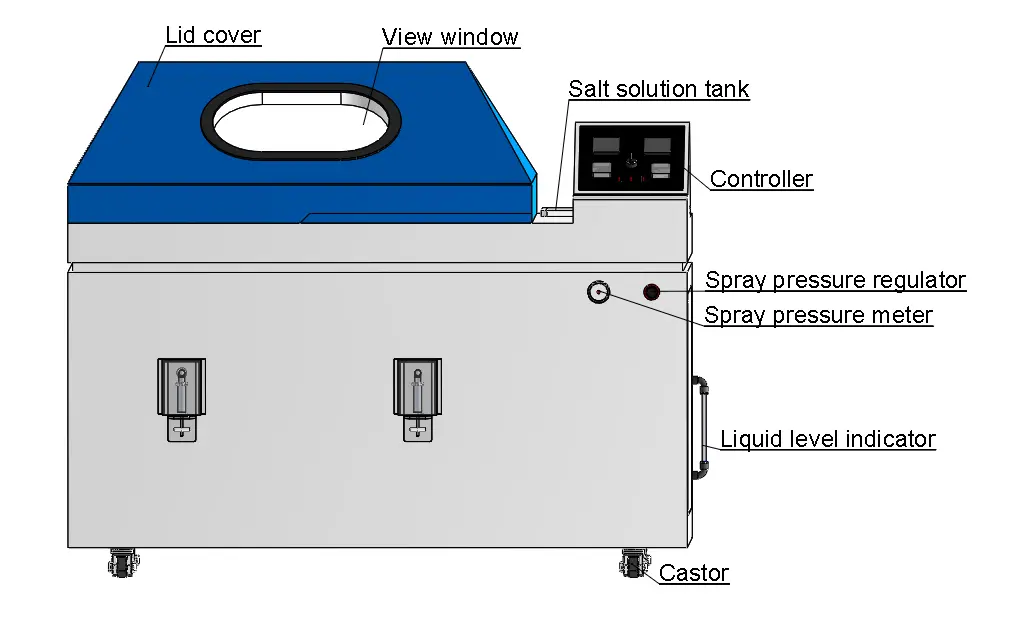
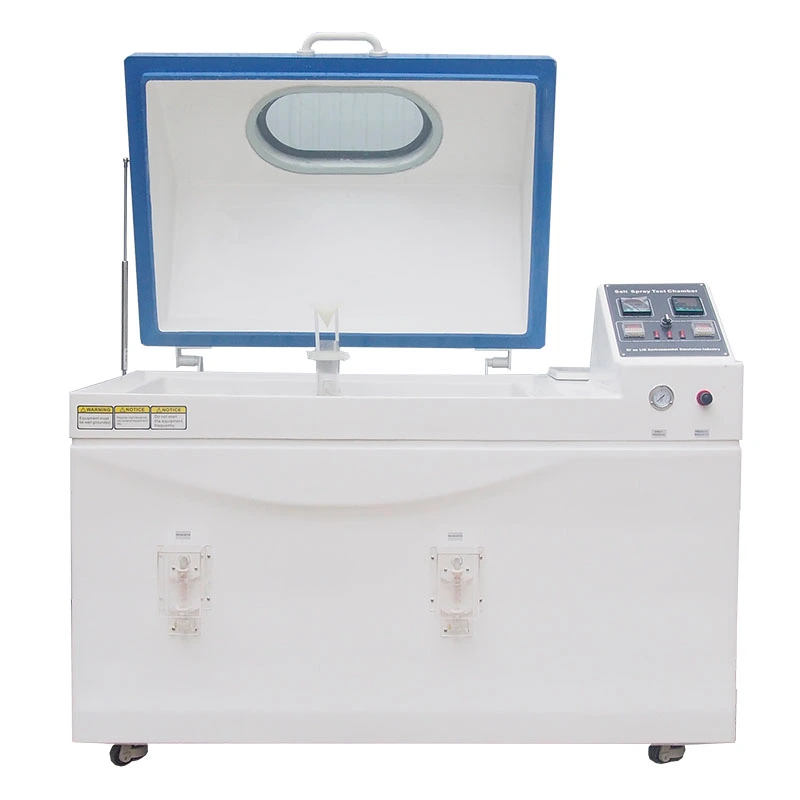
Tailored Chambers for Delicate Electronic Component Testing - LIB Industry
 |
 |
|
Durable, Leak-Resistant Workspace |
Flexible Sample Rack System |
|
Water-Sealed Lid Design |
Intelligent Controller |
|
Uniform Salt Solution Agitation |
|
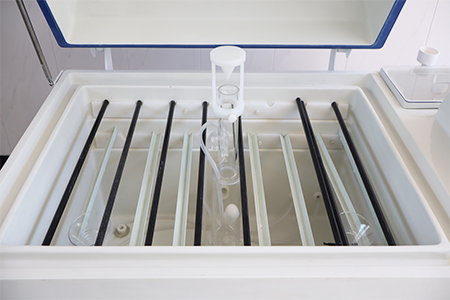
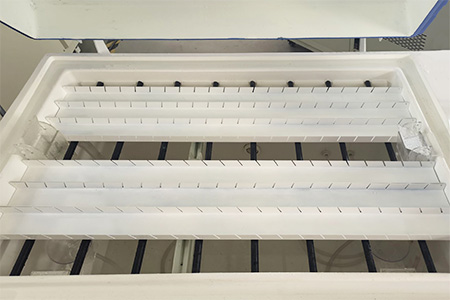
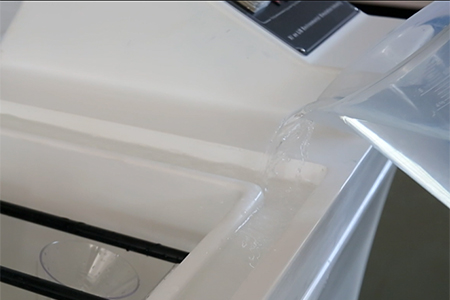
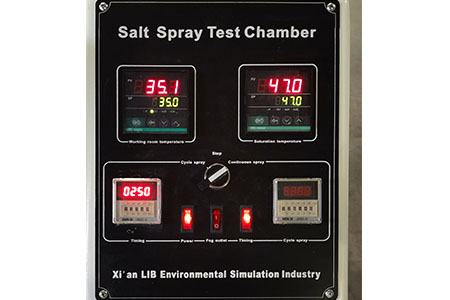
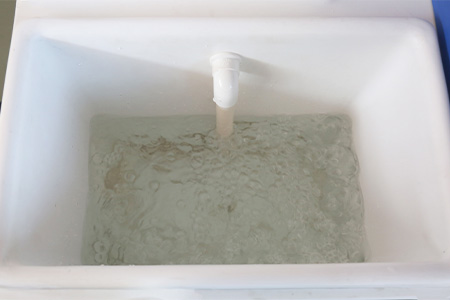
Specialized test equipment designed specifically for electronics testing addresses unique challenges that differentiate PCB evaluation from simple metal coupon testing.
Precise Environmental Control Systems
LIB salt spray test equipment maintains temperature stability within ±0.5°C fluctuation, critical when testing temperature-sensitive components and coating adhesion. The PID control system manages heating, humidification, and spray timing with programmable precision. Humidity control between 95-98% RH replicates condensing conditions without causing dripping that damages specimens. This environmental precision ensures reproducible results across test batches.
Contamination-Free Chamber Construction
Glass fiber reinforced plastic chamber construction prevents metallic contamination of the salt fog that could cause galvanic reactions with test specimens. The atomizer tower design with dual collection cups verifies spray distribution uniformity. Quartz glass spray nozzles resist clogging and crystallization that compromise fog consistency. These materials ensure the corrosive environment affects only test specimens, not the chamber itself.
Flexible Configuration Options
Multiple chamber sizes from 110L to 1600L accommodate everything from individual PCBs to complete electronic assemblies. V-shaped sample holders position boards at standardized angles ensuring proper fog exposure without pooling. Automated fog removal systems prevent salt accumulation between test cycles. Custom configurations support specialized testing protocols including SO₂ exposure for mixed gas corrosion studies.
|
LIB Model |
Internal Volume |
Interior Dimensions (mm) |
Ideal Application |
|
S-150 |
110L |
590×470×400 |
Individual PCBs, small batches |
|
S-250 |
320L |
1000×640×500 |
Standard production testing |
|
S-010 |
780L |
1000×1300×600 |
Large assemblies, multiple specimens |
|
S-020 |
1600L |
1000×2000×800 |
Complete system-level validation |
Advanced Safety and Monitoring Features
Integrated safety systems include dry-combustion protection for the humidifier, over-temperature shutoff, water shortage alarms, and earth leakage protection. These features prevent equipment damage and ensure operator safety during unattended extended testing. Real-time monitoring displays pressure, temperature, and spray rate, with data logging for compliance documentation. OMRON relays, Schneider contactors, and Danfoss valves provide industrial-grade reliability.
Quality Assurance and Support Infrastructure
Following ISO 9001 Quality Management System protocols, each chamber undergoes factory acceptance testing before delivery. SGS and TUV validation confirms compliance with international testing standards. CE certification demonstrates electrical safety conformance. The 3-year warranty with lifetime service support includes 24/7 global technical assistance, minimizing production interruptions when testing schedules are critical.
Customization Capabilities for Specialized Requirements
LIB Industry's engineering team develops non-standard chamber configurations addressing unique testing protocols. Custom chamber dimensions accommodate oversized assemblies or unusual specimen geometries. Multi-zone chambers enable simultaneous testing under different conditions within a single unit. Integration with automated handling systems supports high-throughput production testing environments where manual specimen loading proves impractical.
Conclusion
Preventing corrosion in PCBs demands comprehensive understanding of failure mechanisms, rigorous protective coating validation, and access to reliable test equipment. Salt spray chambers provide the controlled accelerated exposure necessary to predict long-term field performance from short-duration laboratory testing. By integrating thoughtful design practices, optimized manufacturing processes, and systematic environmental testing, manufacturers can confidently deploy electronics in challenging environments where corrosion historically caused premature failures.
FAQ
How long should PCBs undergo salt spray testing to simulate field conditions?
Test duration depends on application severity and desired service life. Marine electronics often require 1000+ hours continuous exposure, while consumer products may need 96-168 hours. Cyclic protocols provide more realistic simulation than continuous spray, with automotive standards specifying multi-week programs alternating environmental stresses.
Can salt spray testing damage functional PCBs with powered components?
Standard salt fog chambers test unpowered assemblies since conductive salt solutions create short circuits. Specialized protocols apply electrical bias during humidity phases between spray cycles, revealing electrically-accelerated corrosion mechanisms. Protective conformal coatings must cure completely before testing to prevent premature failure unrepresentative of field performance.
What differentiates neutral salt spray from other corrosion test methods?
Neutral salt spray (NSS) uses 5% sodium chloride at pH 6.5-7.2, simulating general atmospheric corrosion. Acetic acid salt spray (AASS) adds acidic components for harsher testing. Copper-accelerated salt spray (CASS) increases temperature to 50°C with copper chloride addition. Test selection depends on material compatibility and environmental correlation requirements for specific applications.
Partner with a Trusted Salt Spray Test Equipment Manufacturer
LIB Industry delivers turnkey environmental testing solutions including design, production, installation, and training support. Contact our technical team at ellen@lib-industry.com to discuss custom salt spray test equipment configurations matching your specific PCB validation requirements.