Textile Colorfastness & The Accelerated Aging Chamber
Textile colorfastness represents a critical quality parameter that determines how well fabrics maintain their original appearance when exposed to environmental stressors. An accelerated aging chamber provides manufacturers with a controlled environment to simulate months or years of natural weathering in just days or weeks. By utilizing xenon arc or UV lamp technology, these sophisticated testing instruments replicate the combined effects of sunlight, temperature fluctuations, and moisture exposure. This predictive testing approach enables textile producers to validate dyeing processes, compare material formulations, and ensure products meet stringent international standards before market release, ultimately protecting brand reputation and reducing costly recalls.
Client Feedback – Serbia
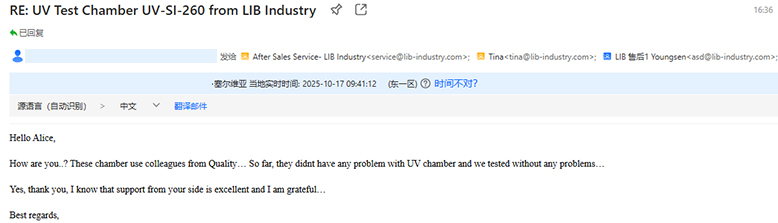
A leading quality team in Serbia recently utilized the LIB industry UV aging chamber to assess the durability of outdoor polymer materials. By subjecting samples to continuous UV exposure combined with temperature fluctuations and condensation cycles, they monitored changes in color, surface integrity, and mechanical properties over extended periods. The chamber consistently delivered stable performance, allowing highly repeatable and reliable results throughout the tests.
In their own words:
"Our quality team has been using the UV aging chamber regularly, and we haven’t encountered any issues. The equipment runs smoothly, and your technical support has been outstanding – we really appreciate it."
The client highlighted not only the chamber’s dependable operation during prolonged testing but also the prompt and helpful support from LIB industry, which facilitated seamless setup and ensured confidence in everyday testing routines.
The Importance of Color Retention in Industrial and Commercial Textiles
Economic Impact of Color Fading
Color degradation directly translates to financial losses across the textile supply chain. When automotive upholstery, outdoor furniture fabrics, or architectural awnings exhibit premature fading, manufacturers face warranty claims, product recalls, and damaged customer relationships. Research indicates that color-related defects account for approximately 30-40% of textile product returns in commercial applications. This makes colorfastness testing an essential quality control investment rather than an optional expense.
Brand Reputation and Consumer Trust
Visual appearance remains the primary factor consumers use to judge product quality. A faded curtain or discolored sofa covering immediately signals poor manufacturing standards, regardless of the fabric's structural integrity. Premium textile brands invest heavily in accelerated weathering tests to maintain consistent color performance across production batches. This proactive approach builds consumer confidence and justifies higher price points in competitive markets.
Regulatory Compliance Requirements
International trade demands adherence to established colorfastness standards. European markets enforce strict regulations for textiles containing certain dyes, while North American specifications focus on performance benchmarks. Manufacturers exporting to multiple regions must demonstrate compliance through documented test results from calibrated equipment. An accelerated aging chamber provides the standardized testing environment necessary to generate audit-ready reports that satisfy global regulatory bodies.
What Causes Rapid Photodegradation and Fading in Dyed Fabrics?
UV Radiation and Chemical Bond Breakdown
Ultraviolet wavelengths between 300-400nm possess sufficient energy to break the molecular bonds in organic dyes. This photochemical reaction occurs when photons strike chromophore molecules, creating free radicals that initiate degradation chains. Different dye classes exhibit varying sensitivity levels - azo dyes typically demonstrate better UV stability than anthraquinone structures. Understanding these mechanisms helps formulators select appropriate colorants for specific end-use applications.
Synergistic Effects of Heat and Moisture
Temperature elevation accelerates all chemical reactions, including dye degradation processes. When combined with moisture from humidity or rain simulation, the deterioration rate increases exponentially. Water molecules facilitate hydrolysis reactions that cleave dye-fiber bonds, while also acting as a medium for dye migration. These synergistic effects explain why outdoor textiles fade faster in humid climates compared to arid environments with similar UV exposure levels.
Material Composition Variables
The substrate material significantly influences colorfastness performance. Natural fibers like cotton and wool contain hydroxyl and amino groups that form stronger covalent bonds with reactive dyes. Synthetic polyesters require disperse dyes that physically embed within the polymer matrix through heat setting. Fabric construction also matters - tightly woven structures provide better protection to embedded dyes than loose weaves that allow greater light penetration and oxygen diffusion.
Xenon Arc and UV Technologies for Accurate Sunlight Simulation
|
|
|
Full-Spectrum Xenon Arc Lamp Systems
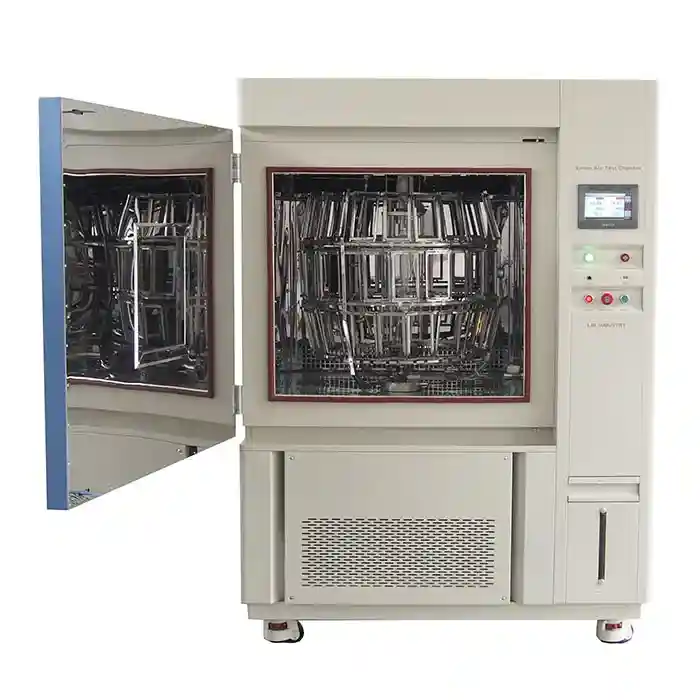
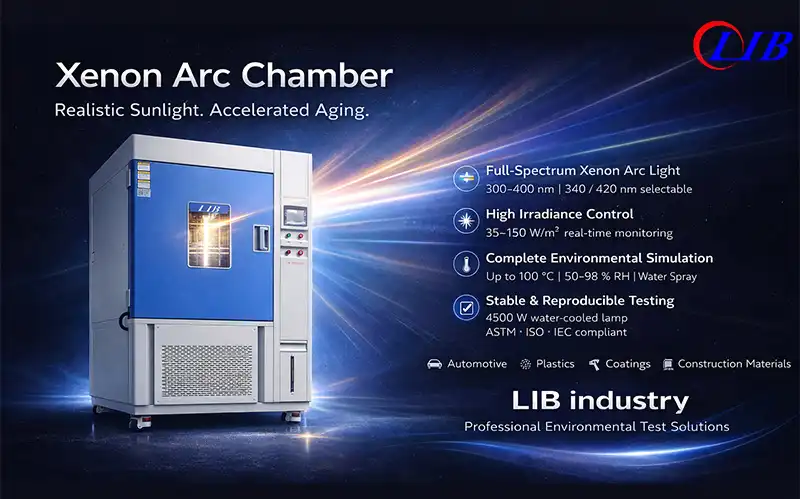
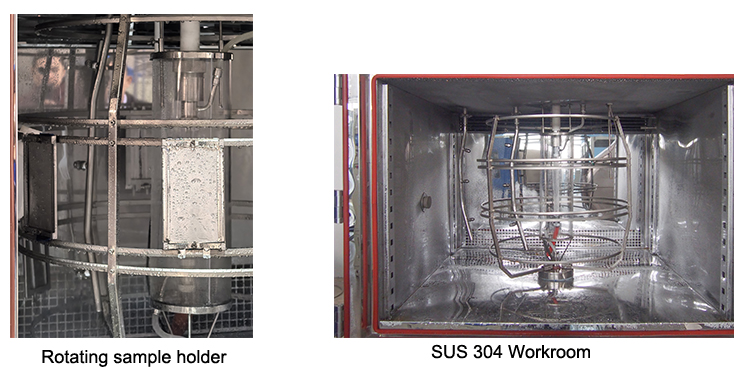
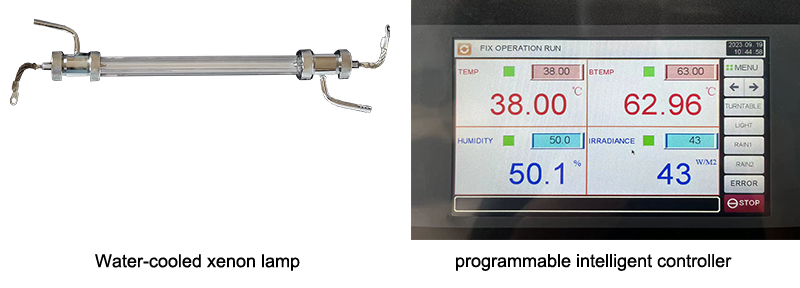
Xenon arc technology in an accelerated aging test chamber replicates the complete solar spectrum from 290nm to 800nm with remarkable accuracy. The 4500-watt water-cooled xenon lamp generates continuous radiation that closely matches natural daylight's spectral power distribution. This makes xenon-based chambers ideal for evaluating visual color changes, as the human eye perceives colors differently under various light wavelengths. The rotating specimen holder ensures uniform exposure across all 42 test samples simultaneously.
|
Light Source Type |
Wavelength Range |
Primary Application |
Typical Lamp Life |
|
Xenon Arc |
290-800nm |
Color stability, visual assessment |
1600 hours |
|
UV Fluorescent |
280-400nm |
Chemical degradation, polymer breakdown |
2000-5000 hours |
|
Metal Halide |
300-700nm |
Outdoor weathering simulation |
1000-1500 hours |
UV Fluorescent Lamp Advantages
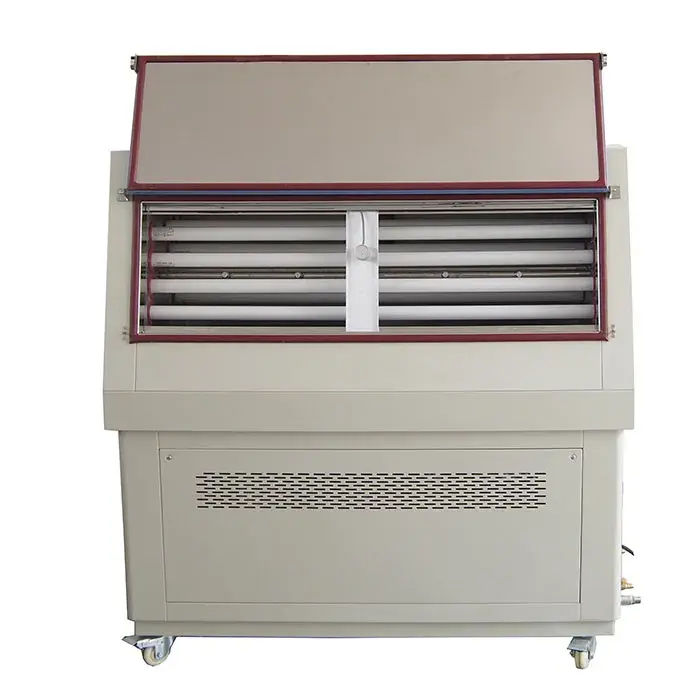
UV fluorescent systems concentrate energy in the most damaging ultraviolet bands where photodegradation occurs fastest. By focusing on wavelengths below 400nm, these lamps accelerate chemical breakdown processes while consuming less power than xenon alternatives. The bandwidth measurement capability between 300-400nm allows precise irradiance control at either 340nm (for maximum acceleration) or 420nm (for less aggressive testing). This selectivity proves valuable when isolating specific degradation mechanisms.
Irradiance Control and Monitoring
Maintaining consistent light intensity throughout extended test cycles ensures reproducible results. The built-in UV radiometer continuously measures irradiance levels within the chamber, automatically adjusting lamp power to compensate for bulb aging. With an adjustable range from 35 to 150 W/m², operators can match specific standard requirements or customize exposure levels based on end-use conditions. The ±5% tolerance specification guarantees measurement accuracy comparable to laboratory reference instruments.
How Are Colorfastness Ratings Evaluated After Accelerated Aging?
Gray Scale Assessment Methods
The textile industry employs standardized gray scales to quantify color change and staining. These physical references contain five pairs of neutral gray chips representing degradation levels from Grade 5 (no change) to Grade 1 (severe alteration). Trained evaluators compare exposed specimens against unexposed controls under controlled D65 illumination, matching the observed difference to the closest gray scale step. This subjective visual assessment remains the industry standard despite advances in instrumental measurement techniques.
Spectrophotometric Color Measurement
Modern quality control incorporates spectrophotometers that objectively measure color coordinates in CIELAB color space. The instrument captures reflectance data across the visible spectrum, calculating ΔE values that represent total color difference. A ΔE below 1.0 indicates imperceptible change, while values exceeding 3.0 signify noticeable degradation. This numerical approach eliminates observer variability and enables statistical process control, though it supplements rather than replaces traditional gray scale evaluation for contractual specifications.
Physical Property Correlation
Colorfastness testing often occurs alongside mechanical property assessments to understand holistic aging effects. Tensile strength retention, tear resistance maintenance, and abrasion performance provide complementary data about material durability. A fabric might retain excellent color while losing structural integrity, or conversely, maintain strength while exhibiting unacceptable fading. Comprehensive testing protocols examine these interdependent characteristics to predict real-world service life accurately.
Meeting Stringent ISO and AATCC Standards for Textile Durability
ISO 4892 Weathering Test Requirements
The ISO 4892 standard series specifies methods for exposing plastics and textiles to laboratory light sources. Part 2 details xenon arc lamp procedures, including spectral distribution requirements, black panel temperature control, and humidity conditioning protocols. Compliance demands precise calibration of all environmental parameters - the accelerated ageing chamber temperature range from ambient to 100°C with ±2°C accuracy, humidity control between 50-98% RH with ±5% deviation, and programmable water spray cycles up to 9999 hours.
|
Standard |
Geographic Region |
Light Source |
Key Parameters |
|
ISO 4892-2 |
International |
Xenon Arc |
BPT, irradiance at 340nm/420nm |
|
ASTM G154 |
North America |
UV Fluorescent |
Condensation cycles, UVA-340 lamps |
|
AATCC TM16 |
Textile-specific |
Xenon Arc or UV |
Color change rating, exposure time |
|
SAE J2527 |
Automotive |
Xenon Arc |
Interior trim specifications |
ASTM G154 and G155 Protocol Differences
ASTM G154 focuses on UV fluorescent exposure with alternating light and condensation phases, particularly effective for evaluating moisture-sensitive degradation. ASTM G155 addresses xenon arc weathering with optional water spray and controlled irradiance. Both standards permit customization of exposure cycles, allowing manufacturers to develop test methods that correlate with specific geographic or application conditions. The programmable color LCD touch screen controller simplifies protocol setup and ensures consistent execution.
AATCC Technical Manual Guidelines
The American Association of Textile Chemists and Colorists publishes Test Method 16, the definitive procedure for colorfastness to light evaluation. This method specifies exposure durations, reference standards (blue wool scales), and assessment criteria accepted throughout the global textile industry. The test chamber's rotating holder design ensures uniform light distribution across specimens, eliminating the edge effects that compromise data validity in static exposure racks.
How Does Consistent Aging Testing Protect Brand Reputation in the Textile Supply Chain?
Quality Assurance Throughout Production
Implementing routine accelerated aging protocols at multiple production stages identifies formulation weaknesses before mass manufacturing. Raw material suppliers test dye lots for batch-to-batch consistency, while fabric mills validate finishing processes. Converters who apply prints or coatings conduct pre-shipment verification testing. This multi-layered approach catches defects early when corrections cost pennies rather than dollars, preventing defective products from reaching consumers.
Competitive Differentiation Through Performance
Documented superior colorfastness creates tangible marketing advantages. When bidding for commercial contracts, manufacturers with extensive test data demonstrating 500+ hour xenon arc performance can command premium pricing over competitors offering only generic claims. Hospitality chains replacing upholstery every three years will pay more for fabrics proven to maintain appearance for five years. The investment in comprehensive testing generates measurable return through higher margins and customer retention.
Legal Liability Mitigation
Product liability lawsuits frequently cite failure to conduct adequate testing as evidence of negligence. Detailed records from calibrated equipment following internationally recognized standards provide crucial legal protection. The automated data logging system captures temperature, humidity, irradiance, and cycle progression throughout multi-week tests, creating an audit trail that demonstrates due diligence. These records prove particularly valuable when defending against claims of premature failure or misrepresentation of product capabilities.
Consistent Light and Moisture Control for Accurate Color Retention Testing - LIB Industry
Advanced Temperature Management Systems
The dual black panel temperature (BPT) and accelerated aging test chamber temperature control systems maintain precise thermal conditions essential for reproducible results. BPT measurement from 35-85°C ±2°C reflects the actual surface temperature experienced by exposed specimens, accounting for radiative heating from the light source. The mechanical compression refrigeration system provides stable cooling even during maximum irradiance operation, while polyurethane foam insulation with additional cotton layering minimizes thermal gradients across the 950x950x850mm workspace.
Humidity Generation and Distribution
The external isolation stainless steel surface evaporation humidifier generates moisture without introducing contaminants into the test chamber. This design prevents mineral deposits that could settle on specimens and interfere with optical measurements. Uniform air circulation distributes humidity evenly throughout the rotating specimen volume, eliminating the dry zones common in chambers with inadequate airflow design. The automatic water supply system with integrated purification ensures consistent water quality across extended test durations.
Safety and Reliability Features
Industrial testing equipment operates continuously for weeks or months, demanding robust safety systems. Over-temperature protection prevents specimen damage from control system failures, while water shortage sensors halt operation before pumps run dry. Earth leakage and phase sequence protection safeguard personnel and facility electrical systems. The SUS304 stainless steel interior resists corrosion from humidity and spray cycles, maintaining chamber integrity throughout years of demanding service. These thoughtful engineering details differentiate professional-grade equipment from basic testing chambers.
|
Chamber Component |
Material/Specification |
Function |
|
Interior Workroom |
SUS304 Stainless Steel |
Corrosion resistance, easy cleaning |
|
Exterior Cabinet |
Steel plate with protective coating |
Structural integrity, professional appearance |
|
Specimen Holder |
Rotating type, 42 positions (95x200mm) |
Uniform exposure, standard specimen sizing |
|
Observation Window |
Double-layer thermally stable silicone seal |
Monitoring without disrupting test conditions |
|
Control System |
PID programmable color touchscreen |
Intuitive operation, network connectivity |
Calibration and Maintenance Protocols
Maintaining measurement accuracy requires periodic calibration against traceable reference standards. The UV radiometer should undergo annual certification to ensure irradiance readings remain within ±5% tolerance. Xenon arc lamps gradually shift spectral output as they age, necessitating replacement at 1600-hour intervals to maintain correlation with natural weathering. Water quality testing prevents scale buildup in spray nozzles and humidification systems. LIB Industry provides comprehensive maintenance schedules and supplies genuine replacement components, ensuring long-term performance consistency.
Custom Configuration Options
Different textile applications demand specialized testing capabilities. Outdoor awning manufacturers may require extended UV-B exposure with minimal visible light, while automotive interior fabrics need combined heat and light aging. LIB's experienced R&D team develops custom chamber configurations matching specific industry requirements. Non-standard dimensions accommodate oversized samples, while modified light source arrays create unique spectral distributions. This flexibility transforms the standard XL-S-750 platform into application-specific solutions that generate data directly applicable to end-use conditions.
Integration with Quality Management Systems
Modern manufacturing environments demand seamless data integration between testing equipment and enterprise systems. The network connection capability enables automated test result upload to LIMS (Laboratory Information Management Systems) or ERP platforms. Real-time monitoring alerts quality managers to completed tests or alarm conditions, improving laboratory throughput. Comprehensive reporting functions generate formatted documents containing all test parameters, meeting ISO 9001 documentation requirements without manual transcription. This connectivity transforms the chamber from standalone equipment into an integrated quality assurance node.
Conclusion
Textile colorfastness directly impacts consumer satisfaction, brand reputation, and regulatory compliance across global markets. Accelerated aging chambers provide the controlled environment necessary to predict long-term color stability through scientifically validated testing protocols. Whether utilizing xenon arc or UV fluorescent technology, these sophisticated instruments replicate the synergistic effects of light, heat, and moisture that cause real-world degradation. Investment in professional testing equipment delivers measurable returns through reduced warranty claims, competitive differentiation, and legal liability protection throughout the textile supply chain.
FAQ
How long does accelerated aging testing typically take to simulate one year of outdoor exposure?
The acceleration factor depends on geographic location and exposure conditions. Generally, 500-1000 hours of xenon arc testing at high irradiance levels approximates one year of outdoor weathering in moderate climates. Tropical regions with intense sunlight may correlate to shorter test durations, while indoor applications require extended exposure to demonstrate equivalent degradation.
Can the same chamber test both colorfastness and physical strength properties simultaneously?
While the chamber controls environmental stressors affecting both color and mechanical properties, separate specimens are typically required for destructive physical testing. The rotating holder accommodates multiple sample types simultaneously, allowing parallel testing of color retention specimens and tensile strength coupons under identical conditions, improving correlation between degradation mechanisms.
What maintenance intervals are required to keep the accelerated aging chamber operating at specification?
Routine maintenance includes monthly cleaning of specimen racks and chamber interior, quarterly water system filter replacement, and annual radiometer calibration. The xenon arc lamp requires replacement every 1600 operating hours to maintain spectral accuracy. Following the manufacturer's preventive maintenance schedule ensures consistent performance and extends equipment service life beyond the initial 3-year warranty period.
Partner with LIB Industry for Your Testing Needs
LIB Industry stands as a leading manufacturer and supplier of accelerated aging chambers, offering turn-key environmental testing solutions tailored to your specific requirements. Our comprehensive support includes equipment design, installation, operator training, and lifetime technical assistance. Contact our team at ellen@lib-industry.com to discuss how our xenon test chambers can enhance your quality assurance program.