Water Ingress Test Chamber for Automotive Lighting Water Resistance
Automotive lighting systems face relentless water exposure throughout their operational lifetime - from heavy rainfall and roadway splash to high-pressure car wash jets. A water ingress test chamber provides manufacturers with controlled environments to validate headlamps, tail lights, and signal assemblies against stringent waterproofing requirements. These specialized testing systems replicate real-world moisture challenges through precision spray patterns, adjustable water pressure, and programmable exposure durations. By systematically evaluating sealing performance before production, automotive suppliers prevent costly warranty claims while ensuring driver safety and regulatory compliance across global markets.
Why Is Water Ingress Testing Critical for Automotive Lighting Systems?
Safeguarding Electrical Components from Moisture Damage
Automotive lighting assemblies house sensitive electronic circuits, LED modules, and ballast systems that fail catastrophically when exposed to moisture. Water penetration corrodes contact points, creates electrical shorts, and degrades reflective coatings inside lamp housings. A dedicated water ingress test chamber enables engineers to identify vulnerable seal points and gasket failures before vehicles reach customers, preventing dangerous lighting malfunctions during nighttime driving conditions.
Meeting Regulatory Requirements Across Global Markets
Different geographical regions impose varying water resistance standards for vehicle lighting. European ECE regulations, North American FMVSS requirements, and Asian market specifications all mandate specific IPX ratings for exterior lamps. Testing chambers calibrated to IEC 60529 and ISO 20653 standards provide documented proof of compliance, streamlining certification processes across multiple jurisdictions and reducing time-to-market for new vehicle platforms.
Preventing Warranty Claims and Brand Reputation Damage
A single batch of poorly sealed headlamps can generate thousands of warranty replacements, costing manufacturers millions in direct expenses plus immeasurable brand damage. Systematic water resistance validation during development phases catches design flaws early when corrections remain inexpensive. The chamber's reproducible test conditions eliminate subjective assessment, creating objective pass/fail criteria that protect both quality standards and corporate reputation.
Common Failure Modes in Vehicle Lighting Under Water Exposure
Gasket Degradation and Seal Compression Issues
Automotive lighting housings rely on elastomeric gaskets to block water intrusion at lens-to-housing interfaces. Temperature cycling, UV exposure, and mechanical vibration gradually harden these seals, reducing their compression force. Water ingress test chambers reveal marginal sealing performance by applying sustained spray pressures that mimic years of environmental stress condensed into hours, exposing gasket designs that will fail prematurely in service.
Vent Breather Contamination
Modern lighting assemblies incorporate pressure equalization vents to prevent internal condensation as lamps heat and cool during operation. These breathable membranes must allow air passage while blocking liquid water - a delicate balance that fails when membrane pores clog with road grime or manufacturing debris. Water ingress test chamber testing with contaminated water spray validates both membrane selection and protective vent placement against real-world particulate exposure.
Connector and Wiring Harness Vulnerabilities
Electrical connectors represent particularly challenging waterproofing zones where wire bundles penetrate lamp housings. Improper connector sealing, inadequate strain relief, or damaged wire insulation creates moisture pathways directly to electrical circuits. The test chamber's power-on testing capability allows engineers to monitor electrical continuity and insulation resistance during active water spray, immediately revealing connector design weaknesses that static inspection would miss.
Test Methods for Headlamps and Signal Lights
IPX4 Testing for Rain and Splash Resistance
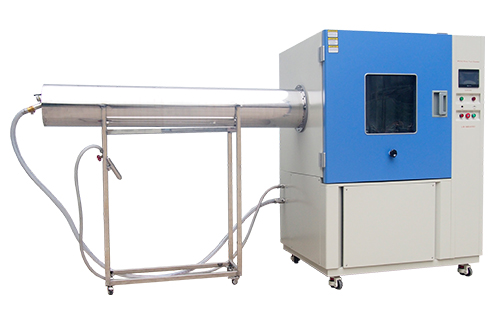
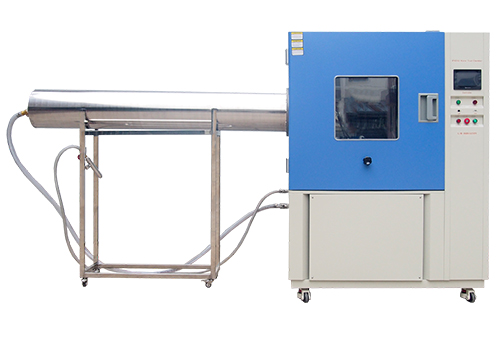
Standard automotive lighting typically requires IPX4 certification, verifying protection against water splashing from any direction. The water ingress test chamber employs oscillating spray tubes with precisely sized nozzles (φ0.4mm holes at 50mm spacing) that deliver controlled water volumes at specified pressures. The motorized turntable rotates test samples at 1 revolution per minute while spray tubes sweep through adjustable angles, ensuring complete coverage of all external surfaces and potential ingress points.
IPX6K Validation for High-Pressure Cleaning Scenarios
Premium vehicles and commercial truck lighting face powerful water jets during automated car washes and fleet cleaning operations. IPX6K testing simulates these extreme conditions using high-pressure spray nozzles delivering 100 liters per minute at 1000 kPa - forces capable of exploiting any sealing weakness. The chamber's variable frequency pump control maintains consistent pressure throughout extended test durations, while the digital flow measurement system verifies exact compliance with standard requirements.
Specialized Testing for Adaptive and Matrix LED Systems
Advanced lighting technologies incorporating movable reflectors, adjustable lens elements, and multiple LED zones present unique waterproofing challenges. Custom test fixtures developed by the chamber manufacturer accommodate active positioning systems, allowing water exposure during dynamic operation. Integrated electrical feedthroughs enable real-time monitoring of individual LED channel functionality, servo motor operation, and control module communications throughout the water spray sequence.
Table 1: Automotive Lighting IP Rating Requirements
|
Lighting Type |
Minimum IP Rating |
Test Duration |
Water Pressure |
Application Scenario |
|
Headlamps |
IPX4 |
10 minutes |
10 kPa |
Rain and splash resistance |
|
Tail Lights |
IPX4 |
10 minutes |
10 kPa |
General weather protection |
|
Fog Lamps |
IPX6 |
3 minutes |
100 kPa |
High-pressure wash exposure |
|
Underbody Lights |
IPX6K |
3 minutes |
1000 kPa |
Extreme splash and cleaning |
|
Daytime Running Lamps |
IPX5 |
3 minutes |
12.5 kPa |
Moderate pressure resistance |
How Do Chambers Simulate Rain, Splash, and High-Pressure Water?
Precision Spray Pattern Generation
The oscillating tube mechanism represents the core technology for simulating natural rainfall and directional splash. Manufactured from corrosion-resistant SUS304 stainless steel, these perforated tubes swing through programmable arcs (±45°, ±60°, ±90°, or ±180°) while delivering water through calibrated orifices. The 400mm to 600mm oscillating radius ensures uniform coverage across the test specimen, while adjustable swing speeds replicate varying rainfall intensities from light drizzle to tropical downpours.
Dynamic Pressure Control Systems
Maintaining consistent water pressure throughout test cycles requires sophisticated flow management. Water ingress test chamber's digital flow meter continuously monitors delivery rates, sending real-time feedback to the variable frequency pump controller. This closed-loop system compensates for pressure fluctuations caused by nozzle switching, turntable movement, or temperature variations in the 500-liter stainless steel reservoir. Precision within ±2% of target pressure ensures repeatable test conditions across multiple specimens and testing sessions.
Multi-Directional Exposure Capabilities
Vehicle lighting faces water intrusion threats from every angle - overhead rain, undercarriage splash, horizontal spray from adjacent traffic, and upward jets from puddle impacts. The chamber's synchronized turntable and spray tube movements recreate these diverse exposure vectors. Programmable test sequences can combine vertical drip testing (IPX1/IPX2), angled spray (IPX3), omnidirectional splash (IPX4), and directed jets (IPX5/IPX6) within single automated cycles, comprehensively validating all potential ingress pathways.
Automotive Standards for Lighting Waterproof Performance
IEC 60529 Ingress Protection Classification
The International Electrotechnical Commission's IEC 60529 standard establishes the globally recognized IP rating system that defines water resistance levels. The second digit in IP codes specifically addresses moisture protection, ranging from IPX0 (no protection) through IPX8 (continuous submersion). Automotive lighting manufacturers reference this standard when specifying component requirements, designing enclosures, and validating production samples against documented performance criteria that ensure cross-industry consistency.
ISO 20653 Road Vehicle Specific Requirements
While IEC 60529 provides general waterproofing guidelines, ISO 20653 addresses unique automotive environmental challenges. This standard introduces the IPX6K rating specifically for high-pressure, high-temperature water jets encountered in commercial vehicle washing systems. The specification also accounts for combined environmental stresses - simultaneous water exposure, temperature extremes, vibration, and chemical exposure from road salts - that distinguish automotive applications from consumer electronics or industrial equipment testing.
Regional Certification Requirements
Beyond international standards, regional authorities impose supplementary requirements. European ECE R48 regulations mandate specific lighting performance criteria including water resistance validation. North American markets reference SAE J575 standards for exterior lighting assemblies. Asian manufacturers must satisfy GB/T standards for Chinese market access. The programmable controller in advanced water ingress test chambers stores multiple test protocols, enabling rapid switching between regional requirements without hardware modifications or manual calibration adjustments.
Table 2: Water Ingress Test Chamber Technical Comparison
|
Specification |
Model RD-800C |
Model R-1200C |
Testing Capability |
|
Internal Dimensions |
900×950×950 mm |
1300×1350×1370 mm |
Accommodates headlamp assemblies up to 100kg |
|
Useful Volume |
810 liters |
2400 liters |
Extended testing without water refills |
|
Drip Tray Size |
600×600 mm |
1000×1000 mm |
Captures water from larger assemblies |
|
Oscillating Radius |
400 mm |
600 mm |
Uniform coverage for varying specimen sizes |
|
IP Rating Capability |
IPX1-IPX6K |
IPX1-IPX6K |
Complete automotive lighting validation |
|
Turntable Load Capacity |
100 kg |
100 kg |
Supports full headlamp assemblies with mounting brackets |
Evaluating Sealing Integrity and Long-Term Reliability
Visual Inspection During Active Testing
The water ingress test chamber's large transparent observation windows with integrated wiping systems enable continuous monitoring throughout water exposure sequences. Engineers watch for telltale signs of seal failure - water droplet formation on interior lamp surfaces, moisture accumulation around connector areas, or fluid penetration through vent assemblies. Interior LED lighting provides clear visibility even during high-volume spray conditions, allowing immediate test termination when critical failures occur, protecting expensive test specimens from catastrophic water damage.
Powered Operation Under Water Exposure
Unlike passive waterproofing tests, automotive lighting requires functional validation during moisture exposure. Waterproof electrical feedthroughs in the chamber walls connect test specimens to power supplies and diagnostic equipment outside the spray zone. This capability allows engineers to monitor electrical parameters - voltage drop, current leakage, insulation resistance, and signal integrity - throughout the water ingress sequence. Progressive degradation in electrical performance often precedes visible water intrusion, providing early warning of marginal sealing designs.
Accelerated Aging Through Cyclic Testing
Long-term reliability prediction requires more than single-pass spray testing. The programmable touchscreen controller automates repetitive test cycles combining water exposure, drying intervals, and thermal cycling to simulate years of environmental stress. Material scientists program sequences that replicate seasonal temperature swings, daily heating from lamp operation, and intermittent rainfall patterns. This accelerated aging methodology reveals gasket compression set, seal adhesive degradation, and coating delamination that only appears after extended service - problems impossible to detect through brief qualification tests.
Table 3: Failure Detection Methods in Water Ingress Testing
|
Detection Method |
Measurement Technique |
Failure Indicators |
Sensitivity Level |
|
Visual Inspection |
Direct observation through viewing window |
Visible water droplets, fogging, pooling |
Moderate - detects gross failures |
|
Electrical Monitoring |
Insulation resistance measurement |
Resistance drop below 10 MΩ threshold |
High - detects minor seal degradation |
|
Pressure Decay Testing |
Internal pressure monitoring |
Pressure loss exceeding 5% over test period |
Very High - reveals microscopic leaks |
|
Dye Penetrant Analysis |
UV-reactive tracer in test water |
Fluorescent patterns showing ingress pathways |
Extreme - maps exact leak locations |
|
Humidity Sensing |
Internal RH probes within lamp housing |
Relative humidity increase above ambient |
High - quantifies moisture intrusion rate |
LIB Industry Water Ingress Chambers for Reliable Automotive Lighting Waterproof Testing
|
|
  |
Customized Solutions for Automotive Manufacturing
LIB Industry has delivered environmental testing solutions to automotive leaders including Mercedes-Benz and BYD since 2009, developing deep expertise in lighting validation requirements. The engineering team designs custom test fixtures that accommodate unique headlamp geometries, from compact sedan lamps to massive truck lighting assemblies. Specialized mounting systems maintain proper installation angles, simulate vehicle body panel interfaces, and provide realistic wire harness routing - details critical for exposing actual field failure modes rather than artificial laboratory conditions.
Integrated Quality and Certification
All LIB water ingress test chambers meet ISO 9001 quality standards with CE certification and third-party validation from SGS and TUV. This documented compliance streamlines customer qualification processes and provides audit trail documentation for regulatory submissions. The comprehensive 3-year warranty with lifetime service support protects capital equipment investments, while global service networks across 60+ countries ensure minimal downtime when calibration or maintenance becomes necessary.
Advanced Data Management Capabilities
Modern automotive development requires detailed test documentation for design validation, production qualification, and regulatory certification. The chamber's programmable color LCD touchscreen controller with Ethernet connectivity integrates seamlessly with laboratory information management systems (LIMS). Automated data logging captures water pressure, flow rates, test duration, specimen identification, and pass/fail results for every test cycle. This digital documentation eliminates manual record-keeping errors while providing searchable databases for trend analysis and continuous improvement initiatives.
Sustainable Water Management
The built-in circulation system with multi-stage filtration enables extended testing campaigns without external water connections or excessive resource consumption. The closed-loop design filters and recirculates test water, removing particulate contamination that could clog precision spray nozzles while conserving water resources. Automatic level monitoring maintains consistent reservoir volumes, preventing test interruptions and ensuring pressure stability. This environmental responsibility aligns with automotive industry sustainability goals while reducing operational costs compared to single-pass water systems.
Conclusion
Comprehensive water ingress testing stands as non-negotiable validation for automotive lighting systems facing increasingly demanding environmental challenges. Advanced test chambers from experienced manufacturers combine precise spray pattern generation, programmable exposure sequences, and real-time monitoring capabilities that reveal sealing vulnerabilities before production. By systematically validating designs against international standards while accommodating custom testing requirements, these specialized systems protect automotive brands from warranty expenses and safety concerns while accelerating certification processes across global markets.
FAQ
What IP rating do automotive headlamps typically require?
Most automotive headlamps require minimum IPX4 certification for standard vehicles, providing protection against water splashing from all directions. Premium vehicles and specialized applications like off-road lighting may require IPX6 or IPX6K ratings to withstand high-pressure water jets from automated washing systems and extreme splash conditions.
How long does a complete water ingress test cycle take?
Standard IPX4 testing for automotive lighting requires 10 minutes of continuous spray exposure from multiple angles. Complete validation including setup, testing, inspection, and documentation typically spans 30-45 minutes per specimen. Accelerated aging protocols with multiple exposure cycles can extend testing to several hours or days depending on reliability requirements.
Can water ingress chambers test lighting assemblies while powered on?
Yes, specialized waterproof electrical feedthroughs allow powered operation throughout water exposure sequences. This capability enables real-time monitoring of electrical performance, LED functionality, and control module communications during spray testing - critical for detecting electrical failures that occur specifically under wet conditions rather than simply measuring physical water intrusion.
Partner with LIB Industry - your trusted water ingress test chamber manufacturer and supplier - for turnkey automotive lighting validation solutions. Contact our technical team at ellen@lib-industry.com to discuss customized testing systems engineered specifically for your headlamp and signal light waterproofing requirements.


