Why Salt Fog Testing Is Essential for Metal Surface Treatments?
Salt fog testing is essential for metal surface treatments because it replicates the aggressive corrosive conditions that coated metals encounter during real-world service - compressed into a manageable laboratory timeframe. Surface treatments like electroplating, anodizing, powder coating, and chemical conversion coatings are only as reliable as their capacity to resist salt-laden moisture, humidity, and temperature fluctuations over extended periods. A salt fog test machine accelerates this evaluation by exposing treated specimens to controlled saline mist, revealing coating weaknesses, adhesion failures, and porosity issues within hours rather than years of outdoor exposure. This process enables manufacturers to verify that protective finishes meet international standards such as ASTM B117 and ISO 9227, safeguarding product durability, regulatory compliance, and customer confidence.
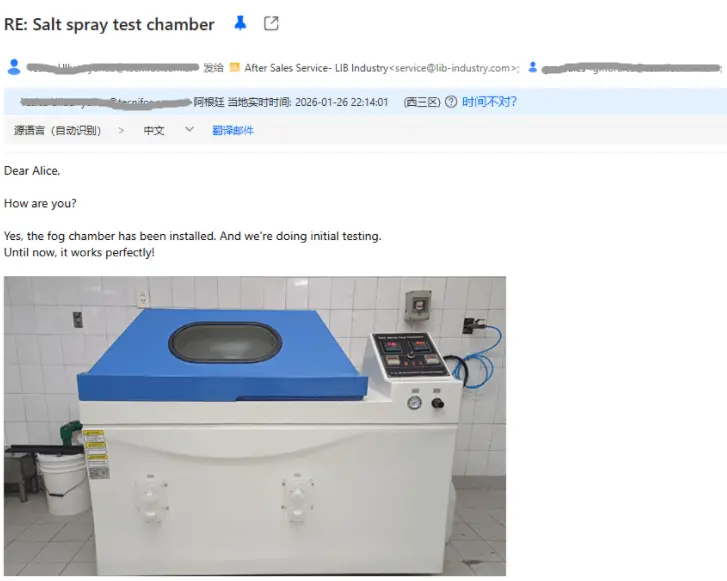
A paint coating manufacturer in Argentina shared their experience with the LIB industry S-150 salt fog test machine: “Dear Alice, how are you? Yes, the fog chamber has been installed. We are running initial tests. So far, it is working perfectly!” The team is currently evaluating the durability and corrosion resistance of their paint coatings under continuous salt fog exposure. They praised the chamber’s stable operation and precise environmental control, which allow them to monitor coating performance accurately over extended periods. Their feedback highlights the machine’s practical value in delivering consistent, real-world corrosion testing results and providing laboratories with confidence in daily testing routines.
How Surface Treatments Protect Metals from Corrosion?
The Role of Barrier Layers in Corrosion Prevention
Metal surface treatments create a physical or chemical barrier between the base metal and its surrounding environment. Coatings such as zinc plating, chromate conversion, and organic films isolate the metal substrate from moisture, oxygen, and chloride ions - the primary agents that trigger oxidation and pitting. The effectiveness of this barrier hinges on coating thickness, uniformity, and adhesion. Any discontinuity in the protective layer can become a nucleation point for accelerated corrosion, making thorough evaluation indispensable.
Electrochemical Protection Mechanisms
Beyond physical barriers, certain treatments provide cathodic or anodic protection. Galvanized steel, where zinc sacrificially corrodes to shield the underlying iron, exemplifies cathodic protection. Anodizing creates a dense oxide layer on aluminum that resists electrochemical attack. These mechanisms extend service life considerably, yet their performance varies with coating composition, environmental exposure, and substrate preparation. Quantifying this protection under controlled laboratory conditions remains a critical step before field deployment.
Why Even High-Quality Coatings Require Validation?
A coating that appears flawless visually may harbor micro-defects invisible to the naked eye. Pinholes, inclusions, or poor crosslink density in organic coatings can permit moisture ingress over time. Salt fog testing exposes these latent weaknesses by subjecting treated surfaces to a concentrated corrosive atmosphere, accelerating months or years of environmental exposure into days. Without this validation step, manufacturers risk premature product failures, warranty claims, and reputational damage.
Common Metal Finishing Methods for Corrosion Resistance
Electroplating and Galvanizing
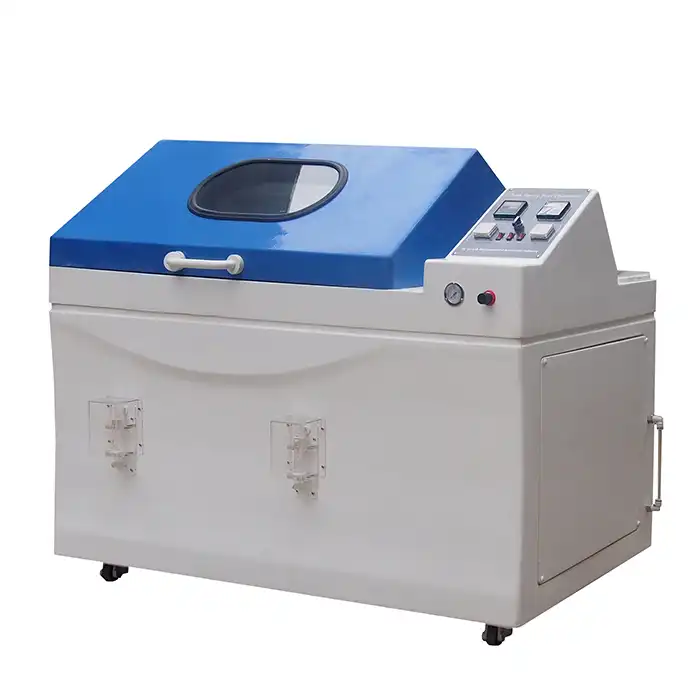
Electroplating deposits a thin metallic layer - commonly zinc, nickel, or chromium - onto a substrate through an electrolytic bath. Galvanizing immerses steel in molten zinc, forming a metallurgical bond. Both methods deliver robust corrosion protection, but coating uniformity and adhesion must be verified. A salt fog test machine subjects plated components to sustained saline mist, measuring the hours until red rust or white corrosion product appears, directly indicating coating integrity.
Anodizing and Conversion Coatings
Anodizing thickens the natural oxide layer on aluminum alloys through an electrolytic process, producing a hard, corrosion-resistant surface. Chromate and non-chromate conversion coatings form a thin chemical film on metals, offering moderate protection and paint adhesion enhancement. Each method generates a distinctly different microstructure, and their corrosion resistance varies significantly depending on process parameters and sealing quality.
Powder Coating and Organic Finishes
Powder coating applies a dry thermoplastic or thermoset polymer to a metal surface, cured under heat to form a continuous film. Liquid organic paints and e-coat processes similarly provide barrier protection. These finishes excel at preventing moisture penetration when applied uniformly, but edge coverage, film thickness variation, and cure completeness all influence long-term performance in corrosive atmospheres.
|
Finishing Method |
Typical Substrate |
Protection Mechanism |
Salt Fog Hours (Typical) |
|
Zinc Electroplating |
Steel |
Sacrificial + Barrier |
96-720 h |
|
Hot-Dip Galvanizing |
Steel |
Sacrificial + Barrier |
500-1500 h |
|
Anodizing (Type III) |
Aluminum |
Oxide Barrier |
336-1000 h |
|
Chromate Conversion |
Aluminum, Zinc |
Chemical Barrier |
24-168 h |
|
Powder Coating |
Steel, Aluminum |
Organic Barrier |
500-2000 h |
Salt Fog Test Machines for Evaluating Surface Treatment Performance
How Salt Spray Chambers Simulate Corrosive Environments?
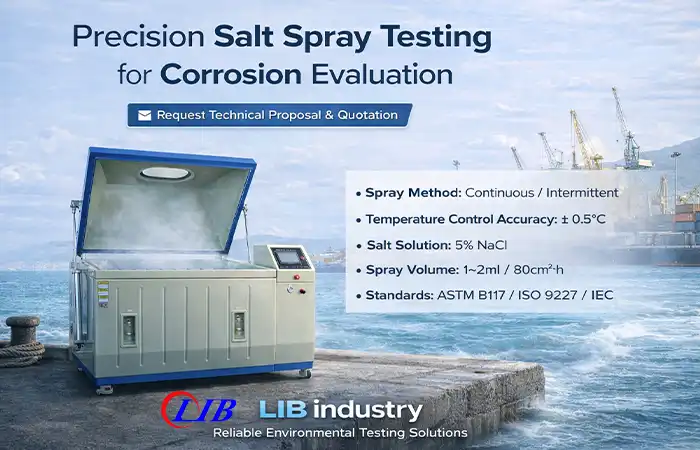
A salt fog machine generates a fine, sustained mist of sodium chloride solution (typically 5% NaCl) inside a sealed chamber maintained at elevated temperature and humidity. Test specimens are positioned at specified angles to maximize fog exposure. The chamber recreates the corrosive atmosphere found in coastal, marine, and industrial settings - but at an accelerated rate. This controlled approach enables engineers to quantify coating performance under reproducible conditions, eliminating the variability inherent in natural outdoor exposure.
Key Parameters: Temperature, Humidity, and Salt Concentration
Reliable corrosion testing demands tight control of environmental parameters. Chamber temperature is commonly held at 35°C ±2°C, while relative humidity stays above 95%. Salt fog deposition rates must fall within 1-2 ml per 80 cm² per hour to satisfy ASTM B117 requirements. Modern chambers from LIB Industry achieve temperature fluctuation as low as ±0.5°C with PID controllers and PT100 A-grade sensors, delivering the consistency needed for reproducible and comparable test results.
Standards Governing Salt Fog Testing
Multiple international standards prescribe salt fog test procedures. ASTM B117 is the most widely referenced method for continuous neutral salt spray testing. ISO 9227 covers neutral, acetic acid, and copper-accelerated salt spray variants. Automotive standards such as GM 4298P and Ford FLTM BI 103-01 impose sector-specific requirements. Adhering to these protocols ensures your test data carries global credibility and satisfies regulatory and customer audit expectations.
|
Standard |
Test Type |
Typical Duration |
Key Application |
|
ASTM B117 |
Neutral Salt Spray |
24-5000 h |
General corrosion resistance |
|
ISO 9227 NSS |
Neutral Salt Spray |
24-5000 h |
International standard |
|
ISO 9227 AASS |
Acetic Acid Salt Spray |
24-1000 h |
Decorative coatings |
|
ISO 9227 CASS |
Copper-Accelerated |
24-720 h |
Nickel-chrome plating |
|
ASTM G85 |
Modified Salt Spray |
Varies |
Cyclic corrosion testing |
Testing Electroplating, Anodizing, and Conversion Coatings
Evaluating Plating Adhesion and Thickness Uniformity
Salt fog exposure reveals weak adhesion between plated layers and the base metal. Areas where plating thickness falls below specification corrode fastest, producing visible rust spots or white corrosion deposits. By mapping corrosion initiation across a sample, technicians can pinpoint process deficiencies - whether in pre-treatment cleaning, bath chemistry, or current density distribution - and implement corrective measures before full-scale production.
Assessing Anodized Layer Integrity
Properly sealed anodized layers can resist hundreds of hours in a salt spray chamber without pitting. Unsealed or poorly sealed anodic films absorb chloride ions rapidly, leading to localized attack. Salt fog testing quantifies the effectiveness of sealing operations (hot water, nickel acetate, or mid-temperature sealing) by measuring time to pit formation and weight loss, providing a direct quality metric for anodizing process lines.
Comparing Conversion Coating Durability
Conversion coatings - both hexavalent and trivalent chromium, plus chromate-free alternatives - vary widely in corrosion protection. Salt fog test machines enable head-to-head comparison under identical conditions. Trivalent chromium coatings, driven by environmental regulations replacing hexavalent formulations, often require careful optimization to match legacy performance. Accelerated salt spray data guides formulation adjustments and validates that newer, compliant chemistries deliver adequate protection.
Detection of Coating Defects and Surface Degradation
Identifying Pinholes, Blisters, and Delamination
Salt fog testing amplifies the consequences of micro-defects that would otherwise take months to manifest. Pinholes in plating or porosity in organic coatings allow saline solution to reach the substrate, initiating corrosion beneath the film. Blisters form when corrosion products expand under the coating, and delamination follows as adhesion fails. Documenting these failure modes after prescribed test intervals provides actionable data for process improvement.
Measuring Corrosion Creep from Scribed Lines
Many test protocols require a deliberate scribe - a thin cut through the coating to bare metal - before salt fog exposure. After testing, corrosion creep from the scribe edge is measured to evaluate the coating's ability to resist undercutting. This metric is particularly relevant for automotive body panels and architectural cladding, where stone chips or scratches inevitably breach the coating during service.
Early-Stage Failure Analysis
Not every salt fog test runs to catastrophic failure. Periodic inspection at set intervals (24 h, 48 h, 96 h, and beyond) reveals the progression of corrosion and helps engineers determine performance thresholds. Photographic documentation coupled with digital data logging - available through advanced salt fog test machine controllers - creates a traceable quality record that supports root cause analysis and continuous improvement initiatives.
Ensuring Long-Term Protection of Treated Metal Components
Accelerated Aging vs. Real-World Performance Correlation
Accelerated salt spray hours do not translate linearly to outdoor service years. A part surviving 1000 hours of neutral salt spray does not guarantee equivalent marine exposure durability. Correlation requires supplementary tests - cyclic corrosion, UV exposure, thermal cycling - alongside field data. Salt fog testing provides a consistent baseline, while comprehensive validation programs combine multiple environmental stressors for a more realistic prediction of coating longevity.
Quality Control in Production Environments
Routine salt fog testing serves as a process monitoring tool on manufacturing lines. Batch samples pulled at regular intervals and subjected to salt spray reveal drift in plating thickness, bath contamination, or cure temperature anomalies before defective products reach customers. This proactive approach reduces scrap rates, minimizes warranty claims, and upholds the manufacturer's reputation for reliability.
Compliance with Automotive, Aerospace, and Marine Standards
Automotive OEMs, aerospace primes, and marine classification societies mandate salt fog testing as part of their material and component qualification programs. Meeting these requirements is non-negotiable for suppliers seeking contracts in these sectors. A well-documented salt spray test report, generated from calibrated equipment conforming to recognized standards, demonstrates due diligence and opens doors to high-value markets.
Precise Humidity & Temperature Control for Repeatable Results - LIB Industry
Advanced PID Control and PT100 Sensors
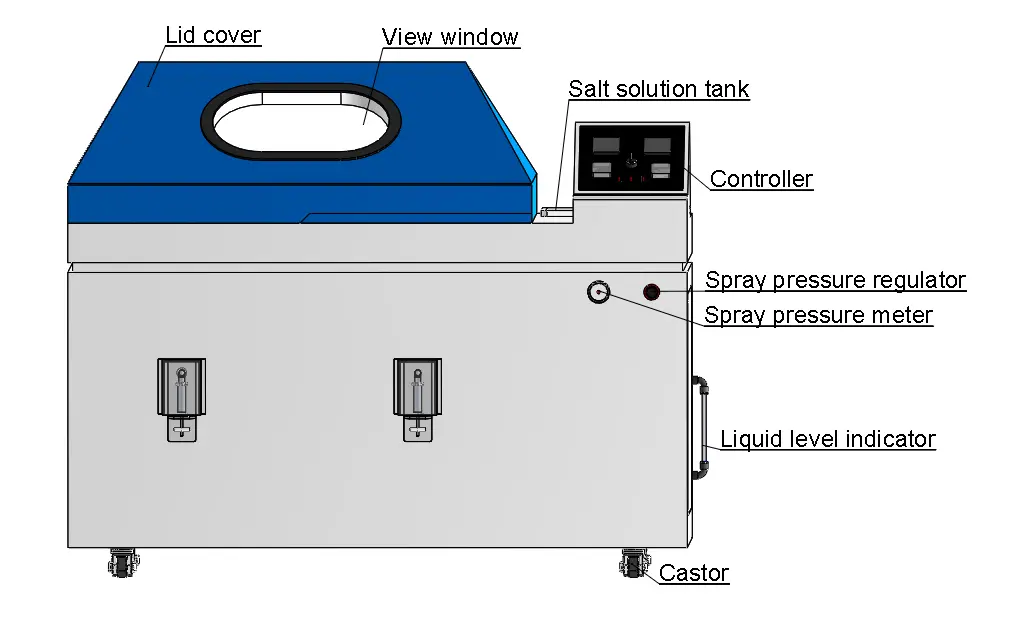
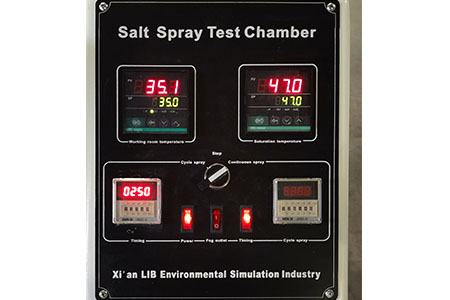
LIB Industry's salt fog test machines employ high-precision PID controllers paired with PT100 A-grade temperature sensors, maintaining chamber temperature at 35±2°C with fluctuations ≤±0.5°C during continuous operation. This level of control ensures that every test cycle replicates identical conditions, producing data that labs, auditors, and customers can trust. The intuitive touchscreen interface supports multi-stage programming and real-time data logging with USB export.
Spray Uniformity and Chamber Design
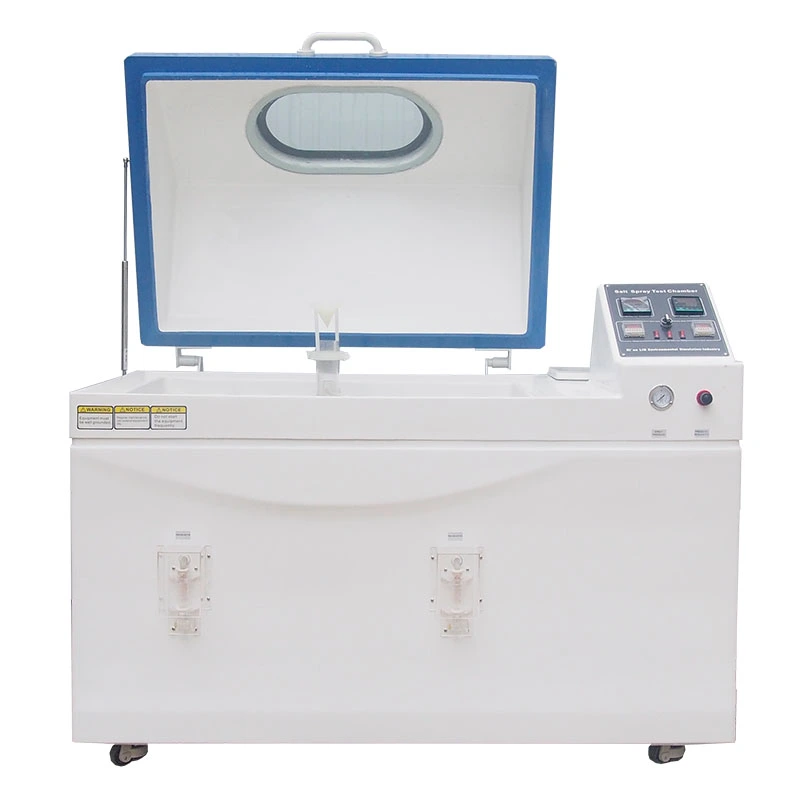
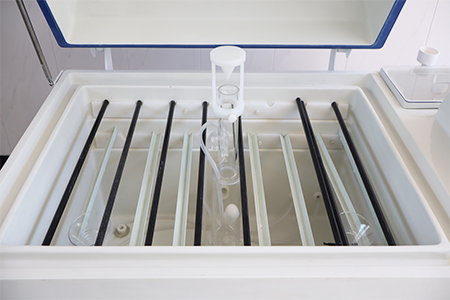
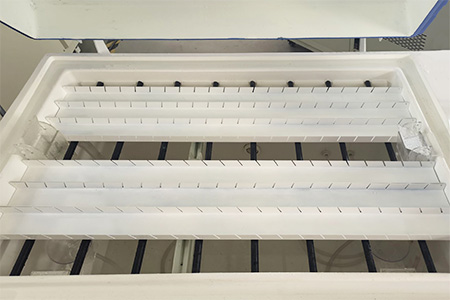
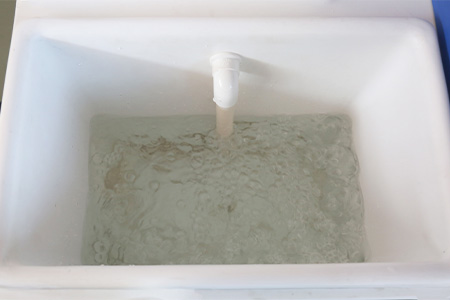
Uniform fog distribution is paramount. LIB Industry's spray system features an adjustable-height atomizer tower with precision quartz glass nozzles that resist crystallization and clogging. A dual-pressure regulation system governs air intake and spray pressure, guaranteeing even salt deposition (1-2 ml/80 cm² · h) across all specimen positions. The reinforced fiberglass body withstands corrosive attack, and seamless welding prevents salt solution leakage into electrical systems.
 |
 |
||
|
Model |
Internal Dimensions (mm) |
Interior Volume (L) |
Ideal For |
|
S-150 |
590 × 470 × 400 |
110 |
Small R&D samples |
|
S-250 |
1000 × 640 × 500 |
320 |
Component testing |
|
S-750 |
1100 × 750 × 500 |
410 |
Mid-size parts |
|
S-010 |
1000 × 1300 × 600 |
780 |
Production QC |
|
S-016 |
900 × 1600 × 720 |
1030 |
Large assemblies |
|
S-020 |
1000 × 2000 × 800 |
1600 |
Full-scale validation |
|
Durable, Leak-Resistant Workspace |
Flexible Sample Rack System |
|
Water-Sealed Lid Design |
Intelligent Controller |
|
Uniform Salt Solution Agitation |
Included Industrial-Grade Salt |
Customization and After-Sales Support
LIB Industry's engineering team adapts chamber specifications to match unique application demands - from non-standard interior dimensions to specialized rack configurations. Every unit ships with CE certification and undergoes third-party verification by SGS and TUV. A 3-year warranty with lifetime service coverage, 24/7 global support, and a brand-new replacement policy within warranty provide complete operational assurance.
Conclusion
Salt fog testing remains an indispensable tool for validating the corrosion resistance of metal surface treatments. From electroplating and anodizing to powder coating and conversion coatings, every protective finish benefits from accelerated salt spray evaluation. A reliable salt fog test machine delivers the controlled temperature, humidity, and salt deposition rates needed to produce repeatable, standards-compliant data. By integrating salt fog testing into your quality control workflow, you safeguard product durability, satisfy regulatory requirements, and build lasting trust with your customers.
FAQ
How long should a salt fog test last for electroplated parts?
Test duration depends on the plating material and applicable standard. Zinc-plated steel typically requires 96 to 720 hours of neutral salt spray per ASTM B117, while nickel-chromium finishes may follow CASS testing protocols of 24 to 720 hours.
Can a salt fog test machine simulate cyclic corrosion conditions?
Yes. Advanced salt fog test machines, including LIB Industry models, combine salt spray with controlled temperature and humidity cycling, replicating real-world wet-dry transitions and meeting standards like ASTM G85 for cyclic corrosion evaluation.
What maintenance does a salt fog test machine require?
Regular maintenance includes cleaning spray nozzles, verifying salt solution concentration, calibrating temperature and humidity sensors, and inspecting the chamber body for salt buildup. LIB Industry's quartz glass nozzles and fiberglass construction simplify upkeep considerably.
Ready to enhance your corrosion testing capabilities? LIB Industry is a professional salt fog test machine manufacturer and supplier, delivering turn-key environmental testing solutions worldwide. Contact us at ellen@lib-industry.com to discuss your specific testing requirements and receive a tailored recommendation.