JIS Z 2371 is the Japanese Industrial Standard governing salt spray testing procedures used to evaluate corrosion resistance of metallic materials, coatings, and surface treatments. This standard outlines three distinct test methods - Neutral Salt Spray (NSS), Acetic Acid Salt Spray (AASS), and Copper-Accelerated Acetic Acid Salt Spray (CASS) - each targeting different corrosion mechanisms and severity levels. A JIS Z 2371 salt spray test chamber recreates aggressive saline atmospheres under tightly controlled temperature, humidity, and fog deposition conditions, enabling laboratories to predict long-term material performance within compressed timeframes. Understanding this standard equips engineers and quality professionals with the knowledge needed to select proper test protocols, interpret results accurately, and make informed decisions about coating durability.
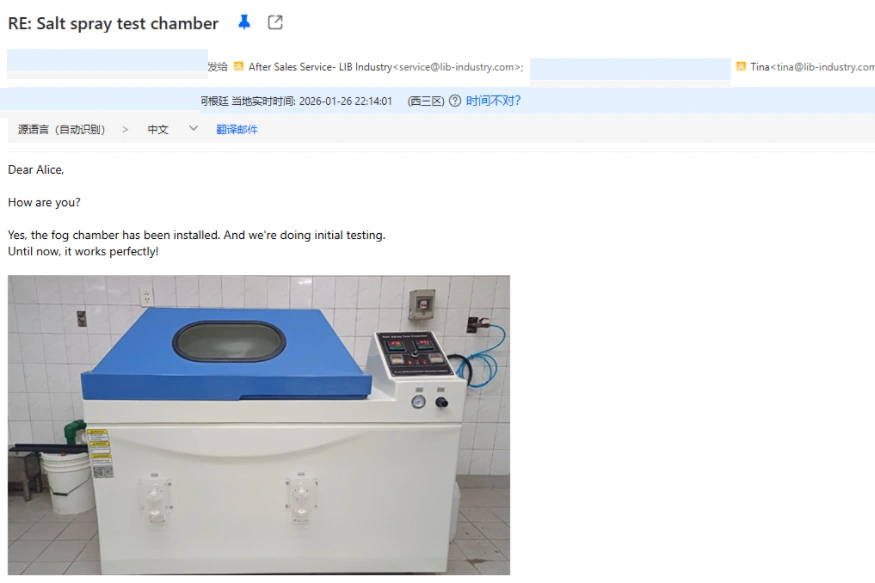
In Argentina, a team relied on the chamber to evaluate their paint coatings under real-world stress conditions. By exposing samples to controlled salt spray cycles, they were able to detect weak points early and fine-tune their formulations before moving to full-scale production. The precise control and stability of the chamber gave them confidence in the results, helping the team ensure both the durability and aesthetic quality of their coatings with greater efficiency.
What Does the JIS Z 2371 Standard Specify for Corrosion Testing?
Scope and Purpose of the Standard
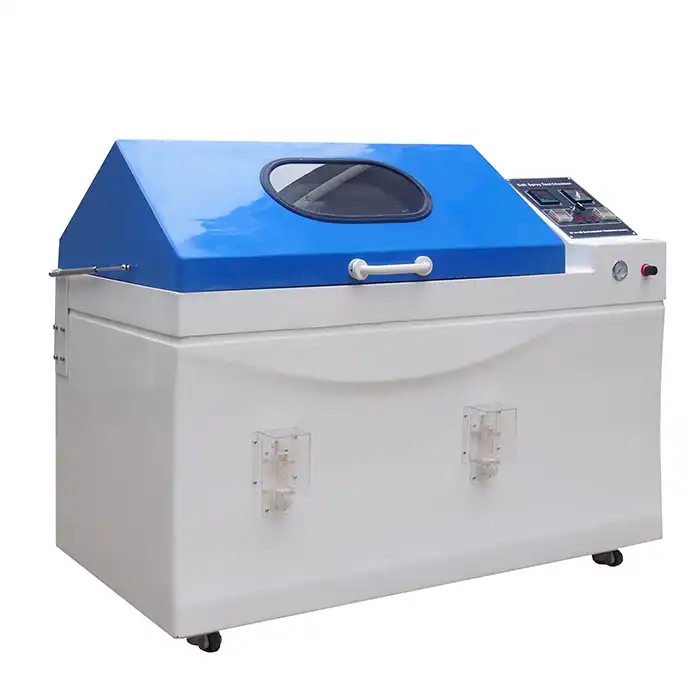
JIS Z 2371 defines apparatus requirements, operating procedures, and test conditions for salt spray corrosion testing. Its primary purpose is to provide a reproducible accelerated corrosion environment for comparing the relative corrosion resistance of materials and coatings. The standard applies to metals, alloys, metallic coatings, organic coatings, and conversion coatings used across automotive, electronics, and industrial manufacturing sectors.
Three Core Test Methods
The standard encompasses three distinct test types. NSS uses a neutral 5% sodium chloride solution at pH 6.5-7.2 for general corrosion screening. AASS acidifies the salt solution with glacial acetic acid to pH 3.1-3.3, creating a more aggressive environment. CASS adds copper chloride to the acidified solution, dramatically accelerating corrosion rates for evaluating decorative chromium plating and anodized aluminum.
Relationship to International Standards
JIS Z 2371 aligns closely with ISO 9227 and shares significant procedural overlap with ASTM B117. Laboratories operating under Japanese automotive OEM specifications frequently reference JIS Z 2371 as the governing document. Understanding these cross-references allows multinational testing facilities to harmonize protocols and satisfy compliance requirements across regions simultaneously.
Testing Parameters and Environmental Conditions in JIS Z 2371
|
Parameter |
NSS |
AASS |
CASS |
|
Chamber Temperature |
35 ± 2 °C |
35 ± 2 °C |
50 ± 2 °C |
|
Solution pH |
6.5-7.2 |
3.1-3.3 |
3.1-3.3 |
|
NaCl Concentration |
5 ± 1% |
5 ± 1% |
5 ± 1% |
|
Fog Deposition Rate |
1-2 ml/80 cm²·h |
1-2 ml/80 cm²·h |
1-2 ml/80 cm²·h |
|
Additive |
None |
Glacial acetic acid |
CuCl₂ + acetic acid |
|
|
|||
Temperature Control Precision
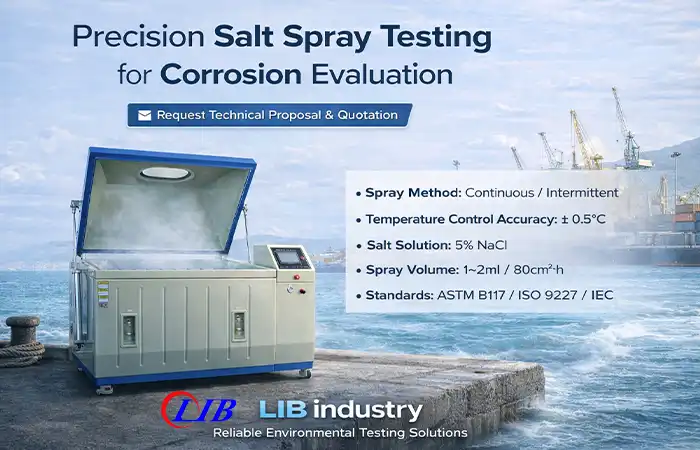
JIS Z 2371 mandates chamber temperatures of 35 ± 2 °C for NSS and AASS tests, and 50 ± 2 °C for CASS tests. Achieving this demands a dual temperature control system that isolates internal conditions from ambient fluctuations. A well-engineered JIS Z 2371 salt spray test chamber maintains temperature fluctuation within ±0.5 °C, surpassing the standard's minimum requirements and ensuring highly repeatable results.
Humidity and Fog Density Requirements
The standard specifies maintaining humidity at 95-98% RH within the exposure zone of a salt spray test machine. Fog deposition must fall between 1.0 and 2.0 ml per 80 cm² per hour, measured using funnel-type collectors positioned at defined locations. Consistent fog density across the entire test volume prevents localized over-exposure or under-exposure that would compromise data integrity.
Air Supply and Saturator Conditions
Compressed air passes through a saturator tower before reaching the spray nozzle, ensuring proper humidification and temperature conditioning. JIS Z 2371 requires the saturator to operate several degrees above the chamber temperature, preventing condensation within the nozzle assembly.
Sample Preparation and Placement Requirements
Surface Cleaning and Pre-Treatment Protocols
Specimens must be free from oil, grease, and particulate contaminants that could influence corrosion initiation. JIS Z 2371 recommends cleaning with appropriate organic solvents followed by thorough rinsing in deionized water. Edge protection using wax or tape isolates cut edges from the test, focusing evaluation exclusively on the coated or treated surface under examination.
Specimen Angle and Orientation
The standard prescribes positioning specimens at 15° to 25° from vertical, with the coated surface facing upward toward the descending fog. Pre-calibrated V-type and O-type holders maintain correct angles without manual adjustment. Proper orientation ensures salt solution flows naturally across the surface rather than pooling, which would create unrealistic corrosion patterns.
Spacing and Shadow Prevention
Adequate spacing between specimens prevents salt fog shadowing - a condition where one sample blocks fog from reaching adjacent pieces. JIS Z 2371 requires that specimens do not contact each other or the chamber walls, and that dripping from one specimen cannot fall onto another. Standard rack configurations with round bars and V-shaped grooves facilitate compliant positioning across varying sample geometries.
Salt Solution Composition and Spray Generation Methods
Preparing the Sodium Chloride Solution
The standard calls for dissolving analytical-grade sodium chloride in deionized or distilled water to achieve a 5 ± 1% concentration by mass. Water quality matters significantly - chlorine, heavy metals, or dissolved minerals alter corrosion kinetics and skew results. The collected solution pH at 25 °C must register between 6.5 and 7.2 for NSS, verified before each test run.
Atomization and Nozzle Design
Spray generation relies on atomizer towers and precision nozzles that break the salt solution into a fine, uniform mist. Nozzles resistant to high temperatures, corrosion, and crystallization-induced clogging are essential for uninterrupted long-duration tests. The atomized droplets must remain airborne long enough to distribute evenly, settling onto specimens at the prescribed deposition rate.
Brine Supply and Replenishment Systems
Extended tests lasting hundreds or thousands of hours in a salt fog test chamber demand reliable salt solution replenishment. Built-in salt solution tanks paired with external reservoirs and brine mixing systems keep the solution concentration stable throughout the entire test cycle. Automatic water refill mechanisms prevent dry-running damage and alert operators when levels drop beneath safety thresholds.
Evaluation Criteria for Corrosion Resistance Performance
|
Assessment Method |
What It Measures |
Typical Application |
|
Time to first corrosion |
Hours until visible rust or white rust appears |
Zinc coatings, fasteners |
|
Scribe creep measurement |
Corrosion spread from intentional scratch (mm) |
Painted panels, e-coat |
|
Blister rating (ASTM D714) |
Size and density of coating blisters |
Organic coatings |
|
Percentage of corroded area |
Surface fraction showing corrosion products |
Plated components |
Visual Inspection and Rating Scales
Evaluators examine specimens at prescribed intervals for rust, blisters, and coating delamination. Rating scales - often aligned with ISO 10289 or ASTM D714 - assign numerical grades based on the severity and distribution of corrosion products. Photographic documentation at each inspection interval builds a time-dependent degradation record that supports comparative analysis between coating systems.
Scribe Creep and Adhesion Assessment
Many automotive and industrial specifications require scribing the coating to bare metal before exposure. After testing, evaluators measure the width of corrosion creep extending from the scribe line. This metric directly gauges how effectively a coating system limits undercutting and cathodic delamination once the barrier layer has been physically breached.
Interpreting Results and Reporting
JIS Z 2371 emphasizes that salt spray test results reflect relative performance rather than absolute field-life predictions. Reports should document test method, duration, solution pH, deposition rate, and chamber temperature alongside specimen descriptions and photographic evidence. Comprehensive reporting enables stakeholders to compare material performance with confidence and full traceability.
Applications of JIS Z 2371 Testing in Industrial Quality Assurance
Automotive Component Validation
Japanese automotive OEMs rely on JIS Z 2371 to qualify coatings on body panels, chassis parts, and engine components. The standard's NSS, AASS, and CASS methods address different coating types - from electrocoat primers to decorative chrome trim. Passing specified test durations is a prerequisite for supplier approval within these rigorous supply chains.
Electronics and Hardware Protection
Connectors, enclosures, and heat sinks exposed to humid or coastal environments undergo salt spray evaluation per JIS Z 2371. Corrosion on electrical contacts causes resistance increases and intermittent failures. Testing validates plating thickness and passivation quality on tin, nickel, and gold finishes critical to electronic device reliability.
Incoming Material Inspection and Supplier Qualification
Quality assurance teams deploy JIS Z 2371 testing as a gatekeeper for incoming raw materials and semi-finished parts. Batch-level salt spray screening detects coating inconsistencies before defective materials enter production lines. This practice reduces rework, minimizes scrap, and strengthens supplier accountability through data-backed acceptance criteria.
Simplified Operation with LIB Industry's Intelligent Control Systems
Programmable Multi-Stage Testing
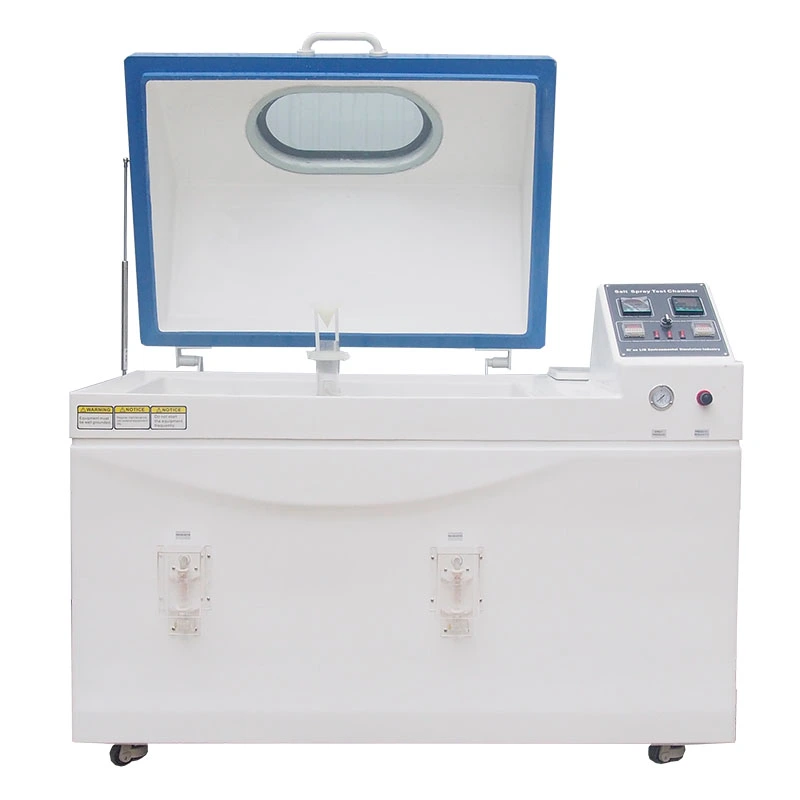
LIB Industry's JIS Z 2371 salt spray test chamber features a controller supporting 120 programs with 100 steps each. You can schedule continuous NSS exposure, periodic spray-dry cycles, or multi-method sequences that transition between NSS, AASS, and CASS protocols - all within a single automated run. Real-time data recording captures temperature, spray duration, and settlement metrics for audit-ready documentation.
Structural Durability for Extended Campaigns
The interior FRP (fiberglass reinforced plastic) construction withstands persistent exposure to 5% NaCl solutions under elevated temperature and humidity. A modified V-shaped transparent lid prevents condensation from dripping onto specimens, maintaining test validity throughout cycles spanning hundreds or thousands of hours while reducing maintenance frequency.
Flexible Chamber Sizing and Customization
|
|
 |
|
|
Model |
Internal Dimensions (mm) |
Volume (L) |
|
S-150 |
590 × 470 × 400 |
110 |
|
S-250 |
1000 × 640 × 500 |
320 |
|
S-750 |
1100 × 750 × 500 |
410 |
|
S-010 |
1000 × 1300 × 600 |
780 |
|
S-016 |
900 × 1600 × 720 |
1,030 |
|
S-020 |
1000 × 2000 × 800 |
1,600 |
|
Durable, Leak-Resistant Workspace |
Flexible Sample Rack System |
|
Water-Sealed Lid Design |
Intelligent Controller |
|
Uniform Salt Solution Agitation |
Included Industrial-Grade Salt |
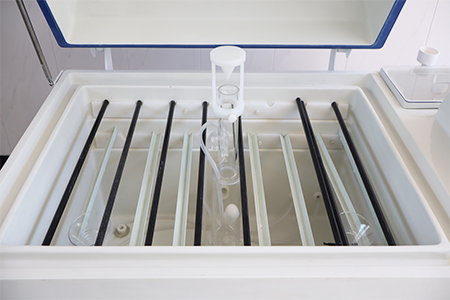
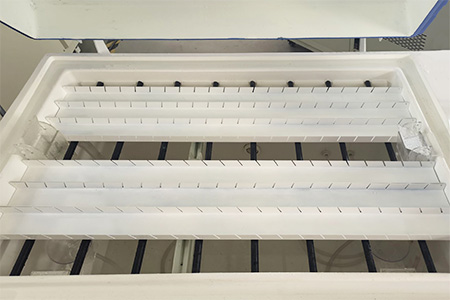
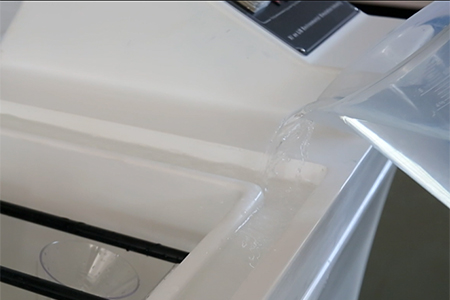
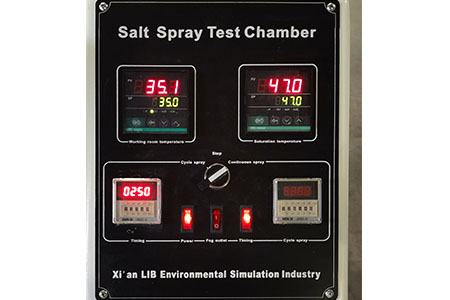
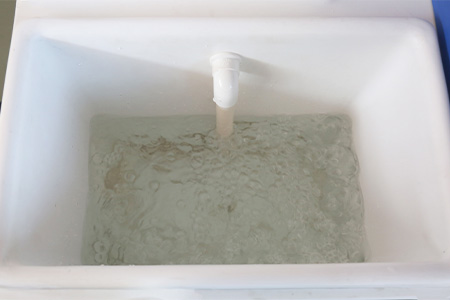
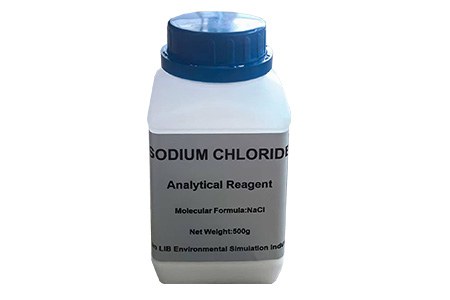
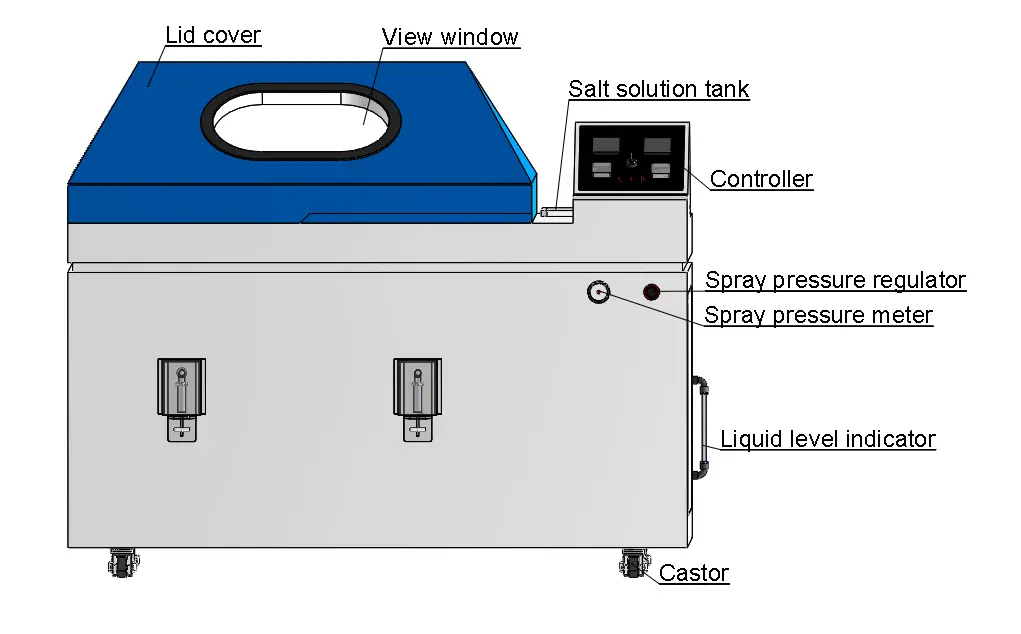
Six standard models span 110 L to 1,600 L, accommodating everything from small R&D coupon evaluations to full-scale production part testing. LIB Industry's engineering team also delivers non-standard designs and custom configurations tailored to your specific specimen dimensions, throughput requirements, and unique industry applications.
Conclusion
JIS Z 2371 provides a rigorous, well-defined framework for accelerated corrosion evaluation through salt spray testing. Its three test methods - NSS, AASS, and CASS - address a broad spectrum of materials, coatings, and corrosion severity levels. Mastering the standard's requirements for solution preparation, chamber conditions, specimen positioning, and result evaluation ensures that laboratories produce reliable, repeatable data. A properly engineered JIS Z 2371 salt spray test chamber translates these requirements into practical testing capability, enabling quality teams to validate coating durability, qualify suppliers, and safeguard product performance across automotive, electronics, and industrial sectors worldwide.
FAQ
What are the three test methods defined by JIS Z 2371?
JIS Z 2371 specifies Neutral Salt Spray (NSS), Acetic Acid Salt Spray (AASS), and Copper-Accelerated Acetic Acid Salt Spray (CASS), each targeting different corrosion severity levels and coating types.
What chamber temperature does JIS Z 2371 require for CASS testing?
CASS testing requires a chamber temperature of 50 ± 2 °C, notably higher than the 35 ± 2 °C specified for both NSS and AASS methods under the same standard.
How is fog deposition rate measured in a JIS Z 2371 salt spray test chamber?
Funnel-type collectors placed inside the chamber capture settling fog. The collected volume must measure 1.0-2.0 ml per 80 cm² per hour to comply with the standard.
Looking for a reliable JIS Z 2371 salt spray test chamber? LIB Industry is a professional environmental test chamber manufacturer, supplier, and factory delivering turnkey corrosion testing solutions to clients globally. Contact us at ellen@lib-industry.com to discuss specifications, customization options, and project requirements.