Salt Spray Testing for Offshore and Oil & Gas Components
Offshore and oil & gas components face relentless exposure to marine atmospheres laden with chloride ions, creating accelerated corrosion conditions that threaten structural integrity and operational safety. Salt spray test equipment provides controlled simulation of these hostile environments, enabling engineers to validate coating performance and material selection before deployment. This laboratory testing methodology accelerates natural corrosion processes, delivering predictive data within weeks rather than years of field exposure. Comprehensive evaluation through standardized salt fog protocols ensures critical infrastructure components withstand decades of service in marine installations, preventing catastrophic failures and reducing lifecycle maintenance costs across petroleum production facilities.
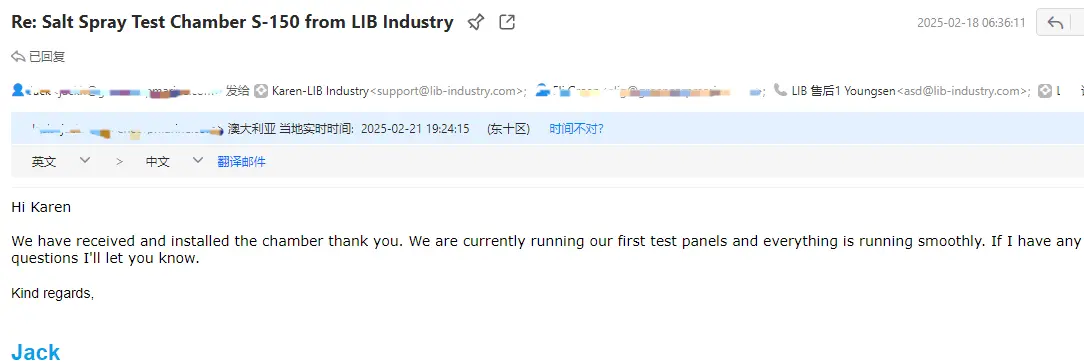
An Australian coatings manufacturer recently integrated a salt spray corrosion test system into its marine coating validation process. After installation, the team immediately began testing offshore and coastal coating panels, reporting: “The salt spray chamber has been installed, and our first test runs are operating smoothly.”
During initial use, the system provided stable salt fog distribution and consistent environmental conditions, enabling reliable simulation of harsh marine exposure. Engineers quickly observed coating performance under continuous salt attack, including blister resistance and edge protection.The smooth startup and stable operation gave the team confidence to proceed with longer test cycles and comparative evaluations of different formulations. This case highlights how a well-designed salt spray system can be quickly integrated into production workflows, improving validation efficiency and ensuring repeatable results.
What Makes Offshore Environments Highly Corrosive?
Marine Atmospheric Chemistry and Chloride Attack
Oceanic environments generate aerosols containing sodium chloride concentrations ranging from 30-50 mg/m² daily in coastal zones, with splash zones experiencing exponentially higher deposition rates. These chloride ions penetrate protective oxide layers on metal surfaces, initiating electrochemical reactions that accelerate material degradation. Wind-driven spray carries saline particles kilometers inland from shorelines, affecting equipment far beyond immediate waterfront locations. Temperature fluctuations between day and night cycles create condensation that sustains electrolytic conditions necessary for continuous corrosion progression.
Synergistic Degradation from Multiple Stressors
Offshore platforms simultaneously endure ultraviolet radiation, mechanical vibration, thermal cycling, and biological fouling alongside chloride exposure. This combination produces synergistic deterioration effects where multiple mechanisms interact, exceeding damage predictions based on individual stressor analysis. Wave impact zones experience cavitation erosion that removes protective coatings, exposing fresh metal surfaces to immediate salt attack. Hydrogen sulfide from petroleum processing creates additional corrosive species that compound marine atmosphere aggression.
Temperature and Humidity Amplification Effects
Tropical offshore installations maintain surface temperatures between 35-50°C with relative humidity consistently above 85%, conditions that dramatically accelerate electrochemical corrosion kinetics. Warm saline solutions exhibit lower electrical resistance, facilitating rapid ion transport between anodic and cathodic sites on metal surfaces. Evaporation cycles concentrate chloride deposits, creating localized high-salinity zones with corrosion rates orders of magnitude greater than bulk atmospheric conditions. Night cooling produces dew point condensation that reactivates dried salt crystals, sustaining continuous wet-dry cycling.
Corrosion Challenges in Oil & Gas Infrastructure
Structural Steel Degradation Mechanisms
Production platforms contain thousands of tons of structural steel supporting processing equipment, living quarters, and drilling apparatus. Carbon steel components without adequate protection suffer section loss rates exceeding 0.5mm annually in marine atmospheres, compromising load-bearing capacity within 10-15 years. Pitting corrosion creates localized penetration points that propagate through welded joints and stress concentration zones, initiating fatigue crack formation under cyclic loading conditions. Crevice corrosion develops within flanged connections and under insulation layers, escaping visual inspection while advancing unchecked.
Fastener and Connection Point Vulnerabilities
Bolted assemblies throughout offshore facilities utilize high-strength alloy steel fasteners susceptible to stress corrosion cracking when exposed to chloride environments under tensile loading. Galvanic couples between dissimilar metals in electrical contact - stainless steel fasteners securing aluminum components - accelerate localized attack at interfaces. Thread engagement zones trap saline solutions, creating persistent electrolyte reservoirs that maintain active corrosion even during dry periods. Hydrogen embrittlement from cathodic protection systems occasionally produces brittle fracture in ultra-high-strength fastener grades.
Pipeline and Valve Component Failures
Subsea pipelines transporting corrosive process fluids encounter both internal and external corrosion threats requiring multi-layer protection strategies. External coatings damaged during installation or anchor strikes expose bare steel to immediate marine attack. Valve internals handling sour gas streams experience sulfide stress cracking alongside chloride pitting from residual seawater contamination. Actuator housings and pneumatic control systems deteriorate when moisture ingress combines with salt deposits, causing operational failures that halt production.
|
Component Type |
Primary Corrosion Mode |
Typical Service Life (Unprotected) |
Critical Failure Mechanism |
|
Structural Steel |
Uniform/Pitting Corrosion |
8-12 years |
Section loss and fatigue cracking |
|
High-Strength Fasteners |
Stress Corrosion Cracking |
5-7 years |
Brittle fracture under load |
|
Carbon Steel Piping |
Localized Pitting |
10-15 years |
Through-wall penetration |
|
Valve Components |
Crevice Corrosion |
6-10 years |
Sealing surface degradation |
Salt Spray Testing for Heavy-Duty Industrial Components
Accelerated Corrosion Simulation Principles
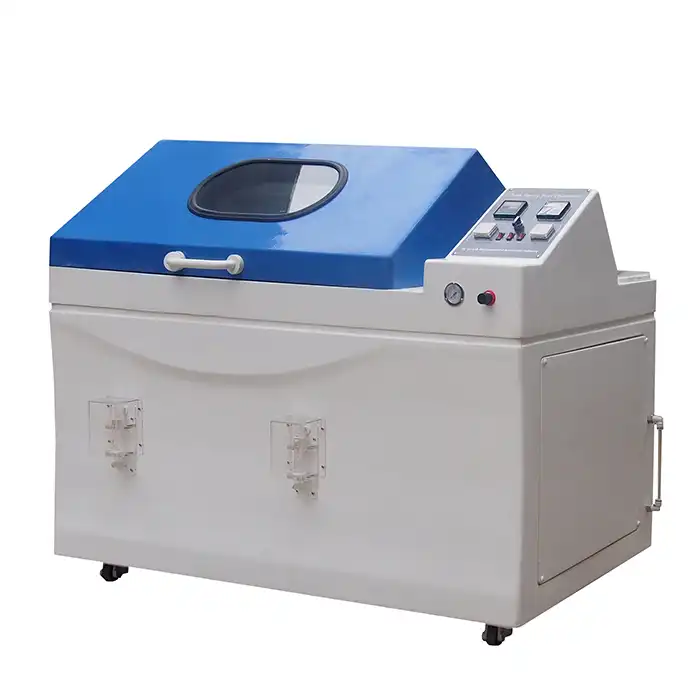
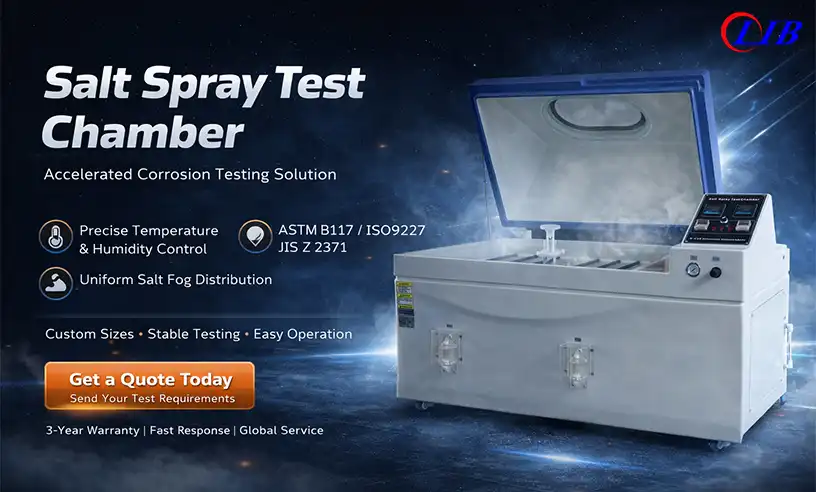
Salt spray chamber recreates marine exposure through atomized sodium chloride solution maintained at controlled temperature and concentration parameters. Standard neutral salt spray (NSS) testing per ASTM B117 utilizes 5% NaCl solution at 35°C, producing fog deposition rates of 1-2ml per 80cm² hourly. This accelerated exposure condenses years of atmospheric corrosion into weeks of continuous testing, enabling rapid material qualification and coating validation. The LIB system precisely controls temperature deviation within ±2.0°C and maintains humidity between 95-98% RH, ensuring reproducible test conditions.
Cyclic Corrosion Testing for Realistic Simulation
Modern offshore components undergo wet-dry cycling as tidal action, wave spray, and precipitation alternate with evaporation periods. Cyclic corrosion chambers programmed for alternating salt spray, ambient drying, and humidity exposure stages better replicate field conditions than continuous fog immersion. These sophisticated protocols incorporate SO₂ gas exposure simulating industrial pollution effects and UV radiation cycles addressing photodegradation of organic coatings. Programmable test sequences match specific geographic deployment environments, from North Sea installations to Gulf of Mexico platforms.
Sample Preparation and Fixture Considerations
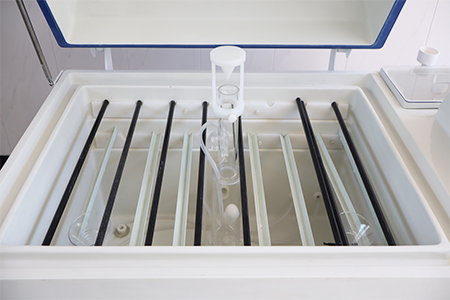
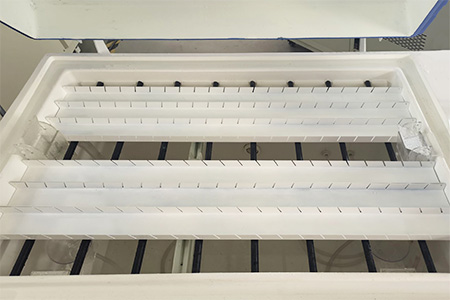
Proper specimen mounting within test chambers critically affects result validity and reproducibility. V-shaped sample holders position flat panels at standardized angles ensuring uniform fog exposure without solution pooling or drainage interference. Round bar fixtures accommodate cylindrical components like pipe sections and fasteners, maintaining orientation that prevents differential exposure artifacts. Glass fiber reinforced plastic chamber construction eliminates metallic contamination concerns while withstanding decades of continuous salt fog exposure without degradation.
Protective Coating Systems for Offshore Applications
Multi-Layer Coating Architecture
High-performance offshore protection systems employ three-coat architectures totaling 300-500 micrometers dry film thickness. Zinc-rich epoxy primers provide sacrificial galvanic protection and excellent adhesion to abrasive-blasted steel substrates. Intermediate epoxy barrier coats deliver chemical resistance and moisture exclusion while building total system thickness. Polyurethane topcoats resist ultraviolet degradation and provide aesthetic durability, maintaining gloss and color retention throughout extended service intervals.
Thermal Spray Metallic Coatings
Arc-sprayed aluminum and zinc coatings create metallurgically bonded layers 150-300 micrometers thick that function as sacrificial anodes protecting underlying steel. These coatings withstand mechanical abuse during installation and service while providing self-healing characteristics when minor damage occurs. Thermal spray application achieves coating adhesion strengths exceeding 10 MPa, preventing delamination under thermal cycling and impact loading. Subsequent sealing with epoxy or silicone compounds fills porosity, enhancing barrier properties while maintaining sacrificial protection mechanisms.
Coating Performance Validation Protocols
Salt spray test equipment evaluates coating systems through standardized exposure durations ranging from 500 hours for general industrial applications to 6000+ hours for critical offshore components. Assessment criteria include blister formation, rust creep from scribe marks, and adhesion degradation measured through pull-off testing. The LIB chamber incorporates automated salt water filtration and one-touch fog removal capabilities, streamlining testing workflows while maintaining contamination-free conditions. Real-time pressure and temperature monitoring ensures compliance with specification requirements throughout extended test campaigns.
|
Coating System Type |
Typical DFT (μm) |
Salt Spray Performance |
Application Method |
|
Zinc-Rich Epoxy + Polyurethane |
250-350 |
2000-3000 hours to failure |
Airless spray |
|
Thermal Spray Aluminum + Sealer |
200-400 |
3000-5000 hours to failure |
Arc spray + coating |
|
Three-Coat Epoxy System |
300-500 |
4000-6000 hours to failure |
Plural component spray |
|
Fluoropolymer Topcoat System |
400-600 |
6000+ hours to failure |
Electrostatic application |
Industry Standards for Corrosion Testing Compliance
ASTM International Testing Protocols
ASTM B117 establishes the foundational neutral salt spray test methodology adopted globally for general corrosion resistance evaluation. This specification defines salt spray test chamber construction requirements, solution preparation procedures, and exposure conditions ensuring inter-laboratory reproducibility. ASTM G85 encompasses modified salt spray variations including acidified solutions, SO₂ injection, and cyclic exposure regimes addressing specific corrosion mechanisms. Equipment conforming to these standards employs precision quartz glass nozzles preventing clogging and crystallization while delivering uniform mist distribution.
NORSOK and ISO Marine Environment Standards
NORSOK M-501 specifies protective coating systems for offshore steel structures, mandating salt spray performance thresholds and application quality requirements. This Norwegian petroleum industry standard demands 4320-hour continuous exposure without coating failure for critical structural elements. ISO 12944 classification system categorizes atmospheric corrosivity levels from C1 (negligible) to CX (extreme), with offshore installations typically rated C5-M (marine high corrosivity) requiring premium coating specifications validated through extended salt fog testing.
API and NACE Material Selection Guidelines
American Petroleum Institute specifications address material selection and corrosion control for oil and gas production equipment. API RP 571 catalogs damage mechanisms including chloride stress corrosion cracking and provides inspection guidance for detecting early degradation. NACE International standards define sour service environments and hydrogen sulfide exposure limits, requiring supplemental laboratory testing beyond standard salt spray protocols. Compliance documentation from certified salt spray test equipment manufacturers supports material qualification submissions to regulatory authorities.
Certification and Quality Assurance Requirements
Salt spray test equipment utilized for compliance testing undergoes rigorous calibration and performance verification. ISO 9001 quality management certification ensures consistent manufacturing processes and component traceability. SGS and TUV third-party testing validates chamber performance against published specifications before customer delivery. CE certification confirms electrical safety and electromagnetic compatibility for global deployment. The LIB system integrates OMRON relays, Schneider contactors, and RKC temperature controllers - premium components with established reliability records facilitating maintenance and spare parts procurement.
Extending Equipment Lifespan in Harsh Conditions
Predictive Maintenance Through Corrosion Monitoring
Accelerated laboratory testing generates empirical data correlating coating degradation rates with field exposure duration. Engineers utilize this predictive information to schedule maintenance interventions before protective system failure, optimizing lifecycle costs. Statistical analysis of salt spray test results establishes confidence intervals for expected service life under specified operating conditions. Components approaching predicted coating life limits receive priority inspection and remediation, preventing expensive emergency repairs and unplanned shutdowns.
Material Substitution and Alloy Upgrades
Salt fog testing identifies underperforming materials requiring substitution with corrosion-resistant alternatives. Stainless steel grades 316L and duplex 2205 demonstrate superior pitting resistance compared to 304 variants in chloride environments. Nickel-based superalloys eliminate stress corrosion cracking concerns in critical fastener applications despite higher material costs. Fiber-reinforced polymer composites offer exceptional corrosion immunity for non-structural components, reducing maintenance burden while extending replacement intervals beyond metallic component capabilities.
Cathodic Protection Integration Strategies
Offshore structures employ impressed current cathodic protection (ICCP) systems providing electrochemical corrosion suppression. Protective coating systems tested through salt spray protocols function synergistically with cathodic protection, reducing current demand while protecting areas with coating holidays. Laboratory testing determines optimal coating electrical resistance characteristics balancing moisture barrier properties against cathodic protection compatibility. Overprotection conditions identified during accelerated testing reveal hydrogen embrittlement risks for high-strength steel components, enabling design modifications before installation.
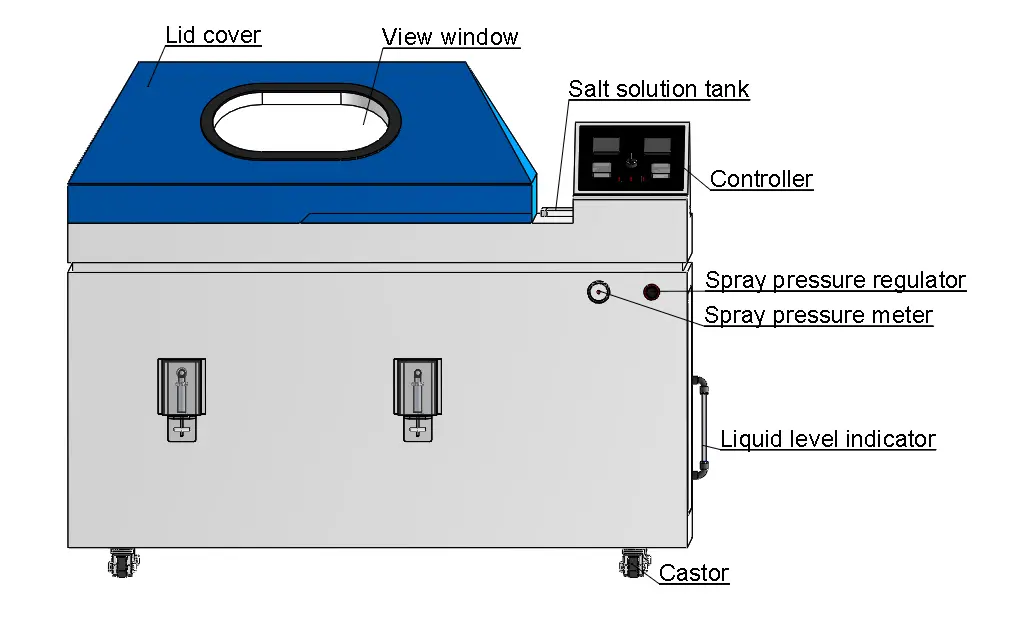
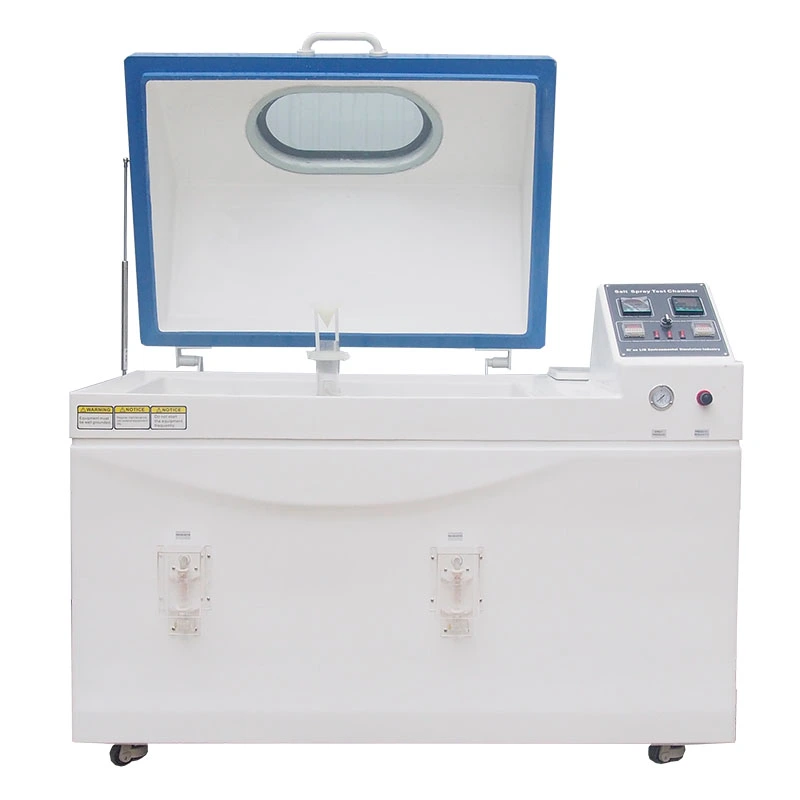
Robust Performance Engineered for Extreme Environment Validation - LIB Industry
 |
 |
|
Durable, Leak-Resistant Workspace |
Flexible Sample Rack System |
|
Water-Sealed Lid Design |
Intelligent Controller |
|
Uniform Salt Solution Agitation |
Included Industrial-Grade Salt |
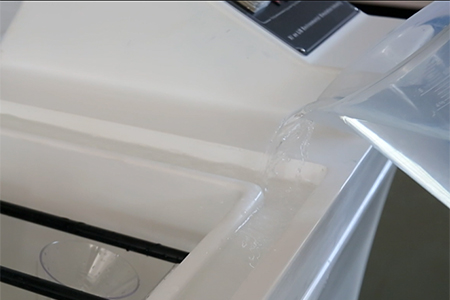
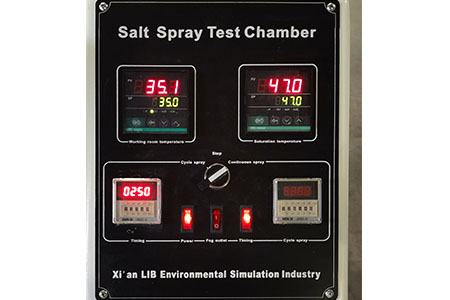
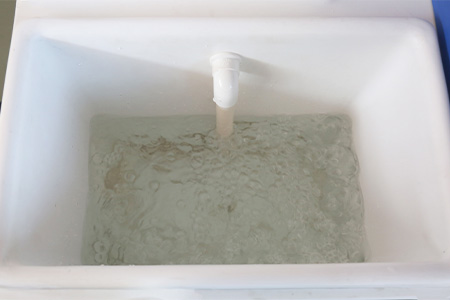
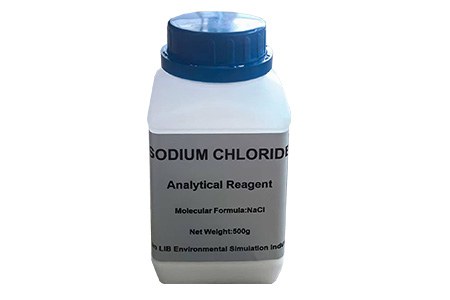
Advanced Chamber Construction Features
LIB salt spray test equipment utilizes glass fiber reinforced plastic construction delivering superior corrosion resistance compared to PVC or conventional fiberglass alternatives. This proprietary material withstands decades of continuous salt fog exposure without structural degradation or contamination leaching. Chamber volumes ranging from 110L to 1600L accommodate component sizes from individual fasteners to complete pipeline assemblies and structural members. Internal dimensions extending to 1000×2000×800mm enable full-scale testing of critical components under identical conditions as small specimens.
Precision Environmental Control Systems
Temperature control accuracy within ±0.5°C fluctuation ensures consistent corrosion kinetics throughout extended test campaigns. The PID control system with multilingual interface (English/French/Spanish/German/Russian) simplifies operation for international facilities. Saturated air barrel preheating technology conditions compressed air before atomization, preventing temperature depression during fog generation. Dual fog collectors positioned oppositely within the chamber verify deposition rate uniformity, confirming exposure consistency regardless of specimen location.
Customization Capabilities for Specialized Applications
LIB engineering teams design non-standard chambers addressing unique testing requirements beyond catalog offerings. Multi-zone chambers enable simultaneous testing under different exposure conditions within a single unit, improving laboratory throughput. SO₂ gas injection systems simulate industrial pollution effects per ASTM G85 Annex protocols for comprehensive material qualification. Custom sample fixtures accommodate irregular component geometries ensuring proper orientation and exposure uniformity. Automated data logging with network connectivity integrates chamber operation into laboratory information management systems.
Conclusion
Offshore and oil & gas infrastructure protection demands rigorous corrosion testing protocols validated through standardized salt spray exposure. Advanced test equipment delivering precise environmental control, uniform fog distribution, and automated operation enables engineers to confidently qualify materials and coatings before deployment. Investment in professional-grade chambers supporting compliance testing requirements protects against catastrophic field failures while optimizing protective system specifications. Comprehensive validation programs incorporating accelerated laboratory exposure with field monitoring establish predictive maintenance strategies that maximize asset lifecycles in hostile marine environments.
FAQ
How does salt spray testing duration correlate with actual offshore service life?
Correlation factors vary by exposure severity and coating system, typically ranging from 1:50 to 1:200 (test hours:field months). Coastal splash zones exhibit higher acceleration factors than atmospheric exposure areas. Establishing site-specific correlations requires parallel field exposure studies comparing laboratory and actual deployment degradation rates.
Can salt spray testing evaluate galvanic corrosion between dissimilar metals?
Standard salt fog chambers effectively assess galvanic couples by mounting connected dissimilar metal specimens together. Electrical isolation of samples from fixtures prevents artificial current paths. Testing duration and solution conductivity adjustments account for specific electrolyte conditions anticipated in service environments, revealing preferential corrosion patterns at material interfaces.
What maintenance requirements apply to salt spray test equipment?
Weekly solution replacement and concentration verification maintain consistent test conditions. Monthly nozzle inspection and cleaning prevent clogging affecting fog distribution. Quarterly calibration of temperature sensors and annual chamber geometry verification ensure continued specification compliance. Premium components like OMRON relays minimize unexpected failures requiring emergency maintenance.
Seeking reliable corrosion testing solutions for your offshore component qualification programs? LIB Industry, a premier environmental test chamber manufacturer, delivers customized salt spray test equipment engineered to international standards. Our technical specialists collaborate with your engineering team to design validation systems matching your exact application requirements. Contact us at ellen@lib-industry.com to discuss your corrosion testing challenges and equipment specifications.