Evaluating Protective Coatings Using Salt Spray Testing
Evaluating protective coatings using salt spray testing provides manufacturers with accelerated insights into corrosion resistance performance under simulated marine and industrial environments. This standardized methodology exposes coated specimens to continuous or cyclic salt-laden mist within controlled temperature and humidity conditions, replicating years of atmospheric exposure in condensed timeframes. Salt spray test equipment enables objective comparison between coating formulations, application methods, and substrate preparation techniques through measurable degradation indicators. Quality assurance teams across automotive, aerospace, marine, and infrastructure sectors rely on these accelerated corrosion assessments to validate coating specifications, predict service life, and ensure products withstand harsh environmental challenges throughout their intended operational duration.
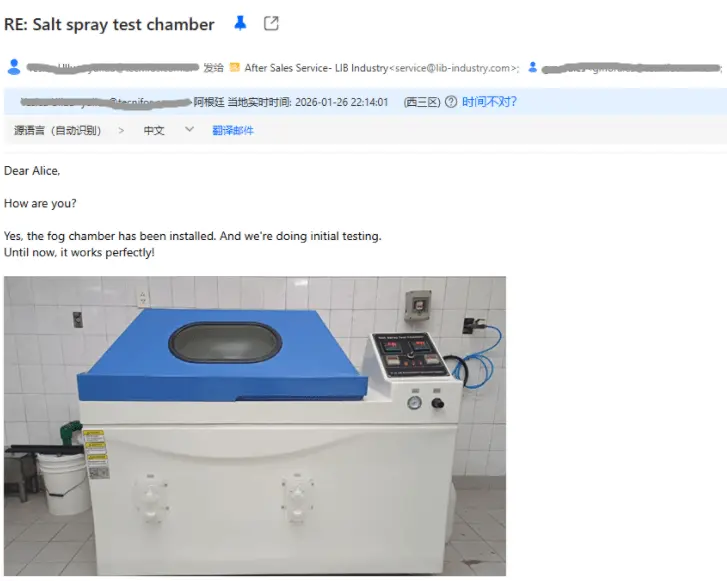
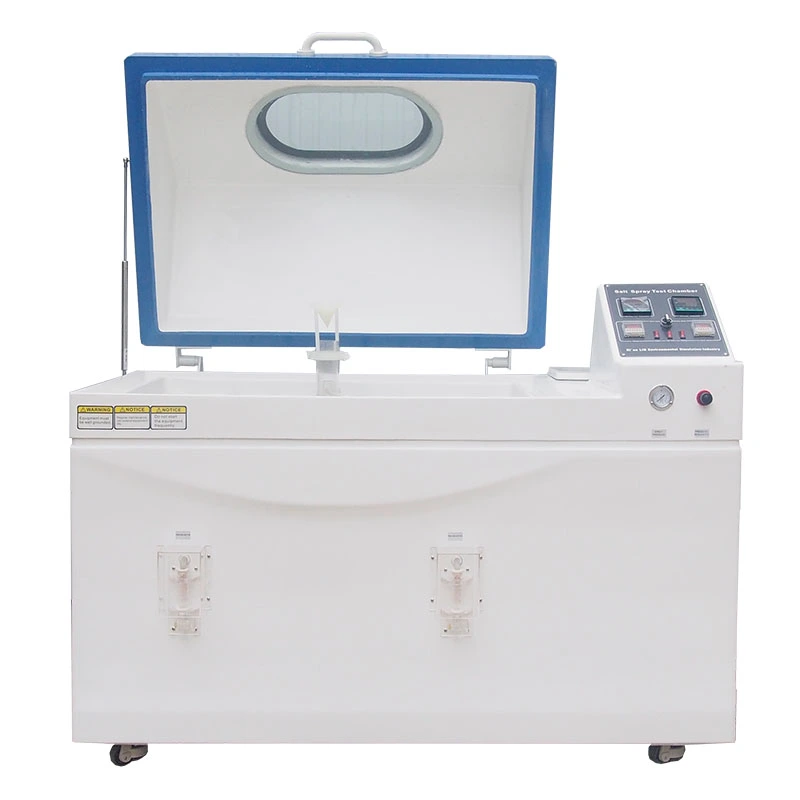
A coatings manufacturer in Argentina recently reported their experience with the LIB industry S-150 salt spray test equipment following installation. Their team promptly began initial trials and noted that the system delivered smooth and stable operation right from the start.At present, the laboratory is running continuous salt spray exposure tests to assess the corrosion resistance and long-term durability of a range of coating systems. Thanks to the equipment’s controlled test environment and precise parameter management, the team can closely track coating degradation under consistent conditions over extended periods.
According to their feedback, the equipment performs reliably in daily testing with excellent stability. This real-world application highlights how the S-150 supports repeatable corrosion testing and helps laboratories generate dependable, high-quality results for coating evaluation.
How Does Salt Spray Testing Measure Coating Performance?
Simulating Real-World Corrosion Mechanisms
Salt spray chambers recreate the electrochemical processes that drive corrosion in coastal and industrial atmospheres. When sodium chloride solution atomizes into fine mist, it deposits onto test specimens at controlled rates of 1-2ml per 80cm² hourly. This deposition mimics the accumulation of marine aerosols on exposed surfaces, initiating the same oxidation reactions that occur naturally over extended periods. The temperature range of ambient to +60°C accelerates reaction kinetics without fundamentally altering corrosion mechanisms, ensuring test relevance to actual service conditions.
Quantifying Protective Barrier Effectiveness
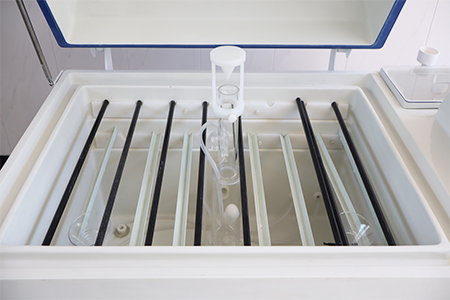
Coating performance evaluation centers on how effectively materials isolate substrates from corrosive media. Intact coatings function as physical barriers preventing moisture and chloride ions from reaching underlying metal surfaces. Salt spray exposure reveals microscopic defects, pinholes, or inadequate film thickness that compromise protective capabilities. V-shaped sample holders and round bars position specimens at standardized angles, ensuring uniform mist exposure across all surfaces while allowing gravitational drainage that prevents artificial pooling.
Establishing Comparative Performance Benchmarks
Standardized testing protocols enable objective comparisons between competing coating systems. Running multiple formulations simultaneously under identical conditions eliminates environmental variables, isolating coating performance as the differentiating factor. The temperature deviation of ±2.0°C and fluctuation of ±0.5°C maintain consistency across test duration, while humidity range of 95-98% RH sustains the corrosive environment without introducing condensation variability that could skew results.
Types of Protective Coatings for Corrosion Resistance
Organic Coating Systems
Paints, powder coatings, and polymer films represent the most prevalent organic protection methods. These systems rely on continuous barrier films that exclude moisture and oxygen from substrate surfaces. Epoxy formulations offer excellent chemical resistance and adhesion, making them suitable for industrial equipment and marine structures. Polyurethane topcoats provide UV resistance and aesthetic durability, commonly applied over epoxy primers in multi-layer systems. Salt spray testing reveals how organic coatings respond to chloride penetration, measuring failure modes like blistering, delamination, and under-film corrosion progression.
Metallic Coating Applications
Zinc, aluminum, and their alloys provide sacrificial protection through cathodic protection mechanisms. Hot-dip galvanizing, thermal spraying, and electroplating deposit metallic layers that corrode preferentially, preserving underlying steel substrates. These coatings demonstrate distinct salt spray performance characteristics - zinc coatings typically show white rust formation before red rust appears on steel, indicating the sacrificial layer remains functional. Testing duration requirements differ substantially between organic and metallic systems, with galvanized coatings often requiring thousands of hours to reach equivalent failure criteria.
Conversion Coating Treatments
Chromate, phosphate, and modern trivalent chromium conversion coatings chemically modify substrate surfaces, creating integral corrosion-resistant layers. These treatments function both as standalone protection for mildly corrosive environments and as adhesion-promoting bases for subsequent paint systems. Evaluating conversion coatings through salt spray exposure in a salt spray chamber assesses their inherent corrosion resistance while revealing how effectively they enhance topcoat performance through improved mechanical bonding and corrosion inhibition at the coating-metal interface.
|
Coating Type |
Primary Mechanism |
Typical Test Duration |
Common Applications |
|
Epoxy Paint |
Barrier protection |
500-1000 hours |
Industrial equipment |
|
Powder Coating |
Barrier protection |
300-750 hours |
Appliances, furniture |
|
Hot-dip Galvanizing |
Sacrificial protection |
1000-3000 hours |
Structural steel |
|
Zinc-rich Primer |
Barrier + Sacrificial |
750-1500 hours |
Bridge infrastructure |
|
Phosphate Conversion |
Surface modification |
24-96 hours |
Automotive bodies |
Accelerated Testing Methods for Coating Evaluation
Continuous Spray Protocols
Traditional neutral salt spray testing operates continuously, maintaining constant fog exposure throughout test duration. This approach suits coatings intended for persistent marine environments where surfaces remain perpetually wetted. The spray type capability accommodating continuous operation ensures uninterrupted corrosive attack, revealing coating weaknesses that might not manifest during intermittent exposure. Glass fiber reinforced plastic construction withstands the relentlessly corrosive chamber atmosphere, preventing contamination from chamber material degradation.
Cyclic Corrosion Testing Advantages
Modern evaluation methodologies incorporate wet-dry cycling that better replicates atmospheric exposure patterns. Cyclic corrosion chambers alternate between salt spray, humidity, and ambient drying stages, introducing mechanical stresses from repeated expansion-contraction cycles. This accelerated approach often correlates more accurately with outdoor weathering than continuous spray, particularly for automotive coatings experiencing daily temperature and moisture fluctuations. The programmable PID controller enables precise cycle definition, automating complex test sequences without manual intervention.
Customized Test Parameters
Coating application specificity demands tailored evaluation protocols. Marine coatings destined for tropical regions require elevated temperature testing, while products for northern climates benefit from freeze-thaw cycling integration. The temperature range capability extending to +60°C accommodates tropical simulation, while customization options permit integration of UV exposure, thermal shock, or mechanical stress during corrosion testing. This flexibility ensures evaluation conditions match anticipated service environments rather than relying on generic test standards.
Standard Compliance and Certification
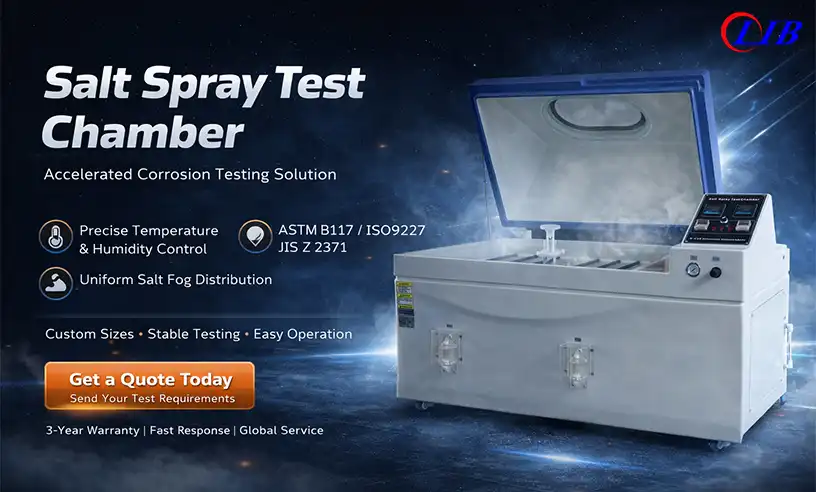
International standards including ASTM B117, ISO 9227, and industry-specific protocols define precise testing parameters ensuring result comparability. Equipment following these specifications undergoes rigorous validation, with salt fog deposition rates, temperature uniformity, and chamber materials meeting strict requirements. CE certification and compliance with ISO 9001 Quality Management Systems demonstrate equipment capability to execute standardized protocols reliably, supporting certification efforts and customer specification validation across global markets.
Key Indicators: Blistering, Rusting, and Adhesion Loss
Blister Formation and Classification
Blistering occurs when corrosive solutions penetrate coating layers, accumulating at the coating-substrate interface or between coating layers. Osmotic pressure from dissolved salts draws additional moisture, expanding blisters progressively. Visual assessment follows standardized scales rating blister size and density - classifications range from "10" indicating no blistering to "0" representing severe degradation with large, dense blisters. This quantifiable metric enables objective performance comparison and helps identify formulation weaknesses requiring reformulation or process modification.
Rust Creepage Measurement
When coating systems fail at edges, scribes, or defects, corrosion spreads beneath intact coatings through under-film creepage. Measuring the distance rust advances from deliberate scribe marks quantifies coating adhesion and corrosion inhibition effectiveness. Superior coatings limit creepage to minimal distances even after extended exposure, demonstrating strong substrate bonding and effective barrier properties. V-shaped sample holders accommodate edge-scribed specimens, ensuring standardized exposure geometry for repeatable creepage measurements across test batches.
Adhesion Degradation Assessment
Salt spray exposure weakens coating-substrate bonds through moisture infiltration and corrosion product formation. Post-test adhesion evaluation using cross-hatch, pull-off, or knife adhesion tests reveals residual bonding strength. Comparing pre-test and post-test adhesion values quantifies degradation rates, predicting service life under actual conditions. Coatings maintaining high adhesion after extended exposure demonstrate superior moisture resistance and substrate compatibility, critical factors for long-term protection in demanding environments.
|
Failure Mode |
Evaluation Method |
Rating System |
Performance Indicator |
|
Blistering |
Visual inspection |
ASTM D714 scale |
Barrier integrity |
|
Rust Creepage |
Linear measurement |
Millimeters from scribe |
Adhesion quality |
|
Color Change |
Spectrophotometry |
ΔE color difference |
UV/chemical resistance |
|
Chalking |
Tape test |
ASTM D4214 rating |
Polymer degradation |
|
Delamination |
Adhesion testing |
Pull-off strength (MPa) |
Bond durability |
Comparing Coating Systems Under Salt Spray Exposure
Establishing Fair Comparison Criteria
Valid coating comparisons require identical substrate preparation, application methods, and cure conditions before testing. Surface roughness, cleanliness, and chemical treatments dramatically influence coating performance, potentially overwhelming formulation differences. Standardizing these variables isolates coating chemistry and film properties as performance determinants. The saturated air barrel preheats incoming compressed air, preventing temperature fluctuations when fresh air enters the salt spray test chamber during extended tests, maintaining environmental consistency across all specimens regardless of chamber position.
Simultaneous Multi-Specimen Testing
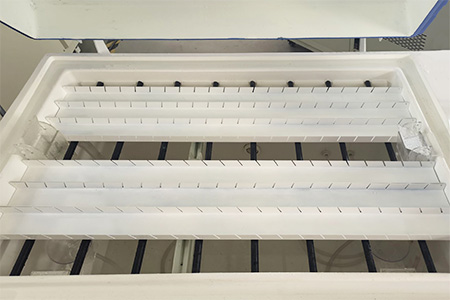
Chamber capacity determines how many coating variants evaluate concurrently. Models ranging from 110L (S-150) to 1600L (S-020) accommodate different testing scales - smaller chambers suit R&D formulation screening, while larger volumes enable production quality assurance testing with multiple replicates. The standard configuration of 6 round bars and 5 V-shaped grooves provides standardized specimen positioning, though customization capabilities permit specialized fixtures for unique part geometries requiring evaluation.
Statistical Significance in Results
Coating performance inherently includes variability from application technique, substrate condition, and material batch differences. Testing multiple replicates enables statistical analysis identifying significant performance differences versus random variation. The spray tower design with collection cups monitoring fog distribution in opposite directions verifies spatial uniformity, ensuring all specimens experience equivalent exposure regardless of chamber position. This uniformity proves critical when comparing systems showing modest performance differences requiring statistical validation.
Documenting Performance Differences
Photographic documentation at regular intervals creates visual performance records supplementing quantitative measurements. Time-lapse imaging reveals progression rates, distinguishing coatings that fail gradually from those showing catastrophic sudden degradation. The PID control system with multilingual interface options supports comprehensive data logging, creating audit trails linking specific coating batches to test conditions and results. This documentation becomes invaluable during failure analysis, warranty claims, or customer specification verification.
Optimizing Coating Selection Based on Test Results
Correlating Test Duration to Service Life
Salt spray testing accelerates corrosion but doesn't replicate all weathering factors affecting outdoor performance. Establishing correlation between laboratory hours and actual service years requires parallel outdoor exposure testing at representative locations. Marine atmospheric sites, industrial zones, and controlled weathering facilities provide validation data calibrating laboratory predictions. Coatings surviving 1000 hours continuous salt spray might correlate with 5-10 years coastal exposure, though correlation factors vary significantly between coating types and environmental severity.
Cost-Performance Balance Analysis
Superior salt spray performance often accompanies higher material costs, specialized application requirements, or extended cure schedules. Optimal coating selection balances corrosion protection against total lifecycle costs including material expense, application labor, maintenance intervals, and replacement frequency. A premium coating requiring 2000 hours salt spray exposure before failure might justify triple the material cost if it doubles service life, reducing application frequency and associated labor expenses over the asset's operational timeline.
Application-Specific Requirements
Beyond generic corrosion resistance, coatings must satisfy appearance, mechanical, chemical, and temperature requirements specific to their application. Automotive coatings demand chip resistance and gloss retention alongside corrosion protection. Industrial equipment coatings prioritize chemical resistance and high-temperature stability. The comprehensive testing approach evaluates multiple performance aspects simultaneously - integrating mechanical stress, thermal cycling, or chemical exposure with salt spray testing reveals performance under combined stressors more representative of actual service conditions.
Regulatory and Customer Specifications
Many industries impose minimum salt spray performance requirements through standards or purchasing specifications. Automotive OEMs specify hundreds to thousands of hours depending on vehicle component location and warranty coverage. Military specifications define stringent requirements for defense equipment operating in maritime environments. Meeting these predetermined thresholds becomes mandatory regardless of cost considerations, making salt spray test equipment essential for qualification testing and production quality assurance verification.
|
Industry Sector |
Typical Requirement |
Test Protocol |
Decision Criteria |
|
Automotive Exterior |
720-1440 hours |
Cyclic corrosion |
No substrate corrosion |
|
Marine Hardware |
1000-3000 hours |
Continuous spray |
Minimal creepage at scribes |
|
Architectural Metal |
500-1000 hours |
Neutral salt spray |
Appearance retention |
|
Consumer Electronics |
48-96 hours |
Modified protocols |
Electrical functionality |
|
Aerospace Components |
1000-5000 hours |
Combined environment |
Zero substrate attack |
Consistent, Repeatable Results from LIB Industry's Turnkey Systems
 |
 |
||||
|
Model |
Internal Dimensions (mm) |
Interior Volume (L) |
Temp. Range |
Humidity |
Deposition Rate |
|
S-150 |
590 × 470 × 400 |
110 |
Ambient-60 °C |
95-98% RH |
1-2 ml/80 cm²·h |
|
S-250 |
1000 × 640 × 500 |
320 |
Ambient-60 °C |
95-98% RH |
1-2 ml/80 cm²·h |
|
S-750 |
1100 × 750 × 500 |
410 |
Ambient-60 °C |
95-98% RH |
1-2 ml/80 cm²·h |
|
S-010 |
1000 × 1300 × 600 |
780 |
Ambient-60 °C |
95-98% RH |
1-2 ml/80 cm²·h |
|
S-016 |
900 × 1600 × 720 |
1030 |
Ambient-60 °C |
95-98% RH |
1-2 ml/80 cm²·h |
|
S-020 |
1000 × 2000 × 800 |
1600 |
Ambient-60 °C |
95-98% RH |
1-2 ml/80 c |
|
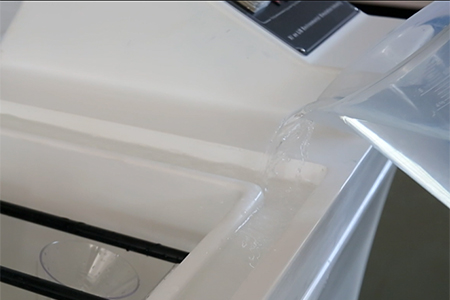
Durable, Leak-Resistant Workspace |
Flexible Sample Rack System |
|
Water-Sealed Lid Design |
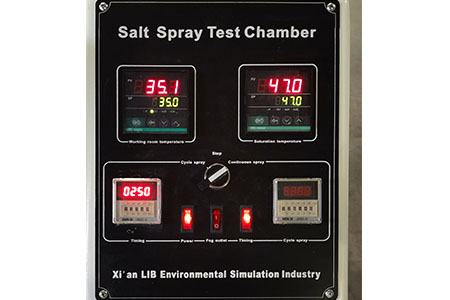
Intelligent Controller |
|
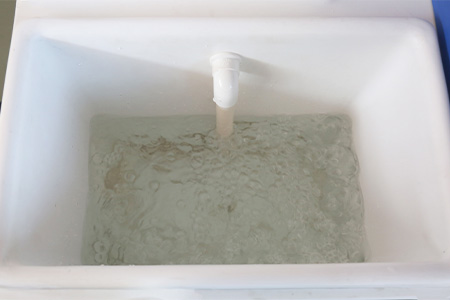
Uniform Salt Solution Agitation |
|
Precision Engineering for Reliable Performance
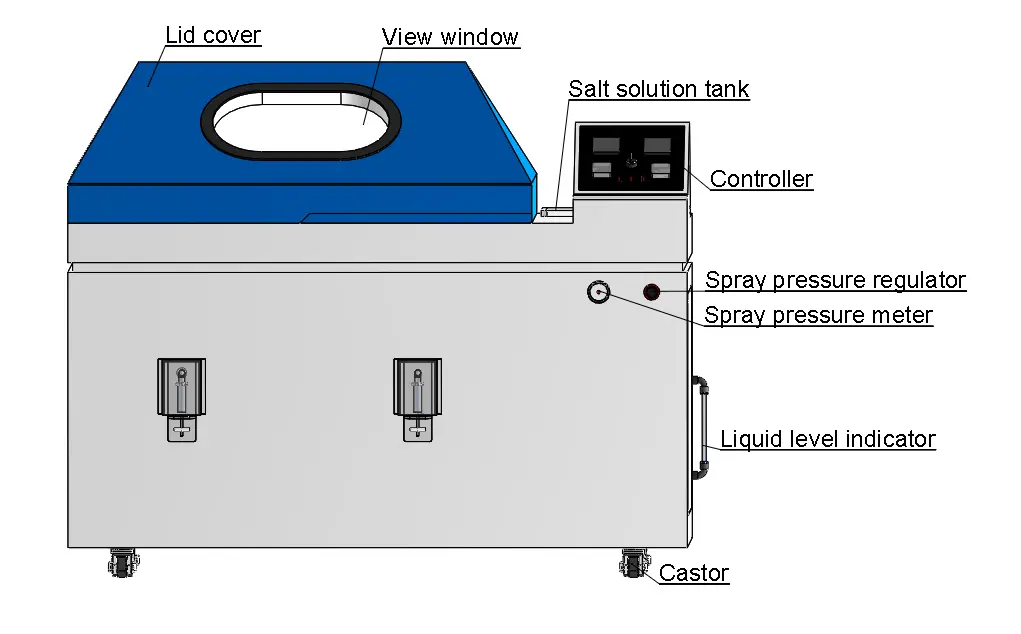
LIB Industry concentrates on providing turnkey solutions for environmental testing, integrating research, design, production, commissioning, delivery, installation, and training into comprehensive packages. The atomizer tower and spray nozzles utilize precision quartz glass construction preventing clogging and crystallization that compromise test validity. These components resist high temperatures, corrosion, and salt accumulation, maintaining calibrated deposition rates throughout extended test campaigns without performance degradation.
Advanced Component Selection
Premium components ensure long-term reliability and simplified maintenance. OMRON relays provide precise control over heating and spray cycles, while Schneider contactors handle electrical loads without premature failure. Danfoss electromagnetic valves control salt solution flow with exceptional repeatability, and RKC temperature controllers maintain chamber conditions within specified tolerances. These brand-name parts guarantee component availability and straightforward replacement, minimizing downtime when maintenance becomes necessary.
Intelligent Automation Features
Modern PLC control systems automate complex operations previously requiring manual intervention. Automatic salt water filtration removes contaminants that could alter corrosion rates or clog spray nozzles. One-touch fog removal after testing expedites chamber cleaning and specimen retrieval. Real-time pressure and temperature monitoring alerts operators to deviations before they invalidate test results, while programmable test cycles execute complex protocols accurately and consistently across multiple test runs.
Customization for Specialized Applications
Standard chamber configurations suit most coating evaluation requirements, yet specialized applications demand tailored solutions. Non-standard chamber dimensions accommodate oversized specimens or unusual geometries. Multiple test zone designs enable simultaneous evaluation under different conditions within single chambers. SO₂ gas corrosion capabilities simulate industrial atmospheric conditions where sulfur compounds accelerate degradation. The engineering team collaborates with customers to design solutions matching exact requirements rather than forcing applications into standardized equipment configurations.
Conclusion
Evaluating protective coatings using salt spray testing delivers quantifiable corrosion resistance data guiding formulation optimization, application process validation, and service life prediction. Understanding test methodologies, failure indicators, and result interpretation transforms raw data into actionable insights improving coating performance and reducing field failures. Investment in reliable salt spray test equipment supporting standardized protocols ensures consistent, defensible results supporting quality assurance objectives across manufacturing operations and product development initiatives.
FAQ
How long should protective coatings withstand salt spray testing before showing failure?
Duration requirements vary significantly by application and coating type. Automotive exterior coatings typically require 720-1440 hours cyclic exposure, while marine hardware specifications often demand 1000-3000 hours continuous spray. Consult industry standards and customer specifications relevant to your specific application when establishing acceptance criteria.
Can salt spray results accurately predict outdoor weathering performance?
Salt spray testing provides accelerated corrosion assessment but doesn't replicate UV exposure, thermal cycling, or mechanical wear affecting outdoor durability. Correlation with actual service life requires validation through parallel outdoor exposure testing. Results indicate relative performance between coating systems rather than absolute service life predictions without environmental correlation factors.
What maintenance does salt spray test equipment require for consistent results?
Regular calibration verification ensures temperature, humidity, and deposition rate accuracy. Clean spray nozzles prevent clogging affecting mist distribution. Replace solution reservoirs and verify salt concentration maintains 5% by mass. Annual temperature uniformity surveys and deposition rate validation confirm continued compliance with testing standards and maintain result validity.
Enhance your coating evaluation capabilities today. LIB Industry, a trusted manufacturer and supplier of advanced salt spray test equipment, delivers precision-engineered solutions backed by comprehensive support. Contact our technical team at ellen@lib-industry.com to discuss your specific testing requirements and discover customized corrosion testing systems matching your quality assurance objectives.


