JIS Z 2371 Salt Spray Testing in Electronics Enclosure Validation
Electronics enclosures shield critical circuitry from moisture, particulates, and chemical exposure. When these housings degrade through corrosion, the components inside become vulnerable to catastrophic failure. JIS Z 2371 salt spray testing offers a standardized methodology to evaluate how enclosure materials, coatings, and seals withstand prolonged corrosive attack. By exposing enclosures to a controlled 5% NaCl fog inside a JIS Z 2371 salt spray test chamber, engineers can predict field performance across years of service in just hundreds of hours. This accelerated approach reveals weaknesses in paint adhesion, fastener integrity, and gasket sealing - before a product ever reaches the end user.
Why Electronics Enclosures Require Corrosion Resistance Testing?
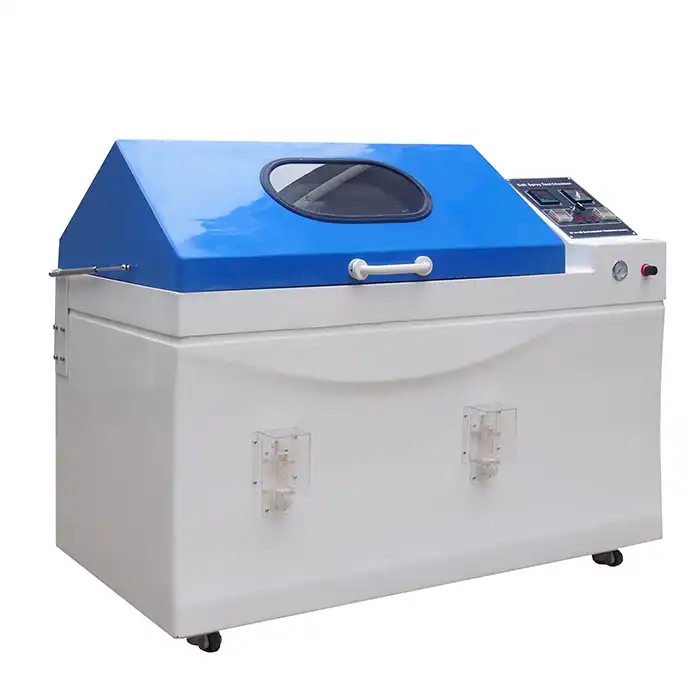
The Cost of Enclosure Failure in the Field
A corroded electronics enclosure rarely fails in isolation. Once rust or pitting compromises the housing, moisture infiltrates and attacks solder joints, PCB traces, and connectors. Warranty claims, product recalls, and brand reputation damage can far exceed the cost of pre-production corrosion validation. Salt spray testing catches these vulnerabilities during the design phase.
Material Selection Demands Empirical Evidence
Aluminum alloys, galvanized steel, stainless steel, and engineered polymers all react differently to saline environments. Datasheets provide general corrosion ratings, but real-world enclosure geometries - edges, welds, bend radii - create localized stress points. A JIS Z 2371 salt spray test chamber generates the empirical data needed to validate material choices under conditions that mimic actual deployment.
Regulatory and Customer Qualification Pressures
OEMs supplying to automotive, telecommunications, and energy sectors face contractual obligations for corrosion endurance. Many procurement specifications reference JIS Z 2371 directly, requiring documented salt spray hours with quantified corrosion area percentages. Without validated chamber test reports, manufacturers struggle to qualify for high-value supply agreements.
Corrosion Risks for Outdoor Electronic Equipment
Coastal Chloride Exposure
Equipment installed within 3 kilometers of a coastline encounters airborne chloride concentrations that accelerate metal oxidation dramatically. Junction boxes, antenna housings, and traffic signal controllers in these zones face relentless salt deposition. Neutral Salt Spray (NSS) testing under JIS Z 2371 replicates this aggression at a controlled, accelerated rate.
Industrial Atmospheric Pollutants
Sulfur dioxide, nitrogen oxides, and acidic particulates in industrial atmospheres create synergistic corrosion with chloride ions. Acetic Acid Salt Spray (AASS) and Copper Accelerated Cyclic Test (CASS) protocols - both defined within JIS Z 2371 - are typically conducted in a salt spray test chamber to simulate these compounded chemical attacks. These protocols are especially relevant for power distribution enclosures near refineries and chemical plants.
Temperature and Humidity Cycling
Outdoor enclosures endure diurnal temperature swings that produce condensation inside the housing. This moisture, combined with residual salt from environmental exposure, creates an electrochemical cell on metal surfaces. Cyclic corrosion chambers that comply with JIS Z 2371 reproduce these wet-dry transitions to evaluate enclosure breathing and drainage performance.
|
Test Protocol |
pH Range |
Primary Application |
Typical Duration |
|
NSS (Neutral Salt Spray) |
6.5-7.2 |
General enclosure corrosion screening |
96-1000 hours |
|
AASS (Acetic Acid Salt Spray) |
3.1-3.3 |
Anodized aluminum housing evaluation |
48-500 hours |
|
CASS (Copper Accelerated) |
3.1-3.3 |
Decorative chromium/nickel plated enclosures |
24-240 hours |
|
|
|||

Applying JIS Z 2371 Standards to Enclosure Testing
Specimen Preparation and Positioning
JIS Z 2371 mandates that test specimens be cleaned, free of temporary protective coatings, and positioned at angles between 15° and 20° from vertical. Pre-calibrated V-type and O-type sample holders eliminate guesswork. Proper angling ensures salt fog settles uniformly across the enclosure surface rather than pooling in recesses.
Salt Solution Concentration and pH Monitoring
The standard specifies a 50 g/L ±5 g/L NaCl solution with a collected spray pH between 6.5 and 7.2 for NSS testing. Consistent brine mixing systems and accessible testing ports are essential for maintaining this narrow range. Deviations in concentration or pH compromise test repeatability and invalidate comparison across laboratories.
Settlement Rate Verification
JIS Z 2371 requires a fog deposition rate of 1.0-2.0 ml per 80 cm² per hour. Movable funnel collectors positioned at multiple locations inside the chamber verify spatial uniformity. This parameter directly affects the severity and reproducibility of the corrosion challenge, making it a critical compliance checkpoint during chamber qualification.
Salt Spray Simulation for Harsh Coastal and Industrial Environments
Accelerating Years of Exposure into Hours
A well-calibrated salt spray chamber compresses what might take five to ten years of coastal exposure into a few hundred hours of continuous fog. This acceleration ratio is not linear - it varies with material systems and environmental specifics - but it provides a reliable comparative ranking among candidate enclosure designs and surface treatments.
Reproducing Multi-Stress Conditions
Modern cyclic corrosion chambers extend beyond static fog. They integrate humidity soaking phases, drying intervals, and temperature ramps to reproduce the complex stress profiles that outdoor enclosures encounter. These programmable cycles follow JIS Z 2371 while adding environmental realism that pure salt fog alone cannot capture.
Validating Geographic Deployment Suitability
Enclosure manufacturers serving global markets need to certify performance across climate zones. A chamber capable of NSS, AASS, and CASS protocols within a single platform allows one piece of equipment to generate validation data for tropical coastal, temperate industrial, and arid desert deployments.
Testing Coatings, Seals, and Fasteners in Electronic Housings
Evaluating Paint and Powder Coat Adhesion
Scribed or cross-hatched coating samples placed inside a salt spray chamber reveal undercutting, blistering, and delamination behavior at controlled intervals. For electronics enclosures, coating failure exposes the substrate to galvanic attack - particularly at dissimilar metal junctions. JIS Z 2371 testing quantifies adhesion loss before it becomes a field liability.
Gasket and Seal Integrity Under Saline Fog
Elastomeric gaskets that maintain IP65 or IP67 ingress protection can degrade when exposed to salt-laden moisture over time. Chamber testing with periodic inspection intervals identifies seal swelling, hardening, or compression set that eventually permits fog intrusion. The controlled 95%-98% RH environment inside the chamber stresses these seals beyond typical bench testing.
Fastener Corrosion and Galvanic Compatibility
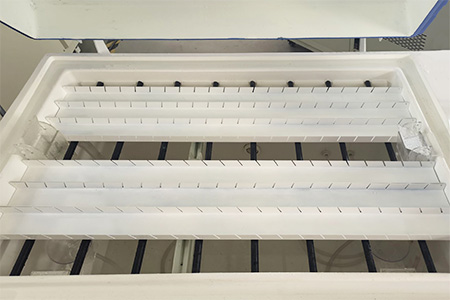
Stainless steel screws in aluminum panels, zinc-plated bolts through painted steel - each combination creates a galvanic couple that salt spray aggressively exploits. Positioning assembled fastener joints on the chamber's standard sample holder (6 round bars and 5 V-shaped grooves) allows engineers to monitor corrosion progression at the exact interface where field failures originate.
|
Material / Finish |
Typical NSS Hours Before Red Rust |
Common Enclosure Use |
|
Hot-dip galvanized steel |
200-500 hours |
Outdoor junction boxes |
|
Powder-coated aluminum |
500-1000 hours |
Telecom cabinets |
|
304 stainless steel |
1000+ hours |
Marine-grade housings |
|
E-coated steel |
300-700 hours |
Industrial control panels |
|
Anodized aluminum (Type III) |
750-1500 hours (AASS) |
Defense electronics enclosures |
Enhancing Reliability of Electronic Enclosures Through Corrosion Testing
Data-Driven Design Iteration
Each salt spray test cycle yields measurable outcomes: corrosion creep distance from scribes, blister density per unit area, and time to first visible oxidation. Feeding this data back into CAD models and finite element analyses enables targeted reinforcement of vulnerable zones - drainage channels, hinge areas, cable entry points - without over-engineering the entire enclosure.
Extending Product Warranty Confidence
A manufacturer who validates 1,000 hours of NSS performance can confidently extend warranty coverage for coastal installations. This documented evidence reduces warranty reserve costs and differentiates the product in competitive bids. Programmable controllers that automatically record temperature, spray duration, and settlement data generate audit-ready reports for traceability.
Benchmarking Against Competitor Enclosures
Placing competitor enclosures alongside your own in the same chamber under identical JIS Z 2371 conditions produces unbiased comparative data. This intelligence informs marketing claims, pricing strategies, and engineering improvement priorities with objectivity that field observation alone cannot deliver.
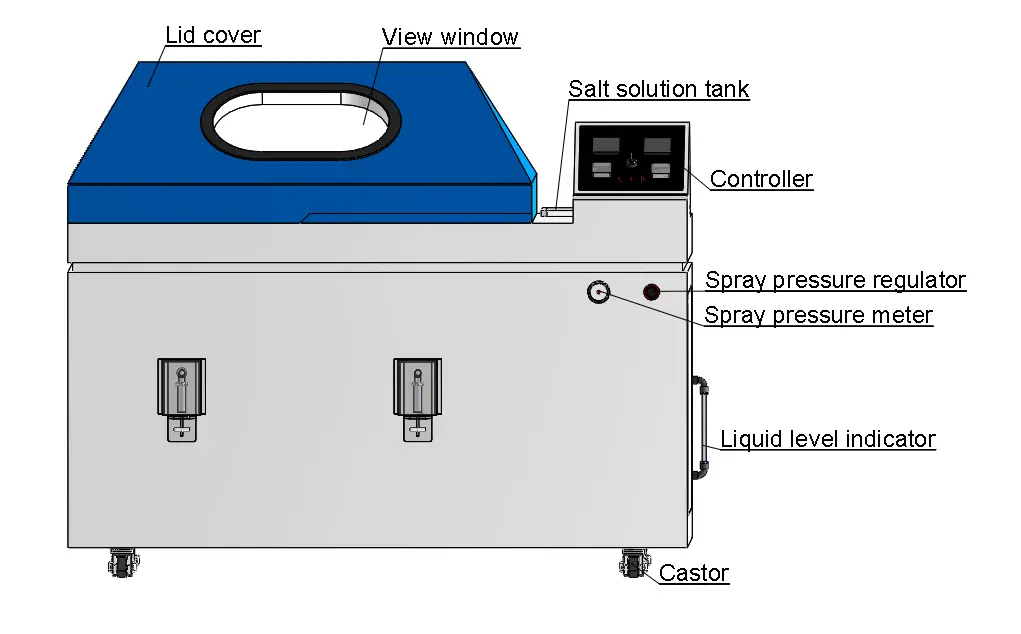
Consistent Fog Dispersion for Sensitive Electronic Components - LIB Industry
|
|
 |
|
|
Model |
Internal Dimensions (mm) |
Volume (L) |
|
S-150 |
590 × 470 × 400 |
110 |
|
S-250 |
1000 × 640 × 500 |
320 |
|
S-750 |
1100 × 750 × 500 |
410 |
|
S-010 |
1000 × 1300 × 600 |
780 |
|
S-016 |
900 × 1600 × 720 |
1,030 |
|
S-020 |
1000 × 2000 × 800 |
1,600 |
|
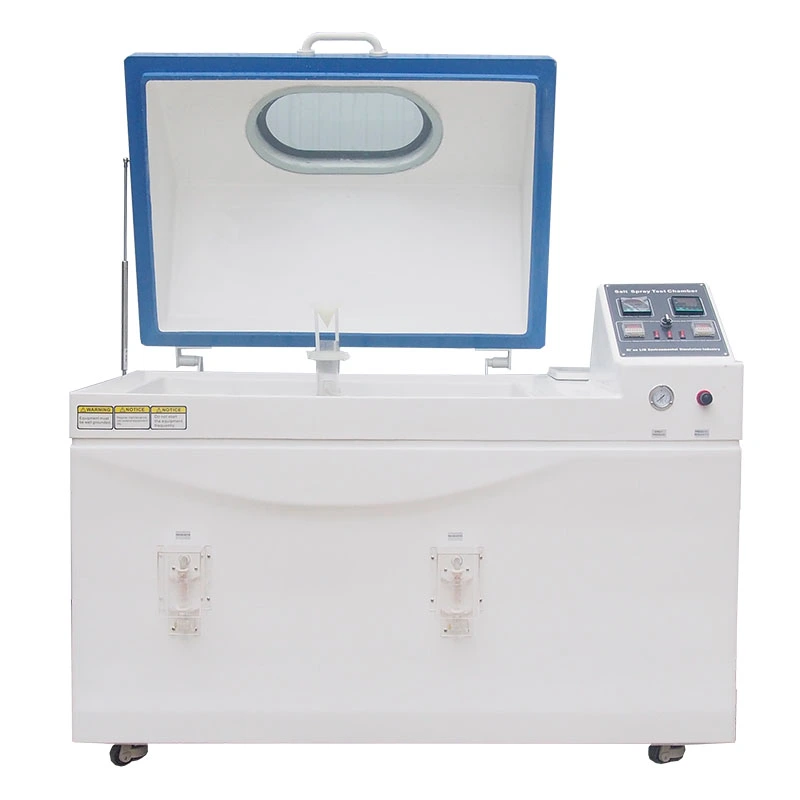
Durable, Leak-Resistant Workspace |
Flexible Sample Rack System |
|
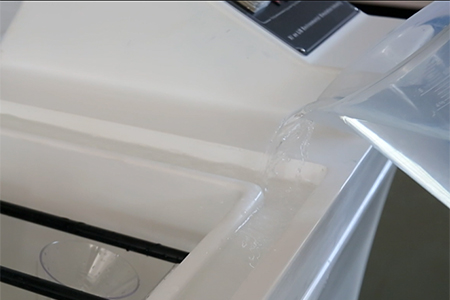
Water-Sealed Lid Design |
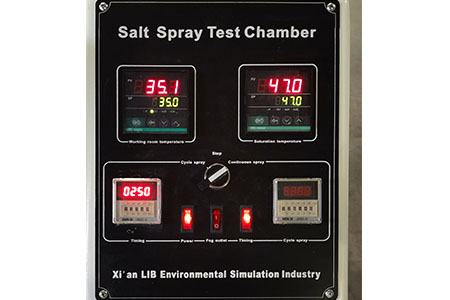
Intelligent Controller |
|
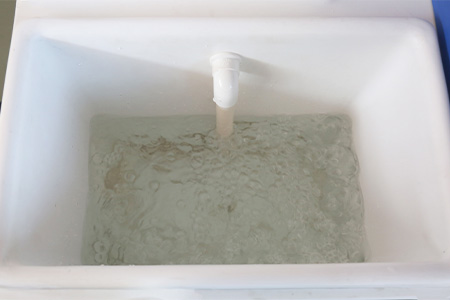
Uniform Salt Solution Agitation |
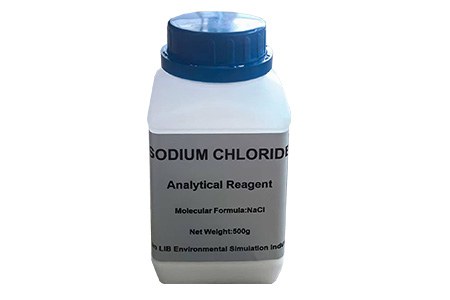
Included Industrial-Grade Salt |
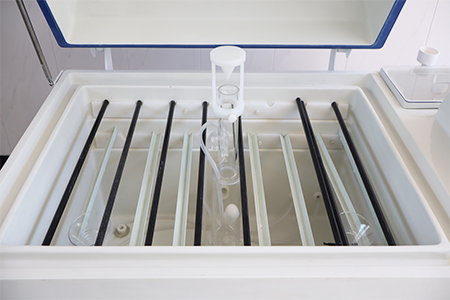
Saturated Air Barrel Technology
LIB Industry salt spray test equipment employ a premium SUS304/316 stainless steel air saturator that preheats and humidifies compressed air before it reaches the spray nozzles. This eliminates dry spots within the chamber and maintains temperature control accuracy to ±0.1 °C - a critical factor when testing heat-sensitive enclosure sealants and adhesives.
Anti-Drip Lid Design for Test Validity
The modified V-shaped transparent lid prevents condensation from dripping onto specimen surfaces. Uncontrolled dripping creates localized corrosion hot spots that skew results. By channeling condensate away from test pieces, LIB Industry chambers maintain specimen integrity throughout extended test durations spanning hundreds or thousands of hours.
Comprehensive Safety and Automation
Each chamber includes humidifier dry-combustion protection, over-temperature protection, over-current safeguards, water shortage shutdown, and earth leakage protection. The programmable controller supports 120 programs with 100 steps each, enabling complex cyclic test profiles while the automatic water refill system prevents dry-running damage during unattended overnight operation.
Conclusion
Electronics enclosure validation through JIS Z 2371 salt spray testing transforms corrosion resistance from a subjective estimate into a quantified engineering parameter. By subjecting housings, coatings, seals, and fasteners to controlled saline fog, manufacturers identify failure modes years before they manifest in field installations. The ability to run NSS, AASS, and CASS protocols within a single chamber platform streamlines qualification across diverse deployment environments - from coastal telecom towers to industrial power distribution sites. Investing in rigorous salt spray validation protects brand reputation, reduces warranty exposure, and strengthens competitive positioning in markets where enclosure durability is non-negotiable.
FAQ
How long should electronics enclosures be tested in a JIS Z 2371 salt spray chamber?
Testing duration depends on the enclosure material and deployment environment. NSS tests commonly range from 96 to 1,000 hours, with coastal-grade housings often requiring 500 hours or more to demonstrate adequate corrosion resistance.
Can a single salt spray chamber perform NSS, AASS, and CASS tests?
Yes. LIB Industry chambers support all three JIS Z 2371 protocols within one unit. Switching between test types involves adjusting the salt solution chemistry and pH while maintaining the same chamber hardware and environmental controls.
What fog deposition rate does JIS Z 2371 require for valid test results?
The standard mandates a settlement rate of 1.0 to 2.0 ml per 80 cm² per hour. Movable funnel collectors inside the chamber verify this rate at multiple positions to confirm spatial uniformity across the test zone.
Ready to validate your electronics enclosures with precision salt spray testing? LIB Industry is a trusted manufacturer and supplier of JIS Z 2371 salt spray test chambers with turn-key solutions including installation, commissioning, and training. Contact us at ellen@lib-industry.com to discuss your project requirements.