Salt Spray Test Equipment for Aerospace Fastener Safety
Aerospace fastener safety depends critically on corrosion resistance, as failure of these small components can compromise entire aircraft structures. Salt spray test equipment provides the essential validation needed to ensure fasteners withstand decades of exposure to harsh environmental conditions. This specialized testing simulates accelerated corrosion scenarios, enabling manufacturers to verify coating integrity, material durability, and compliance with stringent aerospace standards. Through controlled salt mist exposure, engineers can predict real-world performance and prevent catastrophic failures before components ever reach service, making these chambers indispensable for aviation safety assurance and regulatory certification.
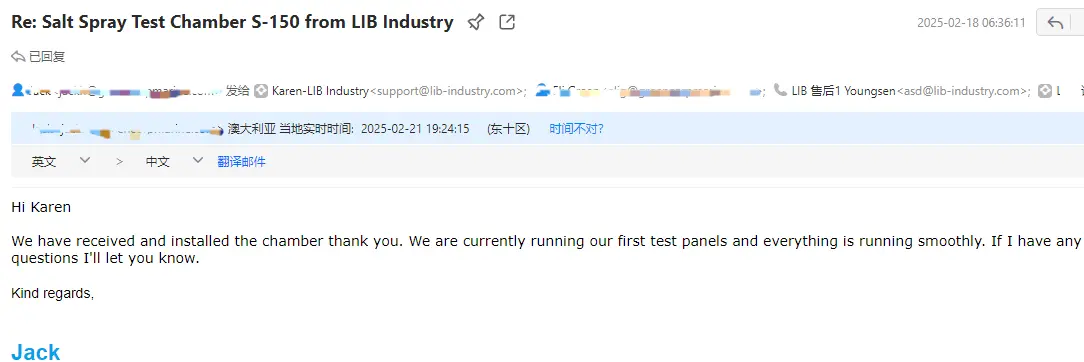
An Australian coating manufacturer recently added a salt spray corrosion system to test marine coatings. Upon installation, their engineers began running panels for offshore applications and reported: “The chamber is installed and running smoothly.”During early tests, the system provided consistent fog and stable temperature-humidity conditions, allowing continuous simulation of harsh marine environments. This enabled evaluation of blister resistance and edge protection. Reliable startup and operation gave the team confidence to extend testing and compare formulations, showing how an effective salt spray system accelerates validation while delivering repeatable results.
What Corrosion Risks Affect Aerospace Fasteners?
Marine and Coastal Operating Environments
Aircraft operating near coastal regions face relentless salt-laden air exposure. The microscopic salt particles penetrate protective coatings through micro-cracks and landing gear compartments, initiating electrochemical reactions at metal surfaces. Fasteners in wing attachments and fuselage panels become particularly vulnerable during takeoff and landing cycles when moisture combines with salt deposits. This continuous exposure creates galvanic cells between dissimilar metals commonly used in aerospace assemblies, accelerating material degradation far beyond normal atmospheric corrosion rates.
Stress Corrosion Cracking Phenomena
High-strength aerospace fasteners operate under constant tensile loads while exposed to corrosive environments. This combination triggers stress corrosion cracking (SCC), where microscopic fissures propagate through the crystalline structure of materials like titanium alloys and high-grade stainless steels. The phenomenon remains particularly insidious because visible surface corrosion may appear minimal while internal crack networks compromise structural integrity. SCC can reduce component lifespan by 60-80% compared to non-stressed conditions.
Crevice Corrosion in Assembly Joints
Tight-fitting fastener interfaces create oxygen-depleted zones where traditional passivation layers cannot form effectively. These crevice areas develop localized pH gradients and chloride concentration, establishing aggressive micro-environments. The resulting pitting corrosion often remains hidden beneath washers and attachment points until catastrophic failure occurs during routine operations. Aviation maintenance protocols specifically target these concealed zones during inspections.
Environmental Stress Factors in Aviation Applications
Temperature Cycling and Thermal Shock
Aircraft structures experience temperature swings from -55°C at cruising altitude to +70°C on tropical tarmacs. These thermal cycles cause expansion and contraction in fastener materials, creating micro-movements that breach protective coatings. The repeated stress generates fatigue points where moisture infiltration accelerates. Fasteners in engine pylons and control surfaces face additional thermal gradients from operational heating, compounding the environmental challenge through differential expansion rates between joined materials.
Humidity Fluctuation Effects
Cabin pressurization cycles create continuous humidity variations affecting fastener assemblies. Condensation forms preferentially at metal-to-metal interfaces during descent phases, particularly in unheated cargo compartments and wheel wells. This cyclic wetting and drying concentrates dissolved salts at fastener threads and bearing surfaces. The process intensifies corrosion rates by factors of 3-5 compared to constant humidity exposure, making realistic testing protocols essential for accurate lifespan predictions.
Atmospheric Contaminant Interaction
Industrial pollutants, de-icing chemicals, and hydraulic fluid residues interact synergistically with salt exposure to accelerate fastener degradation. Sulfur dioxide from airport ground operations combines with moisture to form sulfuric acid micro-droplets. Glycol-based de-icing agents act as hygroscopic agents, maintaining moisture films on fastener surfaces long after application. These complex chemical interactions require sophisticated testing methodologies that extend beyond simple salt exposure validation.
|
Environmental Factor |
Corrosion Rate Multiplier |
Primary Affected Zones |
|
Salt Spray Alone |
1.0x (baseline) |
External surfaces |
|
Salt + Temperature Cycling |
2.8x |
Thread interfaces |
|
Salt + Humidity Fluctuation |
3.5x |
Crevice areas |
|
Salt + Industrial Pollutants |
4.2x |
Coating defects |
|
Combined Multi-factor |
7.1x |
All zones |
Salt Spray Testing for High-Strength Fasteners
Accelerated Corrosion Simulation Methods
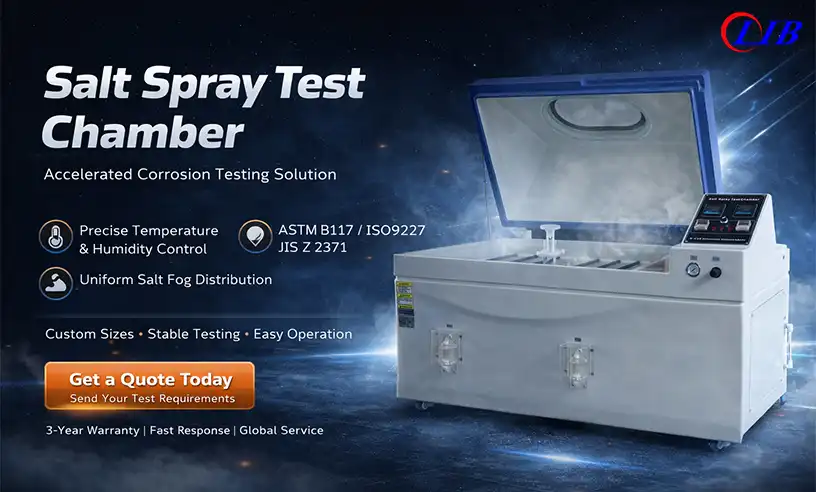
Modern salt spray chamber creates controlled environments that compress years of field exposure into weeks of laboratory testing. The atomized salt solution at 35°C with 5% NaCl concentration provides standardized conditions matching ASTM B117 protocols. Chamber temperature precision of ±2.0°C ensures reproducible results across different testing facilities. The spray deposition rate of 1-2ml per 80cm² hourly creates uniform coverage on fastener surfaces, eliminating test variability from inconsistent exposure patterns.
Material-Specific Testing Protocols
Titanium aerospace fasteners require neutral salt spray testing at extended durations of 500-1000 hours to reveal localized corrosion susceptibility. Aluminum alloy fasteners undergo 168-hour exposures followed by chromate conversion coating verification. Stainless steel variants face acetic acid salt spray (AASS) testing to simulate acidic industrial atmospheres. Each material family demands customized testing parameters reflecting actual service conditions and electrochemical behavior patterns specific to their crystalline structures and alloying elements.
Sample Preparation and Positioning Techniques
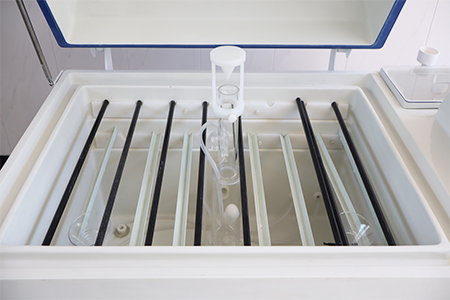
Proper fastener orientation within test chambers significantly impacts result validity. V-shaped sample holders maintain specimens at 15-30 degree angles, preventing salt solution pooling in threaded areas while ensuring adequate mist exposure. Round bar fixtures accommodate bulk testing of multiple fastener sizes simultaneously. Pre-test surface preparation includes solvent degreasing and controlled humidity conditioning to establish baseline moisture content. Positioning away from direct spray impingement prevents artificial erosion from droplet impact forces.
Coating Integrity and Failure Analysis Methods
Visual Inspection and Documentation Standards
Post-test evaluation begins with systematic visual examination under standardized lighting conditions exceeding 1000 lux. Fastener surfaces are photographed at consistent magnifications to document discoloration, blistering, and coating delamination patterns. Rating systems quantify corrosion severity on scales from 0 (no defects) to 10 (complete coating failure). Digital microscopy captures surface texture changes at 50-200x magnification, revealing micro-blistering invisible to unaided observation. These visual records establish traceability for certification documentation.
Cross-Sectional Metallographic Analysis
Sectioning exposed fasteners reveals subsurface corrosion progression invisible during external inspection. Metallographic preparation involves precision cutting, mounting in conductive resin, and progressive polishing to 0.25-micron finishes. Optical microscopy under polarized light exposes grain boundary attack and intergranular corrosion depth. Microhardness traverses across coating-substrate interfaces quantify mechanical property degradation from corrosion byproduct formation. These destructive tests validate coating adhesion and diffusion barrier effectiveness.
Electrochemical Impedance Spectroscopy
Non-destructive EIS measurements characterize coating deterioration through electrical impedance frequency sweeps. The technique detects moisture penetration into organic coatings before visible defects appear, providing early warning of coating breakdown. Impedance spectra reveal pore resistance, coating capacitance, and charge transfer resistance at metal interfaces. Nyquist plot analysis distinguishes between surface film degradation and active corrosion at substrate levels, enabling predictive maintenance scheduling based on remaining coating life calculations.
|
Testing Method |
Detection Capability |
Time Required |
Destructive |
|
Visual Inspection |
Surface defects >0.5mm |
15 min |
No |
|
Digital Microscopy |
Surface features >10μm |
30 min |
No |
|
Cross-sectioning |
Subsurface corrosion |
4 hours |
Yes |
|
EIS Analysis |
Coating degradation |
45 min |
No |
|
Salt Fog Exposure |
Accelerated aging |
168-1000 hrs |
No |
Standards and Specifications in Aerospace Testing
ASTM International Testing Protocols
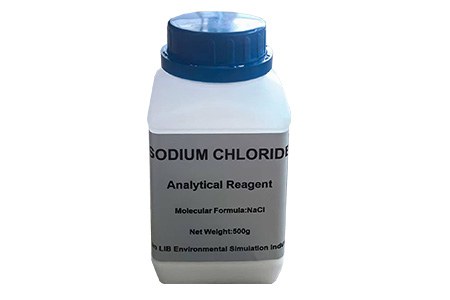
ASTM B117 establishes neutral salt spray test chamber operation parameters including solution preparation from reagent-grade sodium chloride and distilled water. The standard mandates pH ranges of 6.5-7.2 and continuous exposure temperatures. ASTM G85 annexes describe modified atmospheric testing including acidified solutions and electrolyte variations. These specifications ensure inter-laboratory reproducibility essential for supplier qualification programs. Calibration requirements for temperature controllers, humidity sensors, and deposition collection verify equipment performance traceability.
Aerospace Material Specifications (AMS)
AMS 2700 series standards govern chemical film treatments on aluminum aerospace fasteners with specific salt spray resistance requirements. Titanium fastener coatings follow AMS 2488 protocols demanding 336-hour neutral salt spray exposure without base metal corrosion. Cadmium and zinc-nickel electroplated fasteners comply with AMS-QQ-P-416 specifications requiring 96-200 hour exposures based on coating thickness categories. These material-specific standards align testing severity with actual service life expectations.
Military and Aviation Authority Requirements
MIL-STD-810 Method 509 salt fog testing simulates maritime operational environments with cycling exposure protocols. Federal Aviation Administration (FAA) Technical Standard Orders reference salt spray validation for approved fastener systems. European Aviation Safety Agency (EASA) certification specifications incorporate cyclic corrosion testing combining salt spray with humidity and dry-off periods. These regulatory frameworks mandate traceability from raw material certification through final component qualification testing.
Ensuring Structural Reliability Through Corrosion Testing
Predictive Lifespan Modeling
Mathematical models correlate accelerated test results with field service data to project fastener replacement intervals. Weibull statistical analysis of failure distributions provides confidence intervals for maintenance scheduling. The models incorporate stress factors, coating degradation rates, and environmental severity indices specific to operational routes and climate zones. Airlines utilize these predictions to optimize inventory management and prevent unscheduled maintenance events from corrosion-related discoveries during routine inspections.
Quality Control Integration
Manufacturers implement in-process salt spray testing at multiple production stages to identify coating defects before final assembly. Statistical process control charts track test duration to first rust appearance, establishing control limits for batch acceptance. Automated data logging from salt spray test equipment enables real-time monitoring of temperature fluctuation, humidity range, and spray deposition rates. Deviation alerts prevent invalid test results from non-compliant chamber conditions, maintaining quality system integrity.
Failure Mode and Effects Analysis
FMEA protocols identify critical fastener applications where corrosion represents highest safety risk. Wing attachment fittings, landing gear assemblies, and control surface hinges receive priority testing with extended exposure durations. Risk priority numbers calculated from occurrence probability, severity ratings, and detection difficulty guide testing frequency allocation. Components with RPN values exceeding threshold limits undergo cyclic corrosion testing beyond standard neutral salt spray protocols.
|
Fastener Application |
Criticality Rating |
Minimum Test Duration |
Acceptance Criteria |
|
Primary Structure |
Critical |
1000 hours |
Zero base metal corrosion |
|
Secondary Structure |
High |
500 hours |
<5% surface corrosion |
|
Interior Components |
Medium |
168 hours |
<10% coating degradation |
|
Non-structural |
Low |
96 hours |
Functional retention |
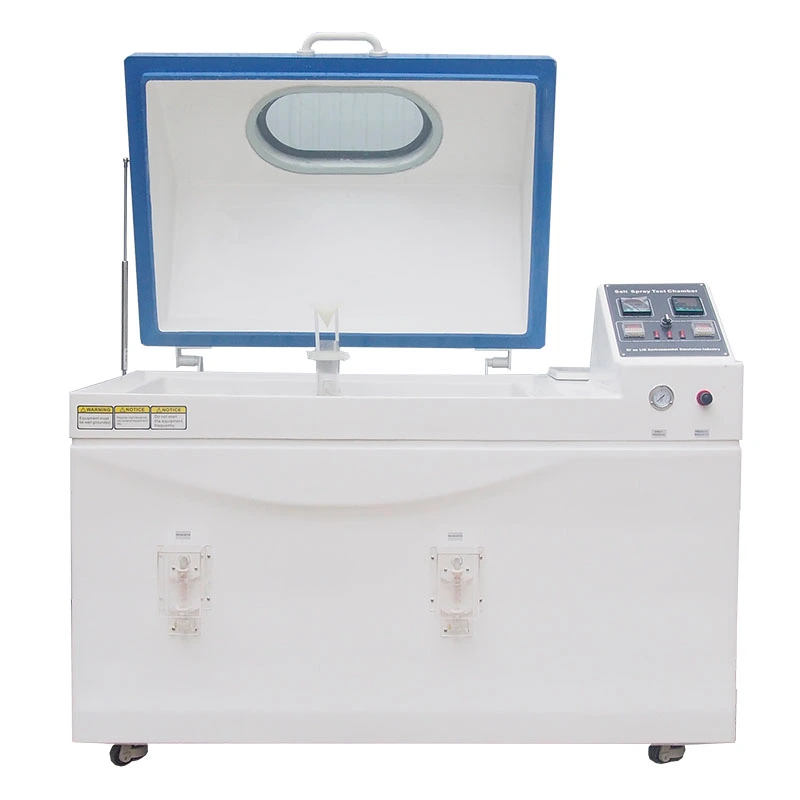
Traceable Accuracy Meeting Aerospace Certification Requirements - LIB Industry
 |
 |
|
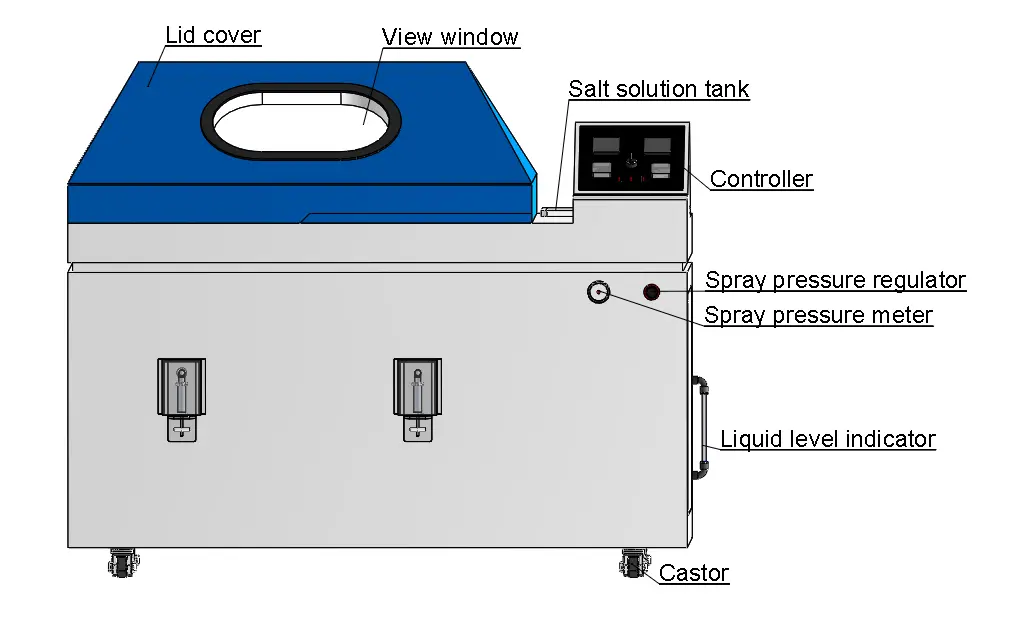
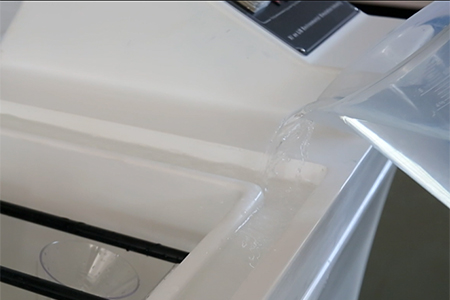
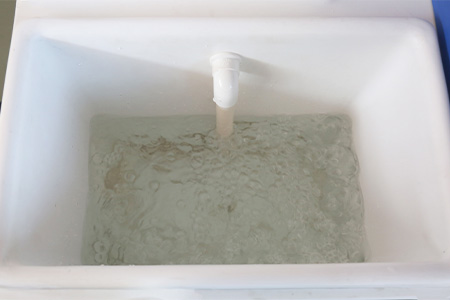
Durable, Leak-Resistant Workspace |
Flexible Sample Rack System |
|
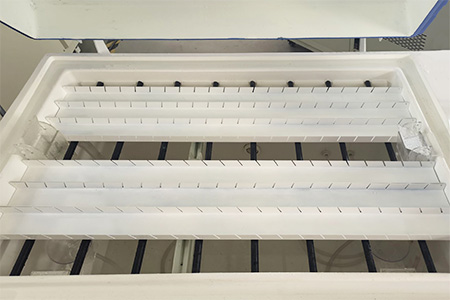
Water-Sealed Lid Design |
Intelligent Controller |
|
Uniform Salt Solution Agitation |
|
Calibration and Metrological Traceability
LIB salt spray test equipment incorporates calibration protocols traceable to national metrology institutes. Temperature sensors undergo annual verification against NIST-traceable reference standards with documented uncertainty budgets. Salt solution concentration verification uses conductivity measurements correlated to gravimetric analysis. Spray deposition collectors positioned per ASTM specifications undergo volume measurement with Class A graduated cylinders. This metrological infrastructure supports ISO/IEC 17025 laboratory accreditation essential for aerospace supplier approval.
Advanced Control System Architecture
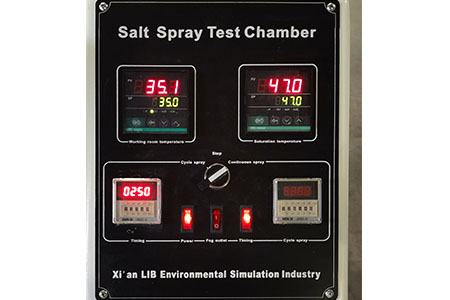
The PLC-based control system monitors critical parameters continuously with 1-second sampling intervals. OMRON relays and Schneider contactors provide reliable switching for heating elements and spray systems. Danfoss electromagnetic valves regulate salt solution flow with ±2% repeatability. RKC temperature controllers maintain chamber conditions within ±0.5°C fluctuation limits. Multi-language touchscreen interfaces display real-time trending and historical data retrieval for audit documentation. Automated alarm systems prevent test invalidation from equipment malfunctions.
Documentation and Compliance Certification
Each LIB chamber includes comprehensive qualification documentation proving compliance with ASTM, ISO, and military specifications. Factory acceptance testing certificates document temperature uniformity surveys, spray distribution mapping, and control system validation. CE certification demonstrates electromagnetic compatibility and electrical safety conformance. SGS and TUV inspection reports verify manufacturing quality management systems. This documentation package satisfies aerospace customer qualification requirements and regulatory audit demands without additional verification testing.
Customization for Specialized Applications
LIB engineering teams design chambers accommodating oversized fastener assemblies or multi-specimen testing racks. SO₂ gas injection systems simulate industrial pollution exposure per ISO 3231 protocols. Programmable cycling controllers alternate between salt spray, humidity soak, and ambient dry-off phases matching ASTM G85-A3 cyclic specifications. Chamber internal volumes ranging from 110 to 1600 liters accommodate testing programs from R&D sampling to production qualification batches. Glass fiber reinforced plastic construction ensures corrosion-free chamber longevity exceeding 15 years.
Conclusion
Aerospace fastener safety fundamentally depends on rigorous corrosion validation through properly executed salt spray testing protocols. The specialized equipment provides controlled environments replicating decades of environmental exposure, enabling manufacturers to verify coating performance and material durability before components enter service. Adherence to international standards, combined with advanced testing capabilities, ensures structural reliability throughout aircraft operational lifespans. Investment in quality salt spray test equipment represents essential risk mitigation for aerospace manufacturers committed to safety excellence and regulatory compliance.
FAQ
How does salt spray testing duration correlate to actual aircraft service life?
Accelerated corrosion rates in controlled chambers typically compress 1-2 years of coastal aircraft operation into 168 hours of continuous exposure. Correlation factors vary based on actual operational environments, with tropical maritime routes requiring longer validation testing than continental operations. Manufacturers establish specific conversion ratios through field correlation studies.
Can salt spray chambers test assembled fastener-panel combinations?
Modern chambers accommodate complete assembly testing including fasteners installed in representative substrate materials. V-shaped holders position mounted panels to simulate actual installation orientations. This approach reveals galvanic corrosion between dissimilar metals and crevice corrosion at interface gaps that isolated fastener testing cannot detect.
What post-test procedures validate fastener mechanical properties retention?
Tensile testing, shear strength measurements, and torque-tension relationship verification quantify strength degradation from corrosion exposure. Hydrogen embrittlement evaluation through slow strain rate testing identifies delayed failure risks. These mechanical tests complement visual corrosion assessment to provide comprehensive safety validation beyond appearance criteria.
Partner with LIB Industry for Aerospace Testing Solutions
LIB Industry delivers turnkey salt spray test equipment solutions designed specifically for aerospace fastener validation and certification requirements. Our engineering team provides comprehensive support from initial specification through installation, calibration, and operator training. As a globally recognized manufacturer and supplier, we maintain ISO 9001 quality systems with CE-certified chambers backed by 3-year warranties. Contact our aerospace testing specialists at ellen@lib-industry.com to discuss your fastener qualification needs and discover customized chamber configurations meeting your exact testing protocols.