Vibration Test Chambers in MIL-STD & IEC Compliance Testing
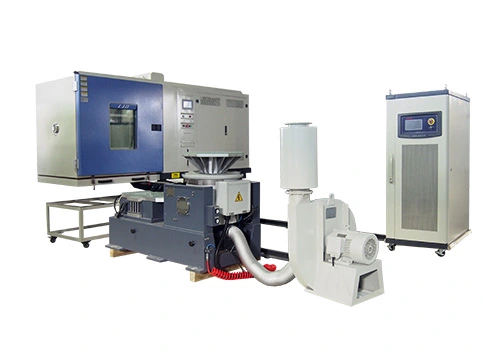
 Vibration test chambers play a critical role in verifying whether products meet rigorous MIL-STD and IEC compliance requirements. These specialized environmental simulation systems replicate real-world mechanical stress conditions, enabling manufacturers to validate product durability before deployment. Military standards like MIL-STD-810 and international guidelines such as IEC 60068 establish specific vibration protocols that components must withstand. By utilizing advanced vibration test chambers equipped with precise frequency control, temperature integration, and data acquisition capabilities, organizations can demonstrate regulatory conformance while identifying potential failure modes early in the development cycle, ultimately reducing field failures and warranty costs.
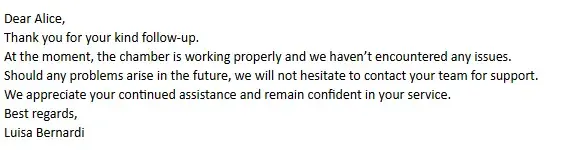
The reliability of LIB Industry vibration test chambers extends beyond specifications, demonstrating consistent performance in real-world operations. A leading Italian electronics manufacturer recently reported excellent results after integrating a LIB vibration chamber into their testing workflow. They noted uninterrupted, stable operation and praised the equipment’s precision and durability. Equally, they highlighted the responsive technical support provided by LIB, which has strengthened their trust in both the product and the brand. This testimonial underscores how LIB vibration test chambers consistently meet the rigorous demands of electronics and automotive testing across Europe and other international markets.
What Are the Key Vibration Requirements in MIL-STD and IEC Standards?
Understanding MIL-STD-810 Vibration Protocols
MIL-STD-810 Method 514 defines vibration testing procedures for military equipment exposed to transportation, handling, and operational environments. The standard specifies acceleration levels, frequency ranges, and duration parameters tailored to specific platform categories including ground vehicles, aircraft, and naval vessels. Test profiles incorporate both sinusoidal sweeps and random vibration patterns that mirror actual mission conditions.
IEC 60068-2-6 and IEC 60068-2-64 Requirements
IEC standards establish internationally recognized vibration testing frameworks for commercial and industrial electronics. IEC 60068-2-6 addresses sinusoidal vibration exposure, while IEC 60068-2-64 focuses on random vibration testing. These specifications define severity levels ranging from gentle handling conditions to harsh industrial environments, with frequency spans typically covering 10 Hz to 2000 Hz depending on application severity.
Frequency Range and Acceleration Specifications
Both standard families mandate specific frequency boundaries and acceleration magnitudes. MIL-STD protocols often require testing from 1 Hz to 2000 Hz with acceleration levels reaching 10 Grms or higher. IEC standards typically specify narrower ranges between 10 Hz and 500 Hz with lower acceleration values. Understanding these parametric differences ensures proper test chamber selection and configuration.
Differences Between Military and IEC Vibration Test Profiles
Test Duration and Cycle Requirements
Military standards generally impose longer test durations reflecting extended field deployment scenarios. MIL-STD-810 may require continuous vibration exposure exceeding 12 hours per axis, whereas IEC standards often specify shorter durations measured in minutes or single-digit hours. This distinction reflects different reliability philosophies between defense applications and commercial product lifecycles.
Environmental Conditioning Integration
MIL-STD testing frequently combines vibration with simultaneous temperature and humidity exposure, simulating multi-stress operational conditions. The standard recognizes that electronic assemblies experience thermal cycling during vibration in actual deployment. IEC protocols traditionally separate environmental stressors, though combined testing options exist. This fundamental approach difference influences chamber design and capability requirements.
Fixture and Mounting Specifications
Military standards provide detailed guidance on specimen mounting techniques, including fixture rigidity requirements and attachment methods. IEC standards offer more flexibility in mounting approaches, allowing manufacturers greater discretion in test setup design. Proper fixture selection dramatically impacts test validity, as resonance amplification or damping can distort applied vibration energy.
|
Standard Type |
Typical Frequency Range |
Acceleration Levels |
Test Duration |
|
MIL-STD-810G/H |
1 Hz - 2000 Hz |
Up to 10+ Grms |
2-12+ hours/axis |
|
IEC 60068-2-6 |
10 Hz - 500 Hz |
0.5-2.0 Grms |
10-90 minutes |
|
IEC 60068-2-64 |
10 Hz - 2000 Hz |
1-5 Grms |
30-120 minutes |
How Vibration Test Chambers Support Compliance Verification
Controlled Environmental Simulation Capabilities
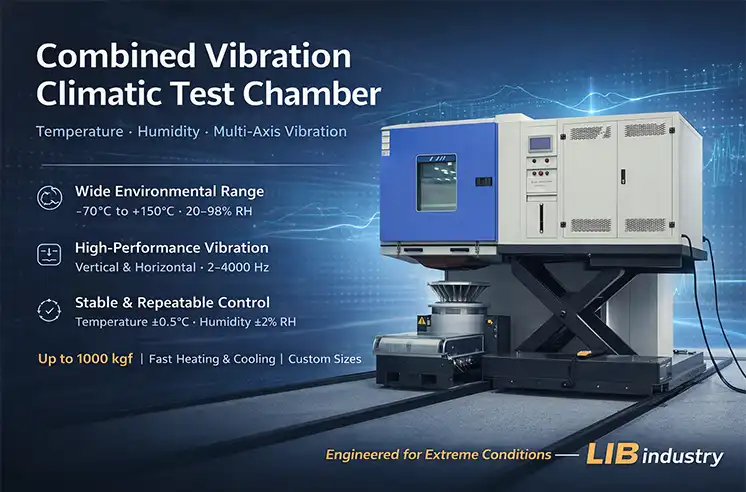
Modern vibration chambers integrate multiple environmental parameters within single systems. Temperature ranges spanning -70℃ to +150℃ combine with humidity control between 20% and 98% RH, enabling simultaneous multi-parameter stress testing. This integrated approach allows direct verification against combined environmental specifications without transferring specimens between separate chambers, maintaining test integrity.
Precision Vibration Generation Systems
High-performance electrodynamic shakers form the core of compliance-grade test chambers. Digital power amplifiers employing sine pulse width modulation technology deliver precise waveform control across broad frequency spectrums. Shaker systems rated for 1000 kgf force capacity with armature diameters of 240mm accommodate substantial test articles while maintaining acceleration uniformity across the test platform.
Data Acquisition and Documentation Systems
Compliance testing demands comprehensive data recording for regulatory submission. Advanced chambers incorporate multi-channel accelerometer inputs, temperature sensors, and humidity monitors that continuously log environmental parameters throughout test sequences. Automated reporting functions generate compliance documentation including acceleration profiles, environmental histories, and statistical analysis required for certification submissions.
Sinusoidal vs Random Vibration in Standards-Based Testing
Sinusoidal Sweep Characteristics and Applications
Sinusoidal vibration testing applies discrete frequency tones that sweep through specified ranges at controlled rates. This methodology effectively identifies resonant frequencies where structural amplification occurs. MIL-STD-810 Method 514 Category 8 and IEC 60068-2-6 both utilize sine sweeps for resonance search procedures, typically conducting logarithmic sweeps at one octave per minute.
Random Vibration Profile Development
Random vibration testing simultaneously applies broadband frequency content matching statistical power spectral density specifications. This approach better replicates complex real-world vibration environments where multiple frequencies occur concurrently. Random profiles are defined by acceleration density expressed in G²/Hz across frequency bands, with shaped spectra matching transportation or operational environments.
Selecting Appropriate Test Methods
Standard selection depends on product application and exposure scenarios. Transportation packaging validation typically employs random vibration matching truck or aircraft spectra. Structural integrity assessment often begins with sine sweeps to locate vulnerable resonances, followed by random testing at resonant peaks. Electronic assemblies mounted in vehicles generally require random testing reflecting road input characteristics.
|
Vibration Type |
Frequency Control |
Typical Application |
Standard Reference |
|
Sinusoidal Sweep |
Discrete tones, logarithmic progression |
Resonance identification |
MIL-STD-810 Cat 8, IEC 60068-2-6 |
|
Random Vibration |
Broadband spectrum, PSD defined |
Transportation simulation |
MIL-STD-810 Cat 4-7, IEC 60068-2-64 |
|
Sine-on-Random |
Combined discrete + broadband |
Complex machinery environments |
Specialized requirements |
Test Setup and Instrumentation for Compliance Vibration Testing
Accelerometer Placement and Calibration
Control accelerometers must be positioned according to standard specifications, typically at fixture interfaces or designated control points. Reference accelerometers mounted on test specimens monitor response characteristics and verify applied energy transmission. All transducers require current calibration certificates traceable to national standards, with calibration intervals not exceeding manufacturer recommendations or standard requirements.
Fixture Design Considerations
Test fixtures should possess fundamental resonances exceeding the highest test frequency by minimum factors of 2-3, preventing fixture dynamics from contaminating specimen response. Aluminum and magnesium alloys provide lightweight rigidity for larger fixtures, while steel constructions suit heavier assemblies. Finite element analysis often validates fixture designs before fabrication, ensuring compliance with rigidity requirements.
Chamber Configuration and Environmental Controls
Proper vibration test chamber setup involves positioning the specimen within the controlled zone where temperature and humidity uniformity meet specification limits. Head expanders extending shaker table dimensions accommodate larger specimens while maintaining vibration uniformity. Horizontal sliding tables enable testing along multiple axes without specimen reorientation, reducing handling risks and setup time.
Common Compliance Pitfalls in MIL-STD and IEC Vibration Tests
Inadequate Pre-Test Functional Verification
Standards require documented functional performance baselines established before vibration exposure. Rushing through pre-test functional checks or inadequately documenting baseline performance creates ambiguity when post-test failures occur. Comprehensive pre-test characterization including electrical parameters, mechanical measurements, and operational performance benchmarks provides clear pass-fail criteria for compliance assessment.
Insufficient Test Article Conditioning Time
Environmental conditioning before initiating vibration sequences ensures specimens reach thermal equilibrium at specified test temperatures. Inadequate soak periods result in thermal gradients within assemblies, potentially affecting structural response or creating condensation issues during testing. Standards typically mandate stabilization periods allowing specimen temperatures to reach within specified tolerances of chamber conditions.
Improper Data Recording and Report Generation
Compliance documentation must include complete test parameters, environmental profiles, specimen identification, and functional test results. Missing accelerometer calibration certificates, incomplete temperature records, or absent functional test data compromise certification submissions. Automated data logging systems configured to capture all required parameters throughout test sequences prevent documentation gaps.
|
Pitfall Category |
Common Error |
Prevention Strategy |
|
Pre-Test Verification |
Incomplete functional baseline |
Establish comprehensive test protocols with documented acceptance criteria |
|
Thermal Conditioning |
Inadequate soak time |
Follow standard-specified stabilization periods, monitor specimen temperatures |
|
Data Documentation |
Missing calibration records |
Implement automated data acquisition with calibration certificate archiving |
Meet Strict Standards Easily Using LIB Industry's Vibration Test Chambers
|
Model |
THV-1000 |
||
|
Internal Dimension (mm) |
1000*1000*1000 |
||
|
Overall Dimension (mm) |
1800*4600*2600 |
||
|
Interior Volume |
1000L |
||
|
Parameter
|
Temperature Range |
—50℃ ~ +150 ℃ |
|
|
Temperature Fluctuation |
± 0.5 ℃ |
||
|
Temperature Deviation |
± 2.0 ℃ |
||
|
Humidity Range |
30% ~ 98% RH |
||
|
Humidity Deviation |
± 2.5% RH |
||
|
Cooling Rate |
5 ℃ / min |
||
|
Heating Rate |
5 ℃ / min |
||
|
Rated Force of Vibration |
1000kgf |
||
|
Frequency Range of Vibration |
2 to 4000 Hz |
||
|
Armature Diameter of shaker |
φ240mm |
||
|
Structure
|
Cooling |
Cooling system |
Mechanical compression refrigeration system |
|
Refrigerating unit |
French TECUMSEH compressor |
||
|
Refrigerant |
R404A, R23 |
||
|
Heating Element |
Nichrome heater |
||
|
Controller |
Programmable color LCD touch screen controller,Ethernet connection, USB |
||
|
Humidity
|
Water supply system |
Automatic water supply |
|
|
Water supply system |
Water purification system |
||
|
Humidifier |
External isolation, stainless steel surface evaporation humidifier |
||
|
Dehumidification |
Evaporator |
||
|
Vibration
|
horizontal sliding table |
600*600 mm |
|
|
Power Amplifier |
Digital power amplifier |
||
|
Head Expander |
600*600 mm |
||
|
Blower |
4Kw blower, including muffler. |
||
|
Max load |
500kgs |
||
|
Sensor |
Temperature Sensor |
PTR Platinum Resistance PT100Ω/MV A-class, accuracy 0.001℃ |
|
|
|
Humidity Sensor |
Dry and wet bulb sensor |
|
|
Build-in Water Tank (mm) |
270*300*450 |
||
|
View Window Size (mm) |
330*370 |
||
|
Air Circulation |
Centrifugal wind fan |
||
|
Safety Device |
Humidifier dry-combustion protection; over-temperature protection; over-current protection; Refrigerant high-pressure protection; Water shortage protection; Earth leakage protection |
||
|
Material
|
Exterior Material |
Steel Plate with protective coating |
|
|
Interior Material |
SUS304 stainless steel |
||
|
Thermal Insulation |
Polyurethane foam and insulation cotton |
||
|
Observation Window |
Interior lighting, double-layer thermo stability silicone rubber sealing |
||
|
Standard Configuration |
Cable hole with plug; 2 shelves |
||
|
Power Supply |
380V 50Hz |
||
Integrated Multi-Parameter Testing Capabilities
LIB Industry vibration test chambers combine temperature ranges from -70℃ to +150℃ with humidity control spanning 20% to 98% RH, enabling complete MIL-STD and IEC compliance verification within single systems. The mechanical compression refrigeration system delivers cooling rates of 5℃ per minute, while controlled heating maintains equivalent warming rates, supporting rapid thermal cycling protocols specified in advanced military standards.
Advanced Vibration System Architecture
Our digital power amplifier technology with sine pulse width modulation ensures precise waveform generation across the complete 2 to 4000 Hz frequency spectrum. The 1000 kgf rated force capacity accommodates substantial test articles, while the φ240mm armature diameter and 600×600mm horizontal sliding table support diverse specimen configurations. Both vertical and horizontal axis testing capabilities with 500 kg maximum load enable comprehensive directional compliance verification.
Comprehensive Safety and Control Features
LIB chambers incorporate multiple protection systems including humidifier dry-combustion protection, over-temperature protection, over-current safeguards, refrigerant high-pressure monitoring, water shortage detection, and earth leakage protection. These integrated safety features ensure unattended operation during extended compliance test sequences. The SUS304 stainless steel interior with polyurethane foam insulation provides long-term durability and temperature uniformity critical for repeatable compliance testing.
Conclusion
Vibration test chambers serve as indispensable tools for manufacturers pursuing MIL-STD and IEC compliance certification. Understanding the distinct requirements between military and commercial standards enables appropriate test methodology selection and chamber specification. Proper instrumentation, fixture design, and environmental integration ensure valid compliance verification while avoiding common testing pitfalls. Advanced vibration test systems with integrated temperature and humidity control capabilities streamline the compliance process, reducing certification timelines and enhancing product reliability confidence.
FAQ
Can a single vibration test chamber accommodate both MIL-STD-810 and IEC 60068 testing requirements?
Modern integrated chambers with wide frequency ranges (1-4000 Hz), high force capacity, and combined environmental control capabilities can execute both military and commercial standard protocols. The key requirements include sufficient acceleration levels, temperature integration, and flexible control software supporting diverse waveform profiles specified across different standards.
What is the typical test duration difference between MIL-STD and IEC vibration protocols?
Military standards generally require significantly longer exposure durations, often 2-12 hours per axis, reflecting extended field deployment scenarios. Commercial IEC standards typically specify shorter durations ranging from 10 minutes to 2 hours, recognizing different product lifecycle expectations and commercial equipment usage patterns compared to defense applications.
How do combined temperature and vibration tests impact compliance verification compared to separate testing?
Combined environmental testing provides more realistic simulation of actual operational conditions where products experience simultaneous thermal and mechanical stress. This approach often reveals failure modes not detected during separate testing, as thermal expansion, material property changes, and stress interactions occur concurrently, yielding more comprehensive reliability assessment for compliance purposes.
Ready to ensure your products meet MIL-STD and IEC vibration standards? LIB Industry, a leading vibration test chamber manufacturer and supplier, provides turn-key environmental testing solutions tailored to your compliance requirements. Our expert team delivers comprehensive support from design through commissioning, installation, and training. Contact us today at ellen@lib-industry.com to discuss your specific testing needs and discover how our advanced chambers can streamline your certification process.