Aerospace qualification testing demands precision equipment capable of replicating the brutal thermal environments encountered during flight operations. Temperature cycling chambers serve as essential validation tools, subjecting components to rapid temperature transitions that mirror conditions from stratospheric cold to engine compartment heat. These specialized chambers enable engineers to verify material integrity, detect latent defects, and ensure mission-critical reliability before components ever leave Earth's surface. Through controlled thermal stress cycling, manufacturers validate that avionics, structural elements, and propulsion systems will perform flawlessly across operational temperature ranges spanning -70°C to +150°C, meeting stringent aerospace certification requirements.
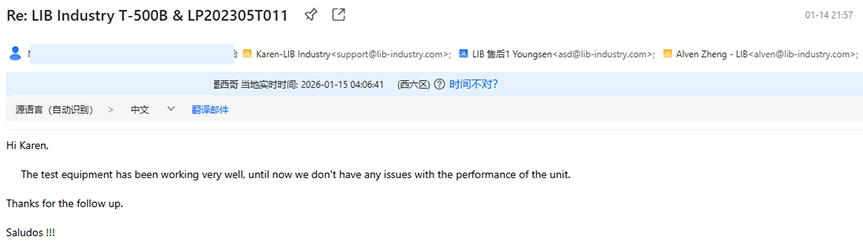
In real-world applications, this performance translates directly into customer confidence. A electronics manufacturer in Mexico recently implemented a temperature cycling chamber for qualification testing of sensitive electronic components. After extended operation across aggressive temperature ramps, the customer reported stable performance, consistent temperature control, and trouble-free operation throughout continuous testing cycles—reinforcing the chamber’s suitability for demanding electronic reliability validation.
Through controlled thermal stress cycling, manufacturers validate that avionics, structural elements, and propulsion systems will perform flawlessly across operational temperature ranges spanning -70°C to +150°C, meeting stringent aerospace certification requirements.
Why Aerospace Components Require Extreme Thermal Testing?
Operational Environment Extremes
Aerospace systems encounter temperature variations unmatched in other industries. Commercial aircraft cruising at 35,000 feet experience exterior skin temperatures plummeting to -56°C, while simultaneously managing internal cabin pressurization and electronics generating substantial heat. Military aircraft face even harsher conditions, with supersonic flight creating aerodynamic heating alongside rapid altitude changes. Satellites endure thermal cycling between -150°C in Earth's shadow and +120°C under direct solar radiation, repeating this cycle every 90 minutes in low Earth orbit.
Material Expansion and Contraction Stress
Thermal expansion coefficients vary significantly across aerospace materials. Aluminum alloys expand approximately 23 micrometers per meter per degree Celsius, while titanium alloys expand only 8.6 micrometers. When dissimilar materials bond in composite structures, differential expansion creates interfacial stress. Temperature cycling chambers replicate these expansion mismatches hundreds or thousands of times, revealing potential delamination, cracking, or fastener loosening that would compromise structural integrity during actual flight operations.
Electronic System Vulnerability
Avionics packages contain dense arrays of semiconductors, capacitors, and interconnects with varying thermal properties. Solder joints connecting components to circuit boards experience fatigue from repeated thermal cycling, eventually developing microcracks that cause intermittent failures. Temperature cycling chambers accelerate this failure mechanism, allowing engineers to identify weak solder formulations, inadequate thermal interface materials, or insufficient conformal coating protection before systems reach production.
Temperature Cycling Standards in Aerospace Qualification
 MIL-STD-810 Environmental Engineering
Military Standard 810 Method 503 defines thermal shock procedures for defense and aerospace applications. This standard specifies temperature transition rates, dwell times, and cycle counts based on anticipated service environments. Test severity levels range from basic commercial aviation (-40°C to +70°C) to extreme military applications (-62°C to +95°C). The standard requires temperature transition rates matching actual operational conditions, typically 10°C per minute, ensuring that test-induced stress accurately represents field exposure.
RTCA DO-160 Airborne Equipment Testing
Commercial aviation relies on RTCA DO-160 Section 4 for temperature variation testing and Section 5 for thermal shock qualification. Category designations (A1 through S2) define specific temperature profiles based on equipment installation location. Equipment installed in unpressurized cargo holds faces Category A3 testing (-55°C to +70°C), while equipment near engines undergoes Category S2 evaluation (+70°C to +160°C). Compliance verification requires precise temperature chamber control maintaining ±2.0°C deviation limits.
ECSS Space Engineering Standards
|
Standard |
Application |
Temperature Range |
Cycle Duration |
|
ECSS-Q-ST-70-04C |
Thermal cycling for space components |
-180°C to +150°C |
Mission-specific |
|
ECSS-E-ST-10-03C |
Testing of space materials |
-100°C to +100°C |
100-1000 cycles |
|
NASA-STD-7003A |
Pyroshock testing |
-65°C to +125°C |
Qualification phase |
European Cooperation for Space Standardization protocols establish thermal cycling requirements for satellites, launch vehicles, and space station modules. These standards mandate accelerated life testing where components undergo thermal cycles exceeding expected mission duration by factors of 2 to 4, ensuring adequate safety margins for irreparable space-deployed systems.
Simulating Flight and Ground Conditions Using Test Chambers
Pre-Flight Ground Operations
Aircraft spending hours on desert tarmacs absorb radiant heat, elevating surface temperatures to +80°C while avionics remain powered. Subsequent takeoff exposes these heat-soaked structures to -50°C stratospheric air within minutes. Temp cycle chambers replicate this transition using programmable controllers that manage heating rates of 10°C per minute followed by equivalent cooling rates. The TR5-500 chamber employs French TECUMSEH compressors with cascade refrigeration systems, enabling precise replication of these demanding thermal profiles across 500-liter test volumes.
High-Altitude Flight Simulation
Stratospheric flight conditions combine low ambient pressure with extreme cold. While dedicated thermal-vacuum chambers test this combination, temperature cycling chambers validate component behavior under atmospheric pressure thermal stress alone. Engineers program test sequences alternating between -70°C cold soaks simulating high-altitude cruise and +150°C hot exposures representing proximity to hydraulic systems or electrical distribution panels. Centrifugal circulation fans ensure uniform temperature distribution within ±0.5°C throughout the chamber volume.
Re-entry and Descent Thermal Profiles
|
Flight Phase |
Temperature Range |
Rate of Change |
Test Chamber Setting |
|
High altitude cruise |
-55°C to -40°C |
Stable |
-50°C soak for 2 hours |
|
Initial descent |
-40°C to +10°C |
5°C/min |
Programmed ramp rate |
|
Ground approach |
+10°C to +40°C |
3°C/min |
Controlled heating |
|
Post-landing soak |
+40°C to +65°C |
Radiant gain |
Hot soak validation |
Space vehicles returning through atmospheric friction experience even more dramatic thermal transitions. Although ablative heat shields protect primary structures, internal components still encounter significant temperature cycling. Test chamber programming recreates these mission profiles, validating that payload electronics survive the transition from space vacuum cold to atmospheric friction heating.
Identifying Material and Assembly Weak Points in Aerospace Parts
Composite Structure Delamination Detection
Carbon fiber reinforced polymer composites dominate modern aerospace structures due to exceptional strength-to-weight ratios. However, manufacturing defects including resin-rich areas, void formations, or incomplete curing create delamination susceptibilities. Temperature cycling induces differential expansion between fiber layers and resin matrices, propagating initial flaws into measurable delaminations. Engineers monitor test specimens using ultrasonic inspection before and after thermal cycling, quantifying delamination growth rates and establishing material acceptance criteria.
Solder Joint Fatigue Analysis
Aerospace electronics utilize various solder alloys depending on application severity. Traditional tin-lead eutectic solders offer excellent fatigue resistance but face environmental restrictions. Lead-free alternatives including SAC305 (tin-silver-copper) provide compliance but exhibit different thermal fatigue characteristics. Temperature cycling chambers accelerate solder joint failure through controlled thermal expansion mismatch. Testing protocols specify 500 to 2000 cycles between temperature extremes, with periodic electrical continuity testing identifying incipient failures before complete joint separation occurs.
Seal and Gasket Degradation
Environmental seals protecting connectors, access panels, and instrumentation ports must maintain integrity across operational temperature ranges. Elastomeric materials including silicone, fluorosilicone, and perfluoroelastomers exhibit varying compression set characteristics under thermal cycling. Temperature cycling test chamber testing evaluates seal performance by measuring leak rates at temperature extremes. Components failing to maintain hermetic seals below specified leak rates (typically 1×10⁻⁶ mbar·L/s) require material reformulation or design modification.
Data Interpretation for Aerospace Component Certification
Temperature Sensor Calibration Requirements
Accurate thermal cycling data depends on precision temperature measurement. Aerospace qualification testing mandates PTR Platinum Resistance PT100Ω sensors with Class A accuracy (±0.15°C at 0°C). The TR5 series chambers employ multiple PT100 sensors positioned throughout the test volume, continuously logging temperature distribution. Calibration certificates traceable to national standards ensure measurement uncertainty remains within certification body requirements. Data acquisition systems sample temperatures at minimum one-second intervals, capturing thermal transition dynamics essential for compliance documentation.
Failure Mode Analysis Procedures
|
Failure Type |
Detection Method |
Acceptance Criteria |
Corrective Action |
|
Electrical discontinuity |
Continuous resistance monitoring |
<1 ohm change |
Solder joint reinforcement |
|
Visual cracking |
Post-cycle microscopy |
Zero surface cracks |
Material substitution |
|
Performance degradation |
Functional testing per cycle |
<5% parameter drift |
Design optimization |
|
Hermetic seal failure |
Helium leak testing |
<1×10⁻⁶ mbar·L/s |
Seal material upgrade |
Certification authorities require comprehensive failure documentation including high-resolution photographs, scanning electron microscopy of fracture surfaces, and energy-dispersive X-ray spectroscopy identifying contamination or material anomalies. Test reports must correlate observed failures with specific thermal cycle counts, enabling reliability predictions using Coffin-Manson fatigue models or Arrhenius acceleration factors.
Statistical Validation Requirements
Aerospace qualification protocols demand statistical confidence in test results. Sample sizes typically range from 3 specimens for initial design validation to 30 specimens for production qualification. Data analysis employs Weibull distribution modeling to characterize failure probability versus cycle count. Certification approval requires demonstrating that 99% of production units will survive specified cycle counts with 90% statistical confidence, necessitating extensive testing across multiple production lots and environmental chamber configurations.
Improving Aerospace Product Reliability Through Thermal Cycling
Accelerated Life Testing Principles
Temperature cycling serves as an acceleration mechanism revealing latent defects that might remain dormant during standard operational lifespans. Acceleration factors derive from Arrhenius equations relating failure rates to absolute temperature. Cycling between -55°C and +125°C (400K range) provides acceleration factors between 10 and 100 depending on failure mechanism activation energy. This enables condensing 20-year service life validation into 6-month test programs, dramatically reducing development timelines while maintaining certification confidence.
Design Optimization Feedback Loops
Early-stage thermal cycling uncovers design vulnerabilities amenable to correction before production commitment. Engineers discovering solder joint failures at 200 cycles might implement thermal relief patterns in circuit board layouts, reducing stress concentration. Composite delamination observed during testing drives process improvements including modified cure cycles or enhanced surface preparation. This iterative optimization guided by chamber testing results in robust final designs exceeding minimum qualification requirements.
Production Quality Screening
Beyond qualification testing, temperature cycling chambers serve as production screening tools identifying manufacturing defects. Environmental stress screening (ESS) subjects 100% of production units to abbreviated thermal cycling, precipitating infant mortality failures. Components surviving ESS exhibit significantly improved field reliability. Screening profiles typically apply 5-10 thermal cycles between operational temperature extremes, sufficient to trigger workmanship defects while avoiding fatigue damage to properly manufactured units.
Meet Rigorous Aerospace Standards with LIB Industry Temperature Cycling Chambers
Multi-Stage Refrigeration Performance
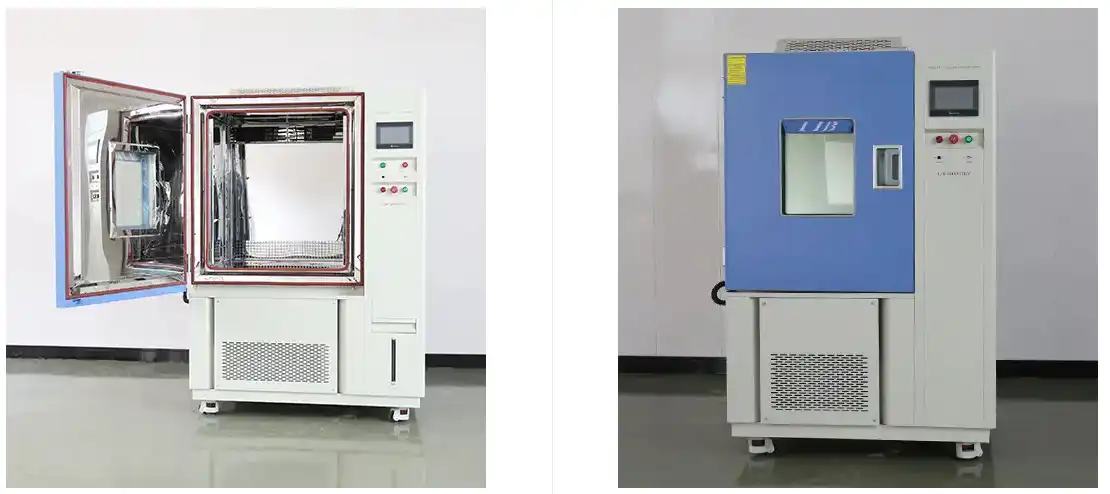
LIB Industry temperature cycling chambers employ advanced cascade refrigeration architecture enabling -70°C operational capability. The primary refrigeration stage utilizes R404A refrigerant optimized for moderate temperature reduction, while the secondary stage employs R23 achieving cryogenic performance. This cascaded approach delivers 10°C per minute cooling rates across the entire -70°C to +150°C operational envelope, meeting the most demanding aerospace test protocol requirements including MIL-STD-810 Method 503 and RTCA DO-160 Category C1 specifications.
Programmable Control Precision
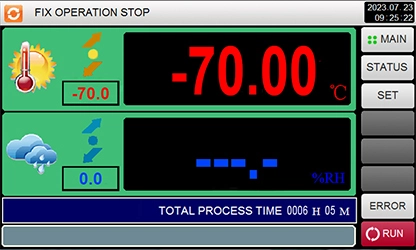
Aerospace qualification testing demands precise thermal profile execution. The TR5 series features programmable color LCD touchscreen controllers storing up to 100 distinct test sequences. Each program accommodates 999 individual steps specifying target temperatures, ramp rates, and soak durations. PID control algorithms with auto-tuning functionality maintain temperature stability within ±0.5°C during steady-state conditions and precisely control transition rates. Ethernet connectivity enables remote monitoring and data export, facilitating compliance with FDA 21 CFR Part 11 electronic record requirements.
Chamber Configuration Flexibility
|
Model |
Internal Volume |
Temperature Range |
Typical Applications |
|
TR5-100 |
100L |
-70°C to +150°C |
Avionics modules, sensors |
|
TR5-225 |
225L |
-70°C to +150°C |
Flight control assemblies |
|
TR5-500 |
500L |
-70°C to +150°C |
Satellite components, actuators |
|
TR5-1000 |
1000L |
-70°C to +150°C |
Engine accessories, full systems |
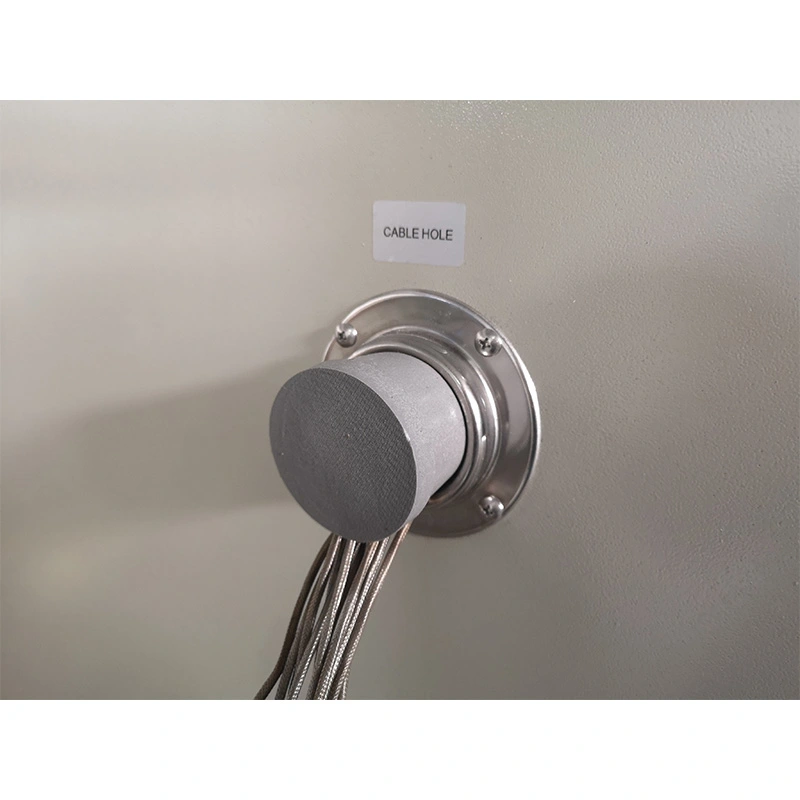
Chamber volumes ranging from 100 liters to 3000 liters accommodate components from individual circuit cards to complete propulsion system assemblies. SUS304 stainless steel interiors resist corrosion from humidity cycling, while polyurethane foam insulation minimizes energy consumption during extended test programs. Standard 50mm cable ports with silicone plugs enable powered testing of avionics while maintaining thermal isolation.
 |
|
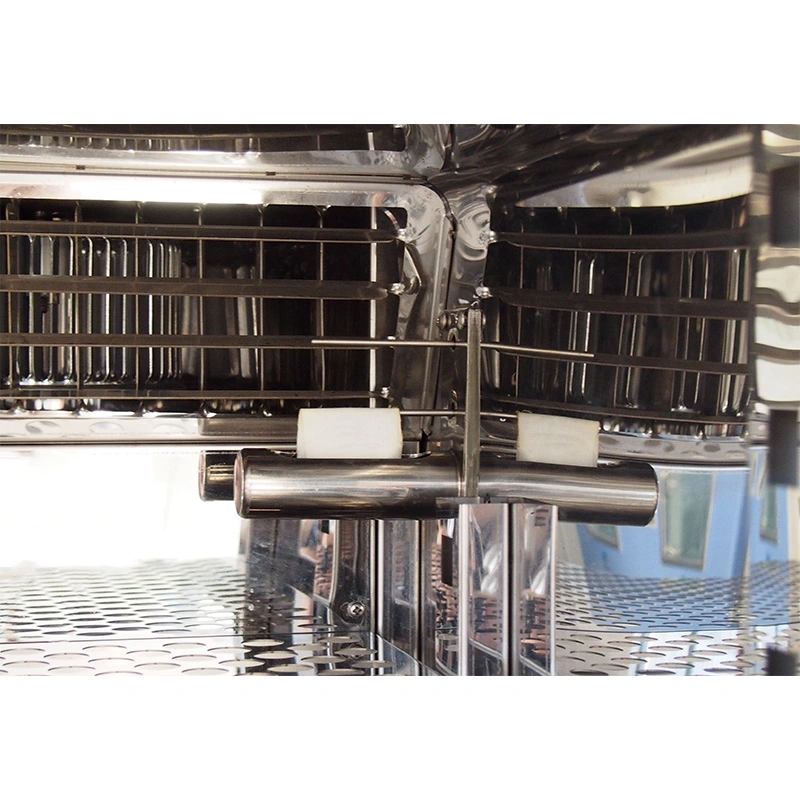 |
| Cable Hole | Controller | Temperature and Humidity Sensor |
Conclusion
Temperature cycling chambers represent indispensable tools for aerospace qualification, transforming abstract certification requirements into tangible validation evidence. Through precise thermal profile control, these chambers compress decades of operational exposure into accelerated test programs, revealing material vulnerabilities and design weaknesses before components encounter actual flight environments. The integration of advanced refrigeration technology, programmable control systems, and comprehensive safety features enables engineers to meet increasingly stringent aerospace standards while maintaining development schedule efficiency and cost-effectiveness.
FAQ
What temperature transition rates do aerospace standards require for qualification testing?
Most aerospace standards including MIL-STD-810 and RTCA DO-160 specify temperature transition rates between 5°C and 15°C per minute, depending on component installation location and operational profile. LIB Industry chambers provide programmable ramp rates from 5°C to 15°C per minute, ensuring compliance across all aerospace qualification protocols.
How many thermal cycles are typically required for aerospace component certification?
Qualification requirements vary by component criticality and application. Commercial avionics typically undergo 200-500 cycles per RTCA DO-160, while military aerospace components may require 1000+ cycles per MIL-STD-810. Space-qualified components often endure cycle counts exceeding anticipated mission exposure by factors of 2-4, potentially reaching several thousand cycles.
Can temperature cycling chambers accommodate powered testing of aerospace electronics?
LIB Industry chambers feature standard cable ports with soft silicone seals enabling electrical connections during testing. This powered testing capability allows real-time monitoring of avionics functionality throughout thermal cycling, immediately detecting performance degradation or intermittent failures that might not appear during unpowered testing.
Partner with LIB Industry for Aerospace Testing Excellence
LIB Industry stands as a trusted temperature cycling chamber manufacturer and supplier, delivering precision testing solutions to aerospace leaders worldwide since 2009. Our comprehensive turn-key approach encompasses design consultation, installation, training, and lifetime technical support, ensuring your qualification testing programs achieve certification success. Contact our aerospace testing specialists at ellen@lib-industry.com to discuss custom chamber configurations meeting your specific aerospace qualification requirements.