How Salt Spray Testing Improves Powder Coating Specs?
Salt spray testing provides powder coating manufacturers with quantifiable corrosion resistance data that transforms subjective quality claims into objective performance specifications. A salt spray chamber creates controlled corrosive environments using atomized sodium chloride solution, simulating years of coastal or industrial exposure within days or weeks of accelerated testing. This validation methodology reveals coating vulnerabilities - pinholes, inadequate thickness, poor substrate adhesion, or insufficient cure - before products enter service. By systematically evaluating coating formulations, application parameters, and pretreatment processes through standardized salt fog exposure, manufacturers optimize powder coating specifications that deliver measurable durability improvements. These empirical performance benchmarks strengthen customer confidence, support warranty commitments, and enable competitive differentiation in markets demanding proven corrosion protection.
Why Powder Coatings Require Corrosion Resistance Testing?
Substrate Protection as Primary Functional Requirement
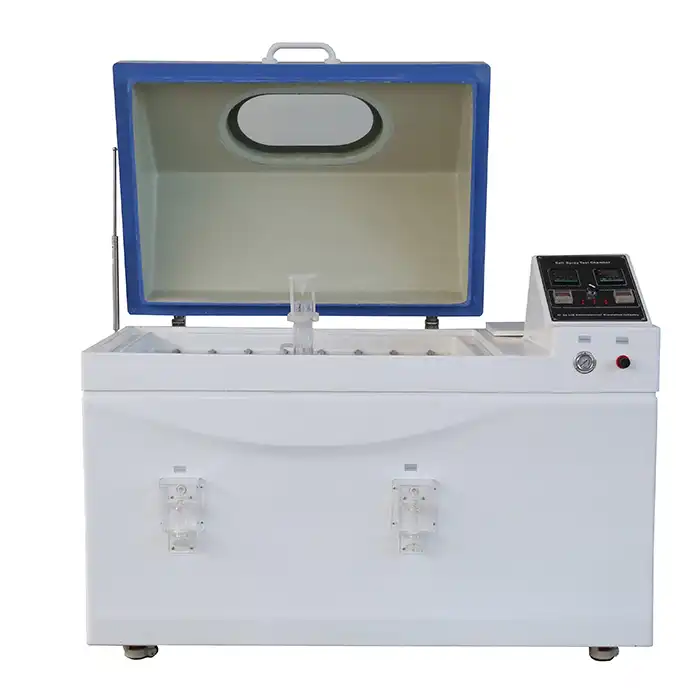
Powder coatings serve as the critical barrier preventing atmospheric moisture, oxygen, and corrosive contaminants from reaching underlying metal substrates. Steel, aluminum, and galvanized surfaces rapidly corrode when exposed to saline environments, industrial pollutants, or acidic precipitation. A salt spray chamber subjects coated panels to continuous corrosive attack, identifying weak points where electrochemical corrosion initiates - data essential for validating that coating systems meet their fundamental protective function.
Economic Consequences of Premature Coating Failure
Corrosion-related failures generate substantial costs through warranty claims, product replacements, and reputation damage. Architectural metal panels showing rust staining, automotive components requiring refinishing, or appliance housings developing surface corrosion trigger customer dissatisfaction and financial liability. Salt fog testing during formulation development costs significantly less than post-market failures, reducing total quality costs while building brand equity based on proven durability.
Regulatory and Specification Compliance Requirements
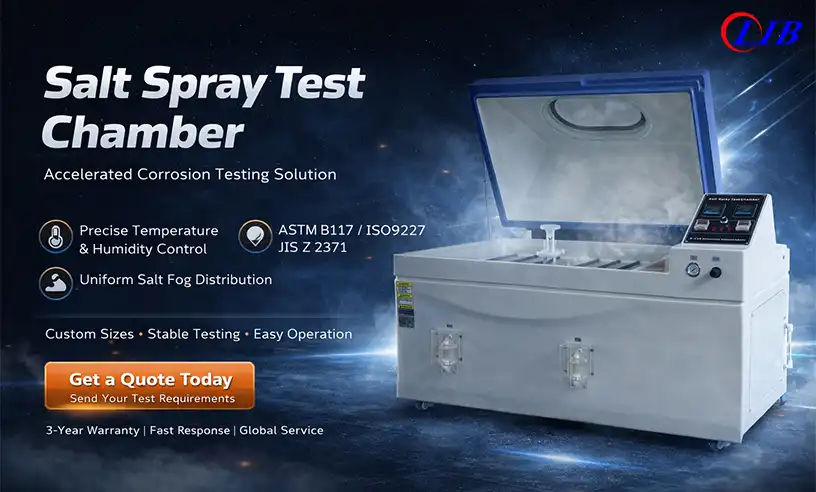
Many industries mandate corrosion resistance testing for powder-coated products. Architectural specifications reference AAMA 2604 or 2605 standards requiring specific salt spray exposure durations without failure. Automotive components comply with manufacturer-specific corrosion standards. A salt spray chamber meeting ASTM B117, ISO 9227, and JIS Z 2371 standards provides the testing platform necessary for demonstrating compliance, enabling market access and contract qualification.
Table 1: Industry-Specific Corrosion Requirements for Powder Coatings
|
Industry Sector |
Typical Standard |
Minimum Salt Spray Duration |
Evaluation Criteria |
|
Architectural Aluminum |
AAMA 2605 |
4000 hours |
≤ 8mm scribe creep |
|
Automotive Exterior |
SAE J2334 |
1000-2000 hours |
No blistering, ≤ 2mm creep |
|
Appliance Components |
Industry-specific |
500-1000 hours |
No visible rust staining |
|
Industrial Equipment |
ASTM D1654 |
500-1500 hours |
Rating 7 or better |
Simulating Harsh Environmental Exposure in Salt Spray Chambers
Accelerated Corrosion Through Continuous Salt Fog
Natural coastal exposure subjects materials to intermittent salt deposition followed by wetting-drying cycles. A salt spray chamber intensifies this process by maintaining continuous exposure to atomized 5% sodium chloride solution at controlled temperature (typically 35°C). Spray deposition rates of 1-2ml per 80cm² per hour ensure consistent salt loading across all test specimens, compressing years of service life into weeks of testing.
Temperature and Humidity Control for Corrosion Acceleration
Electrochemical corrosion rates double approximately every 10°C temperature increase. Chamber temperature control from ambient to 60°C with ±0.5°C fluctuation maintains optimal conditions for corrosion processes. Humidity regulation between 95-98% RH ensures electrolyte films remain on coating surfaces, sustaining ionic conductivity necessary for galvanic corrosion. These precisely controlled conditions deliver meaningful acceleration without introducing unrealistic degradation mechanisms.
Continuous Versus Cyclic Exposure Protocols
Traditional neutral salt spray testing employs continuous fog exposure, while cyclic corrosion tests alternate between salt spray, ambient drying, and humidity exposure phases. Cyclic protocols often correlate better with real-world performance because wet-dry transitions generate osmotic stress within coating films. The programmable controller in advanced salt spray chambers executes complex cyclic sequences - spray, dry, humidity dwell - repeated for hundreds of cycles, matching specific application environments.
Measuring Coating Adhesion and Surface Degradation
Scribe Creep Quantification Methods
Evaluating corrosion resistance requires creating intentional defects that expose substrate metal, then measuring how far corrosion propagates from these scribes. Test panels receive standardized crosshatch or single-line scribes penetrating to bare metal before salt spray exposure. Post-exposure examination measures creepage distance from scribe edges. Specifications typically limit acceptable creep to 2-4mm depending on coating class. The transparent viewing window in quality chambers enables periodic visual monitoring.
Blister Formation and Size Classification
Water permeation through coating films causes osmotic blistering when soluble contaminants remain at the coating-substrate interface. ASTM D714 establishes standardized blister size and density ratings from 10 (no blistering) to 0 (severe blistering). Powder coating specifications typically require ratings of 8 or better after prescribed exposure durations, distinguishing superior barrier coatings from marginal performers.
Rust Staining and Surface Appearance Evaluation
Even when substrate corrosion remains localized, rust products migrating through coating films create unsightly surface staining. ASTM D610 provides standardized rust grading from 10 (no rusting) to 0 (>50% surface area rusted). Architectural coatings demand ratings of 9 or 10 throughout warranty periods. The central viewing window in well-designed salt spray chambers facilitates documentation through photography at regular intervals.
ASTM and ISO Standards for Powder Coating Validation
ASTM B117 Neutral Salt Spray Testing
ASTM B117 establishes the foundational protocol for salt spray testing, specifying chamber design requirements, solution preparation (5% NaCl), temperature control (35°C ±2°C), and fog deposition rates. A compliant salt spray chamber incorporates fog collectors positioned within the exposure zone, measuring deposition rate using graduated cylinders. The saturated air barrel preheats compressed air before atomization, preventing temperature fluctuations that affect fog density.
ISO 9227 Accelerated Corrosion Testing Protocols
ISO 9227 covers multiple salt spray test variants: neutral salt spray (NSS), acetic acid salt spray (AASS), and copper-accelerated acetic acid salt spray (CASS). Powder coating validation typically employs NSS conditions, but comparative testing using AASS reveals margin of safety in coating barrier properties. The adjustable spray tower height and volume controls in advanced chambers accommodate these protocol variations.
Industry-Specific Testing Requirements
Beyond general standards, specialized sectors impose additional requirements. AAMA 2605 for architectural coatings specifies 4000-hour salt spray exposure with maximum 8mm scribe creep. Automotive OEM specifications detail cyclic protocols combining salt spray, humidity, and ambient drying. A versatile salt spray chamber accommodates these diverse requirements through programmable spray patterns and sufficient interior volume ranging from 110L to 1600L across model variants.
Table 2: Salt Spray Test Evaluation Parameters and Rating Systems
|
Degradation Type |
Measurement Standard |
Rating Scale |
Typical Spec Requirement |
|
Scribe Creepage |
ISO 4628-8 |
mm from scribe edge |
≤ 2mm (architectural), ≤ 4mm (industrial) |
|
Blister Severity |
ASTM D714 |
0-10 scale |
Rating ≥ 8 after specified hours |
|
Rust Coverage |
ASTM D610 |
0-10 scale |
Rating ≥ 9 (architectural), ≥ 7 (industrial) |
|
Adhesion Loss |
ASTM D3359 |
0B-5B scale |
≥ 4B after exposure |
Comparing Powder Coating Formulations Through Corrosion Tests
Resin System Performance Differentiation
Powder coating resins - polyester, epoxy, polyurethane, hybrid chemistries - exhibit dramatically different corrosion resistance characteristics. Pure epoxies provide excellent barrier properties and adhesion but chalk under UV exposure. Polyesters offer superior exterior durability but slightly lower moisture resistance. Salt spray testing quantifies these differences: epoxy-based coatings might show <1mm creep after 1000 hours while polyester formulations demonstrate 2-3mm creep under identical conditions.
Pigment and Extender Influence on Barrier Properties
Pigment particles create tortuous paths that increase moisture diffusion distances through coating films. Lamellar pigments like micaceous iron oxide orient parallel to substrate surfaces, providing particularly effective barrier enhancement. Salt fog testing reveals that formulations containing 5% micaceous iron oxide might reduce scribe creep by 30-40% compared to unpigmented controls, optimizing formulation balance between cost and corrosion protection.
Cure Schedule Optimization Through Performance Testing
Powder coating cure temperature and duration profoundly affect crosslink density, which determines barrier properties. Undercured coatings exhibit incomplete polymer network formation, creating pathways for moisture permeation. Salt spray evaluation of panels cured across a matrix of temperatures and times maps the cure window delivering optimal performance, establishing process control limits balancing production efficiency with corrosion resistance.
Enhancing Product Durability with Salt Spray Performance Data
Establishing Realistic Warranty Periods
Warranty duration represents a critical competitive factor. Salt spray correlation studies in a salt spray chamber comparing accelerated test results with documented field performance establish scientifically defensible warranty periods. Coating systems showing <2mm creep after 2000 hours typically support 10-15 year coastal environment warranties, while those reaching 2mm creep at 500 hours justify only 3-5 year non-coastal warranties.
Pretreatment Process Validation and Optimization
Powder coating performance depends critically on substrate preparation - cleaning, etching, and conversion coating application. Iron phosphate, zinc phosphate, and chromate conversion coatings each provide different corrosion resistance. Salt fog testing reveals that zinc phosphate pretreatment reduces scribe creep by 40-60% compared to iron phosphate, justifying the additional process cost for premium applications.
Application Parameter Refinement for Enhanced Performance
Film thickness, application voltage, powder particle size distribution, and cure conditions all influence corrosion resistance. Systematic salt spray evaluation across designed experiments identifies optimal application windows. Testing often reveals that excessive film thickness (>100 μm) may reduce performance compared to 60-80 μm films due to increased internal stress and reduced cure efficiency.
LIB Industry Enhances Powder Coating Performance Through Corrosion Testing
 |
 |
|
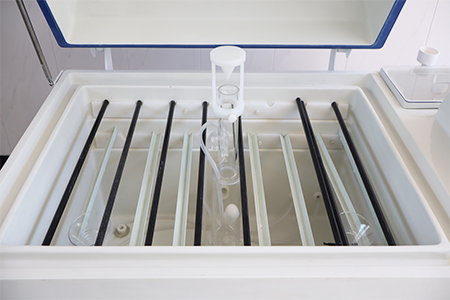
Durable, Leak-Resistant Workspace |
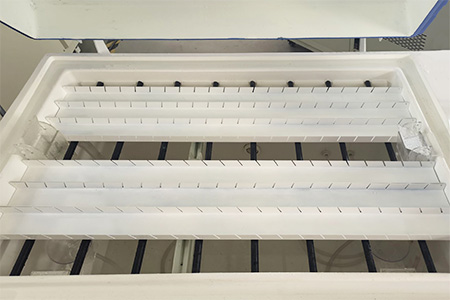
Flexible Sample Rack System |
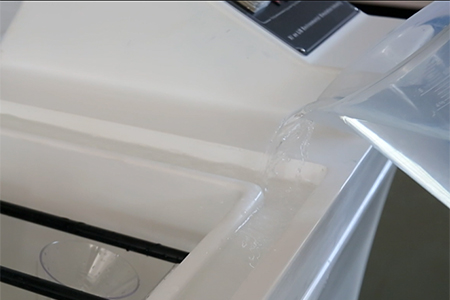
Water-Sealed Lid Design |
|
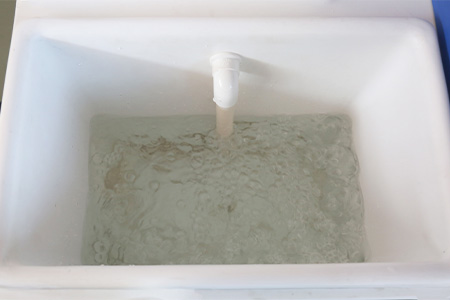
Uniform Salt Solution Agitation |
Intelligent Controller |
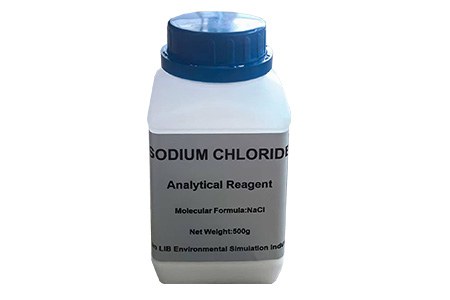
Included Industrial-Grade Salt |
Precision Environmental Control Systems
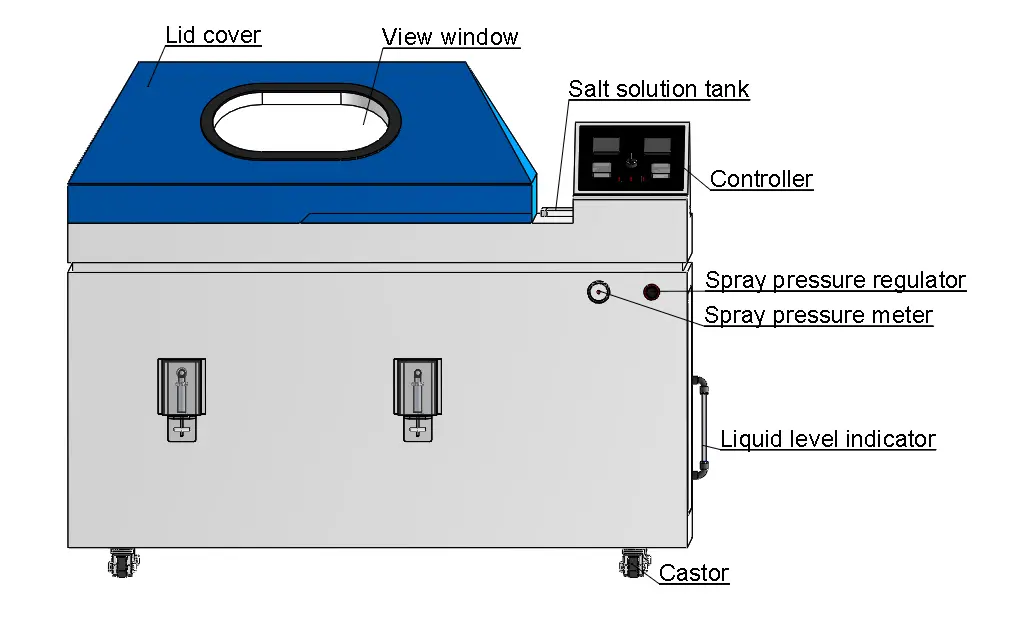
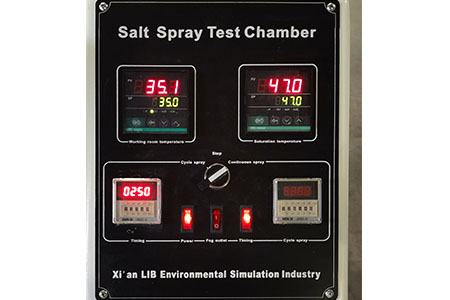
LIB Industry's salt spray chamber incorporates advanced temperature regulation maintaining 35°C ±0.5°C fluctuation and ±2.0°C spatial deviation throughout the exposure zone. The saturated air barrel with dry-combustion protection preheats compressed air, stabilizing fog temperature before atomization. Humidity control spanning 95-98% RH prevents premature specimen drying while avoiding condensation, delivering the reproducibility essential for formulation optimization.
Customizable Chamber Configurations
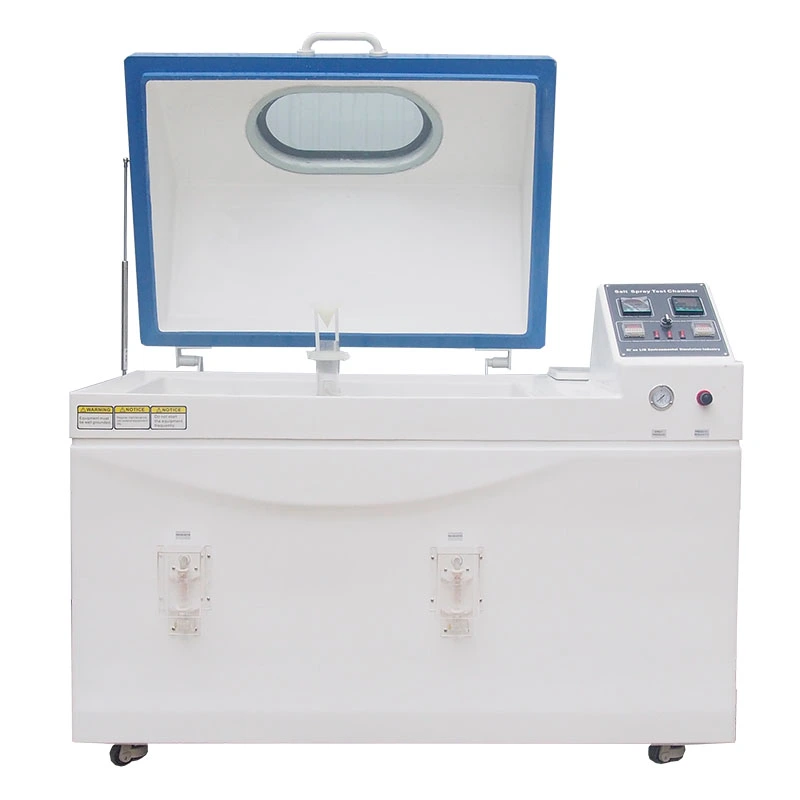
LIB Industry offers six chamber size variants from 110L to 1600L internal dimensions, accommodating diverse specimen geometries. The adjustable spray tower height and volume controls enable optimization for different test standards. Glass fiber reinforced plastic construction resists corrosive environment degradation while the transparent central viewing window permits visual monitoring. Pneumatically operated canopy with safety interlock and dry seal gasket enhances operator convenience.
Comprehensive Safety and Convenience Features
Extended salt spray testing presents operational challenges. LIB salt spray chambers incorporate external portable salt solution tanks facilitating cleaning without chamber disassembly. Automatic water shortage protection prevents spray system damage, while earth leakage protection guards against electrical hazards. The timed canopy lock automatically purges chamber interior with fresh air after test completion, protecting operators from concentrated salt fog inhalation.
Conclusion
Salt spray testing transforms powder coating development from trial-and-error into data-driven optimization, providing quantifiable performance metrics that guide formulation refinement and specification establishment. By subjecting coatings to accelerated corrosive attack within controlled laboratory environments, manufacturers identify vulnerabilities, validate improvements, and establish warranty periods grounded in measurable evidence. This systematic approach enhances product durability, reduces field failures, and builds customer confidence through demonstrated performance, delivering competitive advantage in markets demanding proven longevity and documented quality assurance.
FAQ
How does salt spray test duration correlate with real-world coastal exposure?
Correlation varies significantly by coating type and location. General approximations suggest 1000 hours neutral salt spray roughly equals 1-2 years severe marine exposure, though cyclic corrosion tests often correlate better. Establishing accurate correlations requires parallel accelerated and outdoor exposure programs comparing identical coatings in both environments.
Can powder coatings be tested immediately after application or must they age before salt spray exposure?
Coatings should undergo complete cure and conditioning before testing. Industry practice recommends 24-48 hour ambient conditioning post-cure, allowing residual stresses to equilibrate and full crosslink development. Some specifications mandate 7-day conditioning before exposure, particularly when evaluating adhesion-dependent properties where time-dependent bond strength development influences performance.
What causes some powder coatings to pass continuous salt spray but fail cyclic corrosion tests?
Cyclic tests introduce additional stress mechanisms: osmotic pressure from wet-dry concentration cycles, thermal stress from temperature variations, and mechanical stress from humidity-induced volume changes. Coatings with marginal adhesion or slight cure defects may withstand continuous mild stress but fail under cyclic severity, making cyclic testing more discriminating.
Elevate Your Powder Coating Development with LIB Industry Testing Solutions
As a specialized salt spray chamber manufacturer and supplier, LIB Industry provides complete corrosion testing systems backed by technical expertise and global service infrastructure. Contact our application specialists at ellen@lib-industry.com to discuss chamber configurations optimized for your powder coating validation requirements.