Selecting roofing materials isn't just about aesthetics - it's fundamentally about performance under relentless environmental assault. An accelerated weathering tester provides critical insights by simulating years of UV exposure, temperature fluctuations, and moisture cycles within weeks. This technology allows architects, contractors, and manufacturers to evaluate material degradation patterns before installation, eliminating costly field failures. By replicating authentic weathering conditions through controlled xenon arc irradiation and climate cycling, these testing chambers reveal which materials maintain structural integrity, color stability, and water resistance throughout their expected service life, transforming material selection from educated guesswork into data-driven decision-making.
Key Environmental Risks for Roofing Material Performance
 Roofing materials face multiple environmental challenges simultaneously, creating complex degradation patterns that standard testing cannot adequately predict. Understanding these risk factors is essential for selecting materials that will perform reliably across diverse climate zones.
Ultraviolet Radiation Damage
UV radiation represents the primary photodegradation mechanism for most roofing materials. Short-wave UV energy breaks molecular bonds in polymers, asphalts, and protective coatings. This process initiates surface chalking, discoloration, and eventual material embrittlement. Different roofing types exhibit varying sensitivity levels - thermoplastic polyolefin (TPO) membranes, modified bitumen, and asphalt shingles each respond uniquely to UV exposure intensity and wavelength distribution.
Thermal Cycling Stress
Rooftop surface temperatures can fluctuate 50-70°C between night and day, creating continuous expansion-contraction cycles. These thermal movements generate mechanical stress at seams, fasteners, and material interfaces. Materials with mismatched thermal expansion coefficients develop premature cracking, delamination, or fastener pullout. Metal roofing, single-ply membranes, and composite shingles each demonstrate distinct thermal fatigue characteristics requiring specific evaluation protocols.
Moisture and Humidity Effects
Water exposure accelerates degradation through multiple pathways: hydrolytic decomposition of polymer chains, freeze-thaw damage in porous materials, and corrosion of metallic components. Humidity variations affect dimensional stability, particularly in cellulose-based materials and certain foam insulations. Coastal installations face additional salt-spray challenges that compound moisture-related deterioration mechanisms not encountered in continental climates.
Simulating Sunlight, Rain, and Heat Exposure Conditions
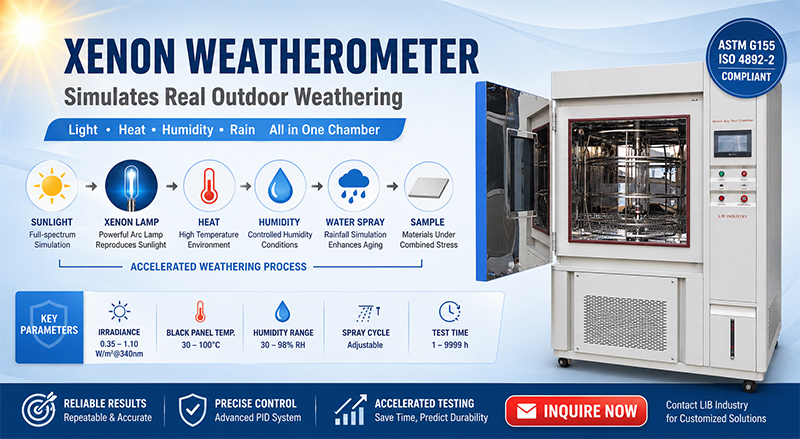
Accelerated weathering testers recreate authentic environmental conditions through precisely controlled light sources, temperature regulation, and moisture delivery systems. This simulation capability compresses decades of natural exposure into manageable testing timeframes.
Xenon Arc Full-Spectrum Light Reproduction
The 4500W water-cooled xenon arc lamp generates spectral output closely matching natural sunlight across the critical 280-800 nm wavelength range. Different filter configurations modify this spectrum to replicate specific exposure conditions: daylight filters for open-air exposure, window glass filters for behind-glazing applications, and UV-extended filters for accelerated testing. This flexibility ensures roofing materials receive wavelength distributions matching their intended service environment, providing realistic photodegradation assessment.
Controlled Temperature and Moisture Cycling
Black panel temperature control from 35-85°C with ±2°C accuracy simulates the extreme surface temperatures experienced on rooftops. Humidity regulation spanning 30-98% RH enables wet-dry cycling that replicates dew formation, rain events, and subsequent drying periods. Programmable spray functions deliver water directly onto heated specimens, reproducing thermal shock conditions when cold rain contacts sun-heated roofing surfaces - a particularly damaging scenario for many materials.
Programmable Exposure Protocols
Modern weathering chambers support complex exposure cycles combining light, dark, temperature, and moisture phases. Typical roofing test protocols alternate between UV exposure at elevated temperatures, dark condensation periods, and water spray cycles. These programs can mirror seasonal variations or concentrate the most damaging conditions to identify performance limits. Testing protocols aligned with ASTM G155 and ISO 4892 standards ensure results translate meaningfully to field performance predictions.
|
Exposure Condition |
Natural Weathering |
Accelerated Testing |
|
UV Irradiance |
25-60 W/㎡ (varies) |
35-150 W/㎡ (controlled) |
|
Temperature Range |
-40 to 80°C (seasonal) |
35-100°C (programmable) |
|
Humidity Control |
Uncontrolled (climate dependent) |
30-98% RH (±2.5% precision) |
|
Time Compression |
Real-time (years) |
1 week ≈ 1-3 years |
Comparing Durability of Different Roofing Material Types
Each roofing material category exhibits unique weathering characteristics that accelerated testing reveals through comparative evaluation. Understanding these differences guides material selection for specific climate zones and performance requirements.
Asphalt Shingle Performance Characteristics
Traditional asphalt shingles demonstrate vulnerability to UV-induced oxidation, leading to granule loss and substrate brittleness. Weathering tests quantify the protective effectiveness of mineral granule coatings and assess how modified asphalt formulations resist thermal aging. Premium architectural shingles with enhanced polymer modifications typically show 30-50% longer service life predictions compared to standard three-tab designs when subjected to identical accelerated exposure conditions.
Single-Ply Membrane Weathering Behavior
TPO, EPDM, and PVC roofing membranes each display distinct degradation patterns. TPO membranes may experience chalking and strength reduction through polymer chain scission, while EPDM shows superior UV stability but potential plasticizer migration issues. PVC membranes maintain flexibility longer but require stabilizer packages to prevent discoloration. Accelerated testing quantifies these differences, revealing which formulations maintain tensile strength, elongation, and tear resistance throughout projected service intervals.
Metal Roofing Coating Integrity
While metal substrates resist UV degradation, protective coating systems determine long-term appearance and corrosion resistance in an accelerated weathering tester. Weathering chambers evaluate paint adhesion, color retention, and chalking resistance for polyester, silicone-modified polyester, and fluoropolymer coatings. Testing reveals how different coating technologies perform under combined UV exposure and thermal cycling - critical information for warranty validation and coating selection optimization.
Measuring Cracking, Fading, and Surface Degradation
Quantitative assessment of weathering damage requires systematic measurement protocols that track material property changes throughout accelerated exposure. These measurements provide objective performance data supporting material comparison and selection decisions.
Color Stability and Gloss Retention
Spectrophotometric analysis captures precise color shift data using standardized scales like ΔE (CIELAB color difference). Roofing materials experiencing significant fading may show ΔE values exceeding 5 units after equivalent 5-year exposure, indicating unacceptable appearance degradation. Gloss meters measure surface reflectance changes, with many architectural materials specified to retain minimum 50% of initial gloss values. Regular measurements throughout testing cycles establish degradation rate curves predicting when materials will reach aesthetic failure thresholds.
Mechanical Property Deterioration
Tensile strength, elongation at break, and tear resistance measurements reveal structural degradation invisible to visual inspection. Flexible roofing membranes must maintain minimum 1000 psi tensile strength and 200% elongation for adequate performance. Weathering-induced reductions below these thresholds indicate premature service life limits. Brittleness testing identifies when materials become prone to cracking during installation or thermal cycling - a common failure mode for aged roofing products.
Surface Texture and Integrity Changes
Digital microscopy and surface profilometry document chalking, cracking, and erosion patterns developing during accelerated exposure. Chalking depth measurements quantify how UV degradation produces loose surface powder, compromising protective coatings. Crack density mapping identifies when thermal cycling stress exceeds material fatigue limits. These visual documentation methods complement mechanical testing, providing comprehensive degradation characterization supporting informed material selection.
|
Performance Metric |
Measurement Method |
Acceptable Change Limit |
|
Color Shift (ΔE) |
Spectrophotometry |
≤ 3 units (5 years equivalent) |
|
Gloss Retention |
60° Gloss Meter |
≥ 50% of original value |
|
Tensile Strength |
ASTM D412 |
≥ 80% of original value |
|
Elongation |
ASTM D412 |
≥ 70% of original value |
|
Crack Density |
Visual/Microscopy |
No cracks > 1mm depth |
Industry Standards for Roofing Weather Resistance Testing
Standardized testing protocols ensure weathering data provides meaningful, comparable results across different laboratories and material types. Compliance with recognized standards validates testing methodology and supports product certification requirements.
ASTM G155 Xenon Arc Exposure Standards
ASTM G155 establishes xenon arc weathering test procedures using an accelerated weathering tester widely recognized throughout the roofing industry. This standard specifies exposure conditions including irradiance levels, black panel temperature ranges, and humidity control parameters. Different practice sections within G155 address specific material categories and exposure scenarios. Following these protocols ensures test results align with established performance databases, enabling meaningful comparisons between new formulations and proven materials.
ISO 4892 International Testing Harmonization
ISO 4892 provides internationally harmonized weathering test methods applicable across global markets. These standards facilitate product certification for international roofing projects and support multinational manufacturers developing materials for diverse climate zones. Alignment between ASTM and ISO standards allows test data generated in one regulatory framework to satisfy requirements in another, streamlining the product validation process.
Material-Specific Testing Requirements
Beyond general weathering standards, roofing materials often require compliance with product-specific test protocols. ASTM D4434 addresses poly(vinyl chloride) roofing membranes, while ASTM D7869 covers asphalt shingles. These specialized standards incorporate weathering exposure as part of comprehensive performance evaluation including wind resistance, water penetration, and fire classification. Understanding which standards apply to specific roofing types ensures testing programs address all relevant performance criteria.
|
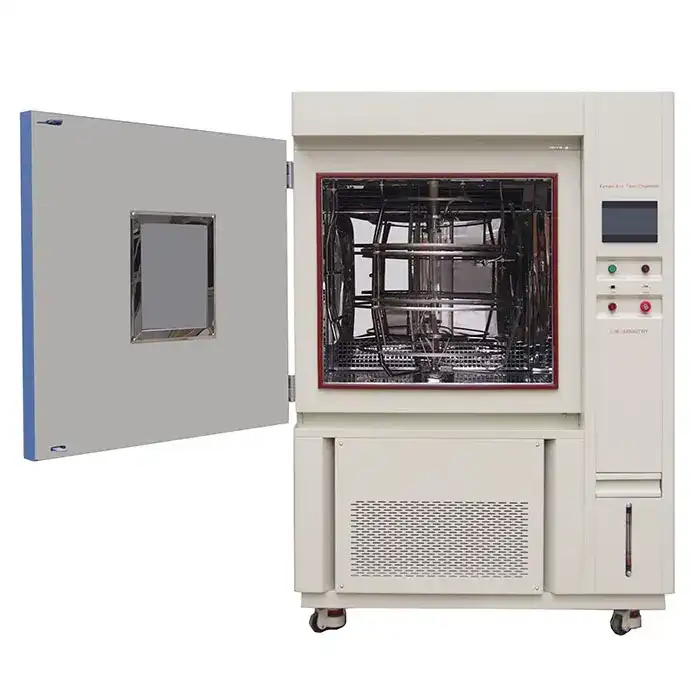
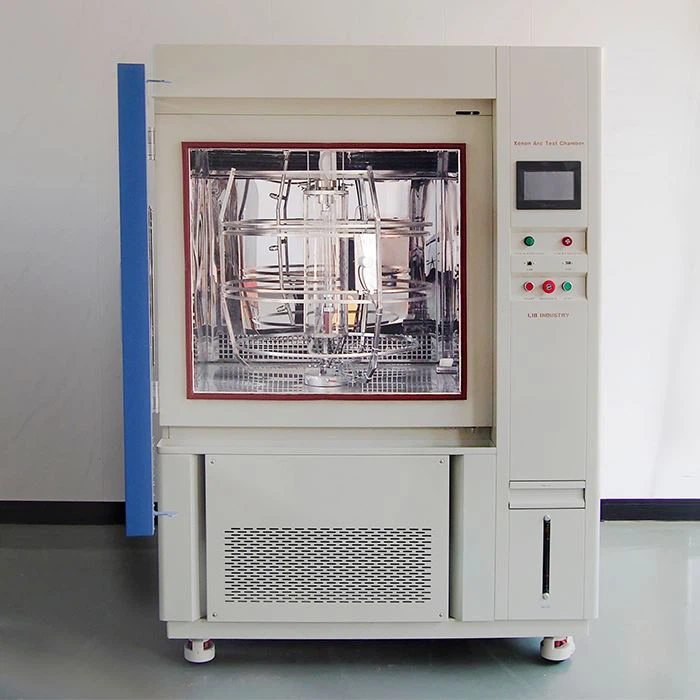
Xenon Test Chamber (ASTM G155) LIB Xenon Test Chamber simulates full-spectrum sunlight, temperature, humidity, and rain for accelerated weathering testing of coatings, plastics, and composites. 4500W water-cooled xenon lamp ASTM G155 / ISO 4892-2 compliant 35–98% RH humidity control Rotating specimen rack for 42 samples 👉 Ideal for long-term outdoor durability simulatio |
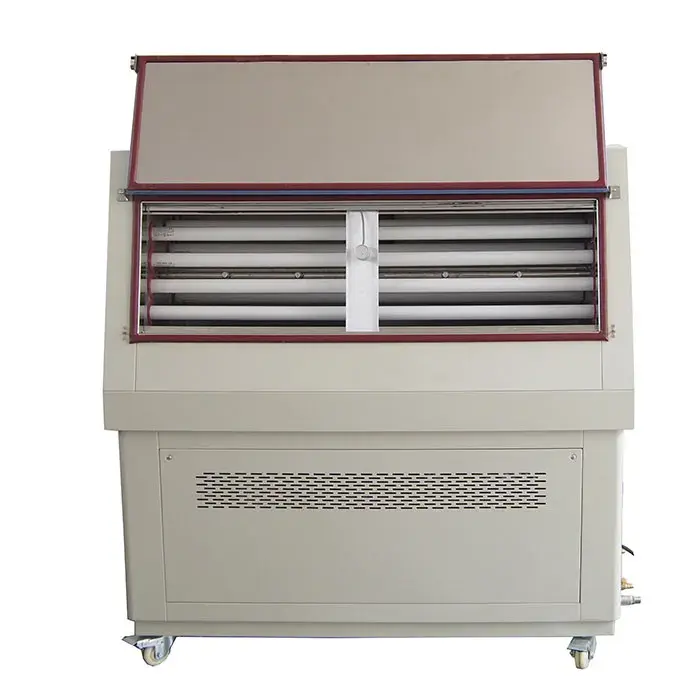
UV Weathering Test Chamber (ASTM G154)Designed for rapid UV aging of materials using fluorescent UV lamps to simulate sunlight degradation. UVA-340 / UVB-313 lamps ASTM G154 / ISO 4892-3 compliant Fast material screening 👉 Best for quick UV resistance evaluation |
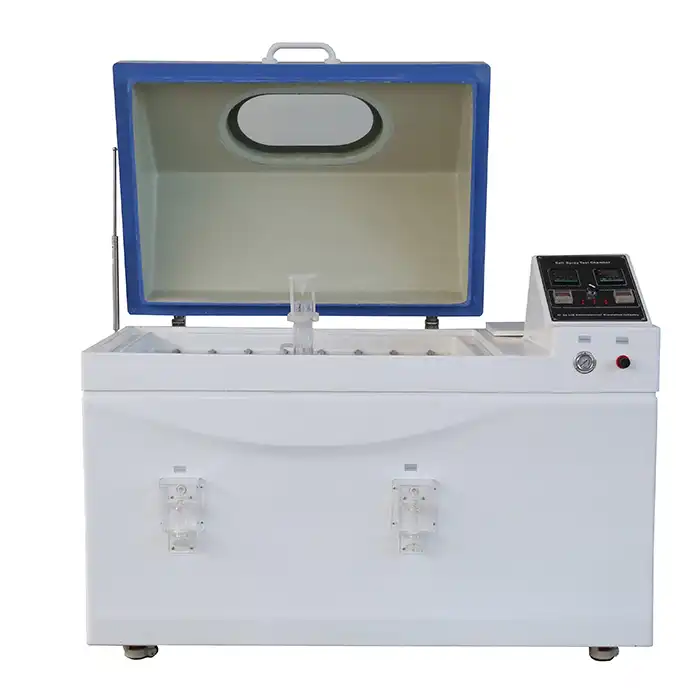
Used for corrosion resistance testing under simulated marine and industrial salt fog environments. ASTM B117 / ISO 9227 compliant Continuous or cyclic spray modes Corrosion resistance evaluation 👉 Suitable for metal and coating protection testing |
Using Accelerated Weathering Data for Material Selection
Translating laboratory weathering data into practical material selection decisions requires understanding correlation factors, performance thresholds, and application-specific requirements. Effective data utilization transforms test results into competitive advantages.
Establishing Performance Benchmarks
Creating material performance databases through systematic weathering testing enables objective comparison of competing products. By testing multiple formulations under identical conditions, manufacturers identify which compositions deliver superior durability. Architects and specifiers use this benchmark data to establish minimum performance criteria for project specifications, ensuring selected materials meet long-term durability expectations. Comparative testing reveals whether premium materials justify higher costs through extended service life.
Climate-Specific Material Matching
Roofing performance requirements vary dramatically across climate zones - materials excelling in moderate temperate regions may fail prematurely in high-UV desert environments or freeze-thaw dominated northern climates. Accelerated weathering testing with exposure protocols tailored to specific climate conditions identifies optimal material matches. Desert installations prioritize UV and thermal stability, coastal applications emphasize moisture and salt resistance, while northern climates demand freeze-thaw durability. Testing data guides climate-appropriate material selection.
Warranty Validation and Life Cycle Costing
Manufacturers support product warranties with accelerated weathering data demonstrating materials will perform throughout guaranteed periods. Testing equivalent to 15-30 year exposure provides confidence supporting long-term warranty offerings. Building owners use this durability data for life cycle cost analysis, comparing initial material costs against projected replacement intervals. Materials showing 40% longer service life may justify 25% higher initial costs, delivering superior total cost of ownership.
|
Climate Zone |
Primary Degradation Factor |
Recommended Test Focus |
Typical Acceleration Factor |
|
Desert/Arid |
UV radiation + high heat |
Extended UV exposure (150 W/㎡) |
1:12 (1 month = 1 year) |
|
Coastal |
Salt spray + moisture |
UV + salt fog + humidity cycling |
1:8 |
|
Temperate |
Moderate UV + thermal cycling |
Balanced UV + wet/dry cycles |
1:10 |
|
Cold Climate |
Freeze-thaw + ice damming |
Thermal shock + moisture cycling |
1:6 |
LIB Industry Supports Accurate Roofing Material Durability Evaluation
|
|
 |
 |
|
|
Model |
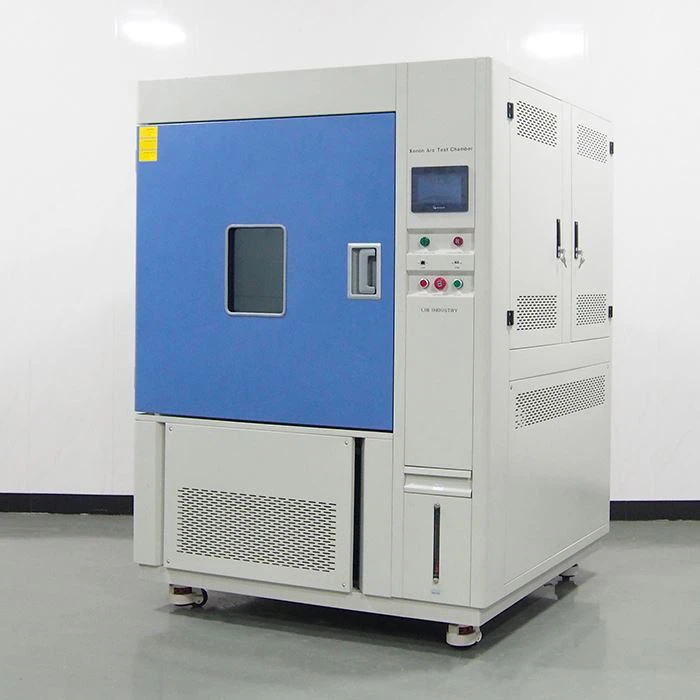
XL-S-750 Xenon Arc Weathering Test Chamber |
|
Internal Dimension (mm) |
950*950*850 mm |
|
Overall Dimension (mm) |
1300*1420*1800 mm |
|
Sample holder |
Adjustable speed, 1r /min |
|
Chamber Type |
Rotating Holder |
|
Irradiation Source |
1 piece of 4500w water-cooled xenon arc lamp with inner quartz and outer borosilicate filter |
|
Irradiance Range |
150 W/㎡ |
|
Bandwidth Measurement |
300~400 nm |
|
Chamber Temperature Range |
-40~ 100 ℃ ±2 ℃ |
|
Black Panel Temperature |
BPT 35 ~ 85 ℃ ±2 ℃ |
|
Humidity Range |
30 % ~ 98 % RH |
|
Water Spray Cycle |
1~9999 H 59 M (Adjustable) |
|
Controller |
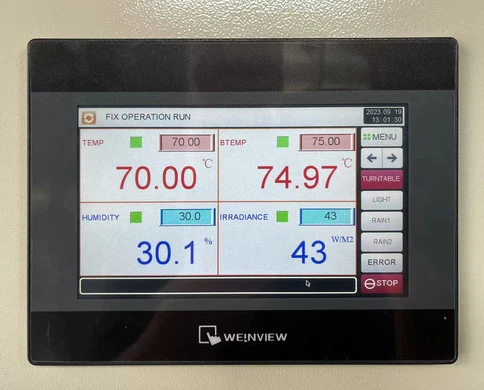
Programmable color LCD touch screen controller |
|
Radiometer |
UV Radiometer, Tolerance: ±5 % |
Multi-standard compatibility including ASTM G155, ISO 4892-2, and SAE J2527
|
|
|


xenon lamp and filters
 |
 |
 |
|
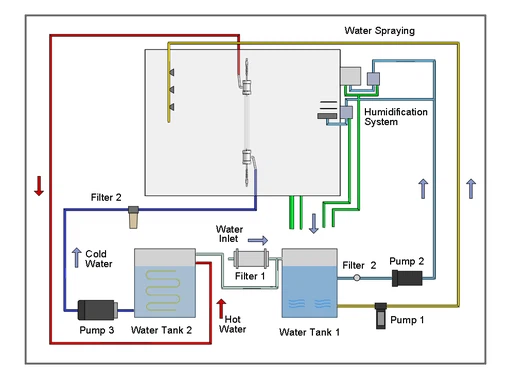
| Spraying system provides uniform water over specimens. Automatic water supply, filtration, and drainage ensure uninterrupted long-term testing. | |

LIB Industry delivers comprehensive accelerated weathering testing solutions specifically configured for roofing material evaluation requirements. Our equipment and support services enable manufacturers and testing laboratories to generate reliable performance data supporting material development and selection.
Advanced Testing Chamber Capabilities
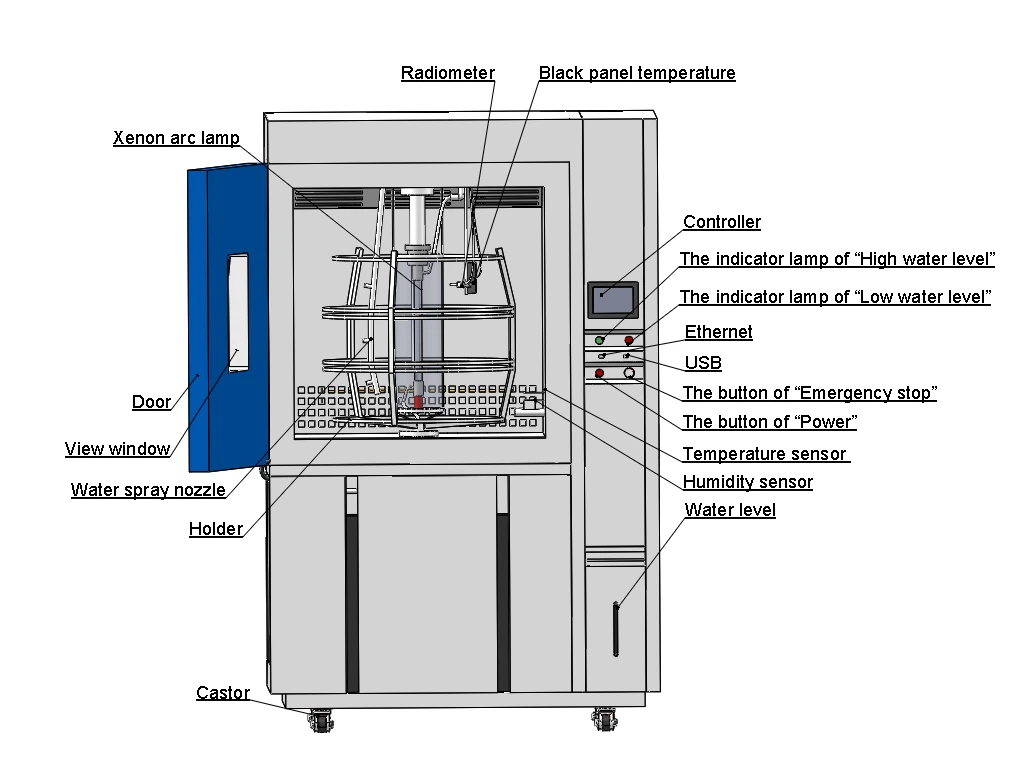
LIB accelerated weathering testers feature rotating specimen holders accommodating 42 samples simultaneously, ensuring uniform exposure conditions across all test pieces. The 4500W water-cooled xenon lamp with 1600-hour lifespan delivers stable irradiance throughout extended test programs. Interchangeable filter systems enable testing under daylight, window glass, or UV-extended spectral conditions. Black panel temperature control from 35-85°C with ±2°C accuracy and humidity regulation spanning 30-98% RH with ±2.5% precision ensure authentic environmental simulation.
Intelligent Control and Data Management
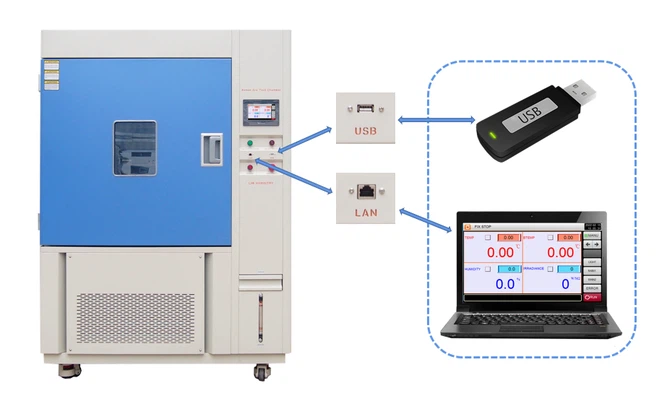
Built-in smart PID control systems provide real-time monitoring of irradiance and black panel temperature, automatically adjusting operating parameters to maintain programmed conditions. Comprehensive data logging captures complete exposure history supporting detailed performance analysis. Multi-language interfaces with Ethernet and Wi-Fi connectivity enable remote monitoring and centralized laboratory equipment management. USB data download facilitates integration with analytical software for advanced statistical evaluation.
Global Support and Service Excellence
Since 2009, LIB has served testing institutes, university laboratories, and manufacturers across 60+ countries. Our trusted partners include leading automotive, aerospace, and building materials companies requiring validated weathering test data. With 29 international specialists and service centers in Malaysia, Canada, the United Kingdom, and the United States, we provide high-quality localized support. Every accelerated weathering tester includes a 3-year warranty and lifetime service support with 24/7 global assistance, ensuring your testing operations maintain continuous productivity.
Conclusion
Accelerated weathering testers transform roofing material selection from subjective assessment to objective, data-driven decision-making. By simulating years of UV exposure, thermal cycling, and moisture challenges within controlled timeframes, these testing chambers reveal which materials will maintain performance throughout their intended service life. Whether evaluating asphalt shingles, single-ply membranes, or metal roofing systems, weathering test data provides the critical durability information supporting confident material choices that protect buildings and minimize lifecycle costs.
FAQ
How long does accelerated weathering testing take for roofing materials?
Typical roofing material weathering tests run 1,000-3,000 hours depending on desired equivalent exposure years. Most protocols simulate 5-10 years of natural weathering within 2-6 months. Testing duration depends on material type, climate simulation requirements, and applicable standards.
Can weathering test results predict exact roofing material lifespan?
Accelerated testing provides comparative durability data rather than absolute lifespan predictions. Results indicate relative performance between materials and identify when degradation reaches failure thresholds. Correlation with field-aged samples improves lifespan estimation accuracy for specific climate conditions.
What roofing materials benefit most from accelerated weathering testing?
All UV-sensitive roofing materials benefit from weathering evaluation, including asphalt shingles, TPO/PVC/EPDM membranes, modified bitumen, composite materials, and coated metal roofing. Materials with polymer components, organic fillers, or protective coatings show the most significant performance variations requiring testing verification.
Ready to validate your roofing material performance? LIB Industry, a leading environmental test chamber manufacturer, delivers turn-key accelerated weathering testing solutions tailored to your specific requirements. Contact our technical specialists at ellen@lib-industry.com for personalized consultation and equipment recommendations.