Bridge infrastructure represents critical transportation assets requiring decades of reliable service, yet steel components face constant corrosion threats from environmental exposure. Corrosion testing, particularly through salt spray chamber technology, provides essential validation of protective coating systems before field application. By simulating aggressive marine and de-icing salt environments, these chambers reveal coating weaknesses that could compromise structural integrity. Engineers and coating manufacturers utilize accelerated corrosion testing to evaluate galvanized layers, paint systems, and metallization treatments, ensuring bridge steel withstands harsh conditions throughout its design life. This proactive testing approach prevents catastrophic failures, reduces lifecycle maintenance costs, and extends infrastructure service intervals - transforming bridge protection from reactive repair to predictive prevention.
Environmental Factors Causing Bridge Steel Corrosion
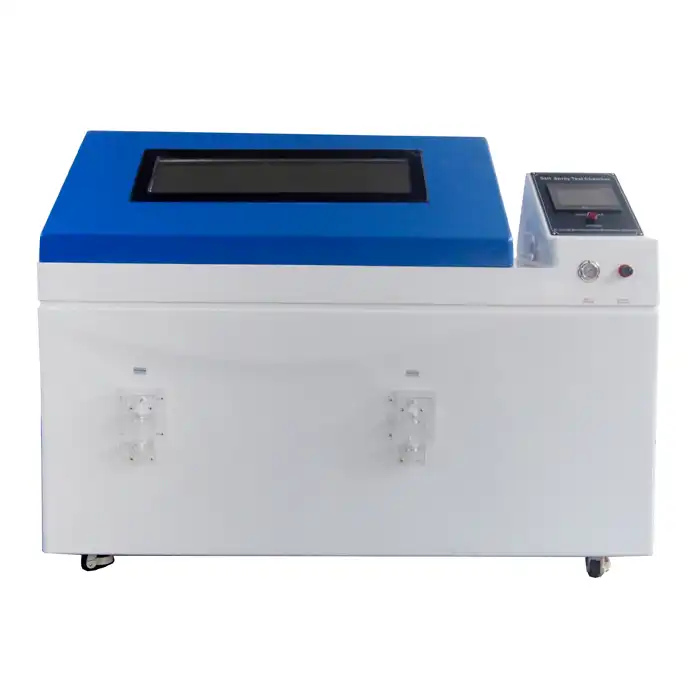 Bridge steel structures encounter multiple corrosive environments simultaneously, creating complex degradation patterns that compromise structural capacity and safety. Understanding these environmental attack mechanisms is fundamental to developing effective protection strategies.
Chloride Exposure from Road De-icing Salts
Winter road maintenance operations introduce massive chloride quantities directly onto bridge decks and structural members. Sodium chloride and calcium chloride de-icing agents dissolve into aggressive electrolyte solutions that penetrate coating defects and initiate rapid corrosion. Research indicates bridge steel in northern climates receives chloride loadings exceeding 200 kg per lane-kilometer annually. These chlorides accumulate in crevices, under coating disbondments, and within concrete-steel interfaces, establishing persistent corrosion cells that remain active year-round despite seasonal salt application patterns.
Marine Atmospheric Corrosion Mechanisms
Coastal bridges experience accelerated corrosion from salt-laden air containing airborne sodium chloride particles. Wind-driven sea spray deposits salt crystals on steel surfaces where moisture absorption creates highly corrosive surface films. Marine atmospheric conditions generate corrosion rates 10-100 times higher than inland environments depending on distance from shoreline and prevailing wind patterns. Steel components in splash zones or tidal influence areas face even more severe attack from continuous wetting-drying cycles that concentrate chlorides and maximize oxygen availability.
Industrial Pollutants and Acid Rain Effects
Urban and industrial bridge locations encounter additional corrosion accelerators including sulfur dioxide, nitrogen oxides, and particulate matter. These pollutants absorb moisture forming sulfuric and nitric acid solutions that lower surface pH values, compromising protective oxide films and coating adhesion. Acid rain containing pH levels below 4.5 directly attacks metallic zinc in galvanized coatings, reducing their sacrificial protection effectiveness. Combined pollutant exposure creates synergistic corrosion acceleration beyond individual environmental factor predictions.
Salt Spray Testing for Protective Steel Coatings
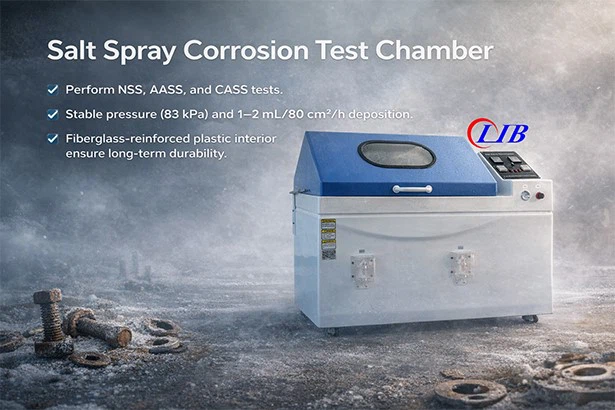
Salt spray chamber testing provides standardized, accelerated evaluation of coating system corrosion resistance under controlled aggressive conditions. This methodology enables objective comparison of protective treatments before field deployment.
Continuous Salt Fog Exposure Principles
Salt spray chambers generate fine mist of 5% sodium chloride solution maintaining 95-98% relative humidity at controlled temperatures between 35-60°C. Atomizer systems produce fog particles sized 1-10 micrometers that settle uniformly across test specimens at 1-2 ml per 80 cm² hourly. This continuous salt fog exposure creates relentless corrosive attack revealing coating vulnerabilities including porosity, adhesion weaknesses, and inherent material limitations. Test durations ranging from 240-3000 hours simulate years of field exposure depending on environment severity and desired performance levels.
Cyclic Corrosion Testing Protocols
Advanced testing protocols incorporate wet-dry cycling replicating natural environmental variations more accurately than continuous fog exposure. Cyclic tests alternate between salt spray periods, ambient drying intervals, and humidity holds, generating the moisture fluctuations that drive underfilm corrosion propagation. These cycles reproduce the wetting-drying patterns bridge steel experiences from rain events, overnight condensation, and daily temperature variations. Cyclic testing typically produces better correlation with field performance than continuous exposure, particularly for organic coating systems.
Scribe and Defect Introduction Methods
Coating system testing often includes intentional scribes or artificial defects simulating installation damage, impact events, or coating holidays. A standardized scribe through coating layers to bare steel substrate allows evaluation of cathodic protection effectiveness from galvanized layers and coating undercutting resistance. Measurement of corrosion creepage from scribe edges after exposure quantifies coating adhesion and barrier properties under realistic damage scenarios. Premium bridge coating systems demonstrate creepage less than 2-3 mm from scribe lines after 1000-hour salt spray exposure.
|
Test Method |
Exposure Condition |
Duration |
Application |
|
ASTM B117 Continuous |
5% NaCl fog, 35°C continuous |
240-3000 hours |
General coating comparison |
|
ISO 9227 NSS |
5% NaCl fog, 35°C continuous |
240-1000 hours |
International standard compliance |
|
ASTM G85-A5 SCAB |
Cyclic: fog/dry/humid 35°C-49°C |
480-2000 hours |
Automotive/transportation |
|
ISO 11997-1 Cyclic |
Alternating salt fog/humidity/dry |
720-1440 hours |
Architectural coatings |
Evaluating Galvanized and Painted Steel Durability
Bridge steel protection relies on multiple coating technologies including hot-dip galvanizing, thermal spray metallization, and high-performance paint systems. Corrosion testing differentiates these technologies' long-term performance characteristics.
Hot-Dip Galvanized Coating Performance
Hot-dip galvanizing applies zinc layers typically 85-200 micrometers thick providing both barrier protection and sacrificial cathodic protection to steel substrates. Salt spray testing evaluates zinc coating uniformity, adhesion, and consumption rate under accelerated conditions. Premium galvanized coatings withstand 1000+ hours continuous salt spray before significant substrate corrosion appears. White rust formation (zinc corrosion products) during early exposure hours is acceptable and expected, while red rust appearance indicates zinc consumption and steel substrate attack.
Duplex System Advantages
Duplex coating systems combining galvanizing with organic topcoats deliver synergistic protection exceeding individual system performance when evaluated in a salt spray chamber. The galvanized layer provides cathodic protection at coating defects while the paint system extends zinc coating life by reducing direct environmental exposure. Salt spray testing demonstrates duplex systems achieving 1.5–2.5 times the protection duration of galvanizing alone. Proper surface preparation and paint adhesion to zinc surfaces proves critical - testing reveals adhesion failures when conversion coatings or surface treatments are inadequate.
High-Performance Paint System Evaluation
Modern bridge paint systems utilize epoxy, polyurethane, or fluoropolymer technologies applied in multi-coat systems totaling 250-500 micrometers dry film thickness. Salt spray testing assesses complete system performance including primer adhesion, intercoat bonding, and topcoat barrier effectiveness. Testing reveals how different primer technologies - zinc-rich, epoxy mastic, or organic zinc - perform when underfilm corrosion initiates at scribes or holidays. Premium systems demonstrate minimal blistering, no delamination, and scribe creepage below 3 mm after 2000-hour exposures aligned with 15-25 year field service expectations.
Corrosion Standards Used in Infrastructure Projects
Bridge coating specifications reference multiple national and international corrosion testing standards ensuring protective systems meet established performance thresholds. Compliance with these standards provides quality assurance and liability protection.
ASTM B117 Neutral Salt Spray Requirements
ASTM B117 represents the most widely referenced continuous salt spray standard globally, specifying 5% sodium chloride solution at 35°C with specific fog deposition rates. Many bridge specifications require minimum 1000-hour ASTM B117 exposure without substrate corrosion as baseline coating performance criteria. While B117 provides excellent reproducibility and comparison capabilities, its continuous exposure conditions may not accurately predict performance in cyclic natural environments. Despite limitations, B117 remains the industry benchmark for initial coating qualification and quality control testing.
ISO 9227 International Harmonization
ISO 9227 provides internationally recognized neutral salt spray (NSS), acetic acid salt spray (AASS), and copper-accelerated acetic acid salt spray (CASS) test methods. These protocols enable global bridge projects to specify consistent coating performance requirements across diverse geographic regions. European and Asian bridge specifications commonly reference ISO 9227 with exposure durations and performance criteria matching regional climate severity. International harmonization facilitates coating technology transfer and enables multinational coating manufacturers to qualify products for global markets.
ASTM D1654 and ASTM D610 Evaluation Methods
Beyond exposure protocols, standardized evaluation methods ensure consistent interpretation of corrosion test results. ASTM D1654 provides visual reference standards for coating failure modes including blistering, rusting, and cracking at various severity levels. ASTM D610 establishes rust grade classifications from 0 (complete rusting) to 10 (no rusting) enabling objective performance comparison. Bridge specifications typically require minimum rust grade 8 (less than 0.1% surface rusting) after prescribed salt spray durations, establishing clear acceptance criteria for coating validation.
|
Standard |
Test Type |
Key Parameters |
Typical Bridge Requirement |
|
ASTM B117 |
Continuous salt spray |
5% NaCl, 35°C |
1000-3000 hours, no substrate corrosion |
|
ISO 9227 NSS |
Continuous salt spray |
5% NaCl, 35°C |
720-2000 hours, scribe creepage < 3mm |
|
ASTM G85-A5 |
Cyclic (SCAB) |
5% NaCl cyclic, 35-49°C |
1000-2000 hours, rust grade ≥ 8 |
|
ISO 12944-6 |
Performance grades |
Various per category |
C5-M category: 720h cyclic |
Predicting Long-Term Structural Performance with Accelerated Tests
Translating accelerated corrosion test results into field performance predictions requires understanding correlation factors between laboratory exposure and natural weathering. These predictions inform maintenance scheduling and lifecycle cost analysis.
Establishing Acceleration Factors
Correlation studies comparing salt spray chamber exposure with outdoor bridge component weathering reveal acceleration factors typically ranging from 1:8 to 1:15 depending on test protocol and actual field environment severity. Continuous ASTM B117 exposure at 35°C typically accelerates corrosion 10-12 times compared to moderate coastal atmospheric conditions. More severe marine splash zones or heavy de-icing salt exposure reduce acceleration factors to 6-8 times. Cyclic test protocols incorporating dry periods generally show better correlation accuracy with natural exposure patterns than continuous fog tests.
Section Loss and Coating Life Modeling
Salt spray testing generates quantitative data including zinc coating thickness loss rates, paint film degradation progression, and steel substrate section loss at scribes or defects. These measurements feed engineering models predicting when protective systems reach end-of-life thresholds requiring maintenance intervention. Galvanized coating consumption rates measured during testing enable calculation of zinc depletion timelines for various coating thicknesses. Paint system testing reveals when barrier properties degrade sufficiently to permit significant substrate corrosion, establishing recoating interval requirements.
Maintenance Interval Optimization
Corrosion test data enables evidence-based maintenance scheduling replacing arbitrary time-based recoating programs. Coatings demonstrating 2000-hour salt spray performance without significant degradation support 20-25 year maintenance-free service intervals in moderate environments. Systems showing earlier failure indicators require proportionally shorter field inspection and maintenance cycles. This data-driven approach concentrates maintenance resources on actual performance needs rather than precautionary over-maintenance, optimizing infrastructure budget allocation.
Reducing Maintenance Costs Through Corrosion Validation
 Upfront investment in comprehensive corrosion testing delivers substantial lifecycle cost savings by identifying superior coating systems and eliminating premature failures requiring emergency repairs.
Premium Coating System Justification
Bridge owners often face difficult decisions between standard coating systems and premium technologies costing 30-50% more initially. Salt spray testing provides objective performance data justifying premium system investments through extended service life. A coating system surviving 2500 hours versus 1000 hours in accelerated testing typically delivers 15-year additional field service, deferring recoating costs and eliminating interim maintenance expenses. Lifecycle cost analysis incorporating testing data frequently demonstrates premium systems deliver lower total ownership costs despite higher initial expenditure.
Avoiding Field Failure Costs
Premature coating failures generate costs far exceeding initial material savings, including traffic disruption, structural damage progression, emergency mobilization, and compressed recoating schedules. Salt spray testing identifies marginal coating systems before field application, preventing costly failures. Testing revealing inadequate performance after 500-750 hours exposure predicts field failures within 3-7 years - a timeline requiring immediate recoating before structural damage occurs. Eliminating these scenarios through proper testing saves bridge owners millions in avoided emergency repairs and traffic management costs.
Quality Control and Application Validation
Beyond new coating system qualification, salt spray chambers validate production quality consistency and field application effectiveness. Periodic testing of production coating batches ensures formulation stability and raw material quality. Testing of field-applied coating samples verifies proper surface preparation, application thickness, and curing achieved specified performance levels. This quality assurance prevents substandard work acceptance, protecting infrastructure investments and contractor accountability.
|
Cost Element |
Standard System |
Premium System |
60-Year Lifecycle Impact |
|
Initial Application |
$150/m² |
$225/m² |
+50% upfront cost |
|
Recoating Frequency |
Every 15 years (4 cycles) |
Every 25 years (2 cycles) |
-50% recoating events |
|
Total Material Cost |
$750/m² |
$675/m² |
-10% savings |
|
Traffic Management |
$400,000 × 4 |
$400,000 × 2 |
$800,000 savings |
|
Service Life Cost |
$1,150/m² + disruption |
$900/m² + disruption |
22% lifecycle savings |
LIB Industry Supports Long-Term Structural Steel Corrosion Validation
|
|
|
||||||
| Name | Salt Spray Chamber | ||||||
|
Model |
SC-010 |
SC-016 |
SC-020 |
||||
|
Internal dimensions (mm) |
800*1450*680 |
1000*1600*800 |
1000*2000*900 |
||||
|
Overall dimensions (mm) |
1400*2500*1720 |
1600*2650*1840 |
1600*3050*1940 |
||||
|
780 |
1280 |
1800 |
|||||
|
Interior Volume (L) |
780 |
||||||
|
Temperature Range |
+10 ℃ ~ +90 ℃ |
||||||
|
Temperature Fluctuation |
± 0.5 ℃ |
||||||
|
Temperature Deviation |
± 2.0 ℃ |
||||||
|
Humidity Range |
30% ~ 98% RH |
||||||
|
Humidity Deviation |
+ 2%, - 3% |
||||||
|
Salt Fog Deposition |
1~2ml / 80cm2 · h |
||||||
|
Air Preheating |
Saturated air barrel (31Liter) |
||||||
|
Spraying System |
Atomizer tower and Spray nozzles |
||||||
|
Salt Fog Collected |
Fog collector and fog measure cylinder |
||||||
|
Sealing |
Pneumatic seal |
||||||
|
Controller |
Programmable color LCD touch screen controller, Ethernet connection, PC Link, USB |
||||||
|
View Window Size(mm) |
800*300 |
||||||
|
Material |
Glass fiber reinforced plastics |
||||||
|
Standard Configuration |
8 round bars |
||||||
|
Standard |
IEC60068-2-52, IEC61701-2,ASTM G85,ISO 7253, ASTM B117, ISO9227 |
||||||
|
Environmental Conditional |
5℃~+35 ℃ ≤85% RH |
||||||


|
salt spray tower |
cylinder |
spray collector |


LIB Industry delivers comprehensive salt spray chamber solutions specifically configured for infrastructure coating validation requirements. Our equipment and technical support enable bridge engineers, coating manufacturers, and testing laboratories to generate reliable performance data supporting long-term structural protection.
Advanced Chamber Capabilities for Large Specimens
LIB salt spray chambers feature multiple capacity options from 110L to 1600L interior volumes accommodating various specimen sizes including full bridge component sections. Models S-010 through S-020 provide internal dimensions up to 1000×2000×800 mm enabling testing of fabricated assemblies, welded connections, and fastener systems under realistic installation conditions. Adjustable spray tower height and volume settings meet diverse international testing standards including ASTM B117, ISO 9227, and JIS Z 2371. Programmable controllers support both continuous and periodic spray patterns replicating specific bridge exposure scenarios.
Precision Environmental Control
Temperature regulation from ambient to 60°C with ±0.5°C fluctuation and ±2.0°C deviation ensures consistent test conditions throughout extended exposure durations. Humidity control maintaining 95-98% RH creates the persistent moisture conditions driving accelerated corrosion. Salt fog deposition rates of 1-2 ml per 80 cm² hourly meet standard specification requirements. Saturated air barrel preheating and atomizer tower systems deliver uniform fog distribution across all specimen positions, ensuring comparable exposure for multiple test samples simultaneously.
Safety and Quality Assurance Features
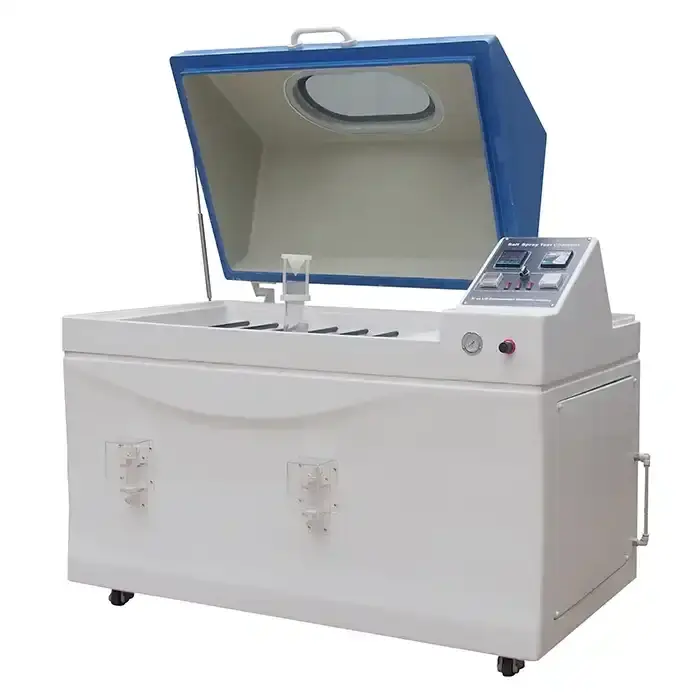
LIB chambers incorporate comprehensive safety systems including humidifier dry-combustion protection, over-temperature protection, over-current protection, water shortage protection, and earth leakage protection. Glass fiber reinforced plastic construction resists internal corrosive environment ensuring chamber longevity. Easy-open pneumatically operated canopies with safety interlocks and dry seal gaskets prevent operator exposure to corrosive fog. External portable salt solution tanks facilitate easy cleaning and solution management. Central viewing windows enable test monitoring without interrupting exposure conditions. Each chamber includes calibration certification, consumables spares kit, and fallout measuring equipment supporting immediate testing commencement.
Global Support Infrastructure
Since 2009, LIB has served infrastructure testing laboratories, coating manufacturers, and government transportation agencies across 60+ countries. Our specialized experience in bridge coating validation ensures equipment configurations match specific project requirements. Comprehensive support for installation, operation, and testing maintains testing program continuity. Fast delivery schedules meet urgent project timelines while secure packaging ensures chambers arrive ready for commissioning. Customization capabilities address unique testing protocols and specimen geometries beyond standard configurations.
Conclusion
Salt spray chamber testing stands as the cornerstone of bridge steel corrosion protection validation, transforming coating selection from historical precedent to evidence-based engineering. By revealing protective system performance under accelerated aggressive conditions, these chambers enable confident specification of coatings delivering decades of reliable service. The investment in comprehensive corrosion testing delivers multifold returns through avoided premature failures, optimized maintenance schedules, and extended infrastructure service life - protecting both structural assets and public safety while minimizing lifecycle costs.
FAQ
How do salt spray test hours correlate to actual bridge service years?
Correlation varies by environment severity and test protocol. Continuous ASTM B117 testing typically accelerates corrosion 10-12 times compared to moderate atmospheric conditions. A 1000-hour test approximates 8-12 years field exposure in temperate climates, while severe marine or de-icing environments show 6-8 year equivalence.
What coating performance indicates adequate bridge steel protection?
Premium bridge coatings should survive 1000-2000 hours salt spray exposure showing minimal substrate corrosion (rust grade ≥8 per ASTM D610), scribe creepage below 3mm, and no significant blistering or delamination. Superior systems exceed 2500 hours supporting 20-25 year maintenance-free service intervals.
Can salt spray testing validate field-applied coating quality?
Absolutely. Testing samples cut from actual bridge coating applications verifies proper surface preparation, application thickness, and curing achieved specified performance. This quality control approach identifies application deficiencies before accepting contractor work, preventing substandard coating acceptance and ensuring specification compliance.
Protect your bridge infrastructure investment with validated corrosion resistance. LIB Industry, a leading salt spray chamber manufacturer and supplier, delivers turn-key corrosion testing solutions tailored to infrastructure protection requirements. Contact our application specialists at ellen@lib-industry.com for equipment recommendations and technical consultation.