Small Climatic Chambers for Temperature and Humidity Control
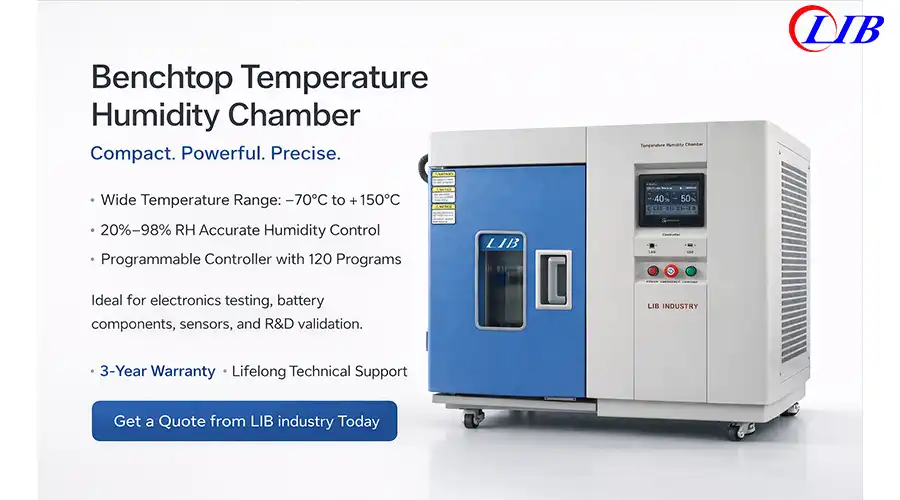
Small climatic chambers deliver precise environmental testing capabilities without demanding excessive laboratory space. These compact yet powerful instruments simulate temperature conditions from -70°C to +150°C and humidity levels between 20% to 98% RH, enabling researchers and quality control teams to evaluate product performance under controlled stress conditions. Modern small climatic chambers incorporate advanced PID control algorithms, ensuring temperature uniformity within ±0.5°C across the entire test volume. Available in volumes ranging from 50L to 80L, these chambers accommodate diverse testing requirements across electronics, pharmaceuticals, materials science, and manufacturing sectors while maintaining whisper-quiet operation below 55 decibels.
Key Features of Small Chambers for Precise Environmental Control

Compact Footprint with Full Testing Capability
Laboratory real estate comes at a premium, making space optimization critical. Modern small climatic chambers occupy minimal floor space while delivering performance comparable to larger industrial units. The TH-50 model, measuring just 820×1160×950mm externally, fits comfortably on standard research benches. This space-efficient architecture allows laboratories to expand testing capacity without relocating equipment or renovating facilities.
Advanced Temperature Control Architecture
Precision begins with sensor technology. PT100 Class A sensors offer 0.001°C resolution, capturing minute temperature variations that less sophisticated equipment might miss. The mechanical compression refrigeration system delivers cooling rates of 1°C per minute, while heating elements achieve 3°C per minute warming. This balanced thermal control enables rapid transitions between test conditions, reducing overall testing time while maintaining measurement integrity throughout temperature cycling protocols.
Humidity Management Systems
Maintaining stable relative humidity proves challenging, particularly at temperature extremes. Small climatic chambers employ specialized humidification systems with dry-combustion protection, preventing element damage during extended operation. The chambers achieve humidity deviation of just ±2.5% RH across the full 20-98% range, ensuring consistent moisture exposure during accelerated aging studies and environmental stress screening.
Monitoring and Maintaining Test Conditions Accurately
Real-Time Data Acquisition
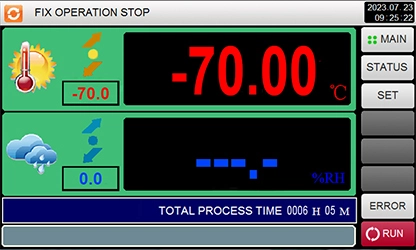
Programmable color LCD touchscreen controllers provide instant visibility into chamber conditions. These interfaces display current temperature, humidity, and operating status while allowing technicians to modify parameters without interrupting ongoing tests. Ethernet connectivity enables remote monitoring, allowing researchers to track multi-day experiments from office workstations rather than making repeated trips to the testing floor.
Uniformity Verification Protocols
Temperature stratification undermines test validity. Centrifugal fan systems circulate conditioned air throughout the chamber interior, minimizing thermal gradients. Even with full sample loading, uniformity remains within ±0.5°C across all positions. This consistency proves essential when testing multiple samples simultaneously, ensuring each specimen experiences identical environmental stress regardless of rack position.
Calibration and Accuracy Standards
Measurement confidence requires regular calibration. Mini thermal chambers support traceable calibration procedures compliant with ISO 17025 requirements. Temperature fluctuation remains within ±0.5°C, while temperature deviation stays within ±2.0°C, meeting international testing standards. These tight tolerances enable laboratories to produce defensible data supporting regulatory submissions and quality certifications.
Temperature and Humidity Ramp and Soak Profiles
Programmable Cycling Capabilities
Complex testing protocols demand sophisticated programming. Modern controllers support multi-segment profiles combining ramp rates, soak periods, and cycle repetitions. Researchers can simulate diurnal temperature variations, seasonal humidity changes, or custom stress sequences matching specific application environments. This programming flexibility eliminates manual intervention, reducing labor costs while improving test repeatability.
Thermal Shock Testing Parameters
Rapid temperature transitions stress materials differently than gradual changes. While dedicated thermal shock chambers excel at extreme transition rates, small climatic chambers accommodate moderate thermal cycling. The 1°C/min cooling and 3°C/min heating rates suit applications requiring controlled thermal stress rather than instantaneous shock, particularly for composite materials, adhesives, and sealed assemblies sensitive to thermal shock damage.
Humidity Cycling Protocols
Moisture ingress degrades many materials and electronic assemblies. Humidity cycling tests alternate between high and low moisture levels, accelerating degradation mechanisms. Chambers transition from 20% to 98% RH while maintaining temperature setpoints, revealing seal integrity, coating effectiveness, and corrosion resistance. These profiles replicate years of field exposure within weeks of testing.
|
Test Profile |
Temperature Range |
Humidity Range |
Typical Duration |
Applications |
|
Accelerated Aging |
+40°C to +85°C |
85% to 95% RH |
500-1000 hours |
Electronics, pharmaceuticals |
|
Thermal Cycling |
-40°C to +85°C |
Not controlled |
100-500 cycles |
Aerospace, automotive |
|
High Humidity Storage |
+40°C constant |
93% RH constant |
96-240 hours |
Medical devices, packaging |
 |
|
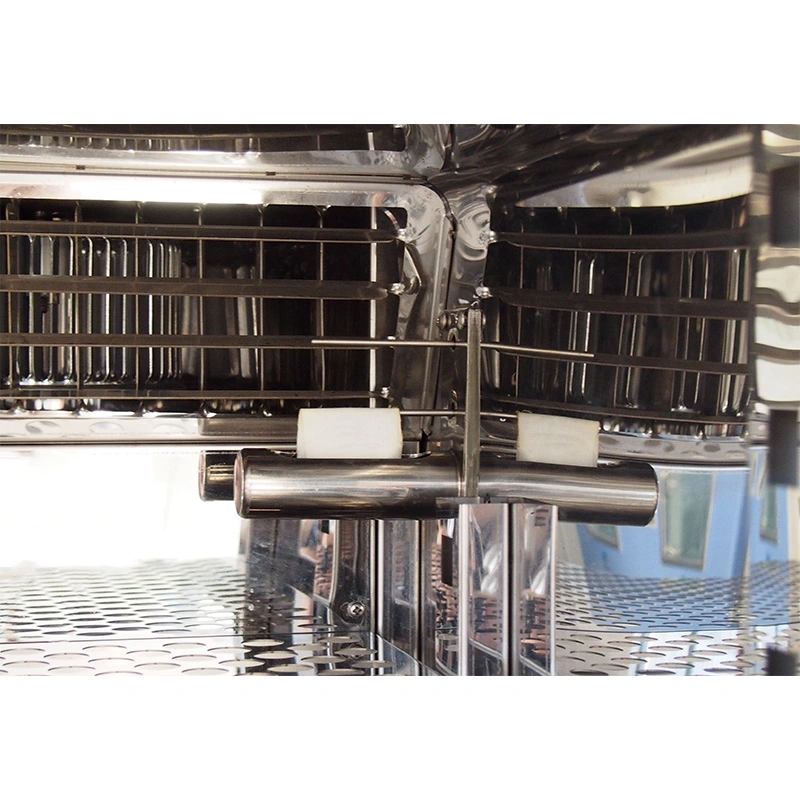 |
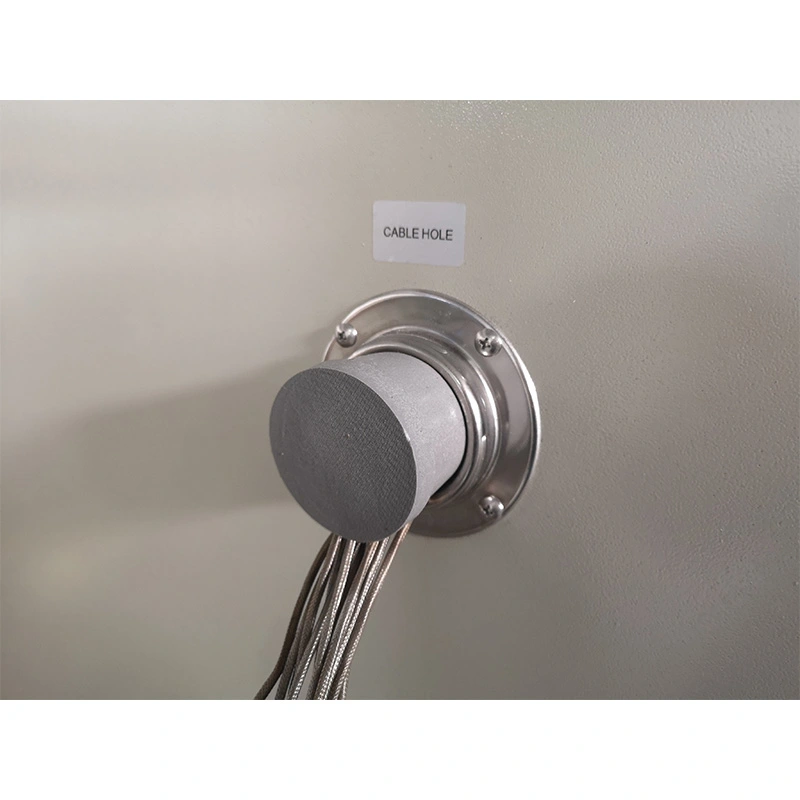
| Cable Hole | Controller | Temperature and Humidity Sensor |
Applications Across Electronics, Medical, and Material Testing
Electronics Reliability Qualification
Electronic components face demanding service environments. Small climatic chambers validate component reliability through temperature-humidity-bias (THB) testing, high-accelerated life testing (HALT), and moisture sensitivity level (MSL) classification. Circuit boards, semiconductor packages, and connectors undergo exposure to elevated temperature and humidity combinations, revealing latent defects before volume production. The 50mm cable port accommodates power and signal connections for powered testing.
Pharmaceutical Stability Studies
Regulatory agencies require stability data demonstrating drug product shelf life. Small humidity chambers maintain the precise conditions specified in ICH guidelines, including 25°C/60% RH for long-term studies and 40°C/75% RH for accelerated protocols. The SUS304 stainless steel interior resists corrosion from pharmaceutical preparations, while adjustable shelving accommodates various packaging configurations from bottles to blister packs.
Materials Characterization Research
Material scientists evaluate polymer degradation, coating adhesion, and composite delamination under controlled environmental stress. Small climatic chambers expose test specimens to temperature and moisture combinations matching service conditions, from arctic cold to tropical heat. Researchers correlate chamber exposure with mechanical property changes, identifying formulation improvements and predicting service life through accelerated testing methodologies.
Automation and Data Logging in Climatic Testing
Integrated Data Recording Systems
Manual data transcription introduces errors and consumes valuable technician time. Modern climatic chambers incorporate automatic logging, recording temperature and humidity readings at user-defined intervals. This continuous documentation proves essential for regulatory compliance, providing auditable records demonstrating test condition maintenance. Data exports support statistical analysis, revealing trends and anomalies invisible in manual observations.
Remote Monitoring Infrastructure
Ethernet connectivity transforms isolated test chambers into networked laboratory assets. Researchers access real-time chamber status from desktop computers or mobile devices, receiving alerts when conditions deviate from specifications. This connectivity proves invaluable during weekend or overnight tests, enabling rapid response to equipment faults without continuous laboratory presence.
Protocol Automation Benefits
Automated test execution reduces operator workload while improving consistency. Pre-programmed profiles eliminate the setup variations inherent in manual operation, ensuring each test run replicates previous executions. This repeatability proves critical when comparing results across test batches or validating process changes, providing confidence that observed differences reflect actual product variations rather than testing inconsistencies.
|
Feature |
Manual Operation |
Automated Operation |
|
Setup Time |
15-30 minutes |
2-5 minutes |
|
Data Recording |
Periodic manual readings |
Continuous automatic logging |
|
Night/Weekend Testing |
Requires staff presence |
Unattended operation |
|
Repeatability |
Operator dependent |
Highly consistent |
Maximizing Test Efficiency and Reliability with Small Chambers
Sample Loading Strategies
Proper sample arrangement maximizes chamber utilization. Adjustable shelving supports 50kg per level, accommodating substantial test loads. Spacing samples ensures adequate air circulation around each specimen, preventing thermal shadowing that could compromise test validity. Strategic loading balances chamber capacity against uniformity requirements, optimizing throughput without sacrificing data quality.
Maintenance Protocols for Consistent Performance
Preventive maintenance preserves chamber accuracy. Regular tasks include cleaning humidity sensors, inspecting refrigerant levels, and verifying controller calibration. The polyurethane foam and insulation cotton thermal barriers require periodic inspection for compression or moisture intrusion. Systematic maintenance schedules prevent unexpected downtime while extending equipment service life, protecting laboratory testing capacity.
Energy Efficiency Considerations
Operating costs extend beyond initial purchase price. Small environmental chambers consume less energy than larger units, reducing utility expenses during extended testing campaigns. The 1000W heat load specification indicates moderate power requirements compatible with standard laboratory electrical infrastructure. Energy-efficient operation proves particularly valuable in facilities conducting continuous qualification testing.
Precise Environmental Control with LIB Industry Small Climatic Chambers
Customization Capabilities for Specialized Requirements
Standard configurations serve many applications, yet specialized testing demands custom solutions. LIB Industry engineering teams design modified chambers addressing unique dimensional requirements, expanded cable penetrations, or specialized materials compatibility. Custom chamber volumes, modified temperature ranges, and application-specific accessories transform standard equipment into purpose-built testing instruments aligned precisely with research objectives.
Quality Assurance and Certification
Confidence in test results requires confidence in test equipment. LIB Industry chambers carry CE certification and undergo third-party validation through SGS and TUV testing organizations. ISO 9001 Quality Management System compliance ensures consistent manufacturing quality. These certifications demonstrate commitment to international standards, providing laboratories with defensible documentation supporting regulatory submissions and quality system audits.
Global Support Infrastructure
Equipment failures disrupt testing schedules and jeopardize project timelines. LIB Industry maintains service centers across Malaysia, Canada, the United Kingdom, and United States, supplemented by 29 global agents providing localized support. The comprehensive 3-year warranty includes lifetime service support with 24/7 assistance availability. This global network ensures rapid response to technical issues regardless of installation location.
|
Model |
Internal Dimensions |
Volume |
Temperature Range Options |
Overall Footprint |
|
TH-50 |
320×350×450mm |
50L |
-20°C, -40°C, -70°C to +150°C |
820×1160×950mm |
|
TH-80 |
400×400×500mm |
80L |
-20°C, -40°C, -70°C to +150°C |
900×1210×1000mm |
 |
 |
|||
Conclusion
Small climatic chambers represent essential tools for organizations requiring precise environmental testing without sacrificing laboratory space. These compact instruments deliver performance matching larger industrial systems while maintaining operational simplicity and energy efficiency. Advanced control technology, comprehensive safety systems, and robust construction ensure reliable operation across diverse applications. Selecting appropriate chamber specifications, implementing proper maintenance protocols, and leveraging automation capabilities maximize testing efficiency while producing defensible, repeatable results supporting product development and quality assurance objectives.
FAQ
What temperature and humidity accuracy can I expect from a small climatic chamber?
Modern small climatic chambers achieve temperature fluctuation within ±0.5°C and humidity deviation of ±2.5% RH. PT100 Class A sensors provide 0.001°C resolution, while advanced PID control algorithms maintain stable conditions throughout extended test cycles, ensuring reliable and repeatable results.
How do small climatic chambers compare to larger environmental chambers?
Small climatic chambers deliver comparable precision and control capabilities within compact footprints. While larger chambers accommodate bigger samples and higher volumes, 50L-80L chambers suit most electronics, pharmaceutical, and materials testing applications while consuming less energy and requiring minimal laboratory space.
What maintenance is required to keep a small climatic chamber operating accurately?
Regular maintenance includes cleaning humidity sensors, verifying refrigerant levels, inspecting thermal insulation, and confirming controller calibration. Following manufacturer-recommended preventive maintenance schedules preserves measurement accuracy, prevents unexpected downtime, and extends equipment service life while maintaining warranty coverage.
Partner with LIB Industry, a leading small climatic chamber manufacturer and supplier, for comprehensive environmental testing solutions. Contact ellen@lib-industry.com to discuss your specific testing requirements and explore custom chamber configurations tailored to your applications.