Waterproof Test Machine for Connector and Cable Testing
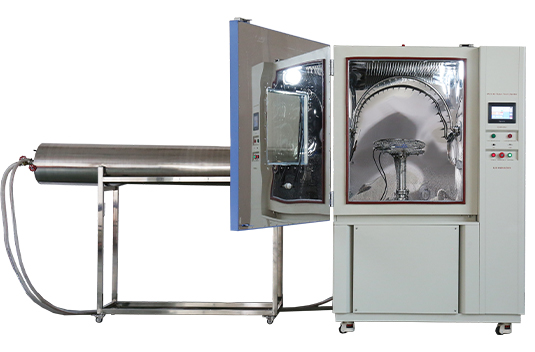
Connectors and cables form the circulatory system of modern electronics, automotive systems, and industrial machinery - yet water ingress remains their greatest vulnerability. A waterproof test machine provides the definitive validation method for evaluating whether these critical components can withstand moisture exposure throughout their operational lifespan. From IP-rated automotive harnesses exposed to road spray to marine-grade connectors submerged in saltwater environments, rigorous water ingress protection testing determines whether seals, gaskets, and enclosure designs adequately protect against moisture penetration. Manufacturers implementing comprehensive IPX testing protocols identify design weaknesses before field failures occur, protecting both product reputation and end-user safety. The combination of controlled water delivery systems, programmable testing sequences, and precise monitoring capabilities makes specialized waterproof testing equipment essential for connector and cable validation across industries.
Why Waterproof Integrity Matters for Connectors and Cables?
Electrical Safety Hazards from Water Intrusion
Water conducts electricity, creating dangerous short circuits when it penetrates connector housings or cable insulation. Even microscopic moisture ingress can establish conductive paths between adjacent pins carrying different voltages. The resulting electrical faults range from intermittent signal disruption to catastrophic component failure. Automotive connectors carrying airbag deployment signals or industrial cables powering heavy machinery must maintain absolute isolation despite continuous exposure to rain, washdown procedures, or condensation.
Corrosion Progression in Damp Environments
Moisture accelerates electrochemical corrosion processes that degrade connector pins, cable shields, and solder joints. Copper conductors oxidize when exposed to humidity, forming non-conductive layers that increase contact resistance. Gold-plated pins lose their protective coating as galvanic corrosion attacks the underlying nickel barrier. Salt-laden moisture near coastal installations or winter road spray creates particularly aggressive corrosive environments. A waterproof test machine replicates these conditions, revealing whether protective coatings and material selections provide adequate long-term resistance.
Signal Integrity Degradation
High-frequency data transmission through cables and connectors demands precise impedance control and minimal signal loss. Water infiltration alters dielectric properties of insulation materials, shifting characteristic impedance and increasing attenuation. Ethernet cables rated for outdoor installation, coaxial connectors on telecommunications towers, and fiber optic splice enclosures all require validated waterproof performance to maintain signal quality. Testing reveals whether hermetic sealing prevents moisture from compromising transmission characteristics.
|
Failure Mechanism |
Impact on Connectors/Cables |
Testing Detection Method |
|
Direct Short Circuit |
Immediate electrical failure, safety hazard |
Continuity monitoring during water exposure |
|
Corrosion Initiation |
Progressive contact resistance increase |
Post-test inspection and resistance measurement |
|
Dielectric Breakdown |
Insulation failure, arcing potential |
High-voltage testing after moisture exposure |
|
Signal Attenuation |
Data transmission errors, reduced bandwidth |
Network analyzer measurements pre/post testing |
Simulating Rain, Spray, and Water Jet Exposure Conditions
Drip Water Testing for Vertical Installations
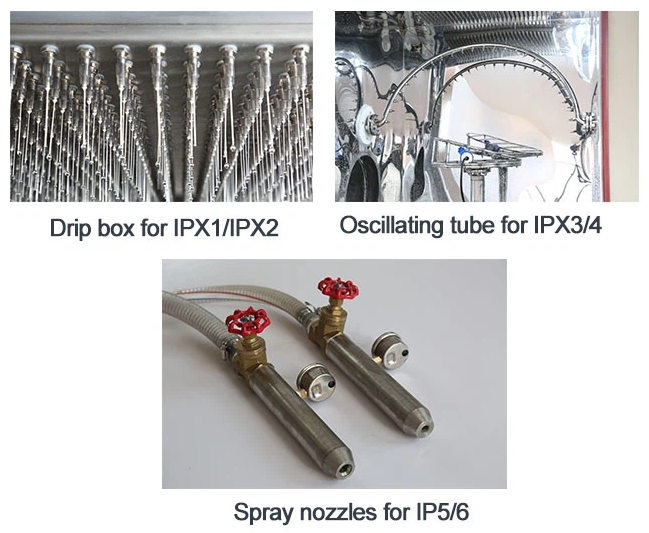
Connectors mounted on vertical surfaces like building exteriors or utility poles encounter dripping water from condensation or light precipitation. IPX1 and IPX2 testing methodologies use precision drip plates with evenly distributed holes to simulate vertically falling water droplets. The drip tray dimensions of 600×600mm or 1000×1000mm accommodate various connector sizes and cable assemblies. Testing durations typically span 10 minutes with controlled drip rates, revealing whether connector orientation and housing geometry adequately shed water away from sealing interfaces.
Oscillating Spray Replicating Wind-Driven Rain
Real-world installations face wind-driven rain approaching from multiple angles rather than purely vertical precipitation. The oscillating tube system on advanced waterproof test machines swings through adjustable arcs from ±45° to ±180°, directing water streams across the entire test specimen surface. Spray holes spaced at 50mm intervals along the tube length ensure uniform water distribution. This methodology validates connector performance when mounted on vehicle exteriors, outdoor lighting fixtures, or industrial control panels where rain arrives from unpredictable directions.
High-Pressure Jet Simulation
Equipment subjected to washdown procedures or proximity to water jets requires validation beyond passive rain exposure. IPX5 and IPX6 testing protocols deliver water at controlled pressures through precision nozzles, simulating everything from cleaning operations to nearby fountain spray. Flow meters provide accurate control, typically delivering 12.5 liters per minute for IPX5 testing and 100 liters per minute for IPX6 validation. The pressurized water streams probe sealing effectiveness around cable entry points and connector mating interfaces where static seals might appear adequate but fail under hydraulic pressure.
Turntable Rotation for Complete Coverage
Connectors feature complex three-dimensional geometries with sealing challenges at multiple interfaces - the cable entry gland, mating face, and locking mechanism all present potential ingress paths. Automated turntable rotation at 1 revolution per minute ensures water exposure from all angles during testing. The programmable controller coordinates turntable movement with oscillating tube position and water flow timing, creating comprehensive exposure patterns that reveal overlooked vulnerability points in connector designs.
Detecting Seal Failures and Water Ingress Risks
Visual Inspection During Active Testing
Transparent observation windows with double-layer insulating glass allow engineers to monitor connector behavior during water exposure. Built-in LED lighting illuminates the test chamber interior, revealing water accumulation patterns on connector housings. Windshield wipers maintain clear viewing through condensation or water droplets on the observation glass. Real-time visual monitoring identifies whether water pools around cable entry points, penetrates through vent holes, or tracks along cable jackets toward the connector body.
Post-Test Moisture Detection Methods
After completing the programmed spray cycles, connectors undergo detailed inspection for internal moisture presence. Disassembly reveals water droplets clinging to contact pins, moisture condensation inside housing cavities, or saturated gasket materials. Weight measurement before and after testing quantifies absorbed water mass in porous materials. Specialized moisture detection paper changes color when exposed to liquid water, providing visual confirmation of ingress even when disassembly proves impractical for permanently sealed assemblies.
Electrical Performance Verification
The most definitive ingress detection method measures electrical performance degradation caused by moisture. Insulation resistance testing applies high voltage between conductor pairs and between conductors and ground, measuring leakage current that indicates moisture-created conduction paths. Contact resistance measurements identify corrosion initiation at mating interfaces. High-speed signal integrity testing reveals whether water altered cable impedance characteristics. Comparing these electrical parameters before and after waterproof testing quantifies performance degradation from moisture exposure.
|
Detection Method |
What It Reveals |
Application Timing |
|
Visual Observation (During Test) |
Surface water pooling, obvious ingress paths |
Real-time during spray exposure |
|
Moisture Detection Paper |
Presence of liquid water in cavities |
Immediately after testing completion |
|
Weight Measurement |
Absorbed moisture quantity in materials |
Pre-test baseline vs. post-test comparison |
|
Insulation Resistance Test |
Electrical leakage paths from moisture |
1-2 hours after test to stabilize |
|
Contact Resistance Test |
Corrosion at mating interfaces |
Post-test and after accelerated aging |
IP Test Standards for Industrial Connectors and Cable Systems
IEC 60529 International Protection Marking
The IEC 60529 standard establishes the globally recognized IP rating system defining protection against solid objects and liquids. The second characteristic numeral specifically addresses water ingress protection levels from IPX0 (no protection) through IPX9K (high-pressure, high-temperature jet resistance). Connector manufacturers design products targeting specific IP ratings based on application requirements - outdoor telecom connectors might target IPX4, marine electronics require IPX7 or IPX8, and automotive underhood components need IPX9K validation.
ISO 20653 Road Vehicles Electrical Equipment Standard
Automotive connectors face unique challenges from road spray, pressure washing, and exposure to corrosive fluids. ISO 20653 adapts IEC 60529 principles specifically for road vehicle applications, adding testing requirements for dust protection and mechanical impacts. The standard defines test positions accounting for typical connector orientations in vehicle architectures. Waterproof test machines configured for automotive validation incorporate heated water capabilities reaching 80-90°C to simulate engine compartment washdown scenarios and winter road salt spray conditions.
Industry-Specific Testing Requirements
Beyond general IP standards, specific industries impose additional waterproof validation requirements. Military specifications like MIL-STD-810 define immersion testing and rain simulation for defense electronics connectors. Outdoor lighting standards require IPX5 minimum ratings with extended spray durations. Railway applications demand validated performance after exposure to track-level water ingress during flooding conditions. A comprehensive waterproof test machine accommodates these varied protocols through programmable spray patterns, adjustable water pressure, and customizable test durations.
Certification Documentation Requirements
Achieving IP rating certification demands rigorous documentation of testing procedures, equipment calibration, and results analysis. The waterproof test machine must maintain calibration certificates for flow meters, pressure gauges, and spray hole dimensions. Programmable controllers with data logging capabilities timestamp water flow rates, spray angles, turntable positions, and test durations throughout the validation sequence. This automated documentation streamlines certification applications and provides audit trails satisfying quality management system requirements like ISO 9001.
Evaluating Long-Term Reliability Under Harsh Environments
Thermal Cycling Combined with Moisture Exposure
Real installations experience temperature fluctuations driving expansion-contraction cycles that stress sealing materials while simultaneously encountering moisture. Connectors cooling from operating temperature to ambient conditions create negative pressure inside housings, potentially drawing moisture inward through microscopic seal imperfections. Advanced testing protocols combine waterproof test machines with temperature cycling chambers, exposing connectors to spray immediately after thermal stress. This sequential testing reveals whether thermal fatigue compromises sealing effectiveness.
Accelerated Aging Through Repeated Exposure
Single waterproof tests validate initial seal integrity, but long-term reliability demands verification of sealing performance after repeated wetting-drying cycles. Programmable controllers create multi-cycle test sequences alternating spray exposure with drying periods. Elastomeric seals undergo compression set, adhesive-bonded cable glands experience interfacial weakening, and threaded coupling rings accumulate wear from thermal expansion cycles. Testing spanning hundreds of exposure cycles within days accelerates degradation processes that would require years of field deployment to manifest.
Chemical Resistance Validation
Industrial environments expose connectors to more than pure water - cutting fluids, cleaning solvents, hydraulic oils, and corrosive chemicals all challenge sealing materials. The closed-loop water circulation system in LIB Industry waterproof test machines can accommodate diluted chemical solutions replicating specific application environments. Elastomer compatibility testing using contaminated water reveals whether sealing materials maintain resilience after chemical exposure. Automotive connectors particularly benefit from testing with salt solutions simulating winter road conditions.
Vibration and Mechanical Stress Integration
Connectors in automotive, aerospace, and industrial machinery applications encounter vibration and mechanical shock while simultaneously requiring waterproof integrity. Coupling points between cable and connector housing experience relative motion from vibration, potentially compromising strain relief effectiveness and creating water ingress paths. Comprehensive validation programs alternate waterproof testing with vibration exposure, identifying whether mechanical stress propagates seal failures or loosens threaded waterproof couplings that initially passed static water ingress tests.
Improving Product Quality Through Waterproof Validation
Design Iteration and Rapid Prototyping
Early-stage connector development benefits enormously from immediate waterproof validation feedback. Engineers test initial prototypes, identify seal deficiencies, modify gasket profiles or housing geometry, and retest within days rather than waiting for field failure reports. The space-efficient laboratory design of benchtop waterproof test machines allows placement directly in development areas where design teams access equipment immediately. Rapid iteration accelerates product development timelines while simultaneously improving final design robustness.
Material Selection Optimization
Sealing material choices dramatically affect both waterproof performance and manufacturing costs. Silicone gaskets provide excellent temperature resistance but higher material costs than EPDM alternatives. Adhesive-sealed cable entries offer superior ingress protection compared to compression glands but complicate field serviceability. Systematic testing of material variations quantifies performance differences, enabling engineers to select optimal cost-performance balances. Database development from repeated testing establishes material selection guidelines for future connector designs.
Manufacturing Process Validation
Even perfectly designed connectors fail waterproof requirements if manufacturing processes don't achieve consistent assembly quality. Gasket compression force, adhesive cure times, and ultrasonic weld parameters all influence sealing effectiveness. Statistical process validation tests production samples at regular intervals, verifying manufacturing consistency through waterproof performance. Identifying process drift before shipping defective products protects brand reputation and avoids costly field recalls.
Supplier Quality Assurance
Connector manufacturers often source sealing components - O-rings, gaskets, cable glands - from external suppliers. Incoming material validation through waterproof testing ensures supplier-provided components meet specifications before assembly into finished connectors. Batch testing identifies substandard materials early, preventing production disruptions and warranty claims. The documentation capabilities of modern waterproof test machines create traceable quality records linking specific material lots to validated performance.
|
Quality Improvement Activity |
Testing Approach |
Outcome Benefit |
|
Design Iteration |
Test prototypes at each design revision |
Accelerated development, optimized seal geometry |
|
Material Comparison |
Parallel testing of alternative sealing materials |
Data-driven material selection, cost optimization |
|
Process Validation |
Statistical sampling of production batches |
Consistent manufacturing quality, early drift detection |
|
Supplier Qualification |
Incoming material batch testing |
Component quality assurance, supply chain reliability |
LIB Industry Delivers Reliable Connector Waterproof Validation Systems
|
|
IPX1 IPX2 Water Drip Test Apparatus |
|
|
|
|
|
|
|
||
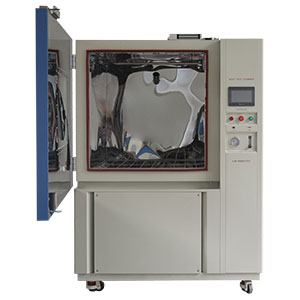
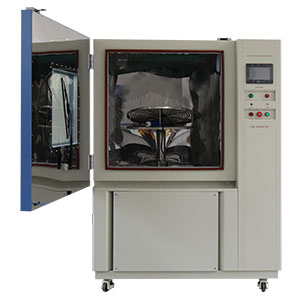
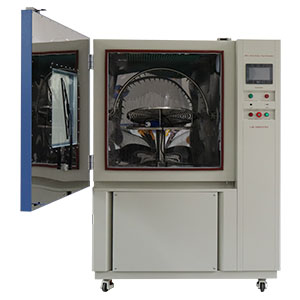
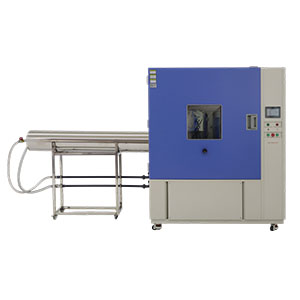
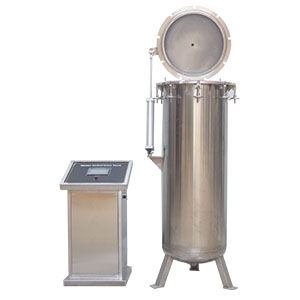
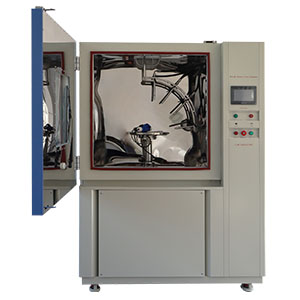

Comprehensive IPX Coverage in Single Equipment
LIB Industry's waterproof test machine consolidates IPX1 through IPX6 testing capabilities within unified chamber designs, eliminating the need for separate equipment for different protection levels. The R-800C model with 810L useful volume accommodates individual connectors and small cable assemblies, while the R-1200C configuration providing 2400L capacity handles complete wiring harnesses and large industrial connectors. Adjustable oscillating tube radius - 400mm for compact chambers, 600mm for larger units - ensures appropriate spray coverage for varied specimen sizes.
Smart Water Management Reducing Operational Costs
The built-in water circulation system dramatically reduces testing expenses compared to single-pass water consumption. Integrated filtration prevents nozzle clogging from particulate contamination, maintaining consistent spray patterns throughout extended test campaigns. Automatic water level maintenance eliminates manual monitoring, while programmable drainage sequences simplify waste water removal after testing completion. Customers report up to 90% water cost reduction compared to municipal supply-dependent testing equipment, particularly significant for high-volume validation operations.
Safe Electrical Device Testing Integration
Testing powered connectors and energized cable assemblies requires specialized safety provisions absent from basic spray chambers. LIB Industry equipment incorporates waterproof power outlets inside the test chamber with IP-rated protective covers, allowing electrical connections to test specimens without compromising chamber integrity. Sealed cable ports accommodate external signal connections for monitoring connector performance during water exposure. Earth leakage circuit breakers (ELCB) provide personnel protection against shock hazards from moisture-compromised insulation. Phase sequence protection safeguards three-phase powered test equipment from wiring errors.
Precision Control and Documentation Systems
The programmable color LCD touchscreen controller simplifies complex test sequence creation while maintaining rigorous documentation. Engineers program spray angles, water flow rates, turntable rotation speeds, and exposure durations through intuitive graphical interfaces. Ethernet connectivity enables integration with laboratory information management systems (LIMS), automatically uploading test data to centralized quality databases. USB ports facilitate data export for analysis and reporting. This digital infrastructure supports ISO 9001 quality systems and regulatory compliance documentation requirements.
Durable Construction for Continuous Operation
Complete SUS304 stainless steel interior construction withstands continuous water exposure without corrosion, maintaining calibrated spray patterns and chamber integrity through thousands of test cycles. The steel plate exterior with protective coating provides robust protection in demanding laboratory environments. Double-layer insulating glass observation windows maintain optical clarity despite thermal stress from temperature variations and impact from high-pressure water jets. This rugged construction ensures reliable operation across years of intensive validation testing.
Customization for Specialized Applications
While standard configurations address most connector and cable testing requirements, specialized applications sometimes demand unique capabilities. LIB Industry's engineering team collaborates with customers to develop custom solutions - enlarged chambers for complete vehicle door wiring harnesses, heated water systems simulating tropical storm conditions, or specialized mounting fixtures accommodating unusual connector geometries. The company's turn-key solution approach encompasses equipment design, factory acceptance testing, installation, and operator training, ensuring smooth integration into existing validation workflows.
Global Support and Service Commitment
Waterproof testing equipment operates as critical infrastructure within quality assurance laboratories - downtime directly impacts production schedules and product release timelines. LIB Industry's comprehensive 3-year warranty and lifetime service commitment includes 24/7 global technical support. Following ISO 9001 Quality Management System standards with CE certification and third-party validation by SGS and TUV, the company maintains rigorous manufacturing quality. Customers receive guaranteed equipment replacement if repairs cannot be completed within warranty periods - a service level reflecting confidence in product reliability.
Conclusion
Connector and cable waterproof validation has evolved from simple submersion tests to sophisticated multi-parameter evaluation replicating real-world exposure scenarios. Modern waterproof test machines combine programmable spray patterns, automated specimen rotation, and integrated safety systems that enable comprehensive IPX rating verification while maintaining laboratory efficiency. Manufacturers implementing rigorous water ingress protection testing identify design vulnerabilities during development rather than through field failures, protecting both product reputation and end-user safety. The investment in specialized waterproof validation equipment delivers returns through accelerated development cycles, reduced warranty claims, and competitive differentiation in markets demanding verified environmental protection.
FAQ
Which IP rating do automotive connectors typically require?
Automotive applications vary by location - engine compartment connectors generally require IPX9K resistance to high-pressure, high-temperature jet cleaning. Passenger cabin connectors typically need IPX4 protection against splash water. Undercarriage components demand IPX6 or IPX7 ratings for protection against road spray and temporary immersion during flooding or water crossings.
How long does a complete IPX waterproof test cycle take?
Test duration depends on the specific IP rating being validated. IPX1/IPX2 drip tests typically run 10 minutes. IPX3/IPX4 oscillating spray tests continue for 5-10 minutes depending on specimen size. IPX5/IPX6 jet tests last at least 3 minutes from each critical angle. Complete multi-rating validation including setup and post-test inspection typically requires 2-4 hours per connector variant.
Can waterproof test machines validate both connectors and complete cable assemblies?
Absolutely. Chamber sizing determines specimen capacity - the R-800C model accommodates individual connectors and cable assemblies up to approximately 800mm length, while the R-1200C configuration handles complete wiring harnesses exceeding one meter. Adjustable mounting fixtures and programmable turntables ensure proper positioning regardless of assembly configuration during spray exposure.
Partner with LIB Industry for Connector Waterproof Testing Solutions
As a leading waterproof test machine manufacturer and supplier, LIB Industry delivers customizable IPX testing systems engineered for connector and cable validation. Contact our technical specialists at ellen@lib-industry.com to discuss your specific waterproof testing requirements and equipment configurations.