Why Temperature Cycling Is Critical for PCB Assemblies?
Printed circuit board assemblies form the backbone of modern electronics, from smartphones to aerospace systems. These intricate assemblies face relentless thermal challenges throughout their operational lifetime. Temperature cycling testing conducted in a temperature cycling chamber reveals hidden vulnerabilities that standard ambient testing cannot detect. Through controlled thermal transitions, engineers identify solder joint fatigue, component delamination, and material incompatibilities before products reach end users. This validation process protects brand reputation, reduces warranty costs, and ensures safety-critical systems perform reliably across their intended temperature ranges. Understanding thermal cycling's role in PCB validation separates products that merely function from those that endure.
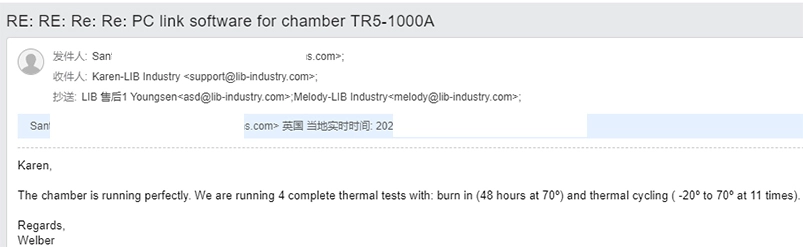
Thermal Expansion and Contraction Effects on PCBs
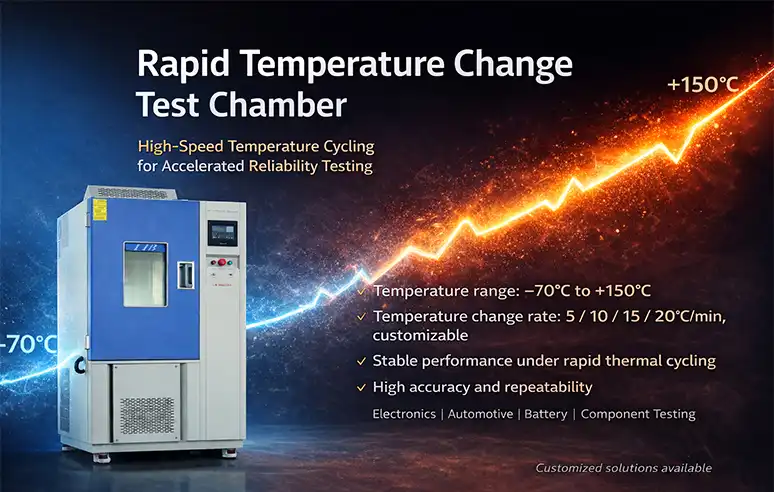
Material Coefficient Mismatch Creates Mechanical Stress
Different materials within a PCB assembly expand and contract at varying rates when exposed to temperature changes. The coefficient of thermal expansion (CTE) difference between copper traces, FR-4 substrate, solder, and component packages generates internal mechanical stress. During heating cycles, materials with higher CTE values expand more aggressively, creating tensile and compressive forces at material interfaces.
Solder Joint Vulnerability Under Repeated Cycling
Solder connections represent the weakest link in thermal cycling scenarios. The repeated expansion-contraction cycle induces fatigue in these joints, particularly at ball grid array (BGA) and chip-scale package (CSP) connections. Microscopic cracks initiate at stress concentration points and propagate with each thermal excursion. Lead-free solders, while environmentally friendly, exhibit reduced ductility compared to traditional tin-lead formulations, making them more susceptible to thermal fatigue.
Through-Hole Plating and Via Barrel Integrity
Temperature variations stress the plated copper barrels within vias and through-holes. The z-axis expansion of the substrate material differs from the copper plating's thermal response. This mismatch can separate the plating from the substrate wall, creating intermittent electrical connections or complete circuit failures. High-aspect-ratio vias in thick PCBs face particularly severe stress concentrations.
Common Failure Modes in PCB Assemblies Under Thermal Stress
Intermetallic Compound Growth and Embrittlement
Elevated temperatures accelerate intermetallic compound formation at solder-to-pad interfaces. While some intermetallic layer growth strengthens the bond initially, excessive thickness creates brittle structures prone to fracture. Temperature cycling accelerates this aging process, revealing what years of ambient storage might eventually produce. Different solder alloys exhibit varying growth rates and brittleness characteristics.
Component Package Cracking and Delamination
Encapsulated components experience internal stress from CTE mismatches between silicon die, die attach materials, bond wires, and molding compounds. Temperature excursions can cause package cracking, typically visible near corners or along thin sections. Moisture absorbed during storage compounds the problem, as trapped water vapor expands during heating, potentially causing "popcorning" where packages literally explode during reflow or testing.
Conductive Anodic Filament Formation
Combined thermal and humidity stress creates conditions for electrochemical migration. Metal ions migrate through the PCB substrate between conductors at different electrical potentials, forming conductive pathways. Temperature cycling in a temp cycle chamber with controlled humidity exposure accelerates this failure mechanism, which might otherwise remain dormant for years until field conditions align perfectly.
|
Failure Mode |
Primary Cause |
Typical Detection Time |
Severity Level |
|
Solder Joint Fatigue |
CTE Mismatch |
100-500 cycles |
High |
|
Package Cracking |
Thermal Shock |
50-200 cycles |
Critical |
|
Via Barrel Separation |
Z-axis Expansion |
200-1000 cycles |
Medium |
|
Intermetallic Embrittlement |
Elevated Temperature |
500+ cycles |
Medium-High |
|
Conductive Filament Growth |
Combined Thermal-Humidity |
300-800 cycles |
High |
Temperature Cycling Test Standards for Electronics
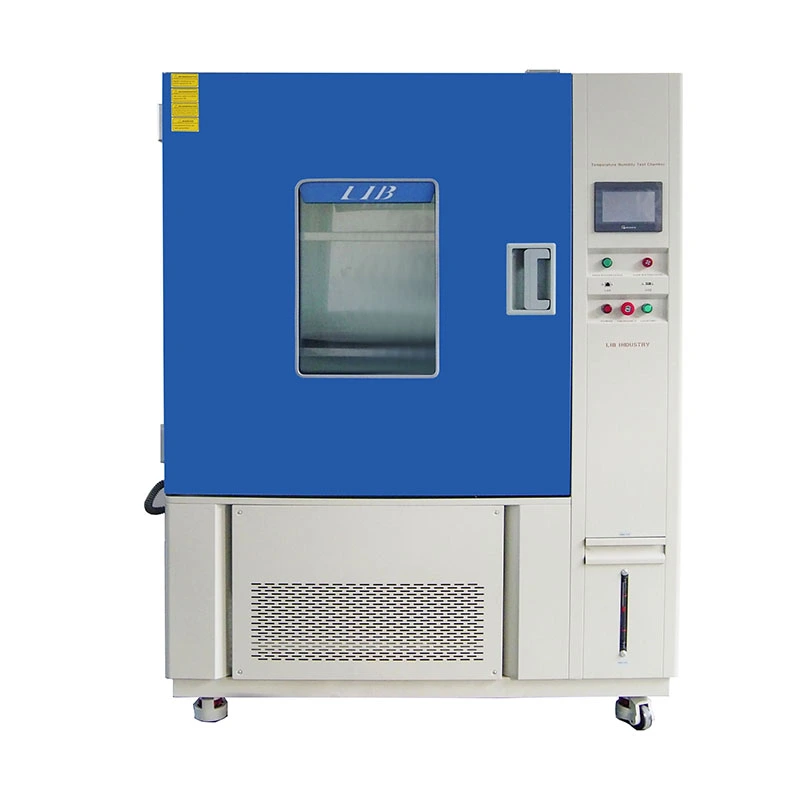
IPC-9701 Performance Test Methods
The IPC-9701 standard provides comprehensive guidance for accelerated reliability testing of printed board assemblies. This framework defines temperature cycling profiles, chamber requirements, and acceptance criteria. Test conditions typically range from -40°C to +125°C with specified dwell times and transition rates. The standard acknowledges that different application environments require tailored test parameters rather than one-size-fits-all approaches.
JEDEC JESD22-A104 Standards for IC Packages
Semiconductor manufacturers follow JEDEC JESD22-A104 guidelines specifically addressing temperature cycling for integrated circuit packages. These protocols establish test conditions from -65°C to +150°C with controlled ramp rates. The standard distinguishes between different package types and their expected cycling tolerance. Condition classifications (A through G) represent varying severity levels matching anticipated field environments.
Automotive AEC-Q100 Qualification Requirements
Automotive electronics face particularly demanding thermal environments. The AEC-Q100 standard mandates temperature cycling from -40°C to +150°C for a minimum of 1,000 cycles. Automotive-grade components must demonstrate zero failures under these conditions. The qualification addresses not just survival but maintained electrical parameters throughout cycling. This stringent requirement reflects the safety-critical nature and extended service life expected in automotive applications.
Optimizing PCB Design Based on Thermal Test Results
Component Placement and Thermal Gradient Management
Test data reveals which board locations experience the most severe thermal gradients. Strategic component placement positions temperature-sensitive elements in thermally stable zones. High-power components should be distributed to avoid localized hot spots. Thermal imaging during cycling tests identifies problematic areas requiring design modifications. Symmetrical layouts often demonstrate better thermal balance than asymmetrical configurations.
Material Selection for Improved CTE Matching
Test failures frequently drive material specification changes. Selecting substrate materials with CTE values closer to component packages reduces interface stress. High-Tg laminates maintain mechanical properties at elevated temperatures better than standard FR-4. Metal-core PCBs provide excellent thermal conductivity for power electronics. Polyimide flex circuits tolerate repeated flexing during thermal expansion without cracking rigid substrates would fail.
Solder Alloy and Reflow Profile Optimization
Thermal cycling results guide solder alloy selection. Some lead-free formulations demonstrate superior fatigue resistance despite lower ductility. Reflow profile adjustments improve solder joint microstructure, enhancing thermal cycling performance. Controlled cooling rates after reflow affect grain structure and ultimately fatigue life. Selective use of different solder alloys on the same assembly may optimize reliability for specific component types.
|
Design Parameter |
Impact on Thermal Performance |
Optimization Strategy |
|
Component Spacing |
Affects local thermal gradients |
Minimum 3mm between heat-generating components |
|
Copper Weight |
Influences thermal conductivity |
2oz copper for power distribution layers |
|
Via Count |
Improves thermal transfer |
Minimum 4 thermal vias per power component |
|
Solder Mask Thickness |
Affects stress distribution |
20-30μm for optimal protection without brittleness |
Combined Thermal and Mechanical Stress in PCB Evaluation
Vibration During Temperature Transitions
Real-world applications rarely subject electronics to thermal stress alone. Automotive, aerospace, and industrial equipment experience simultaneous vibration and thermal cycling. Testing in a temperature cycling test chamber reveals failure modes invisible in separate tests. Solder joints weakened by thermal cycling fail sooner under vibration. Resonant frequencies shift with temperature changes, potentially exciting previously stable structures.
Shock Loading at Temperature Extremes
Materials exhibit different mechanical properties across temperature ranges. Polymers become brittle at low temperatures while metals soften at elevated temperatures. Impact testing at various temperature points identifies vulnerable temperature zones. Drop tests on temperature-conditioned assemblies simulate field scenarios like cold-start shipping impacts or handling of hot equipment during maintenance.
Humidity Cycling with Thermal Variation
Humidity amplifies several thermal failure mechanisms. Moisture absorption changes dielectric properties and enables electrochemical corrosion. The combination of thermal cycling and humidity creates aggressive test conditions exceeding either stressor individually. Temperature humidity bias (THB) testing applies electrical bias simultaneously with thermal-humidity cycling, accelerating migration failures that might require decades to manifest under ambient conditions.
Improving Long-Term Reliability of PCB Assemblies
Accelerated Life Testing Correlation to Field Performance
Temperature cycling chambers enable accelerated reliability prediction through the Arrhenius relationship and Coffin-Manson equation. These models correlate accelerated test cycles to field years based on activation energy and stress levels. Statistical analysis of cycling test results establishes confidence intervals for projected field reliability. Proper acceleration factor calculation prevents under-testing that misses latent failures or over-testing that introduces unrealistic failure modes.
Failure Analysis Driving Design Iteration
Systematic analysis of cycling test failures feeds continuous improvement. Cross-sectioning failed samples reveals crack initiation points and propagation paths. Scanning electron microscopy examines intermetallic layers and void formation. Energy-dispersive X-ray spectroscopy identifies contamination or material migration. These insights drive targeted design changes rather than broad, unfocused modifications that may not address root causes.
Qualification Testing Versus Ongoing Reliability Monitoring
Initial design qualification establishes baseline capability, but ongoing monitoring ensures manufacturing consistency. Periodic temperature cycling of production samples detects process drifts before field failures occur. Statistical process control charts track cycling performance over time. Supplier changes, material substitutions, or equipment modifications trigger requalification testing to validate continued reliability.
|
Reliability Metric |
Calculation Method |
Target Value |
Business Impact |
|
Mean Cycles to Failure |
Weibull analysis of test data |
>1500 cycles |
Warranty cost reduction |
|
Characteristic Life |
63.2% failure point |
>2000 cycles |
Extended service intervals |
|
Activation Energy |
Arrhenius plot slope |
>0.7 eV |
Field life prediction accuracy |
Ensure Circuit Board Reliability with LIB Industry Temperature Cycling Chambers
|
|
Name | Temperature Cycling Chamber | ||||
|
Model |
TH-100 |
|||||
|
Temperature range |
-20℃ ~+150 ℃ |
|||||
|
Low type |
A: -40℃ B:-70℃ C -86℃ |
|||||
|
Humidity Range |
20%-98%RH |
|||||
|
Temperature deviation |
± 2.0 ℃ |
|||||
|
Heating rate |
3 ℃ / min |
|||||
|
Cooling rate |
1 ℃ / min |
|||||
|
Controller |
Programmable color LCD touch screen controller, Multi-language interface, Ethernet , USB |
|||||
|
Exterior material |
Steel Plate with protective coating |
|||||
|
Interior material |
SUS304 stainless steel |
|||||
|
Standard configuration |
1 Cable hole (Φ 50) with plug; 2 shelves |
|||||
|
Timing Function |
0.1~999.9 (S,M,H) settable |
|||||
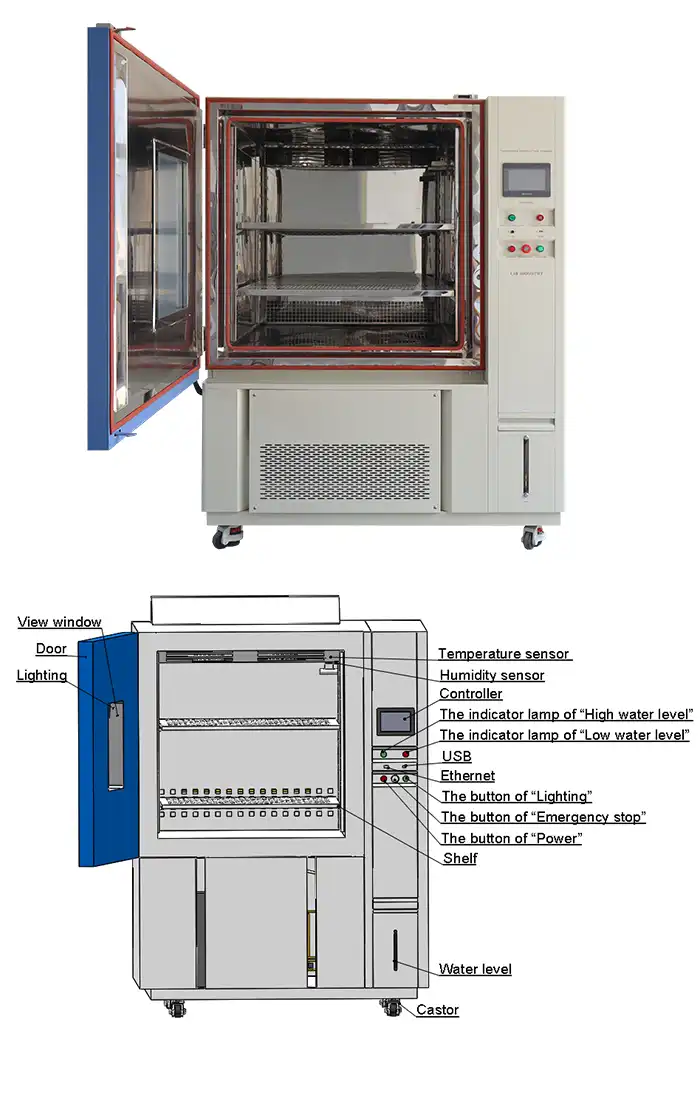
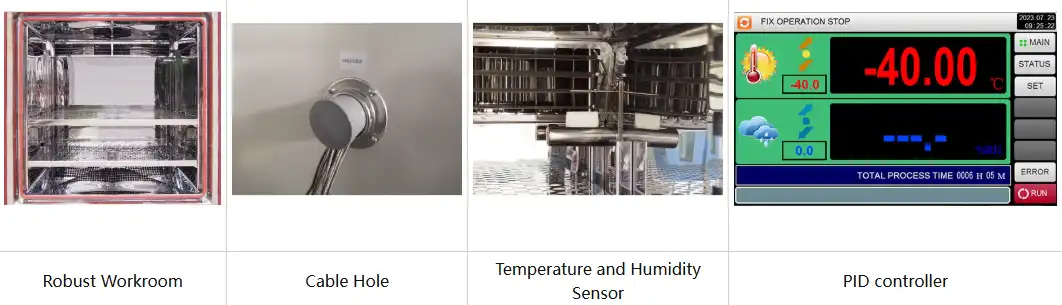
Precision Control for Repeatable Testing
LIB Industry temperature cycling chambers deliver controlled thermal transitions essential for reliable PCB testing. The TR5 series maintains temperature within ±0.5°C through advanced PID control systems and PT100 Class A sensors providing 0.001°C resolution. Programmable ramp rates from 5°C to 15°C per minute accommodate different test protocols. Uniform temperature distribution ensures consistent sample exposure across the entire working volume, eliminating hot or cold spots that compromise test validity.
Comprehensive Safety Features for Valuable Samples
Protecting test samples requires redundant safety systems. Independent hardware temperature limiters prevent thermal runaway beyond software control limits. Optional smoke detection and fire suppression integration addresses battery and high-energy component testing. Pressure relief valves automatically compensate for internal pressure changes during rapid temperature transitions. These features protect not just samples but also maintain test continuity by preventing chamber damage.
Data Management Meeting Regulatory Requirements
Automated data logging captures complete thermal profiles with timestamps for full test traceability. Ethernet connectivity enables remote monitoring through web interfaces or mobile applications. All data storage complies with FDA 21 CFR Part 11 standards, providing audit trails required for medical device and pharmaceutical electronics qualification. One-click programming generates complex thermal cycling profiles with up to 100 preset cycles, eliminating manual programming errors.
Conclusion
Temperature cycling validation stands as an indispensable element of modern PCB assembly qualification. The controlled thermal stress environment reveals material incompatibilities, design weaknesses, and manufacturing defects that ambient testing cannot detect. Through systematic cycling protocols aligned with industry standards, engineers predict field reliability, optimize designs, and protect brand reputation. As electronics proliferate into increasingly demanding applications - from automotive electrification to extreme-environment IoT deployment - thermal cycling testing becomes not merely recommended but essential.
FAQ
How many temperature cycles do PCB assemblies typically require for qualification testing?
Standard qualification requires 500-1000 cycles minimum, though automotive applications demand 1000+ cycles per AEC-Q100. Actual requirements depend on application environment severity, expected service life, and acceptable failure rates. Accelerated testing correlates chamber cycles to field years through established reliability models.
What temperature range should be used for PCB thermal cycling tests?
Most electronics undergo cycling between -40°C and +125°C, covering commercial and industrial temperature grades. Automotive and military specifications extend ranges to -55°C or +150°C. The selected range should exceed operational extremes by 10-20°C to reveal marginal designs before field deployment.
Can temperature cycling tests replace long-term field testing?
Temperature cycling provides accelerated reliability assessment but supplements rather than replaces field validation. Chamber testing reveals thermally-induced failure modes quickly, while field testing captures usage patterns, environmental combinations, and failure modes beyond pure thermal stress. Combined approaches optimize reliability validation efficiency.
LIB Industry, a leading temperature cycling chamber manufacturer and supplier, delivers precision testing solutions for electronics qualification. Our TR5 series chambers provide the temperature control, safety features, and data management capabilities your PCB reliability program demands. Contact our team at ellen@lib-industry.com to discuss your specific testing requirements and discover how our chambers support your quality objectives.