Waterproof Test Machine for Consumer Electronics Validation
Consumer electronics face increasing demands for water resistance as smartphones, wearables, and portable devices accompany users through diverse environmental conditions - from rainy commutes to poolside entertainment. A waterproof test machine provides manufacturers with systematic validation capabilities that verify ingress protection levels before market release, preventing costly recalls and protecting brand reputation. These specialized chambers simulate controlled water exposure scenarios ranging from gentle dripping to high-pressure jets, replicating real-world conditions that devices encounter throughout their operational lifespan. By subjecting products to standardized IPX rating protocols defined by IEC 60529 and ISO 20653, manufacturers obtain objective evidence of enclosure integrity, seal effectiveness, and component protection. This rigorous validation process ensures consumer electronics maintain functionality despite moisture exposure, supporting warranty claims and regulatory compliance across global markets.
Why Waterproof Protection Is Critical for Consumer Electronics?
Consumer Expectations Driving Market Requirements
Modern consumers expect electronic devices to withstand accidental water exposure without catastrophic failure. Smartphones dropped in sinks, fitness trackers worn during swimming, and wireless earbuds exposed to rain represent common usage scenarios. Market research indicates waterproof ratings significantly influence purchasing decisions, with IP67 and IP68 certifications commanding premium pricing. A waterproof test machine enables manufacturers to validate these marketing claims through reproducible laboratory testing, transforming aspirational features into verified specifications backed by standardized certification processes.
Preventing Moisture-Induced Electronic Failures
Water ingress causes multiple failure modes in electronic assemblies: short circuits from ionic contamination bridging conductive traces, corrosion of solder joints and component leads, battery thermal runaway from moisture penetration, and display malfunction from condensation between layers. Even minimal moisture accumulation degrades performance over time through electrochemical migration and oxidation processes. Systematic testing identifies seal weaknesses, inadequate gasket compression, and housing design flaws before mass production, preventing field failures that generate warranty costs and customer dissatisfaction.
Regulatory Compliance and Liability Protection
Many markets mandate ingress protection testing for specific product categories. European Union regulations require demonstrated compliance with declared IP ratings, while carrier certification programs demand validated water resistance for flagship smartphones. Product liability concerns intensify when manufacturers advertise waterproof capabilities without substantiating testing. Documentation from certified waterproof test machines provides legal protection by demonstrating due diligence in design validation, supporting defense against claims of misrepresentation or inadequate quality control procedures.
Table 1: Common Water Exposure Scenarios and Required Protection Levels
|
Usage Scenario |
Typical Products |
Water Exposure Type |
Minimum IP Rating |
Test Duration |
|
Light Rain Exposure |
Outdoor speakers, fitness bands |
Dripping water |
IPX4 |
5-10 minutes |
|
Accidental Splash |
Smartphones, tablets |
Low-pressure spray |
IPX5 |
3 minutes |
|
Brief Immersion |
Smartwatches, action cameras |
Submersion 1 meter |
IPX7 |
30 minutes |
|
Swimming/Diving |
Underwater cameras, dive computers |
Submersion 3+ meters |
IPX8 |
Continuous |
|
Automotive Use |
Dashboard electronics, sensors |
Powerful water jets |
IPX6 |
3 minutes |
Simulating Real-World Water Exposure Conditions in the Lab

Drip Water Testing for Vertical Rain Protection
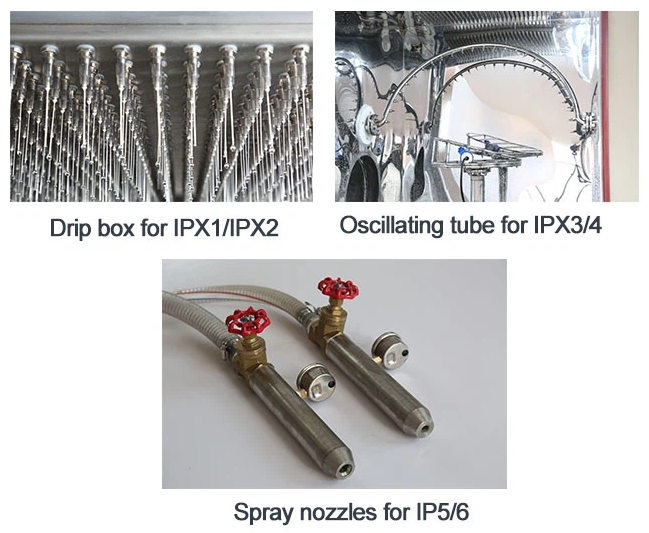
IPX1 and IPX2 testing simulates vertically falling water droplets representing light rain or condensation. The waterproof test machine employs precision drip plates with evenly distributed holes (typically φ0.4mm spacing at 50mm intervals) positioned above the test specimen. IPX1 maintains vertical drip orientation while IPX2 tilts the specimen up to 15 degrees, evaluating protection against angled precipitation. Flow rates of 1mm/minute for IPX1 and controlled dripping for IPX2 replicate natural rainfall intensity, revealing whether housing seams, button interfaces, or connector covers adequately prevent moisture entry.
Oscillating Spray Testing for Directional Water Exposure
IPX3 and IPX4 protocols employ oscillating tubes fitted with spray nozzles creating controlled water curtains. The tube swings through programmable angles (±45°, ±60°, ±90°, or ±180°) while the specimen rotates on a turntable at 1 revolution per minute, ensuring complete surface coverage. IPX3 limits spray to ±60° from vertical, simulating rain with moderate wind, while IPX4 extends to omnidirectional spray from any angle. Advanced chambers feature adjustable oscillation radius (400mm or 600mm) accommodating different specimen sizes while maintaining standardized spray intensity of 10L/min per square meter.
High-Pressure Jet Testing for Extreme Conditions
IPX5 and IPX6 testing subjects enclosures to powerful water jets simulating pressure washing, heavy storms, or marine wave action. A 6.3mm nozzle positioned 2.5-3 meters from the specimen delivers 12.5L/min at 30kPa (IPX5) or 100L/min at 100kPa (IPX6). The test operator manually directs the jet across all enclosure surfaces for three minutes, challenging seal integrity under hydraulic pressure that forces water through microscopic gaps. Digital flow meters in professional waterproof test machines ensure precise pressure control, while stainless steel construction withstands the corrosive high-humidity environment generated during testing.
IP Rating Standards for Electronic Device Testing
IEC 60529 International Standard Framework
The International Electrotechnical Commission's IEC 60529 standard establishes the globally recognized Ingress Protection (IP) rating system. The two-digit code indicates protection levels: the first digit (0-6) represents solid particle ingress protection, while the second digit (0-9K) specifies liquid ingress protection. A waterproof test machine configured for IEC 60529 compliance incorporates precise control of water volume, pressure, spray patterns, and test duration. Temperature conditioning requirements mandate testing at ambient laboratory conditions (15-35°C), ensuring reproducible results across different testing facilities worldwide.
ISO 20653 Automotive Industry Requirements
ISO 20653 extends IEC 60529 specifically for road vehicles, adding higher protection levels (IPX9K for high-temperature, high-pressure steam cleaning) and clarifying automotive-specific testing conditions. This standard proves essential for validating exterior sensors, charging ports, and lighting assemblies exposed to car wash operations and severe weather. The heated water capability (up to 90°C) in advanced waterproof test machine enables IPX9K validation, where 80-100 bar pressure jets at elevated temperature simulate aggressive cleaning procedures that automotive components must withstand without functional degradation.
Regional Variations and Certification Requirements
While IEC 60529 provides the foundation, regional markets impose additional interpretations. European CE marking requires demonstrated IP rating compliance with third-party testing documentation. North American markets reference NEMA standards (National Electrical Manufacturers Association) that correlate with but don't directly match IP ratings. Asian markets often mandate testing at government-accredited laboratories. A versatile waterproof test machine with programmable control, data logging via Ethernet connectivity, and compliance with multiple international standards enables manufacturers to satisfy diverse certification requirements from a single testing platform.
Table 2: IPX Rating Definitions and Testing Parameters
|
IPX Rating |
Protection Level |
Water Volume/Pressure |
Test Duration |
Testing Method |
Typical Applications |
|
IPX1 |
Vertical drips |
1 mm/min |
10 minutes |
Drip box |
Indoor electronics |
|
IPX2 |
Angled drips (15°) |
3 mm/min |
10 minutes |
Tilted drip box |
Consumer devices |
|
IPX3 |
Spray ±60° |
10 L/min/m² |
5 minutes |
Oscillating tube |
Outdoor equipment |
|
IPX4 |
Spray any angle |
10 L/min/m² |
5-10 minutes |
Full oscillation |
Portable electronics |
|
IPX5 |
Water jets |
12.5 L/min @ 30kPa |
3 minutes |
6.3mm nozzle |
Marine electronics |
|
IPX6 |
Powerful jets |
100 L/min @ 100kPa |
3 minutes |
12.5mm nozzle |
Deck equipment |
|
IPX7 |
Immersion 1m |
Submersion |
30 minutes |
Water tank |
Smartphones, watches |
|
IPX8 |
Continuous immersion |
Depth > 1m |
Manufacturer specified |
Pressure vessel |
Diving equipment |
 |
IPX7 X8 Water immersion |
||||

Detecting Water Ingress in Enclosures and Interfaces
Visual Inspection and Moisture Indicator Integration
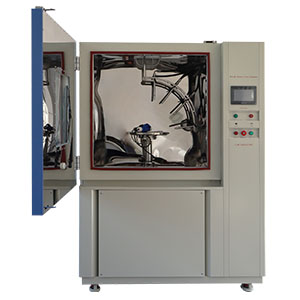
Post-test examination begins with visual inspection of internal compartments for water accumulation, condensation on component surfaces, or moisture traces along seal paths. Moisture-sensitive indicator papers placed at critical locations (near battery contacts, circuit boards, connector interfaces) change color upon water contact, providing clear evidence of ingress pathways. The observation window with wiper in quality waterproof test machines enables real-time monitoring during testing, capturing the exact moment water penetrates enclosures - valuable data for pinpointing seal design weaknesses requiring correction.
Electrical Continuity and Functional Testing
Water presence on electronic assemblies creates conductive paths causing circuit malfunction before visible accumulation occurs. Comprehensive validation includes powered operation during and after water exposure, monitoring for voltage fluctuations, communication errors, or sensor reading anomalies. Waterproof power outlets inside the chamber with protective covers enable safe energized testing, while sealed cable ports allow external signal connections to monitoring equipment. Leak current protection (ELCB) systems prevent electrical hazards when testing high-voltage components like battery chargers or power adapters.
Quantitative Moisture Detection Methods
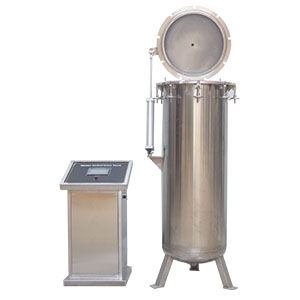
Advanced validation employs humidity sensors monitoring internal enclosure atmosphere or weight measurements detecting minute water accumulation. Pre- and post-test mass measurements using precision balances (0.01g resolution) quantify ingress amounts as low as drops or condensation films. Some protocols specify maximum allowable water entry - IPX7 permits moisture accumulation that doesn't interfere with operation, while IPX8 prohibits any harmful ingress. Gas tracer testing using helium leak detection provides extreme sensitivity, revealing microscopic seal imperfections invisible to traditional water testing methods.
Accelerated Waterproof Testing for Product Reliability
Temperature Cycling Combined with Water Exposure
Real-world usage subjects devices to thermal expansion-contraction cycles that stress seals and gaskets while simultaneously encountering moisture. Accelerated protocols combine temperature extremes with water exposure: heating devices to upper operating limits, then immediately subjecting them to cold water spray, inducing rapid thermal shock. This cycling reveals seal degradation mechanisms that prolonged ambient testing misses. Advanced waterproof test machines with heated water capability (up to 90°C) enable realistic simulation of devices removed from hot pockets into rain or cold environments into heated showers.
Mechanical Stress Integration During Water Testing
Devices experience mechanical vibration, button actuation, and connector insertion cycles throughout their lifespan, potentially degrading seal integrity over time. Comprehensive validation combines water exposure with simultaneous mechanical stress: actuating buttons during spray testing, vibrating devices during immersion, or cycling connectors before and after water exposure. The rotating turntable in chambers ensures uniform exposure while providing rotational stress. This multi-stress approach identifies vulnerabilities that single-factor testing overlooks, particularly seal compression set or gasket displacement under mechanical load.
Extended Duration Testing for Long-Term Reliability
Standard IPX testing specifies minimum exposure durations, but extended testing reveals progressive seal degradation. Continuous 24-hour IPX4 spray testing or repeated immersion-drying cycles (100+ cycles) simulate years of service within accelerated timeframes. Water circulation systems with built-in filtration prevent nozzle clogging during extended runs, while automatic water level maintenance eliminates operator intervention. The closed-loop design saves up to 90% water costs compared to once-through systems, making extended testing economically feasible while supporting environmental sustainability objectives.
Supporting Electronics Certification with Waterproof Validation
Third-Party Testing Laboratory Requirements
Major carriers (Verizon, AT&T) and certification bodies (UL, TÜV) require testing at accredited laboratories following documented procedures. These facilities mandate waterproof test machines with current calibration certificates, traceable measurement equipment, and comprehensive data logging. Ethernet connectivity enabling direct computer integration supports laboratory information management systems (LIMS), while USB data download facilitates report generation. Programmable color LCD touchscreen controllers with multi-language support (English, French, Spanish, German, Russian) accommodate international testing facility requirements.
Documentation Standards for Regulatory Submissions
Regulatory approval submissions demand detailed test reports including equipment specifications, calibration dates, environmental conditions, specimen positioning, exposure duration, and pass/fail criteria. The PLC control system with touchscreen interface in modern waterproof test machine automatically logs all parameters, generating timestamped records satisfying audit requirements. Photographic documentation through the double-layer insulating glass observation window provides visual evidence of test setup and post-exposure condition. This comprehensive documentation streamlines certification processes, reducing time-to-market for new product introductions.
Quality Management System Integration
ISO 9001 certified manufacturers integrate waterproof testing into design validation (DV), process validation (PV), and production qualification protocols. Statistical sampling plans determine how many units from each production lot undergo testing, with results feeding into corrective and preventive action (CAPA) systems. The rugged SUS304 stainless steel construction ensures measurement system reproducibility across thousands of test cycles, supporting the gage repeatability and reproducibility (GR&R) studies required by Six Sigma and automotive quality standards.
Table 3: Certification Requirements by Product Category
|
Product Category |
Key Certifications |
Required IP Rating |
Testing Frequency |
Documentation Requirements |
|
Smartphones |
FCC, CE, Carrier certification |
IPX7-IPX8 |
Every design revision |
Full test reports, photos |
|
Wearables |
FDA (medical), CE |
IPX7-IPX8 |
Pre-production, annual |
Calibration certificates, procedures |
|
Outdoor Electronics |
UL, IP certification |
IPX4-IPX6 |
Type testing, sampling |
Standards compliance statement |
|
Automotive Components |
IATF 16949, OEM specs |
IPX6-IPX9K |
PPAP submission, ongoing |
PPAP documentation package |
|
Marine Equipment |
NMEA 2000, ISO standards |
IPX6-IPX8 |
Type approval |
Marine certification bodies |
LIB Industry Enables High-Precision Consumer Electronics Waterproof Testing
|
|
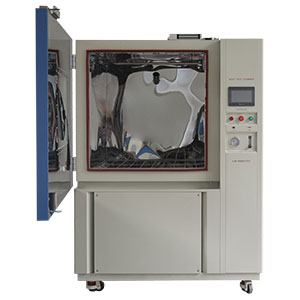
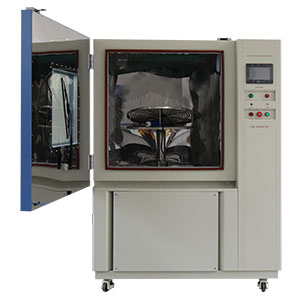
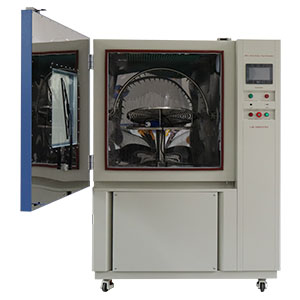
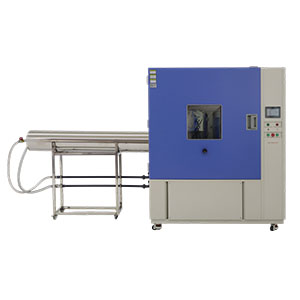
IPX1 IPX2 Water Drip Test Apparatus |
|
|
|
|
|
|
|
||

Comprehensive IPX Rating Coverage in Integrated Systems
LIB Industry's waterproof test machine consolidates IPX1 through IPX9K testing capabilities within space-efficient configurations. The integrated design incorporates precision drip plates for vertical water testing, oscillating tubes with adjustable radius (400mm or 600mm) for spray evaluation, and high-pressure jet nozzles for extreme condition validation. This all-in-one approach eliminates the capital expense and laboratory space requirements of purchasing separate equipment for each protection level, while ensuring consistent environmental conditions across all test protocols through unified chamber control.
Advanced Water Management and Environmental Sustainability
The closed-loop water circulation system features multi-stage filtration preventing nozzle clogging that compromises spray uniformity, while booster pumps maintain precise pressure control verified by digital flow meters. Automatic water level sensors trigger replenishment from external supplies, maintaining continuous operation during extended test sequences. Water purification systems remove mineral deposits that could affect spray patterns or create misleading test results. This sophisticated water management reduces operational costs by 90% compared to municipal water supply systems while supporting corporate environmental responsibility initiatives through resource conservation.
Safety Features for Powered Device Testing
Testing energized electronic devices within wet environments demands comprehensive safety engineering. IP-rated electrical components throughout the chamber prevent moisture ingress into control systems, while waterproof power outlets with protective covers inside the test zone enable safe specimen operation during exposure. Sealed cable ports accommodate sensor wiring and communication cables without compromising chamber integrity. Earth leakage protection (ELCB) immediately disconnects power upon detecting fault currents, while over-current and phase sequence protection prevent equipment damage. These safety systems protect both operators and test specimens during routine validation procedures.
Customizable Configurations and Global Support
LIB Industry offers waterproof test machine capacities from 800L to 2000L+ with drip tray sizes ranging from 600×600mm to 1000×1000mm, accommodating products from compact earbuds to large outdoor equipment enclosures. Programmable controllers store custom test sequences matching manufacturer-specific protocols beyond standard IPX ratings. The corrosion-resistant SUS304 stainless steel interior and powder-coated steel exterior ensure longevity in high-humidity laboratory environments. ISO 9001 quality certification and compliance with IEC 60529 and ISO 20653 standards provide global acceptance of test results, while turnkey installation, operator training, and ongoing technical support streamline implementation.
Conclusion
Waterproof validation represents a critical quality gate for consumer electronics, transforming marketing claims into verified specifications that protect both manufacturers and end users. Systematic testing using standardized protocols identifies design vulnerabilities before market introduction, preventing costly recalls and warranty claims while building consumer confidence through demonstrated performance. Advanced waterproof test machines enable comprehensive evaluation across all protection levels within space-efficient, environmentally responsible platforms. By integrating ingress protection testing into product development workflows, manufacturers accelerate certification processes, ensure regulatory compliance, and deliver electronics that reliably withstand real-world moisture exposure throughout their operational lifespan.
FAQ
Can the same waterproof test machine perform both low-level drip testing and high-pressure jet testing?
Yes, integrated chambers from LIB Industry incorporate modular testing capabilities covering IPX1-IPX6 within single units. Interchangeable drip plates, oscillating tubes, and jet nozzles connect to the unified water supply and control system, enabling complete protection level validation without specimen transfer between equipment. This consolidation improves laboratory efficiency and ensures consistent environmental conditions.
How do manufacturers determine appropriate test duration beyond standard specifications?
While IEC 60529 specifies minimum durations, extended testing often reveals progressive seal degradation. Manufacturers establish product-specific protocols based on expected usage patterns - devices marketed for continuous outdoor use undergo longer exposure than occasional-use products. Accelerated life testing combines standard IPX exposure with thermal cycling and mechanical stress, compressing years of service into weeks of validation.
What maintenance requirements ensure waterproof test machine accuracy over time?
Regular maintenance includes flow meter calibration (annually recommended), spray nozzle cleaning to prevent mineral buildup affecting spray patterns, water filtration system replacement, and pressure gauge verification. LIB Industry provides calibration certificates and consumables kits with each chamber. Documented maintenance schedules satisfy ISO 17025 accreditation requirements for testing laboratories, ensuring measurement traceability and result validity.
Validate Your Consumer Electronics with LIB Industry Testing Solutions
As a leading waterproof test machine manufacturer and supplier, LIB Industry delivers complete IPX testing systems backed by global technical support and certification expertise. Contact our specialists at ellen@lib-industry.com to discuss chamber configurations optimized for your consumer electronics validation requirements.


