How to Use the DI-2000 IP6X Dust Chamber?
The primary distinction between IP6X and IP6KX lies in test severity and application scope. IP6X certification confirms complete protection against dust ingress under standard conditions, typically verified through an 8-hour exposure test with talcum powder circulation. IP6KX represents an enhanced protocol for applications requiring protection under more demanding vacuum and exposure conditions.
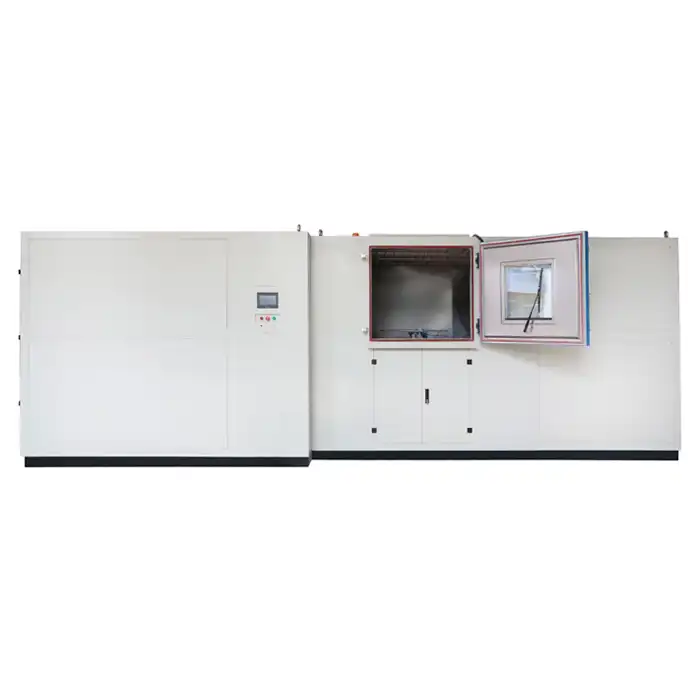
Understanding these differences helps manufacturers select the right testing method and equipment. For laboratories testing large automotive assemblies, electronic enclosures, or other dust-sensitive products, the DI-2000 IP6X dust chamber from LIB Industry provides a 2000 L testing space with programmable dust circulation, vacuum control, and customizable testing functions.
Need an IP6X dust test chamber for IEC 60529 testing? Request a quote in 24 hours.
What Does IP6X Mean for the DI-2000 IP6X Dust Chamber?
_1731062079549.webp "blog-1-1")
Understanding the IP Rating System
The Ingress Protection (IP) rating system, standardized under IEC 60529, classifies the protection provided by enclosures against the intrusion of solid particles and liquids. The first digit indicates protection against solid particles, while the second digit addresses liquid ingress. An “X” indicates that the corresponding characteristic is not specified or tested.
IP6X represents the highest level of protection against dust ingress. It is particularly important for automotive electronics, aerospace instrumentation, outdoor telecommunications equipment, industrial control systems, and other products that must operate reliably in dusty environments.
Technical Requirements for IP6X Certification
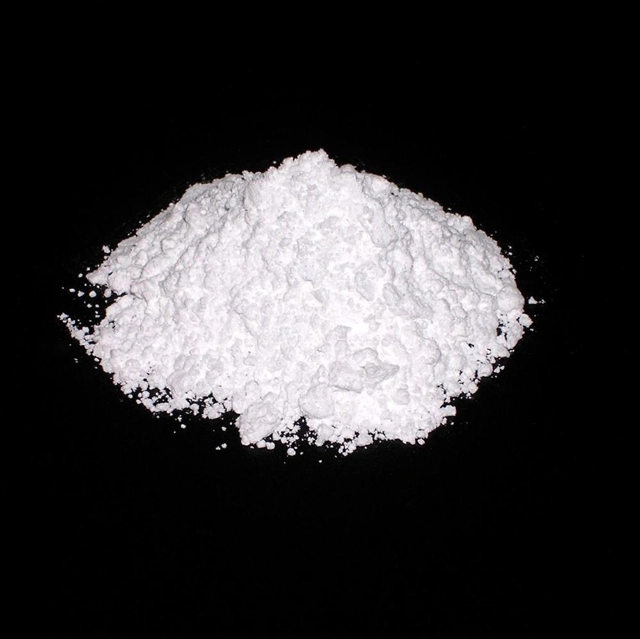
Achieving IP6X certification requires controlled exposure to fine talcum powder under specified test conditions. Test specimens are exposed to powder with a normal wire diameter of 50 μm and a nominal gap width of 75 μm.
The test chamber maintains humidity below 30% RH and temperatures from ambient to +50°C. Vacuum application creates a 20 mbar differential pressure, while the typical test duration is 8 hours of continuous dust circulation. After testing, the enclosure is inspected for dust penetration.
| IP6X Test Parameter | Specification | DI-2000 Capability |
|---|---|---|
| Dust Particle Size | 50 μm wire diameter | Precise 50 μm talcum powder |
| Gap Width | 75 μm nominal | Standard 75 μm configuration |
| Test Duration | 8 hours minimum | Programmable 0–99H59M |
| Temperature Control | Ambient to elevated | Ambient to +50°C |
| Humidity Control | < 30% RH | Automated dehumidification |
| Vacuum Pressure | 20 mbar differential | Multi-port vacuum system |
How the DI-2000 Ensures Accurate IP6X Testing?
LIB Industry’s DI-2000 IP6X dust chamber is designed to provide stable and repeatable dust testing for large components and complete assemblies. Its multi-port vacuum system can support simultaneous testing of 2–3 large components while maintaining the required pressure conditions throughout the test cycle.
The automated dust management system includes heating jackets to help pre-dry talcum powder before circulation, reducing powder clumping during testing. A one-touch powder recovery system with vibration assistance simplifies powder handling and chamber cleaning between tests.
The chamber also features a 304 stainless steel mirror-finish interior, electromagnetic door locks, dustproof LED lighting, and observation windows, providing a practical working environment for long-duration IP6X testing.
For laboratories that need more than a standard chamber, LIB Industry can also discuss chamber configuration, test capacity, and control requirements according to the customer's specimen size and testing protocol.
Looking for a 2000 L IP6X dust chamber with vacuum control and programmable testing? Contact LIB Industry for specifications and pricing.
How is IP6KX Different from IP6X?
The Additional “K” Designation Explained
The “K” modifier in IP6KX indicates additional protection requirements beyond standard IP6X testing. It is associated with applications where components may experience more demanding pressure or environmental conditions during operation.
Compared with standard IP6X testing, IP6KX protocols may involve higher vacuum levels, longer exposure periods, or additional environmental stresses depending on the applicable testing requirements.
While IP6X testing in the original DI-2000 configuration uses a 20 mbar differential pressure, customized configurations can be developed for applications requiring extended vacuum exposure or other enhanced test conditions.
Application Scenarios Requiring IP6KX
IP6KX testing can be relevant to specialized applications where protection against dust must be maintained under more demanding operating conditions.
Typical applications include automotive electronic control units (ECUs), components installed in harsh engine-bay environments, aircraft instrumentation, medical equipment, and telecommunications equipment deployed in dusty or industrial environments.
For manufacturers developing products for these applications, selecting a chamber with sufficient vacuum capability and programmable control is important. LIB Industry can customize the DI-2000 configuration according to specific IP6KX or customer-defined testing requirements.
Testing Protocol Variations Between IP6X and IP6KX
The procedural differences between IP6X and IP6KX can affect chamber configuration and test execution. Enhanced protocols may require longer testing periods, more robust vacuum systems, or additional environmental cycling.
| Test Aspect | IP6X Standard | IP6KX Enhanced |
|---|---|---|
| Vacuum Pressure | 20 mbar differential | 50–100 mbar differential |
| Test Duration | 8 hours typical | 12–24 hours extended |
| Temperature Cycling | Static or single range | Multiple thermal cycles |
| Acceptance Criteria | No visible ingress | Zero particulate detection |
| Post-Test Inspection | Visual examination | Microscopic analysis required |
The DI-2000 IP6X dust chamber can be customized for IP6KX testing through LIB Industry’s engineering service. Enhanced vacuum pumps, extended programmable cycles, and temperature ramping capabilities can be incorporated according to the required test protocol.
If you are unsure whether your application requires standard IP6X or a customized IP6KX configuration, providing the applicable standard, specimen dimensions, required pressure, and test duration allows LIB Industry’s engineers to recommend the appropriate configuration.
Why is the DI-2000 IP6X Dust Chamber Important for Automotive Components?
Automotive Dust Exposure Challenges
Modern vehicles contain numerous electronic control units and electrical components that may be exposed to road dust, brake particulates, industrial pollution, and other environmental contaminants. Engine compartments can also combine high temperature, vibration, and fine-particle exposure, creating demanding conditions for sealed components.
For electric vehicles, dust protection is particularly important for systems such as battery management systems, inverters, charging controllers, sensors, and other electronic assemblies.
Regulatory Compliance and Quality Standards
Automotive quality systems require rigorous environmental validation for many safety- and performance-critical components. IP6X testing provides objective evidence of enclosure protection and can support supplier qualification and product validation.
The DI-2000 is designed around IEC 60529 IP6X testing requirements, with a programmable color LCD touchscreen controller for creating and managing test profiles.
LIB Industry also supports customized testing requirements for automotive manufacturers and component suppliers, including chamber configuration, installation, operator training, and ongoing technical support.
Need to test headlights, ECUs, connectors, or other automotive assemblies? Send us your specimen dimensions and required IP rating for a chamber recommendation.
Real-World Testing Benefits for Vehicle Systems
Systematic dust ingress testing during product development helps manufacturers identify sealing weaknesses before products reach production. The DI-2000’s 2000 L capacity allows testing of larger assemblies such as headlight units, dashboard clusters, door control modules, and other complete components.
Its low-threshold door and optional test cart solutions simplify loading larger specimens. A reinforced platform supporting up to 500 kg can accommodate heavy assemblies, while adjustable stainless steel racks can be used for smaller components.
LIB Industry also provides installation and training support, helping laboratories integrate the chamber into their existing testing workflow.
How to Use the DI-2000 IP6X Dust Chamber?
Pre-Test Preparation and Calibration
Successful IP6X testing begins with proper chamber preparation and calibration verification. Operators should inspect the vacuum system, including the pressure gauge, air filter, and pressure regulator, to ensure stable operation. The heating jackets should also be checked to ensure that the talcum powder remains suitable for circulation.
Test specimens should be conditioned to the required laboratory conditions before installation. The 16A dust-proof socket allows active devices to be powered during testing when functional verification under dust exposure is required.
Specimens should be positioned on the sample rack to allow adequate exposure to circulating dust without blocking the circulation path or observation area.
Before starting a new testing program, LIB Industry provides installation and operator training to help users correctly configure the chamber and testing process.
Programming Test Parameters
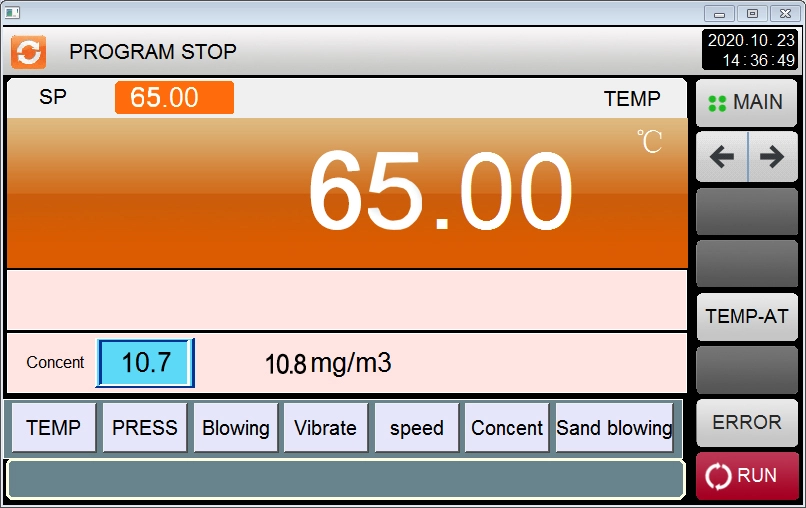
The DI-2000 IP6X dust chamber uses a programmable color LCD touchscreen controller for setting test parameters. Operators can configure flight time, representing the dust circulation phase, from 0 to 99H59M. For standard IP6X testing, the typical exposure duration is 8 hours.
Blowing time can also be programmed to control the post-test clearing process before specimen extraction.
Temperature can be adjusted from ambient to +50°C, while the humidity control system maintains conditions below 30% RH. For customized IP6KX procedures, LIB Industry can assist with extended vacuum exposure, thermal cycling sequences, and other required programming.
The Ethernet interface also supports data logging and integration with laboratory management systems.
Need help configuring an IP6X or customized dust test cycle? LIB Industry engineers can assist with the required test parameters before equipment delivery.
Post-Test Inspection and Documentation
After testing, the electromagnetic door lock releases for safe specimen extraction. Built-in dustproof LED lighting facilitates inspection of the test specimen.
The enclosure should then be examined for dust penetration according to the applicable acceptance criteria. Test documentation should record the test parameters, specimen identification, inspection results, and any deviations from the specified procedure.
The double-layer observation window can also support photographic records for quality documentation. After testing, the one-touch powder recovery system with vibration assistance helps simplify chamber cleaning and preparation for the next test.
LIB Industry provides operator training covering test operation, maintenance, and safety functions, including over-temperature, over-current, earth leakage, and phase sequence protection.
What Are the Benefits of Using the DI-2000 IP6X Dust Chamber?
Accelerated Product Development Cycles
Integrating IP6X validation early in product development helps identify sealing and enclosure weaknesses before production. The DI-2000 allows engineers to evaluate gasket materials, sealing designs, vent configurations, and membrane technologies under controlled dust exposure.
Its 2000 L chamber capacity also allows larger assemblies to be tested as complete units rather than only testing individual components. This can help reveal potential issues that may not be visible during component-level testing.
Cost Reduction Through Early Failure Detection
Dust-related field failures can result in warranty repairs, product returns, engineering investigations, and additional testing. Identifying sealing problems during laboratory validation allows manufacturers to address potential weaknesses before mass production.
The DI-2000’s multi-port vacuum system can support simultaneous testing of 2–3 large components, helping laboratories improve testing efficiency. Its standard configuration can also include a sample shelf, dust wiper, and 5 kg talcum powder.
For laboratories with high testing volumes, LIB Industry can discuss chamber capacity, loading configuration, and customized solutions to match the actual workflow.
Competitive Differentiation and Market Access
IP6X testing provides documented evidence of dust protection for products intended for demanding environments. For automotive, consumer electronics, industrial, and other applications, reliable environmental testing can support product validation and customer qualification.
The DI-2000 is designed around international IP testing requirements and can be integrated into laboratory quality systems. LIB Industry provides a complete equipment service covering research, design, production, commissioning, delivery, installation, and training, allowing customers to purchase not only the chamber but also the supporting implementation service.
Related Products
|
|
|
|
|
IPX5 & IPX6 Water Spray Test Chamber For products that require both dust and water ingress protection, an IPX5/IPX6 water spray test chamber can be used alongside the DI-2000 to build a more complete environmental protection testing program. |
Temperature & Humidity Test Chamber Temperature and humidity testing helps evaluate how products perform under controlled environmental conditions. It can be used for preconditioning or complementary environmental reliability testing before or after dust testing. |
Temperature Cycling Chamber For automotive and electronic components exposed to repeated temperature changes, a temperature cycling chamber can complement IP6X testing by evaluating sealing and material performance under thermal stress. |


FAQ
Can the DI-2000 chamber perform both IP6X and IP6KX testing?
The standard DI-2000 configuration meets IP6X requirements according to IEC 60529. IP6KX testing may require enhanced vacuum capabilities and extended test protocols. LIB Industry can customize the chamber configuration according to the required testing conditions.
How often does the DI-2000 require calibration and maintenance?
Annual calibration verification is recommended for continued accuracy of the measurement systems. Routine maintenance includes inspection of the vacuum system, filter replacement, and door-seal inspection. LIB Industry provides technical support and maintenance guidance as part of its equipment service.
What chamber capacity should I choose for testing automotive headlight assemblies?
Automotive headlight assemblies typically measure around 600–800 mm in length. The DI-2000, with internal dimensions of 1000 × 2000 × 1000 mm, provides sufficient working space for these larger components while maintaining appropriate dust circulation.
LIB Industry offers multiple dust chamber models from approximately 800 L upward. The appropriate model can be selected according to specimen dimensions, test quantity, and laboratory throughput.
Partner with LIB Industry for Your Dust Testing Solution
LIB Industry provides the DI-2000 IP6X dust chamber with equipment configuration, installation, operator training, and ongoing technical support. For applications requiring customized vacuum levels, extended test cycles, or specific specimen loading solutions, our engineering team can develop the chamber configuration around your testing requirements.
Send us your test standard, specimen dimensions, required IP rating, and test conditions, and we can recommend a suitable dust test chamber.
Contact: ellen@lib-industry.com