A Guide to IPX1-IPX6 Waterproof Testing Machine
Selecting appropriate water ingress protection equipment requires understanding how different IPX ratings translate into real-world performance. A waterproof test machine systematically evaluates product enclosures against standardized water exposure conditions, ranging from vertical dripping to powerful directional jets. This comprehensive guide explores testing methodologies, equipment components, certification requirements, and practical applications across industries. Whether you're developing consumer electronics, automotive systems, or outdoor equipment, mastering IPX1-IPX6 testing protocols ensures your products meet international waterproof standards with confidence and precision.
Understanding the Differences Between IPX1 and IPX6 Ratings
|
|
|
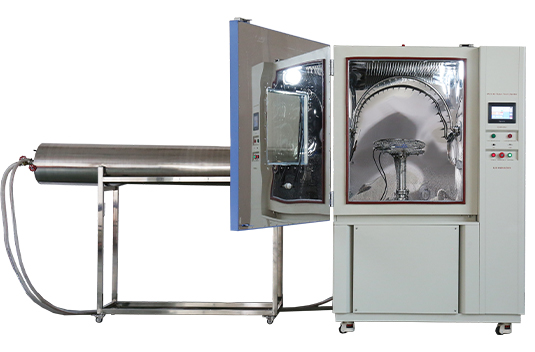
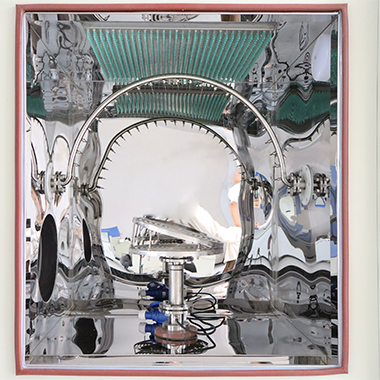
The IPX rating system provides a universal language for communicating water protection capabilities. Each level represents progressively challenging water exposure scenarios that products might encounter during normal operation or environmental conditions.
Progressive Protection Levels Explained
IPX1 testing simulates condensation with vertical dripping at 1mm per minute, representing minimal moisture exposure like light condensation. IPX2 increases the challenge by testing dripping water at 15-degree angles, simulating slightly tilted product positions. IPX3 introduces spray water falling at 60-degree angles from vertical, replicating light rainfall conditions. IPX4 expands protection against water splashing from all directions, comparable to heavy rain exposure. IPX5 evaluates resistance against water jets from 6.3mm nozzles at 12.5 liters per minute, simulating cleaning operations or storm conditions. IPX6 represents the highest spray protection level with powerful jets delivering 100 liters per minute, testing against severe marine environments or pressure washing scenarios.
Practical Applications by Rating Level
Lower IPX ratings (1-2) suit indoor electronics with minimal moisture exposure like bedroom appliances or desktop devices. Mid-range ratings (3-4) protect outdoor consumer products including garden lighting, portable speakers, and recreational equipment. Higher ratings (5-6) become essential for industrial equipment, marine electronics, and automotive components requiring robust water resistance. Understanding these distinctions helps manufacturers select appropriate testing protocols matching their product's intended environment and user expectations.
Testing Duration and Sample Orientation
Each IPX level specifies precise testing durations and sample positioning requirements. IPX1 tests run for 10 minutes with samples in normal operating position. IPX2 extends testing across four tilted positions, accumulating 40 minutes total exposure. IPX3 and IPX4 utilize oscillating spray tubes creating comprehensive coverage over specified timeframes. IPX5 and IPX6 testing involves sustained high-pressure exposure from multiple angles, ensuring complete enclosure evaluation. Proper sample orientation during testing critically impacts result validity and certification acceptance.
Test Methods Used for Drip, Spray, and Water Jet Protection
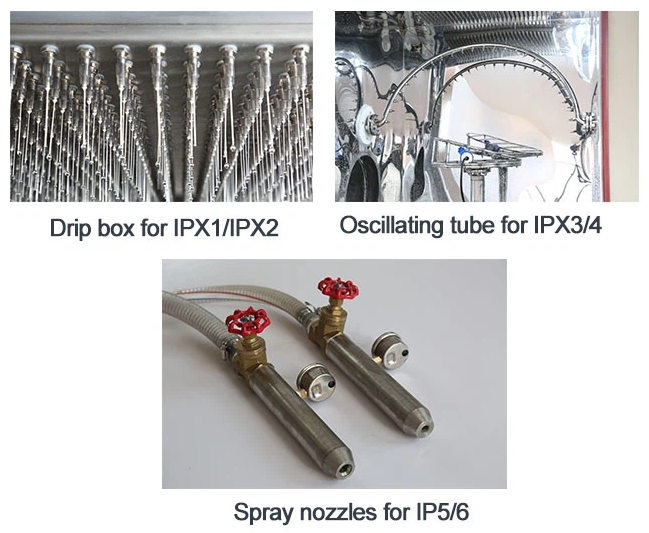 Standardized test methodologies ensure consistency across laboratories worldwide. Each IPX level employs specific equipment configurations, water delivery systems, and measurement protocols aligned with IEC 60529 and ISO 20653 standards.
Drip Testing Apparatus Configuration
IPX1 testing utilizes a drip tray with precisely spaced perforations creating controlled vertical water drops. The drip plate dimensions vary based on sample size, with common configurations including 600×600mm and 1000×1000mm platforms. Water flow regulation maintains consistent 1mm per minute droplet delivery across the entire surface area. Sample positioning beneath the drip tray allows natural gravitational water exposure simulating condensation accumulation. Temperature-controlled water prevents thermal shock while maintaining test condition consistency.
Oscillating Tube Spray Systems
IPX3 and IPX4 testing in a waterproof test machine employs oscillating tubes featuring evenly distributed spray holes along their length. These tubes swing through predetermined arcs (typically ±60° to ±180°) while rotating around the test sample. Hole diameter standardization at φ0.4 mm with 50 mm spacing ensures uniform water distribution. Flow meters regulate pressure, maintaining specified spray patterns. Turntable rotation at 1 revolution per minute guarantees complete sample exposure during the test cycle. The combination of oscillating movement and sample rotation creates comprehensive coverage impossible with static spray configurations.
High-Pressure Water Jet Testing
IPX5 and IPX6 evaluations utilize directed nozzles delivering concentrated water streams at controlled pressures and flow rates. Nozzle diameter, standoff distance, and flow volume precisely match standard specifications. Operators manually direct jets across all sample surfaces, seams, and potential ingress points following systematic patterns. Pressure monitoring equipment verifies consistent delivery throughout testing duration. The handheld jet application allows targeted evaluation of vulnerable areas while maintaining standardized exposure parameters. Test duration calculations consider sample size and complexity ensuring adequate coverage of all critical zones.
Key Components of an IPX Waterproof Testing System
Modern waterproof test machines integrate multiple subsystems creating versatile, efficient testing platforms. Understanding these components helps users maximize equipment capabilities while maintaining testing accuracy and operational safety.
Water Circulation and Filtration Infrastructure
Closed-loop water systems dramatically reduce operational costs while supporting environmental sustainability. Storage tanks maintain adequate water volume for continuous testing without municipal supply dependence. Booster pumps deliver consistent pressure across all testing modes, automatically adjusting for different IPX level requirements. Multi-stage filtration removes particulates preventing nozzle clogging and maintaining spray pattern consistency. Automatic water level sensors trigger refill sequences maintaining operational readiness. Water purification systems extend component lifespan by preventing mineral buildup and corrosion. This integrated approach reduces water consumption by up to 90% compared to single-pass systems while ensuring test repeatability.
Control and Monitoring Systems
Programmable logic controllers (PLC) with touchscreen interfaces simplify operation while ensuring protocol compliance. Pre-programmed testing sequences for each IPX level eliminate manual parameter adjustment and reduce operator error. Real-time monitoring displays show flow rates, pressure readings, rotation speeds, and elapsed time during test execution. Data logging capabilities automatically record test parameters supporting quality documentation and certification submissions. Ethernet connectivity enables remote monitoring and integration with laboratory management systems. USB ports facilitate data export for analysis and archival purposes. The intuitive interface design allows operators with minimal training to execute complex testing protocols accurately.
Safety and Electrical Integration Features
Testing powered devices requires specialized electrical safety provisions. Waterproof power outlets with protective covers inside the chamber enable energized testing without compromising operator safety. Sealed cable penetrations allow external signal connections while maintaining chamber water integrity. Earth leakage circuit breakers (ELCB) provide automatic shutdown if current leakage exceeds safe thresholds. IP-rated electrical components throughout the system ensure reliable operation in high-humidity environments. Emergency stop buttons provide immediate shutdown capability during unexpected situations. Multiple safety interlocks prevent chamber operation with access panels open or safety systems disabled.
|
Component Category |
Key Features |
Primary Function |
|
Water Delivery System |
Drip trays, oscillating tubes, jet nozzles |
Provide standardized water exposure patterns |
|
Control System |
PLC controller, touchscreen interface, data logging |
Automate testing protocols and document results |
|
Safety Features |
ELCB protection, sealed penetrations, emergency stops |
Protect operators and test samples during operation |
Industry Applications for IPX1-IPX6 Waterproof Testing
Water ingress protection requirements span diverse industries, each with unique environmental challenges and regulatory obligations. Comprehensive testing validates product reliability before market introduction, preventing costly field failures and warranty claims.
Consumer Electronics and Wearable Devices
Smartphones, tablets, and smartwatches increasingly feature water resistance as standard specifications. IPX4 protection enables usage during exercise or light rain exposure, while IPX6 ratings support outdoor adventures and accidental submersion scenarios. Wireless earbuds require IPX4 minimum protection against sweat and moisture during athletic activities. Portable speakers targeting outdoor markets need IPX5 or IPX6 certification demonstrating resistance against poolside splashing or beach environments. Manufacturers utilize waterproof test machines during development cycles, verifying seal effectiveness and identifying design weaknesses before mass production. Certification testing provides marketing claims substantiation and regulatory compliance documentation for global market access.
Automotive Component Validation
Modern vehicles contain hundreds of electronic control units exposed to rain, road spray, and washing operations. Engine compartment components face particularly harsh conditions with high-pressure water jets during vehicle cleaning combined with thermal cycling and chemical exposure. IPX5 and IPX6 testing validates connector seals, housing integrity, and cable entry point protection. Exterior lighting assemblies require waterproof certification preventing condensation that degrades illumination performance and component lifespan. Electric vehicle battery enclosures undergo rigorous IPX testing ensuring safety during collision-related water exposure or flooding scenarios. Testing during component development reduces warranty costs while enhancing vehicle reliability and customer satisfaction.
Industrial Equipment and Outdoor Infrastructure
Manufacturing equipment subjected to washdown procedures requires robust water protection maintaining operational readiness in harsh industrial environments. Control panels, sensors, and junction boxes need appropriate IPX ratings matching their installation locations and cleaning protocols. Outdoor telecommunications equipment, traffic signals, and security cameras must withstand years of weather exposure without maintenance interventions. Solar panel junction boxes and inverters require waterproof certification ensuring long-term performance and electrical safety. Marine applications demand the highest protection levels with combined salt spray and high-pressure water exposure testing. Proper IPX certification demonstrates equipment suitability for intended applications while meeting insurance and safety regulatory requirements.
|
Industry Sector |
Common IPX Requirements |
Critical Applications |
|
Consumer Electronics |
IPX4-IPX6 |
Smartphones, wearables, portable speakers |
|
Automotive |
IPX5-IPX6 |
Engine components, connectors, lighting systems |
|
Industrial/Outdoor |
IPX4-IPX6 |
Control panels, telecommunications, solar equipment |
Common Compliance Issues in Waterproof Performance Tests
Achieving consistent certification results requires attention to numerous technical details beyond basic equipment operation. Understanding common failure modes helps manufacturers implement effective design improvements and testing protocols.
Seal Design and Material Selection Challenges
Gasket compression inconsistencies create the most frequent water ingress paths in tested products. Over-compression causes permanent deformation reducing seal effectiveness during thermal cycling, while under-compression leaves gaps allowing water penetration. Material selection impacts long-term sealing performance as some elastomers degrade rapidly under UV exposure or chemical contact. Manufacturer specifications often overlook assembly tolerance impacts on seal performance, resulting in unit-to-unit variation during production. Testing reveals these issues through systematic failure analysis, guiding design modifications before market release.
Cable Entry Point Vulnerabilities
Wire penetrations through enclosure walls represent persistent weak points in waterproof designs. Cable gland selection must match wire diameter ranges while accommodating installation tolerance variations. Strain relief inadequacy allows mechanical forces to compromise seal integrity during normal handling and vibration exposure. Multiple cables through single glands create irregular geometries preventing effective sealing. Proper testing evaluates these real-world configurations rather than idealized single-cable scenarios, identifying necessary design improvements.
Pressure Equalization Requirements
Temperature changes create internal pressure differentials that force water through microscopic seal imperfections. Products cycling between hot and cold environments without pressure equalization vents often fail waterproof testing despite adequate seal design. Gore-Tex membranes or similar breathable barriers allow air exchange while blocking liquid water, solving this challenge. Vent placement requires careful consideration avoiding direct water jet exposure during IPX5 and IPX6 testing. Understanding these dynamics during product development prevents late-stage design revisions and certification delays.
Beyond IPX9K: Complete IP Waterproof Testing Solutions from LIB Industry
|
IPX1 IPX2 IPX3 IPX4 Rain Spray Test Chamber |
IPX5 IPX6 Rain Jet Test Chamber |
IP69K Test Chamber |
IEC60529 IPX3 IPX4 Lab Equipment |
|
MIL STD 810 G Rain Test Chamber |
UL 50E Rain Test Apparatus |
JIS D 0203 R1 R2 Rain Test Equipment |
Dust Test Chamber |
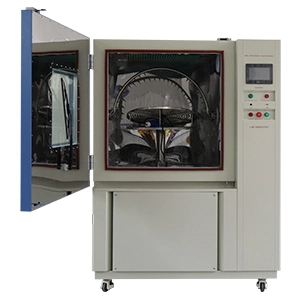
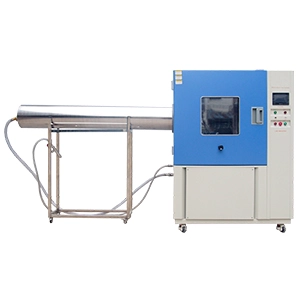
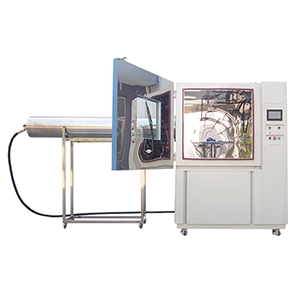
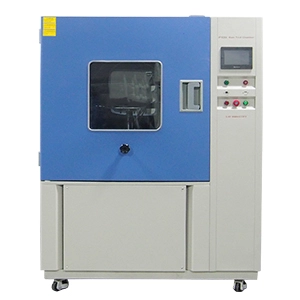
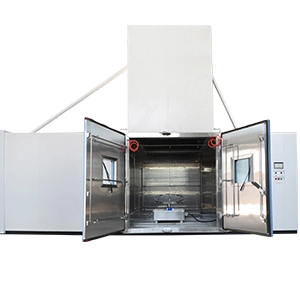
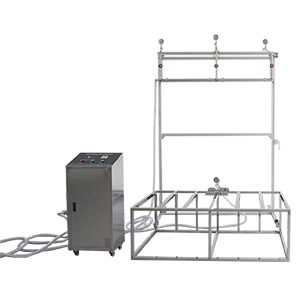
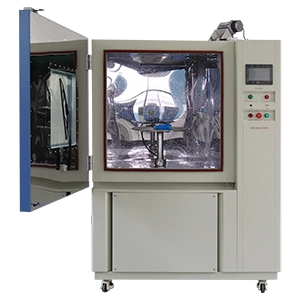
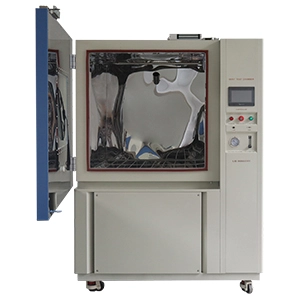
LIB Industry Supports Full IPX Waterproof Testing Range Solutions
|
Model |
RD-800C |
RD-1200C |
|
Useful Volume (L) |
810 |
2400 |
|
Drip Tray Size |
600*600 |
1000*1000 |
|
Oscillating Tube Radius |
400mm |
600mm |
|
Water Jetting Tube |
2400mm |
2300mm |
|
Spraying Hole Diameter |
φ0.4mm |
|
|
Hole Spacing |
50 mm |
|
|
oscillating angle of Oscillating Tube |
0 ~ ±180° (Adjustable) |
|
|
Jet nozzles |
IPX5: Dia6.3mm, IPX6: Dia12.5mm |
|
|
Jet distance |
2.5~3meter |
|
|
Turntable Rotation Speed |
1r/min (Adjustable speed) |
|
|
Controller |
Programmable color LCD touch screen controller, Ethernet connection, USB port |
|
|
Water supply system |
Water tank, booster pump, Automatic water supply, Water purification system |
|
|
Interior Material |
SUS304 stainless steel |
|
|
Observation Window |
Double layer insulating glass with wiper |
|
|
|
||
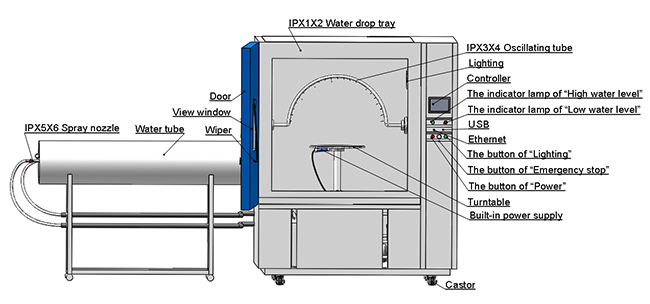
LIB Industry delivers comprehensive water ingress protection testing solutions combining advanced waterproof test machine design with complete customer support throughout the product lifecycle. Decades of experience in environmental testing technology inform our equipment specifications and customization capabilities.
Customizable Equipment Configurations
Every laboratory operates with unique space constraints, testing volumes, and certification requirements. LIB Industry offers flexible chamber sizing from 800L to 2000L capacity with custom dimensions available for specialized applications. Oscillating tube configurations adapt to different testing standards and sample geometries. Water system capacity scales matching testing frequency and volume requirements. Electrical integration options support various device types from low-voltage sensors to industrial three-phase equipment. External dimensions optimize space utilization in compact laboratory environments while maintaining internal testing volume. This customization approach ensures equipment precisely matches operational requirements rather than forcing workflow adaptation to standardized designs.
Turn-Key Implementation Services
Complete testing capability requires more than equipment delivery. LIB Industry provides comprehensive turn-key solutions encompassing initial consultation, detailed design, manufacturing, factory acceptance testing, delivery, installation, and operator training. Site surveys evaluate electrical, water, and space requirements ensuring successful integration into existing facilities. Installation teams handle all mechanical, electrical, and control system connections following local codes and safety regulations. Commissioning procedures verify all functions meet specification before customer acceptance. Hands-on training programs ensure operators understand proper testing protocols, equipment maintenance, and troubleshooting procedures. This comprehensive approach minimizes implementation timeline while maximizing equipment utilization from initial operation.
Ongoing Technical Support and Service
Long-term testing equipment reliability depends on proper maintenance and prompt issue resolution. LIB Industry maintains technical support resources providing application guidance, troubleshooting assistance, and spare parts availability. Preventive maintenance schedules extend equipment lifespan while maintaining calibration accuracy and certification validity. Software updates deliver enhanced functionality and expanded standard compliance as testing requirements evolve. Documentation packages include detailed operation manuals, maintenance procedures, electrical schematics, and replacement parts lists supporting in-house technical capabilities. This sustained partnership approach ensures your investment continues delivering value throughout its operational lifetime.
|
Service Category |
Components Included |
Customer Benefits |
|
Equipment Design |
Custom sizing, configuration selection, integration planning |
Optimized match to testing requirements and facility constraints |
|
Implementation |
Delivery, installation, commissioning, training |
Rapid operational readiness with minimal customer resource requirements |
|
Ongoing Support |
Technical assistance, maintenance, upgrades, parts supply |
Sustained performance and evolving capability throughout equipment lifetime |
Conclusion
Waterproof testing equipment represents a critical investment for manufacturers across diverse industries seeking to validate product reliability and achieve certification compliance. Understanding IPX rating distinctions, standardized test methodologies, and equipment capabilities enables informed selection decisions matching your specific requirements. LIB Industry's comprehensive solutions combine advanced technology with complete customer support, ensuring successful testing program implementation and sustained operational excellence throughout the equipment lifecycle.
FAQ
What is the primary difference between IPX5 and IPX6 testing requirements?
Both levels use water jets, but IPX6 delivers significantly higher flow rates at 100 liters per minute versus 12.5 liters per minute for IPX5. IPX6 also uses a larger 12.5mm nozzle diameter compared to IPX5's 6.3mm nozzle, creating more severe testing conditions simulating high-pressure washing or extreme weather exposure.
Can a single waterproof test machine handle all IPX levels from 1 to 6?
Quality integrated systems like LIB Industry's chambers include interchangeable components supporting complete IPX1-IPX6 testing. Drip trays, oscillating tubes, and jet nozzles mount within the same chamber enclosure, with the control system managing different protocols. This versatility eliminates the need for multiple specialized equipment units.
How often should waterproof testing equipment undergo calibration and maintenance?
Flow meters, pressure gauges, and nozzles require annual calibration verification ensuring measurement accuracy and standard compliance. Monthly inspections check spray hole integrity, seal conditions, and filtration system effectiveness. Preventive maintenance scheduling depends on usage frequency, with high-volume laboratories requiring more frequent servicing than occasional users.
Contact LIB Industry for Your Waterproof Testing Solutions
As a leading waterproof test machine manufacturer and supplier, LIB Industry delivers customized IPX testing solutions worldwide. Our engineering team stands ready to discuss your specific requirements and design optimal configurations for your laboratory. Contact us at ellen@lib-industry.com to explore how our expertise supports your product development and certification objectives.