How to Control Temperature in a Constant Temperature Chamber?
Precise temperature control is essential when testing materials, components, and products under stable environmental conditions. A constant temperature chamber combines refrigeration, heating, temperature sensing, air circulation, insulation, and PID control to maintain a programmed temperature with minimal fluctuation.
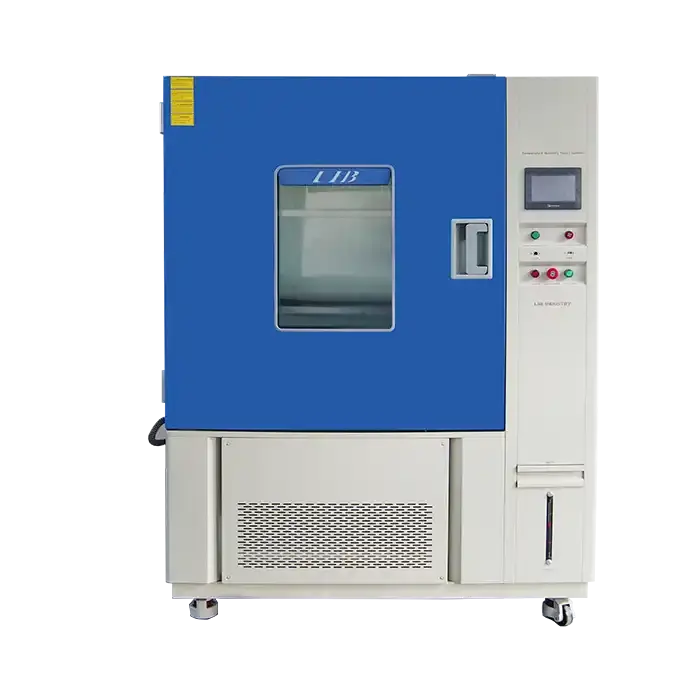
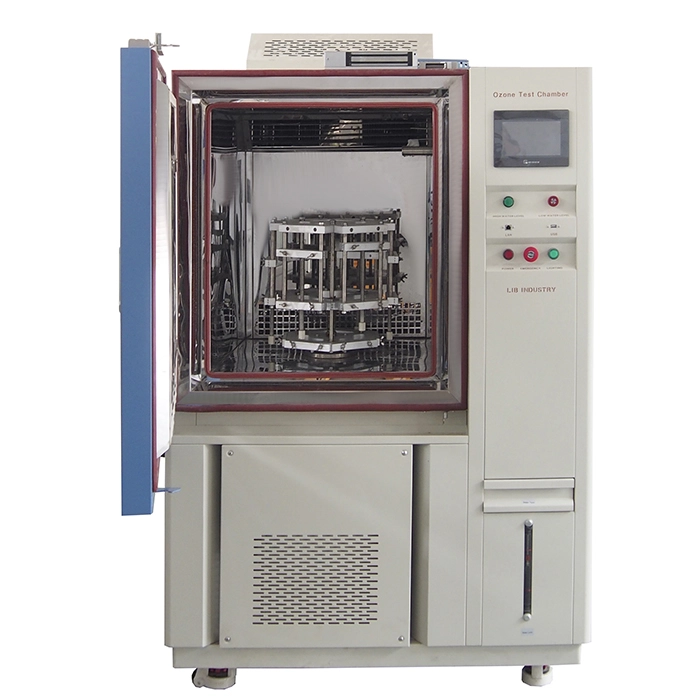
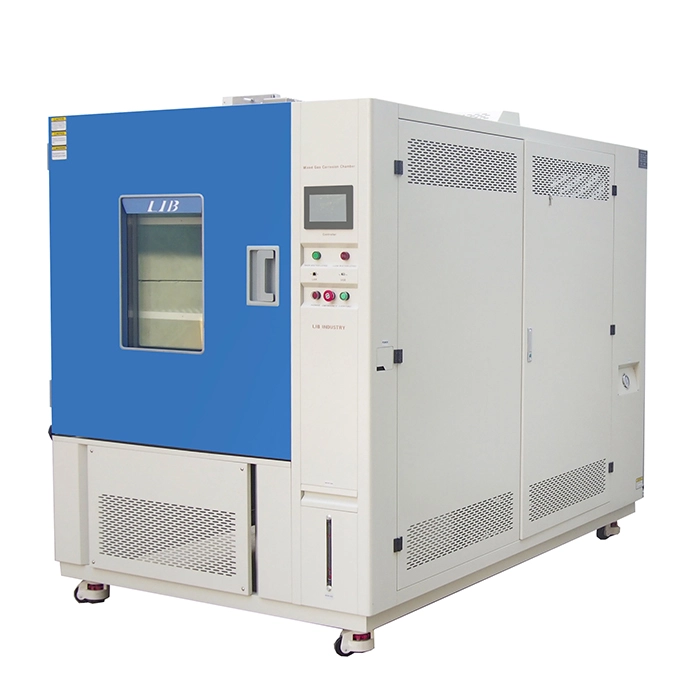
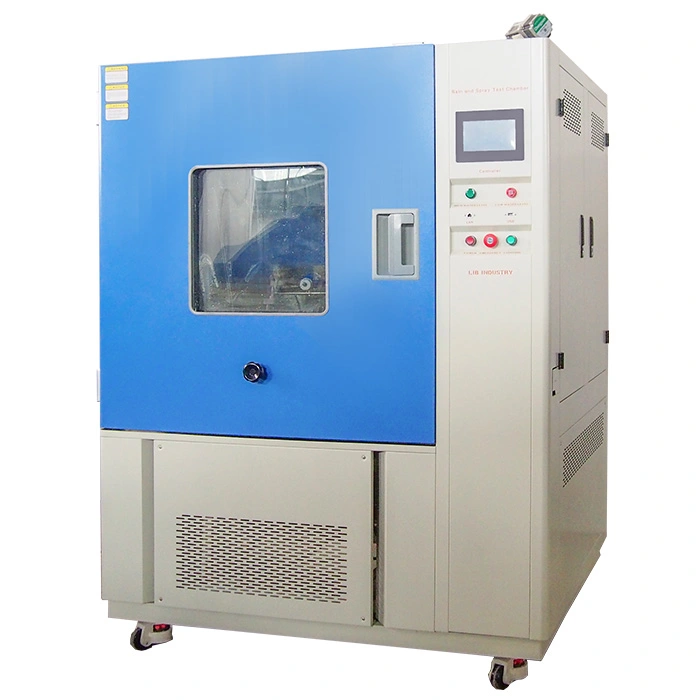
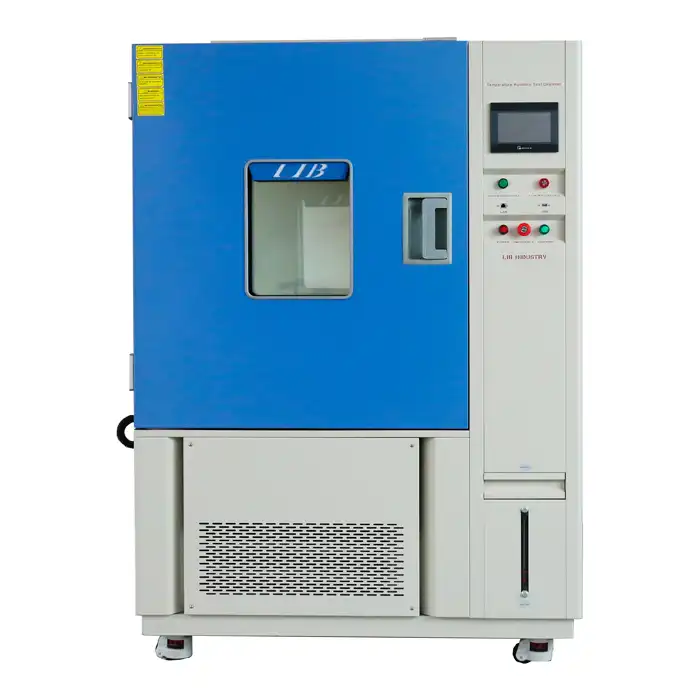
LIB Industry constant temperature chambers use mechanical compression refrigeration, nichrome heating elements, PT100Ω temperature sensors, and programmable controllers to provide stable testing conditions from -70°C to +150°C.
Need a constant temperature chamber for precise and stable testing? Contact LIB Industry for a customized solution.
What Are the Key Components of a Constant Temperature Chamber?
 |
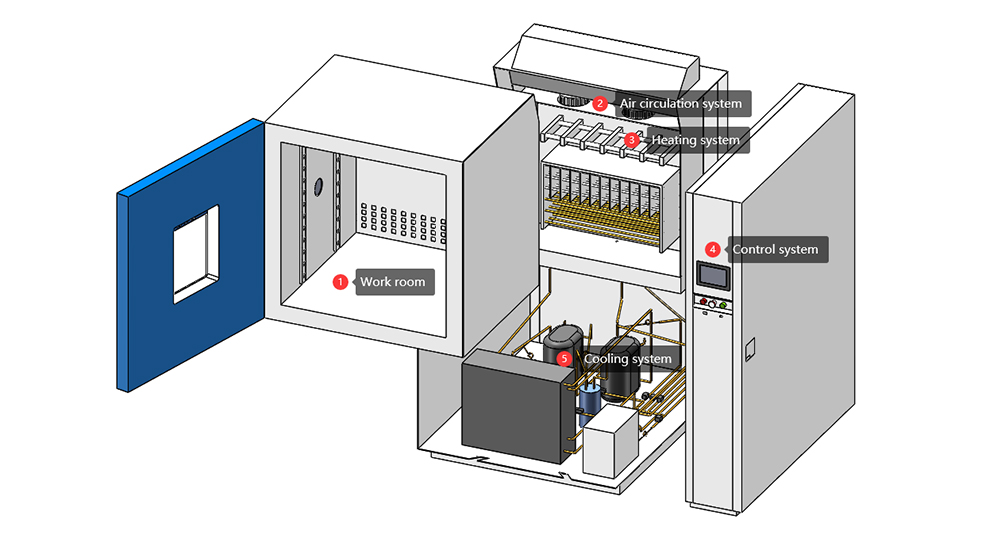 |
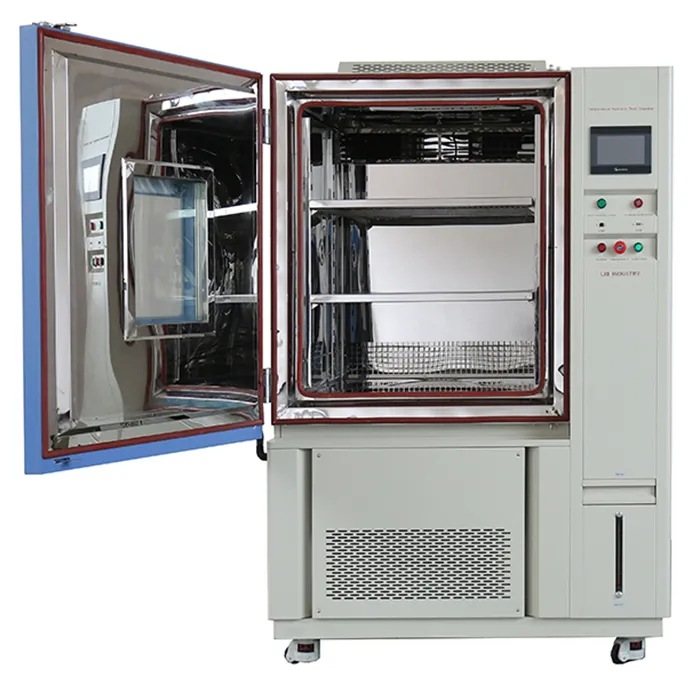
Several systems work together to maintain temperature stability inside the chamber.
Refrigeration System
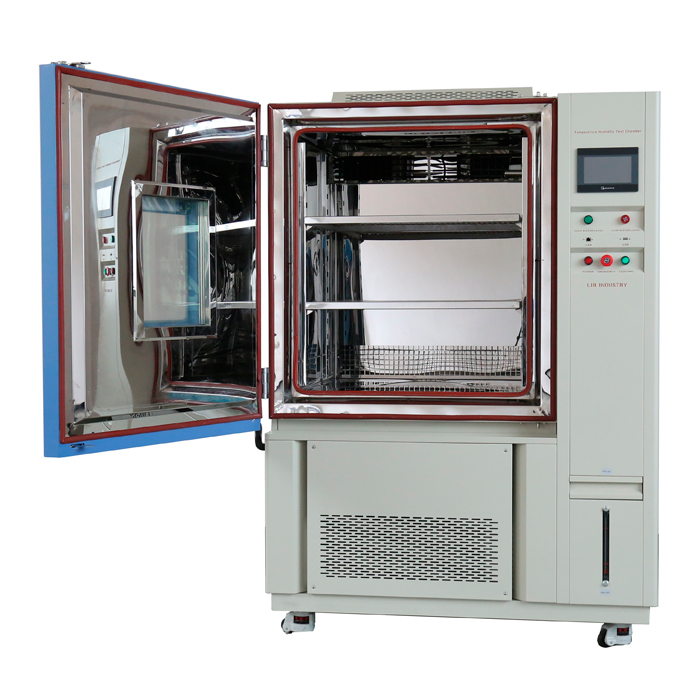
The refrigeration system removes heat from the test space through a mechanical compression cycle. LIB Industry chambers can use French TECUMSEH compressors for reliable cooling performance.
Heating and Temperature Sensing
Nichrome heaters provide the heat required to reach high-temperature setpoints, while PT100Ω Class A platinum resistance sensors continuously monitor the chamber temperature.
Insulation and Air Circulation
Polyurethane foam and insulation cotton reduce heat exchange with the surrounding environment. Inside the chamber, SUS304 stainless steel provides a durable and corrosion-resistant surface.
Centrifugal fans continuously circulate air to reduce temperature stratification and improve temperature uniformity throughout the working space.
Programmable Controller
A programmable LCD touchscreen with Ethernet communication manages temperature settings, test programs, and chamber operation.
| Component | Function | LIB Industry Specification |
|---|---|---|
| Compressor | Refrigeration | French TECUMSEH |
| Heating Element | Temperature elevation | Nichrome heater |
| Temperature Sensor | Precision measurement | PT100Ω Class A |
| Insulation | Thermal isolation | Polyurethane foam + insulation cotton |
| Controller | System management | Programmable LCD touchscreen with Ethernet |
How Does PID Control Maintain Temperature Stability?
A PID controller continuously compares the measured temperature with the programmed setpoint and adjusts heating or cooling output accordingly.
Proportional control responds to the current temperature difference.
Integral control reduces long-term temperature deviation.
Derivative control helps prevent excessive temperature overshoot and oscillation.
LIB Industry chambers are supplied with optimized PID parameters for typical applications. Customized control settings can also be provided for specialized thermal loads of up to 1000 W.
How Do You Ensure Precise Temperature Control?
Good chamber performance depends not only on the controller but also on calibration, maintenance, and proper operation.
Calibration and Validation
Reference thermometers can be positioned at different locations inside the chamber and compared with the installed sensors at representative temperature setpoints.
Regular calibration helps verify sensor accuracy and maintain reliable test results.
Preventive Maintenance
Regular inspection of door seals, cleaning of evaporator and condenser coils, and refrigerant checks help maintain cooling efficiency and temperature stability.
The door seal is particularly important because damaged seals can allow outside air to enter the chamber and affect temperature performance.
Thermal Load Management
The size, quantity, and heat generation of test specimens can influence chamber recovery and stability. Selecting an appropriate chamber volume and cooling capacity helps maintain the required conditions under actual test loads.
What Temperature Performance Can a Constant Temperature Chamber Provide?
Typical LIB Industry performance parameters include:
| Temperature Control Parameter | LIB Industry Performance |
|---|---|
| Temperature Range | -70°C to +150°C |
| Temperature Fluctuation | ±0.5°C |
| Temperature Deviation | ±2.0°C |
| Cooling Rate | Up to 3°C/min |
| Heating Rate | Approx. 1°C/min |
Actual performance can vary according to chamber size, test conditions, specimen load, and customized configuration.
Need help choosing the right chamber size or temperature range?
LIB Industry can recommend a configuration based on your test temperature, specimen load, required volume, and testing duration.
What Should You Consider When Choosing a Constant Temperature Chamber?
Before purchasing a chamber, consider four key factors:
Temperature Range
Choose a chamber that covers the lowest and highest temperatures required by your testing program. LIB Industry offers configurations covering up to -70°C to +150°C.
Temperature Stability
Check both temperature fluctuation and spatial deviation, rather than looking only at the nominal temperature range.
Chamber Volume and Heat Load
The working volume should accommodate the specimens while leaving enough space for effective air circulation. For applications with significant heat-generating samples, cooling capacity should also be considered.
Control and Communication
For long-term or automated testing, a programmable touchscreen controller and Ethernet communication can simplify test management and monitoring.
Why Choose LIB Industry Constant Temperature Chambers?
LIB Industry manufactures constant temperature chambers for laboratories and industrial testing applications requiring stable and repeatable temperature conditions.
Precision Temperature Control
The chambers combine PT100Ω Class A sensors, PID control, forced air circulation, and optimized insulation to maintain stable test conditions.
Flexible Configuration
Standard chambers are available in different working volumes and temperature ranges, while customized configurations can be developed for specific specimen sizes, thermal loads, and testing requirements.
3-Year Warranty & Lifetime Support
LIB Industry provides a 3-year warranty, lifetime technical support, and 24/7 English after-sales service. If the chamber cannot be repaired during the warranty period, LIB Industry provides a replacement according to the warranty terms.
Turn-Key Project Support
From design and production to installation, commissioning, and training, LIB Industry provides complete project support from one supplier.
Related Environmental Test Chambers
|
|
|
|
Temperature & Humidity Test ChamberFor testing products under combined temperature and humidity conditions, including environmental aging and reliability testing. |
Thermal Cycling ChamberDesigned for repeated temperature changes when controlled temperature ramping and cycling are required. |
Benchtop Environmental ChamberA compact option for laboratories that need precise temperature control while working with smaller specimens and limited installation space. |


FAQ
What temperature range does a constant temperature chamber provide?
The required range depends on the chamber configuration. LIB Industry offers models capable of operating from -70°C to +150°C.
What is the temperature fluctuation of a constant temperature chamber?
LIB Industry chambers can achieve temperature fluctuation of approximately ±0.5°C, while spatial temperature deviation can reach ±2.0°C, depending on operating conditions.
How often should a constant temperature chamber be calibrated?
Calibration frequency depends on the application and quality requirements. Regular verification is recommended for applications where temperature accuracy directly affects test results.
Can the chamber be customized?
Yes. LIB Industry can customize chamber volume, temperature range, thermal load capacity, control functions, and other configurations according to specific testing requirements.
Partner with LIB Industry for Precise Temperature Control
A well-designed constant temperature chamber relies on the coordinated performance of refrigeration, heating, sensing, PID control, insulation, and air circulation systems.
With temperature ranges up to -70°C to +150°C, stable control, programmable operation, customization options, and long-term technical support, LIB Industry provides constant temperature chambers for reliable and repeatable environmental testing.
Looking for a constant temperature chamber manufacturer? Contact LIB Industry for a customized solution backed by a 3-year warranty and lifetime technical support.
3-Year Warranty | Lifetime Technical Support | Rapid Engineering Response