What is the purpose of the altitude chamber?
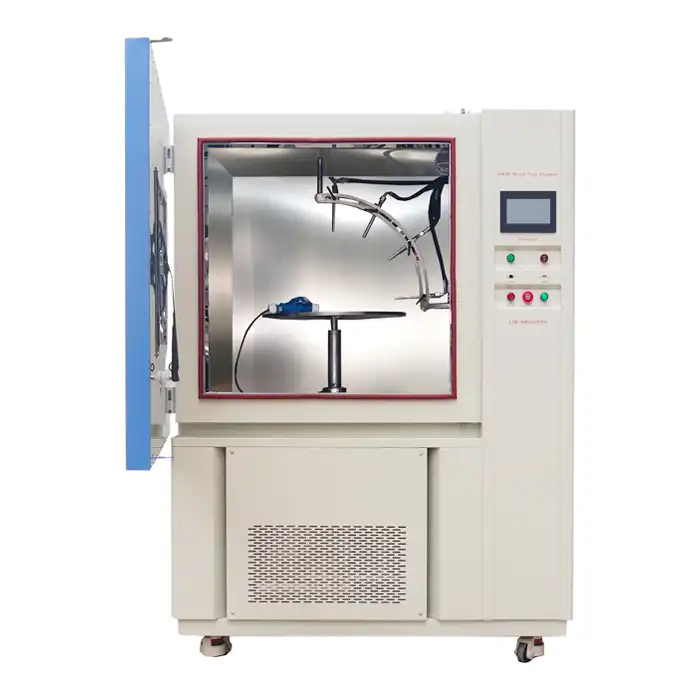
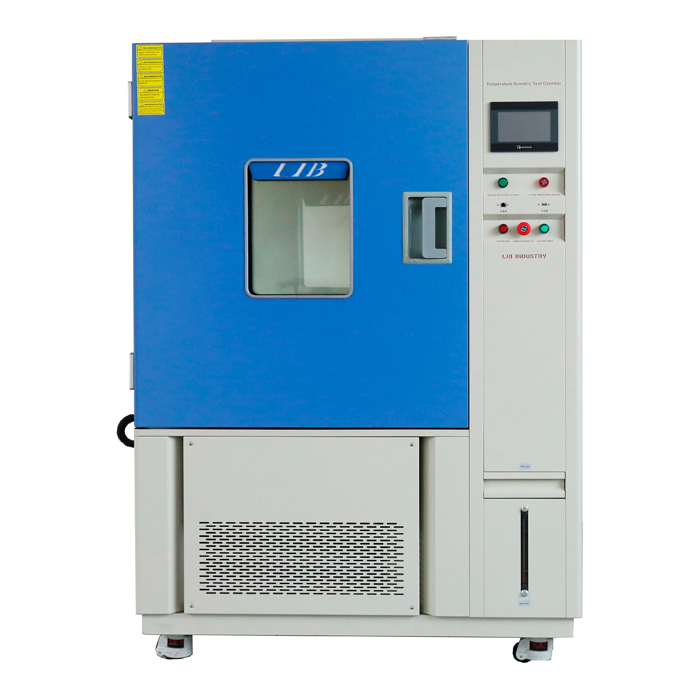
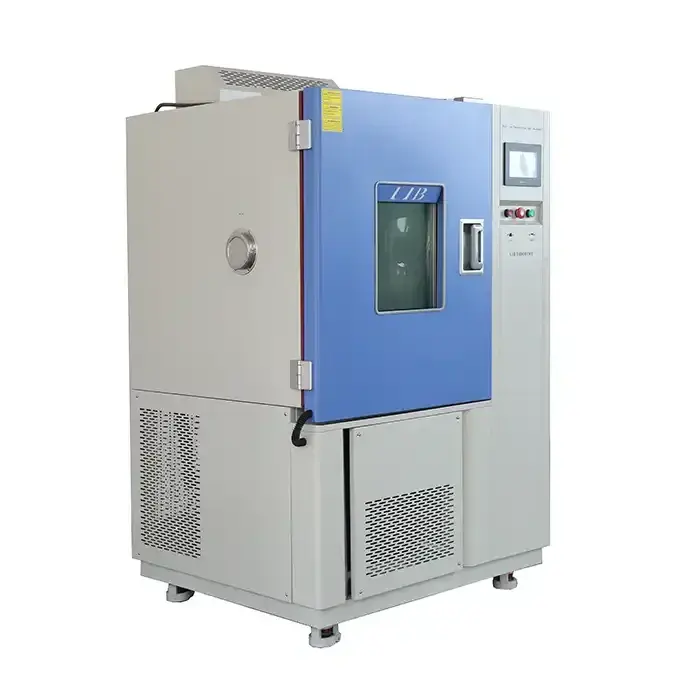
An altitude chamber serves as a sophisticated environmental simulation system designed to replicate the atmospheric conditions encountered at various elevations above sea level. These specialized testing enclosures enable researchers, engineers, and manufacturers to evaluate how equipment, materials, and biological systems respond to reduced atmospheric pressure, temperature variations, and altered oxygen concentrations characteristic of high-altitude environments. LIB Industry manufactures precision-engineered altitude chambers capable of simulating elevations up to 30,000 meters, providing comprehensive turn-key solutions that include design, installation, commissioning, and operator training tailored to specific research and testing requirements.
Understanding Altitude Chambers
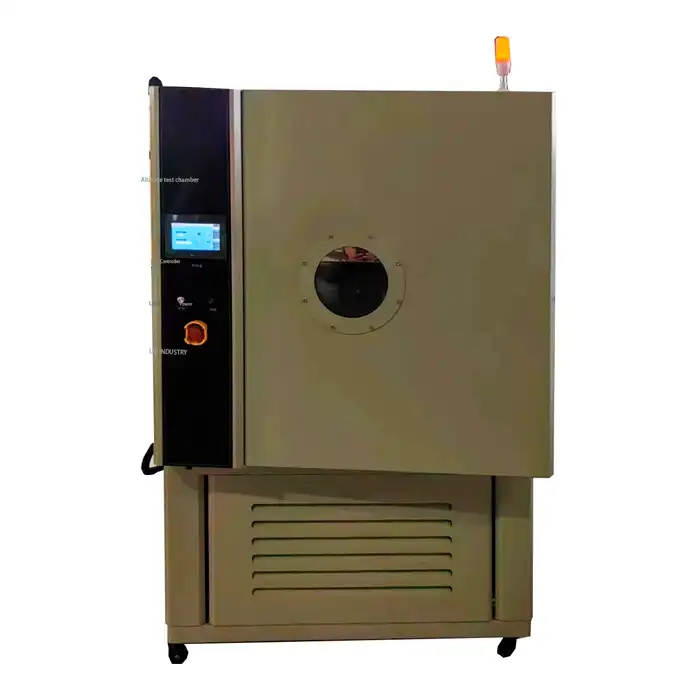 Altitude chambers represent sophisticated engineering achievements that transform laboratory spaces into controllable high-elevation environments. Comprehending their operational principles, construction characteristics, and technical capabilities provides essential context for appreciating their diverse applications.
Fundamental Operating Principles
Altitude simulation fundamentally manipulates atmospheric pressure to recreate conditions found at specific elevations. At sea level, atmospheric pressure measures approximately 101.325 kilopascals (kPa), while at 10,000 meters, pressure drops to roughly 26.5 kPa. The altitude chamber achieves these reduced pressures through vacuum pump systems that extract air molecules from sealed enclosures, progressively lowering internal pressure to predetermined setpoints. LIB Industry's chambers employ precision vacuum systems with sophisticated regulating valves that maintain stable pressure conditions despite temperature fluctuations or chamber door access requirements. The relationship between altitude and pressure follows the barometric formula, which accounts for atmospheric temperature profiles and gravitational variations.
Structural Design and Construction Materials
Chamber construction demands materials capable of withstanding significant pressure differentials while maintaining thermal stability across extreme temperature ranges. LIB Industry utilizes manganese steel for pressure-containing enclosures, selected for superior tensile strength and resistance to deformation under sustained vacuum conditions. Interior surfaces feature SUS304 stainless steel that resists corrosion from humidity testing and provides cleanroom-compatible surfaces free from outgassing contaminants. Double-walled construction incorporates insulation layers that minimize thermal transfer, enabling precise temperature control independent of external ambient conditions. Explosion-proof viewing windows manufactured from laminated safety glass allow visual monitoring while maintaining structural integrity under pressure differentials exceeding atmospheric levels.
Integrated Environmental Control Systems
Modern altitude chambers integrate multiple environmental parameters beyond pressure control. Temperature regulation systems employ heating elements and refrigeration circuits capable of spanning ranges from -120°C to +150°C, replicating thermal conditions from Arctic stratosphere to desert ground level. Humidity management becomes particularly challenging at reduced pressures, where water vapor behaves differently than at sea level. LIB Industry's altitude chambers maintain humidity control down to 0.5 kPa pressure levels, enabling realistic simulation of moisture conditions at cruising altitudes. Programmable logic controllers coordinate these subsystems, executing complex test profiles that cycle through altitude, temperature, and humidity sequences mirroring actual mission profiles or deployment scenarios.
Table 1: Altitude Pressure Relationship and Corresponding Elevations
|
Altitude (meters) |
Atmospheric Pressure (kPa) |
Oxygen Partial Pressure (kPa) |
Temperature (°C, Standard Atmosphere) |
|
Sea Level |
101.3 |
21.2 |
15.0 |
|
3,000 |
70.1 |
14.7 |
-4.5 |
|
6,000 |
47.2 |
9.9 |
-24.0 |
|
10,000 |
26.5 |
5.5 |
-50.0 |
|
15,000 |
12.1 |
2.5 |
-56.5 |
|
20,000 |
5.5 |
1.2 |
-56.5 |
Applications of Altitude Chambers
The versatility of altitude testing spans numerous industries where equipment must function reliably across varying elevations. Understanding these diverse applications illuminates why altitude chambers represent indispensable tools for quality assurance and product development.
Aerospace and Aviation Testing
Aircraft systems encounter dramatic environmental changes during ascent and descent, making altitude testing essential for aviation safety. Avionics equipment undergoes rigorous evaluation in altitude chambers to verify functionality when cabin pressurization fails or during unpressurized flight operations. Electronic components may exhibit altered performance characteristics as reduced atmospheric pressure affects heat dissipation, dielectric properties, and corona discharge thresholds. Hydraulic systems require validation to ensure adequate pump cavitation margins and seal integrity despite reduced ambient pressure. LIB Industry's customizable chambers accommodate full-scale assemblies, enabling comprehensive system-level testing that reveals integration issues invisible during component-level evaluation. Engine components, particularly turbine sections and combustion chambers, undergo altitude testing to validate performance across the operational envelope from takeoff to cruise altitude.
Pilot Training and Hypoxia Recognition
Human physiological responses to reduced oxygen availability represent critical safety considerations in aviation. Hypobaric chambers - a specialized category of altitude chamber - expose pilots and aircrew to progressively lower oxygen partial pressures while monitoring cognitive performance and physical symptoms. This controlled hypoxia exposure teaches personnel to recognize their individual hypoxia symptoms before impairment becomes debilitating. Training protocols typically simulate rapid decompression scenarios, gradual altitude increases, and emergency oxygen system deployment. Medical monitoring equipment tracks vital signs including oxygen saturation, heart rate, and respiratory patterns throughout exposure. LIB Industry's chambers feature rapid pressurization capabilities that safely return trainees to ground-level conditions within minutes, incorporating safety interlocks that prevent unsafe pressure reduction rates.
Automotive and Transportation Equipment Validation
Vehicles designed for global markets must perform reliably whether operating in coastal regions or high-altitude mountain passes. Automotive manufacturers utilize altitude chambers to evaluate engine management systems, turbocharger performance, and emissions control equipment under reduced atmospheric density. Naturally aspirated engines experience power loss at altitude due to decreased air mass intake, while turbocharged systems may reach compressor surge limits. Battery performance in electric vehicles shows temperature and pressure sensitivity that affects range calculations and thermal management strategies. Brake systems undergo fade testing at altitude where reduced convective cooling alters thermal dissipation rates. Commercial vehicle manufacturers validate tire pressure monitoring systems and air brake components that rely on accurate pressure sensing across elevation changes.
Electronics and Communication Systems Testing
Electronic equipment destined for deployment in mountainous terrain, high-altitude aircraft, or stratospheric platforms requires validation under low-pressure conditions. Reduced atmospheric density diminishes convective heat transfer, potentially causing thermal management failures in equipment designed assuming sea-level cooling effectiveness. High-voltage components face increased corona discharge and arc-over risks as dielectric strength decreases proportionally with pressure. Cooling fans and forced-air systems demonstrate altered performance curves at reduced density, requiring compensation through increased rotational speeds or alternative cooling strategies. LIB Industry's altitude chambers enable simultaneous pressure, temperature, and operational testing, revealing combined environmental effects that single-parameter testing cannot identify. Communication systems undergo range testing and signal propagation studies under atmospheric conditions matching deployment environments.
Medical Device and Pharmaceutical Product Testing
Medical equipment frequently accompanies patients during air transport or operates in high-altitude healthcare facilities, necessitating altitude compatibility verification. Infusion pumps rely on pressure differentials that altitude exposure may disrupt, potentially causing dosage errors. Ventilators and anesthesia machines require recalibration for accurate gas delivery at reduced atmospheric pressure. Pharmaceutical packaging undergoes integrity testing to verify seal maintenance despite pressure differentials during air freight transport. Biological samples and temperature-sensitive medications face combined pressure-temperature stresses that may compromise efficacy. Regulatory agencies increasingly require altitude testing data for medical device certifications, particularly for equipment intended for emergency medical services or military applications where altitude exposure becomes unavoidable.
Table 2: Common Altitude Testing Standards Across Industries
|
Industry |
Standard |
Test Scope |
Typical Pressure Range |
Duration |
|
Aerospace |
RTCA DO-160 |
Environmental testing for airborne equipment |
4.4 kPa (15,240m) |
Varies by category |
|
Military |
MIL-STD-810H |
Environmental engineering considerations |
11.6 kPa (15,240m) |
Mission-dependent |
|
Automotive |
SAE J1211 |
Brake system validation |
60 kPa (4,000m) |
Performance curves |
|
Electronics |
IEC 60068-2-13 |
Low-pressure environmental testing |
11.6-70 kPa |
2-96 hours |
|
Medical |
ISO 7000-1 |
Medical electrical equipment basic safety |
Simulated transport conditions |
Transport duration |
Benefits and Importance of Altitude Testing
Altitude testing delivers tangible value through risk mitigation, performance optimization, and regulatory compliance. Organizations that integrate altitude validation into development processes gain competitive advantages through enhanced product reliability and reduced field failure rates.
Preventing Catastrophic Failures Before Deployment
Discovering altitude-related failures during laboratory testing prevents potentially catastrophic malfunctions in operational scenarios where consequences extend beyond equipment damage. Aircraft system failures at altitude create immediate safety hazards for crew and passengers, while communication equipment malfunctions may disrupt critical operations during emergencies. The altitude chamber environment reveals failure modes including material outgassing that contaminates optical systems, lubricant evaporation causing premature bearing wear, and pressure vessel ruptures from inadequate structural margins. LIB Industry's altitude chambers enable accelerated life testing through rapid pressure cycling that compresses months of operational exposure into weeks of laboratory testing. Identifying design weaknesses during development costs substantially less than field retrofits or product recalls resulting from altitude-induced failures.
Optimizing Performance Across Operational Envelopes
Beyond failure prevention, altitude testing enables performance optimization that maximizes capability throughout the operational envelope. Engine calibration maps developed through altitude testing ensure optimal fuel efficiency and power output regardless of elevation. Thermal management systems benefit from altitude-specific cooling strategies that maintain component temperatures within acceptable ranges despite reduced convective heat transfer. Battery management algorithms incorporate altitude compensation that adjusts charging profiles and discharge limits based on pressure-sensing inputs. Navigation systems validate GPS receiver sensitivity and inertial measurement unit accuracy under temperature and pressure combinations matching mission profiles. LIB Industry's programmable test sequences replicate complete mission cycles, enabling system-level optimization that component testing cannot achieve.
Ensuring Regulatory Compliance and Certification
Numerous industries mandate altitude testing as prerequisite evidence for product certification and regulatory approval. Aviation authorities require comprehensive environmental testing data demonstrating equipment reliability across specified altitude ranges before granting supplemental type certificates. Military procurement specifications reference altitude testing standards that contractors must satisfy during qualification programs. Medical device regulators evaluate altitude compatibility data when assessing devices intended for air ambulance or expedition medical applications. Automotive emissions regulations in high-altitude regions require demonstration of emissions control effectiveness at reduced atmospheric pressures. Chambers manufactured by LIB Industry incorporate calibration traceability and data logging capabilities that generate audit-ready documentation satisfying regulatory scrutiny. ISO 9001 certification and compliance with international safety standards including CE marking ensure testing facilities meet quality management requirements that regulatory bodies recognize globally.
Supporting Research and Development Innovation
Beyond quality assurance applications, altitude chambers enable fundamental research advancing scientific understanding of material behavior, biological adaptation, and physical phenomena under reduced pressure conditions. Materials scientists investigate polymer degradation mechanisms accelerated by low-pressure exposure combined with thermal cycling and ultraviolet radiation. Physiologists study human performance decrements and acclimatization processes informing altitude training protocols for athletes and military personnel. Aerospace researchers develop next-generation propulsion concepts requiring validation under stratospheric and near-space conditions. The customization capabilities LIB Industry offers - from compact benchtop units to walk-in facilities accommodating swimming pools and complete gymnasium spaces - enable researchers to configure chambers matching experimental requirements regardless of scale. Advanced monitoring ports and access penetrations facilitate integration of specialized instrumentation without compromising chamber integrity or environmental control precision.
Extending Product Lifespan Through Predictive Maintenance
Altitude testing generates degradation data that informs predictive maintenance strategies extending operational lifespan while maintaining reliability. Understanding how components age under altitude exposure enables development of condition-based monitoring algorithms that schedule maintenance interventions before failures occur. Seal replacement intervals can be optimized based on measured leak rates versus pressure cycle accumulation rather than conservative time-based schedules. Lubricant analysis from altitude-tested bearings reveals contamination patterns and viscosity changes informing fluid change requirements. Electronic assemblies demonstrate predictable failure progression allowing replacement before critical malfunctions develop. The comprehensive environmental data LIB Industry's chambers provide - including automated logging of pressure, temperature, humidity, and cycle counts - creates datasets supporting machine learning models that predict remaining useful life with increasing accuracy as operational experience accumulates.
FAQ
What altitude range can modern chambers simulate, and how quickly can pressure changes occur?
Contemporary altitude chambers replicate conditions from sea level up to 30,000 meters or higher, with LIB Industry's systems reaching pressures as low as 0.5 kPa. Depressurization rates depend on chamber volume and vacuum system capacity, with typical systems achieving atmospheric pressure to 0.5 kPa transitions within 30 minutes. Pressurization occurs more rapidly, often completing within 15 minutes.
Can altitude chambers simultaneously control temperature and humidity during pressure testing?
Advanced chambers integrate multi-parameter environmental control enabling simultaneous pressure, temperature, and humidity regulation. LIB Industry's systems maintain humidity control down to 50 kPa pressure levels, spanning temperature ranges from -120°C to +150°C. This capability proves essential for realistic environmental simulation matching actual atmospheric conditions at specific altitudes where temperature and moisture content correlate with elevation.
What safety features protect test specimens and operators during altitude chamber operation?
Modern chambers incorporate multiple safety systems including over-pressure relief valves, emergency pressurization controls, explosion-proof viewing windows, and interlock systems preventing door opening under unsafe pressure differentials. LIB Industry's designs feature redundant monitoring systems, automated shutdown protocols, and oxygen monitoring in occupied chambers used for human training applications, ensuring comprehensive protection throughout testing operations.
Get Custom Altitude Solutions from LIB Industry
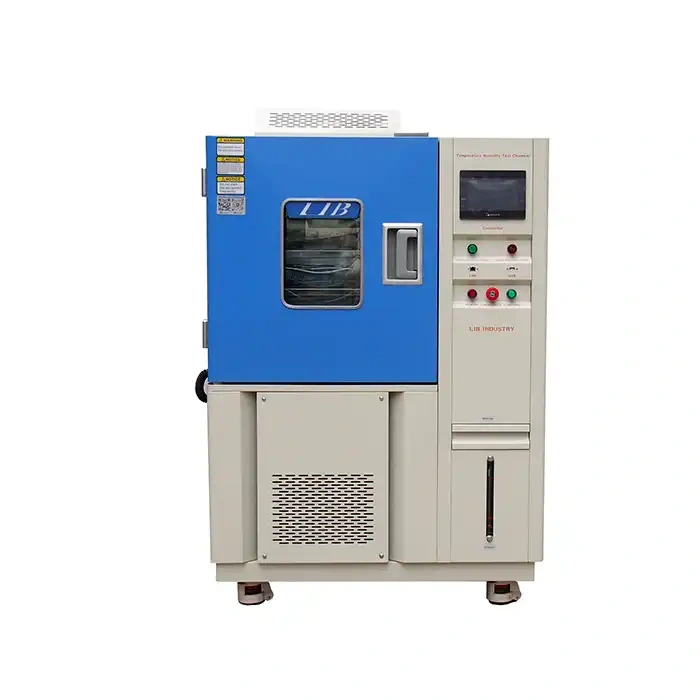
LIB Industry manufactures precision altitude chambers tailored to your exact specifications, delivering complete turn-key solutions from initial design through installation and operator training. As a leading supplier and factory specializing in environmental testing equipment, we provide chambers ranging from compact benchtop units to expansive walk-in facilities with full customization capabilities. Contact our engineering team at ellen@lib-industry.com to discuss your altitude testing requirements and receive expert guidance.

_1773978488118.jpg)
.webp)