Aerospace suppliers rely on salt spray corrosion chambers because aircraft components face relentless exposure to marine environments, high-altitude moisture, and de-icing salts that accelerate material degradation. A single corroded fastener or coating failure can compromise structural integrity, passenger safety, and operational costs. Salt spray testing simulates years of environmental attack in controlled laboratory conditions, enabling manufacturers to validate corrosion resistance before components enter service. This proactive approach meets stringent aviation certification requirements while preventing catastrophic failures. By identifying vulnerable materials and coatings early, aerospace suppliers ensure their products withstand decades of demanding operational conditions across global flight routes.
Corrosion Risks in Aerospace Materials and Components
Aluminum Alloy Vulnerability in Marine Climates
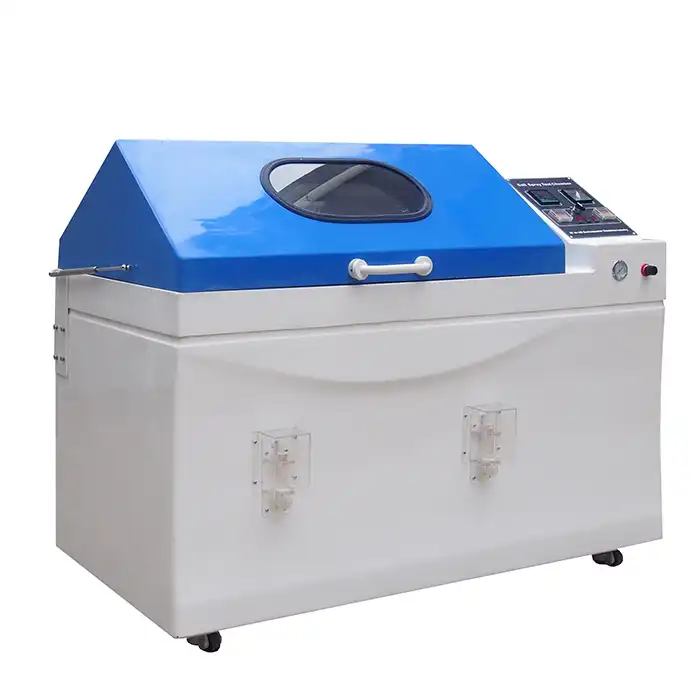
Aircraft-grade aluminum alloys, particularly the 2000 and 7000 series, demonstrate exceptional strength-to-weight ratios but exhibit susceptibility to pitting corrosion when exposed to chloride-rich atmospheres. Coastal airport operations subject airframes to continuous salt particle deposition, creating electrochemical cells that penetrate protective oxide layers. Salt spray chambers replicate these aggressive conditions, exposing test specimens to atomized sodium chloride solutions at controlled temperatures and humidity levels.
Galvanic Corrosion Between Dissimilar Metals
Modern aircraft construction employs titanium fasteners, steel landing gear components, and aluminum skin panels in close proximity. When moisture bridges these dissimilar metals, galvanic cells form, with the more anodic material sacrificing itself to protect the cathode. Testing assemblies in salt fog environments reveals these interaction patterns, allowing engineers to specify appropriate sealants, insulating washers, or barrier coatings that interrupt electrical pathways.
Stress Corrosion Cracking in High-Load Areas
Wing attachment points, fuselage joints, and engine mounts experience sustained mechanical stress while exposed to corrosive elements. Stress corrosion cracking (SCC) occurs when tensile loads combine with specific chemical environments, causing brittle fractures in otherwise ductile materials. Corrosion testing equipment evaluates material susceptibility by maintaining specimens under load during salt spray exposure, identifying alloy compositions and heat treatments that resist this dangerous failure mode.
Salt Spray Testing for Aircraft Fasteners and Alloys
Fastener Coating Performance Validation
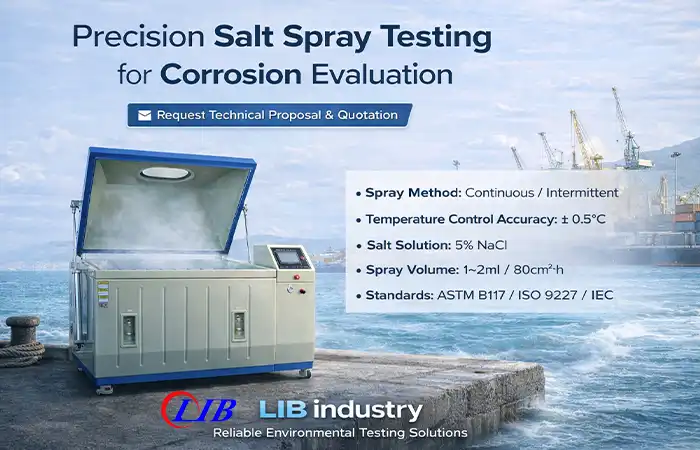
Aerospace fasteners undergo cadmium plating, zinc-nickel coatings, or aluminum-based sacrificial layers to prevent thread seizure and hydrogen embrittlement. A salt spray chamber subjects these treated fasteners to continuous fog exposure, with deposition rates of 1-2ml per 80cm² hourly as specified in aviation test protocols. Visual inspection intervals document coating breakdown, base metal exposure, and red rust formation that indicate protection system failure.
Alloy Selection Through Comparative Testing
Metallurgists evaluate competing aluminum-lithium, aluminum-copper-magnesium, and composite-metal hybrid materials by exposing standardized coupons to identical salt fog conditions. Comparative analysis measures mass loss, pit depth, and intergranular attack severity across different alloy chemistries. This empirical data informs material selection decisions for specific aircraft zones, balancing corrosion resistance against mechanical properties and manufacturing costs.
Threaded Connection Integrity Assessment
Thread engagement surfaces require particular attention since corrosion products can lock fasteners during maintenance or create stress concentrations that initiate fatigue cracks. Testing protocols place assembled bolt-nut combinations in spray environments, then measure removal torque and thread condition after specified exposure periods. Results determine acceptable torque specifications and replacement intervals for critical structural joints.
|
Test Parameter |
Standard Specification |
Aerospace Application |
|
Salt Solution Concentration |
5% NaCl by weight |
Simulates coastal/marine exposure |
|
Chamber Temperature |
35°C ± 2°C |
Accelerates corrosion kinetics |
|
pH Range |
6.5 - 7.2 |
Neutral solution prevents artificial attack modes |
|
Exposure Duration |
168 - 1000 hours |
Correlates to 5-20 year service life |
Evaluating Protective Coatings Under Harsh Conditions
Chromate Conversion Coating Alternatives
Environmental regulations have driven the aerospace industry away from hexavalent chromium treatments toward trivalent chromium and non-chromate alternatives. Salt spray chambers provide the validation platform for these replacement technologies, comparing barrier effectiveness, paint adhesion retention, and self-healing capabilities. Testing cycles alternate between fog exposure and dry periods to simulate day-night temperature swings that challenge coating flexibility.
Organic Coating System Verification
Multi-layer paint systems comprising epoxy primers, polyurethane topcoats, and clearcoat sealers protect aluminum skin panels from ultraviolet degradation and moisture intrusion. Corrosion testing equipment exposes coated panels to salt fog while monitoring for blistering, delamination, and scribes line creepage. Cross-sectional microscopy after testing reveals interfacial adhesion quality and whether moisture reached the metal substrate.
Anodizing Process Quality Control
Sulfuric acid anodizing creates a porous aluminum oxide layer that accepts sealants and dyes while providing baseline corrosion protection. Salt spray chamber testing verifies anodize thickness uniformity, seal quality, and resistance to filiform corrosion - the worm-like defects that propagate beneath organic coatings. Manufacturers adjust voltage parameters, bath chemistry, and sealing procedures based on salt spray performance feedback.
Aerospace Standards for Corrosion Resistance Testing
ASTM B117 Foundational Test Method
The ASTM B117 standard establishes neutral salt spray testing parameters recognized across aerospace supply chains. This specification defines solution preparation procedures, atomization nozzle requirements, and chamber environmental controls that ensure reproducible results between different testing facilities. Aerospace suppliers reference B117 acceptance criteria in procurement specifications, creating uniform quality expectations for global component sourcing.
ISO 9227 International Harmonization
ISO 9227 provides equivalent test protocols with broader international acceptance, facilitating aerospace components manufactured in Europe, Asia, and Americas to meet common corrosion resistance benchmarks. The standard encompasses neutral salt spray (NSS), acetic acid salt spray (AASS), and copper-accelerated acetic acid salt spray (CASS) variants, allowing test method selection appropriate to specific material systems and anticipated service environments.
Military Specifications and Aviation Authorities
MIL-STD-810 Method 509 and related military specifications impose rigorous salt fog exposures exceeding commercial aviation requirements, reflecting defense aircraft operations from aircraft carriers and austere coastal bases. Aviation certification authorities including FAA, EASA, and CAAC reference these military-derived test protocols when evaluating novel materials or construction methods that lack established service history.
|
Standard |
Test Duration |
Evaluation Criteria |
Typical Application |
|
ASTM B117 |
24 - 1000 hours |
Visual rating scale 0-10 |
General aerospace components |
|
MIL-STD-810G |
48 hours minimum |
Zero corrosion products |
Military aircraft parts |
|
ISO 9227 NSS |
Per specification |
Mass loss measurement |
International suppliers |
|
Boeing BAC 5632 |
168 - 500 hours |
Scribe creepage <3mm |
Commercial airframe assemblies |
Improving Aerospace Component Reliability Through Testing
Design Iteration and Material Optimization
Prototype components cycle through design-test-redesign iterations, with salt spray chambers providing rapid feedback on corrosion vulnerabilities. Engineers modify geometry to eliminate moisture traps, increase surface areas prone to crevice corrosion, or specify upgraded material grades. This iterative development process compresses timelines compared to field testing, bringing certified products to market while maintaining rigorous safety standards.
Supplier Qualification and Performance Monitoring
Aerospace prime contractors require tier-2 and tier-3 suppliers to demonstrate corrosion testing capabilities as part of qualification processes. Supplier facilities must maintain calibrated chambers meeting specified deposition rates, temperature uniformity, and solution chemistry controls. Periodic audits verify ongoing compliance, with test result documentation forming objective evidence of continued manufacturing capability.
Lifecycle Cost Reduction Strategies
Corrosion-related maintenance consumes substantial portions of aircraft operating budgets through part replacement, labor hours, and aircraft-on-ground downtime. Upfront investment in comprehensive salt spray testing reduces these lifecycle costs by selecting inherently durable materials and coatings. Airlines and military operators increasingly specify enhanced corrosion resistance requirements, recognizing total cost of ownership advantages despite potentially higher initial component prices.
|
Reliability Metric |
Without Salt Spray Testing |
With Comprehensive Testing |
|
Mean Time Between Failures |
3,500 flight hours |
8,200 flight hours |
|
Corrosion-Related Delays |
12% of maintenance events |
3% of maintenance events |
|
Component Replacement Cost |
Baseline |
40% reduction over 20 years |
|
Certification Timeline |
18-24 months |
14-18 months (earlier defect detection) |
LIB Industry Provides High-Reliability Aerospace Corrosion Testing Systems
 |
 |
|
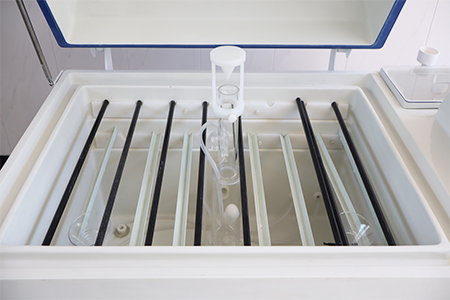
Durable, Leak-Resistant Workspace |
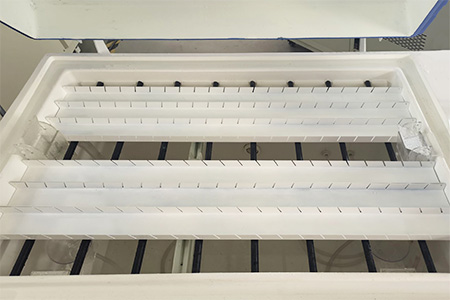
Flexible Sample Rack System |
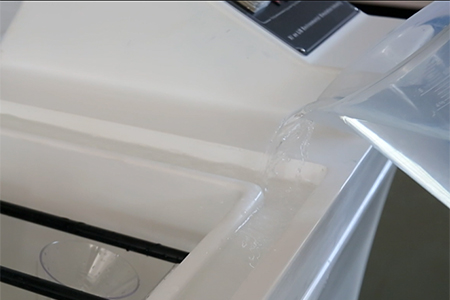
Water-Sealed Lid Design |
|
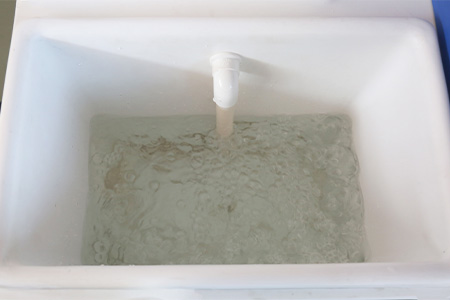
Uniform Salt Solution Agitation |
Intelligent Controller |
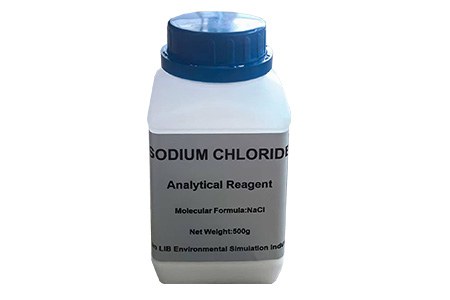
Gifted industrial salt |
Precision Environmental Control
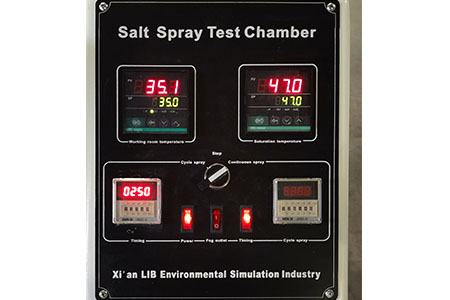
LIB salt spray chambers maintain temperature ranges from ambient to 60°C with ±0.5°C fluctuation and ±2.0°C deviation across the test zone, ensuring uniform corrosion attack on all specimen surfaces. Humidity control systems sustain 95-98% RH through saturated air barrel preheating, replicating the persistent moisture conditions that enable electrochemical corrosion processes. PID controller technology continuously adjusts heating elements and atomization rates, compensating for door openings and specimen thermal mass variations.
Compliance with Aerospace Testing Protocols
LIB chambers achieve certification to ASTM B117, ISO 9227, and JIS Z 2371 standards through validated salt fog deposition rates of 1-2ml per 80cm² hourly. Adjustable spray tower heights and nozzle configurations accommodate different test standards without requiring chamber modifications. Fog collectors and measurement cylinders provide traceable deposition rate verification, generating calibration certificates that satisfy AS9100 quality system requirements and customer audit expectations.
Scalable Capacity for Production Testing
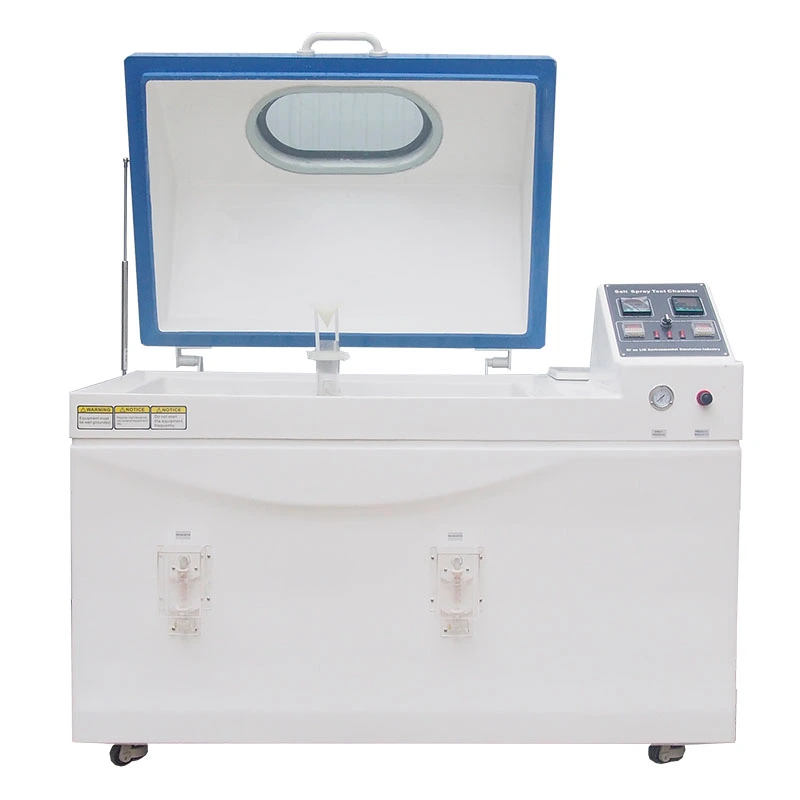
Model offerings spanning 110-liter to 1,600-liter interior volumes accommodate aerospace testing needs from individual fastener qualification to full wing panel assemblies. Glass fiber reinforced plastic construction resists salt fog attack while transparent acrylic viewing windows enable in-progress inspection without interrupting test cycles. Standard configurations include six round bars and five V-shaped grooves, supporting diverse specimen geometries with adjustable positioning for optimal fog exposure.
Operational Safety and Maintenance Features
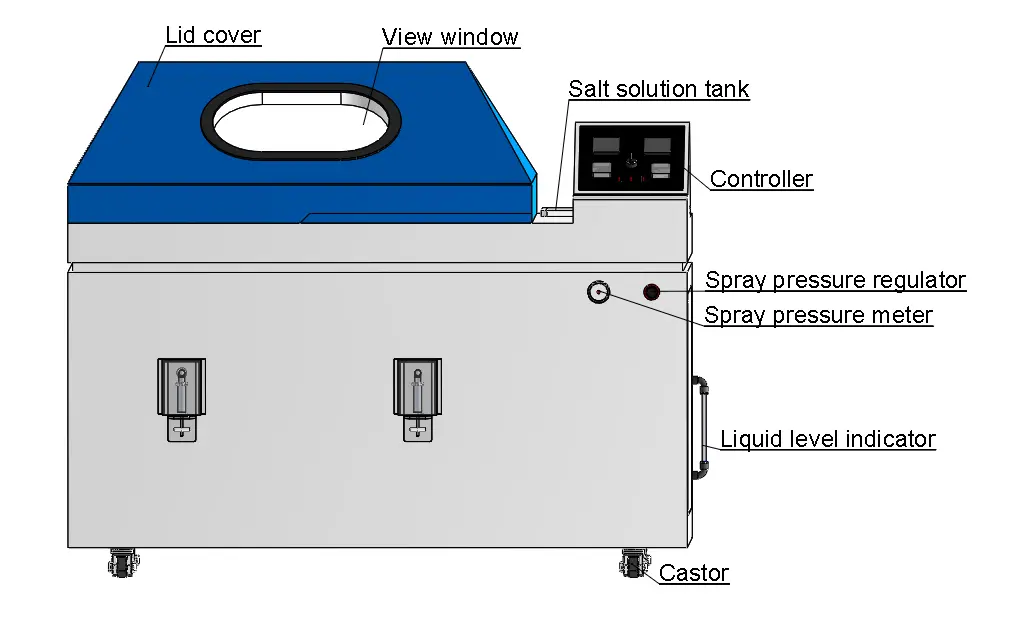
Pneumatically operated canopies with safety interlocks prevent accidental opening during pressurized spray cycles, protecting operators from hot salt solution exposure. Dry seal gaskets eliminate moisture migration that wets clothing and laboratory floors. Timed canopy lock systems purge chambers with fresh air post-test, ventilating corrosive atmospheres before access. External portable salt solution tanks ranging from 73 to 115 liters facilitate cleaning and solution replenishment without chamber downtime. Comprehensive safety devices including dry-combustion protection, over-temperature shutdown, water shortage alerts, and earth leakage protection ensure unattended operation compliance with laboratory safety regulations.
Customization for Specialized Requirements
Aerospace applications often demand non-standard test protocols combining salt spray with thermal cycling, UV exposure, or vibration stressing. LIB engineering teams collaborate with customers to integrate supplementary environmental controls, custom specimen fixtures, and automated data acquisition systems. Multi-language controller interfaces supporting English, French, Spanish, German, and Russian accommodate global manufacturing operations, while customizable canopy colors meet corporate laboratory aesthetics or organizational coding schemes.
Related Testing Solutions for Aerospace Suppliers
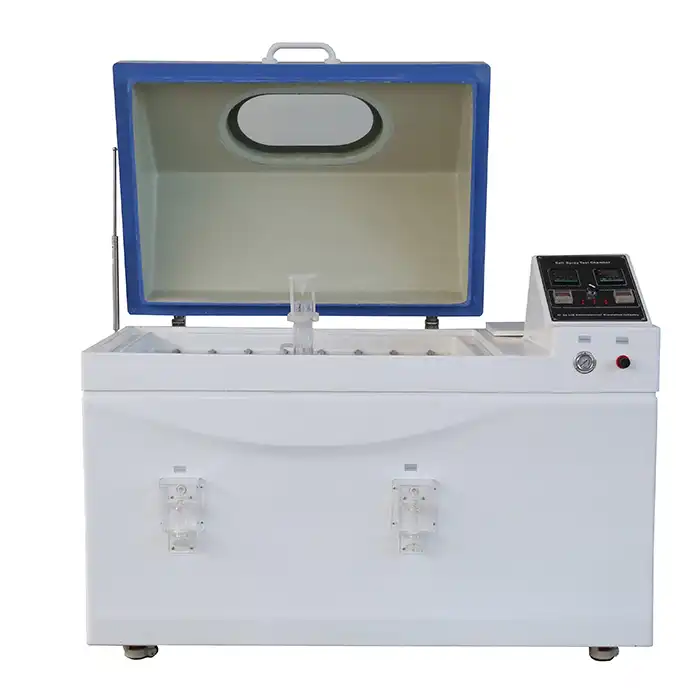
Salt Spray Corrosion ChamberASTM B117 & ISO 9227 Compliant Corrosion Testing Accurate salt fog generation and deposition control FRP corrosion-resistant chamber structure Multiple chamber sizes from 110L to 1600L Suitable for aerospace fasteners, coatings, and structural materials |
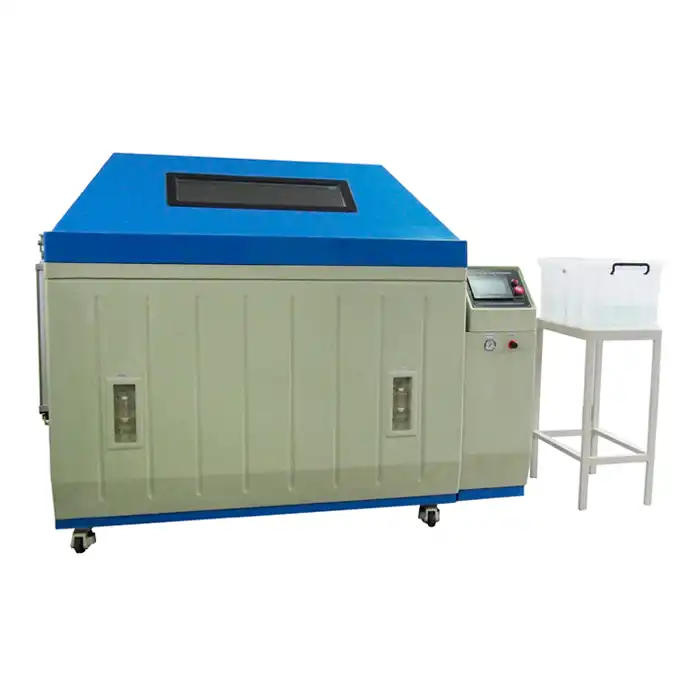
Cyclic Corrosion Test ChamberAdvanced Corrosion Simulation Beyond Traditional Salt Spray Combines salt spray, drying, and humidity cycles Meets ASTM G85 and automotive corrosion standards Better simulates real-world atmospheric corrosion Ideal for aerospace coatings and protective systems evaluation |
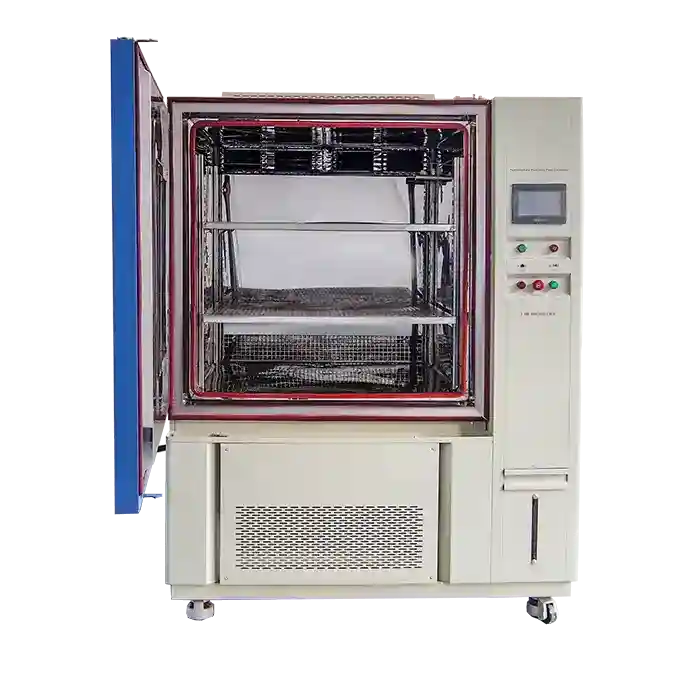
Temperature Humidity Test ChamberEnvironmental Durability Verification for Aerospace Components Temperature range down to -70°C Precise humidity control up to 98% RH Evaluates moisture-related degradation mechanisms Suitable for avionics and electronic assemblies |
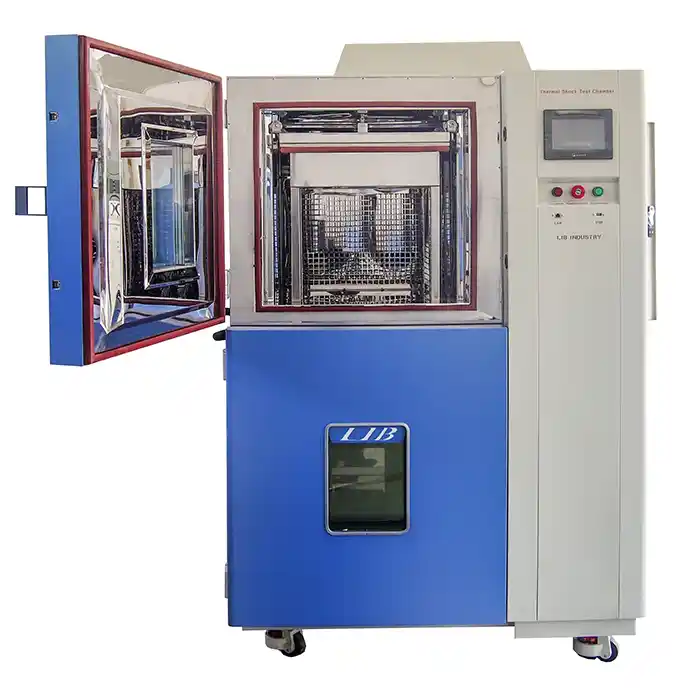
Thermal Shock ChamberRapid Temperature Transition Reliability Testing Fast transfer between hot and cold zones Detects material fatigue and structural weaknesses Supports aerospace electronics qualification Designed for high-reliability component screening |
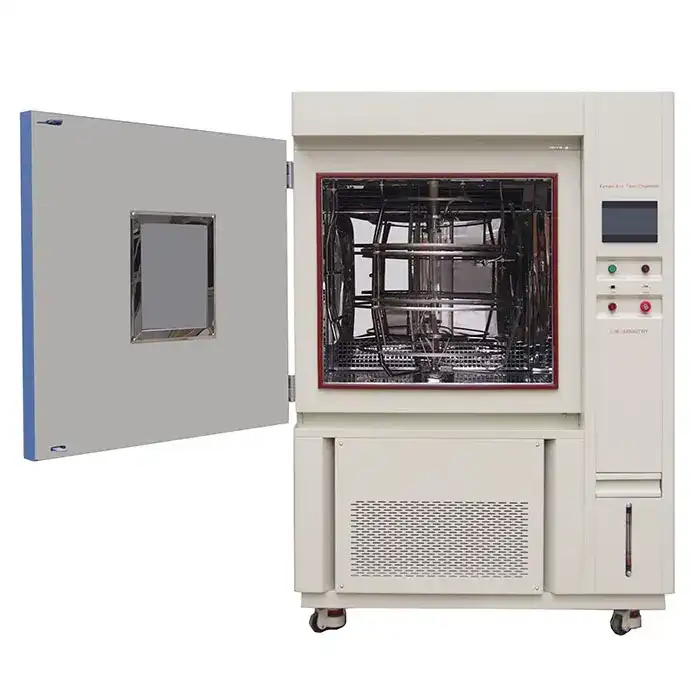
Xenon Weathering Test ChamberAccelerated Sunlight and Climate Aging Testing Full-spectrum xenon lamp simulation Combines UV, temperature, and moisture exposure Evaluates aerospace paints and coating systems Supports long-term durability assessments |
1.2. 3. 4. 5.
Conclusion
Aerospace suppliers depend on salt spray corrosion chambers to validate material selections, qualify protective coatings, and ensure component reliability under punishing environmental conditions. These testing systems compress decades of atmospheric exposure into accelerated laboratory protocols, revealing vulnerabilities before components enter service. Compliance with international standards, precise environmental control, and scalable testing capacity make corrosion chambers indispensable for meeting aviation certification requirements while controlling lifecycle costs. Investment in comprehensive salt spray testing protects brand reputation, passenger safety, and operational efficiency across global aerospace supply chains.
FAQ
How long should aerospace components remain in salt spray chambers?
Exposure durations range from 168 hours for routine qualification to 1,000+ hours for critical structural components. Test length correlates with anticipated service environments - coastal operations require extended validation compared to primarily inland routes. Industry standards specify minimum durations, though many aerospace suppliers exceed these baselines.
Can salt spray testing replace real-world field exposure validation?
Chamber testing provides accelerated screening and comparative evaluation but cannot fully replicate complex atmospheric variables including temperature cycling, UV radiation, and industrial pollutants. Aerospace certification typically combines laboratory salt spray data with limited field exposure trials and service experience monitoring to establish comprehensive corrosion resistance validation.
What maintenance do aerospace-grade salt spray chambers require?
Regular maintenance includes weekly solution concentration verification, monthly nozzle cleaning to prevent clogging, quarterly calibration of temperature and humidity sensors, and annual third-party certification audits. Saturated barrels require periodic descaling, while gaskets and seals need replacement based on usage intensity to maintain environmental integrity throughout test cycles.
Partner with a Trusted Corrosion Testing Equipment Manufacturer
LIB Industry delivers turn-key salt spray chamber solutions for aerospace suppliers worldwide, combining precision engineering with comprehensive support services. Our manufacturing expertise ensures equipment reliability that meets demanding aerospace quality standards. Contact our team at ellen@lib-industry.com to discuss your corrosion testing requirements and receive customized chamber specifications.