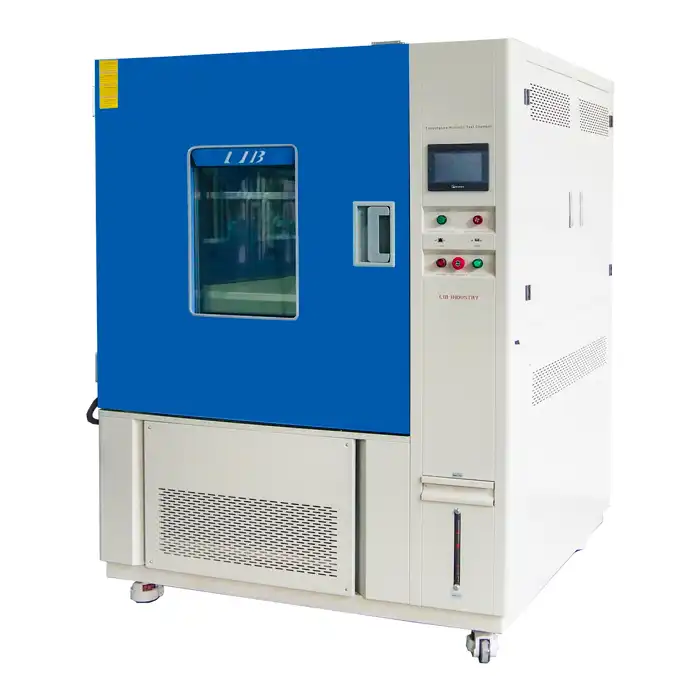
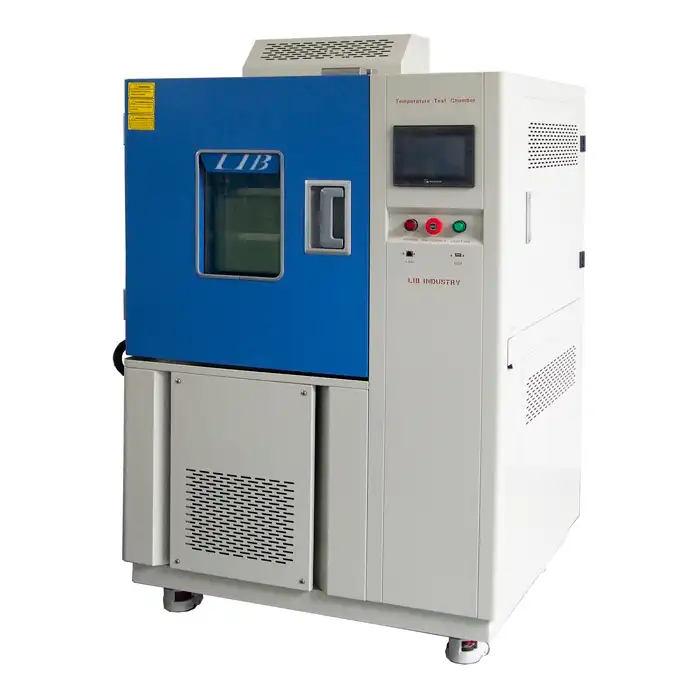
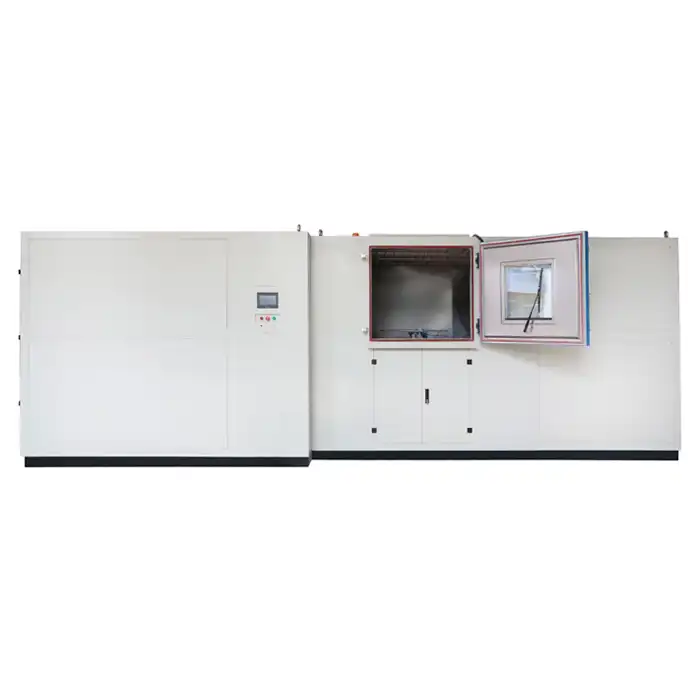
What is a temperature chamber for testing?
What is a Temperature Chamber for Testing?
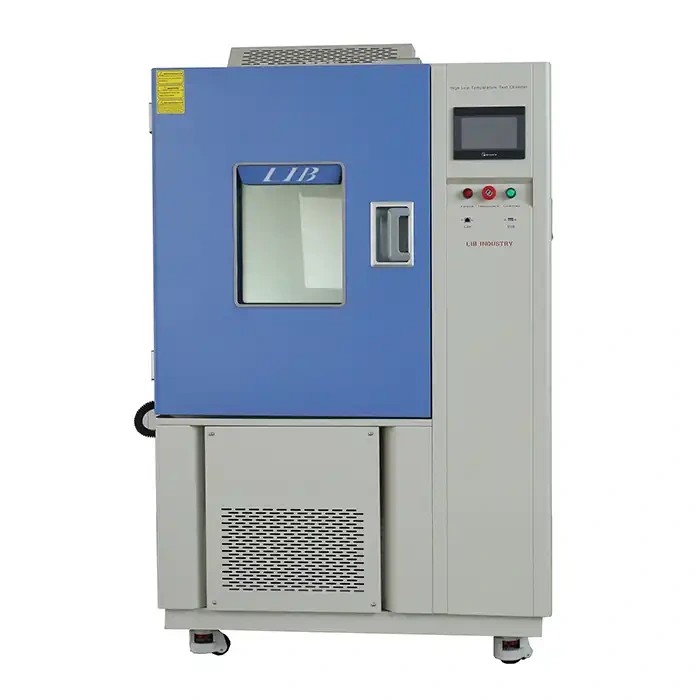
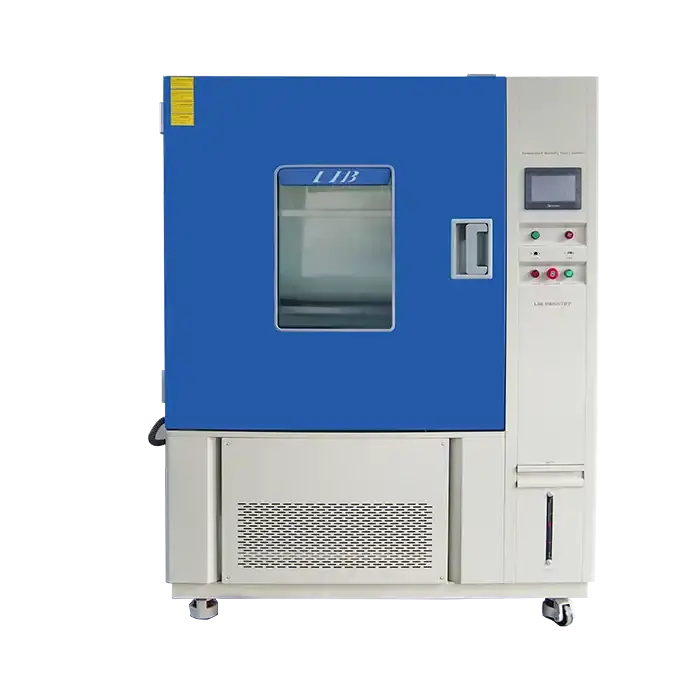
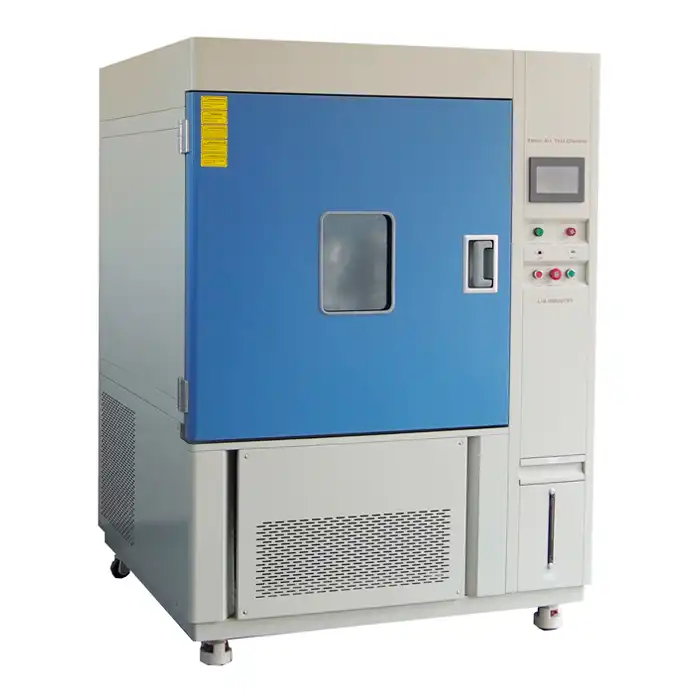
Temperature chambers are essential tools in environmental testing that guarantee products' dependability and durability under a variety of conditions. The benchtop test chamber stands out among these because it can simulate precise temperature variations in controlled environments.
These chambers have been designed with great care to mimic a wide range of temperatures that products might encounter during their lifecycle. They achieve and maintain specific temperature settings with high precision and stability by utilizing sophisticated temperature control systems. Manufacturers can use this capability to expose samples to a wide range of extreme temperatures, from freezing cold to scorching heat.
Using a benchtop test chamber is primarily used to examine how products react to thermal stress over time. By exposing tests to controlled temperature cycles, producers can mimic sped up maturing and debasement processes. This testing recognizes likely shortcomings in materials, parts, and congregations that could think twice about or life span in certifiable conditions.
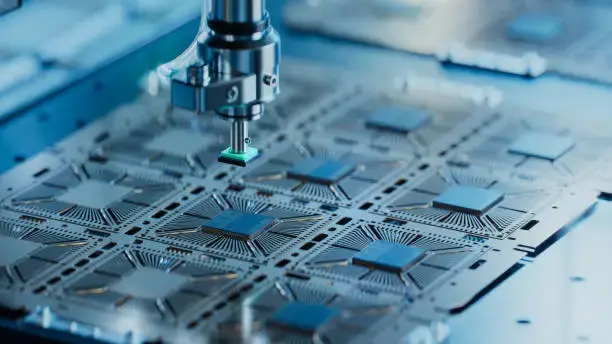
Quality assurance and product development are heavily reliant on benchtop test chambers in industries like electronics, automotive, aerospace, pharmaceuticals, and materials science. For example, in gadgets fabricating, these chambers are utilized to assess the warm exhibition of circuit loads up, guaranteeing they can endure temperature limits without breaking down or debasing over the long run. Similarly, temperature chambers are essential in the pharmaceutical industry for determining whether vaccines and drugs remain safe and effective under a variety of storage conditions.
Understanding Benchtop Test Chambers
Due to their portability and adaptability, benchtop test chambers are essential tools in electronics, pharmaceuticals, and other industries. Makers can open their items to an extensive variety of temperature limits in these chambers, imitating the circumstances experienced during transportation, stockpiling, or functional use. In this controlled environment, the materials and components' capacity to withstand thermal stresses and fluctuations can be thoroughly evaluated.
In electronics manufacturing, benchtop test chambers are necessary for evaluating the performance and dependability of electronic devices, semiconductors, and circuit boards under a variety of thermal conditions. By simulating temperature cycles, they predict failures caused by thermal expansion, contraction, or thermal shock, ensuring that products meet strict quality standards before they reach consumers.
Similar to this, pharmaceutical and vaccine stability testing heavily rely on these chambers. By subjecting samples to controlled temperature changes, manufacturers can evaluate profiles for degradation, potency, and shelf life. To ensure the product's safety and effectiveness throughout the distribution and storage chains, this testing is absolutely necessary.
Materials science, aerospace, and automotive are just a few of the many fields in which benchtop test chambers can be utilized. These chambers are utilized in auto designing to test vehicle parts' protection from outrageous intensity and cold and to test their exhibition in various environments. Aerospace applications include testing materials and components for aircraft and spacecraft to ensure that they can withstand atmospheric re-entry, vacuum conditions, and temperature variations.
In addition, regulatory bodies frequently require temperature chamber testing as part of certification procedures to ensure compliance with industry standards and regulations. Item respectability and usefulness are guaranteed by this approval under genuine ecological tensions, expanding by and large unwavering quality and consumer loyalty.
In essence, benchtop test chambers are essential tools for evaluating product dependability and durability across a variety of industries. By simulating extreme temperatures, manufacturers can identify and mitigate potential design and material flaws, ultimately driving innovation and advancing quality assurance procedures.
Key Features and Applications
Modern benchtop test chambers come equipped with advanced features such as precise temperature control, humidity adjustment, and programmable cycles. This versatility enables engineers and researchers to conduct highly specific tests tailored to their product’s needs. Applications span a wide range, including:
- Electronics Testing: Ensuring components can withstand temperature fluctuations without degradation.
- Pharmaceutical Stability Studies: Verifying the integrity of drugs and vaccines under varying environmental conditions.
- Automotive Component Testing: Assessing how materials perform in extreme heat or cold, crucial for vehicle safety and reliability.
Benefits of Using Benchtop Test Chambers
The advantages of employing benchtop test chambers extend beyond product reliability. Manufacturers benefit from:
- Quality Assurance: Identifying potential weaknesses early in the development process.
- Compliance: Meeting regulatory standards by demonstrating product resilience to environmental factors.
- Cost Savings: Mitigating risks associated with product failures post-launch.
Choosing the Right Chamber for Your Needs
Selecting the appropriate benchtop test chamber depends on several factors:
- Size and Capacity: Matching the chamber’s dimensions to the size of the products being tested.
- Temperature Range: Ensuring the chamber can achieve the desired high and low temperatures relevant to your application.
- Additional Features: Considering humidity control, programmability, and data logging capabilities based on testing requirements.
Conclusion
Taking everything into account, benchtop test chambers are fundamental for ventures focusing on item dependability and strength. With these chambers, products can be tested in a harsh environment to make sure they meet high standards and regulations. A wise investment in a benchtop test chamber can be made in a variety of industries, including automotive, electronics, pharmaceuticals, and others. It makes it possible for businesses to offer products of a high quality that can withstand real-world conditions and increases customer satisfaction and trust. These chambers help identify flaws early in product development by simulating extreme temperatures and conditions. This encourages innovation and continuous improvement in quality assurance practices across a variety of industries.
For more insights into how benchtop test chambers can benefit your specific applications, feel free to contact us. Our experts are ready to assist you in finding the ideal testing solution tailored to your needs.

.jpg)