How to Choose a Thermal Cycling Test Chamber for Production QA?
Temperature cycling testing helps manufacturers evaluate how electronic components, automotive parts, and industrial products withstand repeated temperature changes. For production QA teams, choosing the right thermal cycling test chamber requires more than checking its temperature range. Chamber capacity, temperature change rate, specimen loading, and test repeatability are equally important.
This guide explains how to select the right specifications, understand equipment pricing, evaluate manufacturers, and prepare for purchasing a thermal cycling test chamber.
What Is a Thermal Cycling Test Chamber Used for?
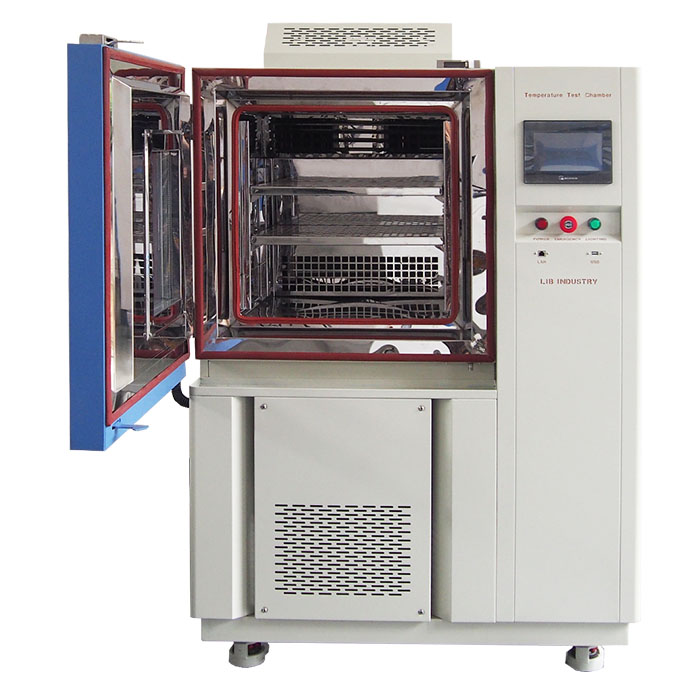 A thermal cycling test chamber exposes products to repeated high- and low-temperature conditions to evaluate their resistance to temperature-related stress.
Repeated temperature changes can cause materials to expand and contract, potentially affecting solder joints, electrical connections, seals, and component interfaces.
Common applications include:
Electronics: PCBs, semiconductor components, and electrical connectors.
Automotive: Sensors, control units, and automotive electronic assemblies.
Aerospace: Electrical and structural components.
Industrial manufacturing: Material stability and product reliability testing.
For production QA, thermal cycling testing helps identify potential weaknesses before products reach the market.
How to Choose the Right Thermal Cycling Test Chamber Specifications?
The correct configuration depends on the test standard, specimen characteristics, and required testing conditions.
Temperature Range
Choose a temperature range that covers the actual requirements of your test procedure.
LIB Industry's TR5 series offers three low-temperature configurations:
Type A: -20°C to +150°C
Type B: -40°C to +150°C
Type C: -70°C to +150°C
The appropriate model depends on the product's operating environment and applicable testing requirements.
Temperature Change Rate
Temperature change rate affects how quickly the chamber moves between target temperatures and how long each test cycle takes.
Before comparing equipment, confirm:
Whether the rate applies to heating, cooling, or both.
Whether it is an average or linear rate.
Whether measurements are taken under empty or loaded conditions.
How specimen weight and thermal capacity affect performance.
A higher ramp rate is not always necessary. Select the rate according to the actual test procedure.
Chamber Volume and Specimen Loading
The chamber must accommodate the specimens while maintaining sufficient space for airflow.
LIB Industry's TR5 series offers five standard capacities:
| Model | Volume | Internal Dimensions (mm) |
|---|---|---|
| TR5-100 | 100 L | 400 × 500 × 500 |
| TR5-225 | 225 L | 500 × 600 × 750 |
| TR5-500 | 500 L | 700 × 800 × 900 |
| TR5-800 | 800 L | 800 × 1000 × 1000 |
| TR5-1000 | 1000 L | 1000 × 1000 × 1000 |
For larger specimens or special loading requirements, customized chamber dimensions can also be discussed.
Temperature Accuracy and Data Recording
Temperature fluctuation describes changes over time, while temperature deviation describes the difference between the measured and target temperatures. Both matter when evaluating chamber performance.
For production QA, also consider programmable test profiles, historical data storage, report export, and Ethernet or PC communication. Ask the manufacturer for relevant temperature performance reports and measurement conditions.
Which Thermal Cycling Test Standards Should You Consider?
The applicable standard should be confirmed before selecting a chamber.
| Standard | Main Application |
|---|---|
| IEC 60068-2-14 | Environmental temperature change testing |
| JEDEC JESD22-A104 | Semiconductor device temperature cycling |
| IEC 60068-3-5 | Confirmation of temperature chamber performance |
A chamber's temperature range alone does not establish compliance with a complete test standard. The required temperature profile, transition conditions, specimen loading, and performance verification must also be considered.
Provide the manufacturer with the applicable standard and test conditions before requesting a quotation.
Where Should You Buy a Thermal Cycling Test Chamber?
Buyers generally have three sourcing options:
| Supplier Type | Advantages | What to Check |
|---|---|---|
| Direct manufacturer | Engineering communication and customization | Production and testing capability |
| Authorized distributor | Local communication and support | Warranty responsibility |
| Trading company | Convenient sourcing | Actual manufacturer and technical support |
Buying directly from a manufacturer can simplify communication about chamber dimensions, temperature configurations, additional ports, and special testing requirements.
Before ordering, check whether the supplier can provide technical drawings, detailed specifications, factory testing, installation, and operator training.
LIB Industry provides environmental test chamber design, manufacturing, testing, and customized equipment solutions.
How Much Does a Thermal Cycling Test Chamber Cost?
The price of a thermal cycling test chamber depends on its configuration and testing requirements.
| Pricing Factor | Impact on Price |
|---|---|
| Temperature range | Lower temperature requirements affect refrigeration configuration |
| Chamber volume | Larger chambers require more materials and cooling capacity |
| Temperature change rate | Faster transitions may require more demanding system configurations |
| Specimen load | High thermal loads affect heating and refrigeration requirements |
| Customization | Special dimensions, ports, and additional functions affect the quotation |
To receive an accurate quotation, prepare the required temperature range, heating and cooling rates, specimen dimensions, total load, applicable standards, and preferred chamber volume.
Comparing quotations based only on chamber capacity or purchase price may overlook important differences in equipment performance and configuration.
How to Evaluate a Thermal Cycling Test Chamber Manufacturer?
A reliable manufacturer should demonstrate engineering capability, product quality, and long-term technical support.
Manufacturing and components
Check whether the manufacturer has its own production and assembly capabilities, and ask for information about the refrigeration system, temperature sensors, controller, insulation, and chamber materials.
The TR5 series uses Tecumseh refrigeration components, an electrical expansion valve, and a SUS304 stainless steel interior.
Certifications and testing
Ask for relevant ISO 9001, CE, and third-party testing documentation. Request factory test reports covering temperature range, fluctuation, uniformity, and heating and cooling performance where applicable.
Warranty and technical support
LIB Industry provides a 3-year warranty and lifetime technical service, together with installation guidance and operator training.
Its international service network includes 29 agents and four overseas service centers in Malaysia, Canada, the United Kingdom, and the United States.
Confirm warranty coverage, spare parts arrangements, and technical support responsibilities in the purchase agreement.
What Should You Confirm Before Ordering?
Use this checklist to avoid specification and delivery misunderstandings.
- Required temperature range and change rates.
- Ramp-rate measurement conditions.
- Chamber volume and internal dimensions.
- Specimen size, weight, and loading arrangement.
- Temperature fluctuation and deviation requirements.
- Applicable testing standards and test profiles.
- Cable ports, shelves, and additional options.
- Electrical supply and installation requirements.
- Factory acceptance criteria.
- Warranty, delivery, and after-sales arrangements.
For large chambers, also check laboratory entrances, elevator dimensions, installation space, and available power supply.
Frequently Asked Questions
What is the difference between thermal cycling and thermal shock testing?
Thermal cycling testing exposes specimens to repeated temperature changes according to a specified profile. Thermal shock testing focuses on rapid transitions between different temperature environments. The appropriate equipment depends on the required test procedure.
What temperature change rate should I choose?
The required rate depends on the testing standard, specimen thermal mass, and application. Always confirm the heating and cooling rates and their measurement conditions before purchasing.
How do I choose the right chamber volume?
Consider specimen dimensions, total quantity, loading arrangement, and airflow space. The chamber should accommodate the specimens without restricting air circulation.
Can a thermal cycling test chamber perform JEDEC JESD22-A104 testing?
A suitably configured chamber can be used for temperature cycling applications under JEDEC JESD22-A104. The actual test conditions and equipment performance must be checked against the applicable procedure.
What information is needed for a quotation?
Provide the temperature range, heating and cooling rates, specimen dimensions, loading conditions, applicable standards, and preferred chamber capacity.
Get a Thermal Cycling Test Chamber Quote from LIB Industry
Choosing the right thermal cycling test chamber starts with understanding your testing requirements.
LIB Industry provides standard and customized thermal cycling test chambers for electronic components, automotive products, and industrial applications.
With engineering support, installation guidance, a 3-year warranty, and lifetime technical service, LIB Industry helps customers select suitable equipment for their testing needs.
Request a technical recommendation and quotation.
Send us your required temperature range, ramp rate, specimen dimensions, loading conditions, and applicable test standard.
Email: ellen@lib-industry.com
Explore: Thermal Cycling Test Chamber Solutions by LIB Industry