Testing Textile Color Fastness with Solar Radiation Test Chambers
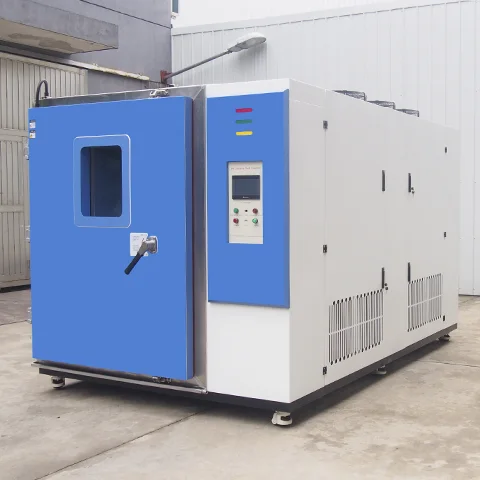
Textile color fastness is a measure of how well a dyed fabric keeps its color when exposed to sunlight. This resistance is checked in a solar radiation test chamber by manufacturers long before clothes or furniture hit store shelves. These chambers simulate UV and visible light exposure while keeping the temperature and humidity under control. This makes it possible to fit months or even years of sun exposure into a manageable lab schedule. Textile companies use this fast data to compare different dye mixtures, fiber blends, and finishing treatments. This way, they can find problems with fading and fiber weakening before a batch of products gets to customers who expect the color to stay the same after many washes and wears.
What Is Color Fastness Testing Under Solar Radiation Exposure?

Defining Lightfastness Within the Broader Fastness Family
Color fastness refers to how well a fabric doesn't fade from things like washing, rubbing, and sweating. Lightfastness, on the other hand, only talks about how well a fabric doesn't fade from sunlight. Solar radiation testing separates this variable by putting fabric swatches under a controlled amount of light while other fastness properties are checked using different, unrelated tests.
Why Textiles Need Dedicated Light Exposure Testing
Depending on their chemical structure, dyed fibers absorb light energy in different ways. This energy can break chemical bonds inside the dye molecule itself. A fabric that doesn't fade after being washed many times might fade a lot if it's left out in the sun for a long time. This is why lightfastness testing with a solar radiation test chamber is a separate and important part of the evaluation process.
Applications Across Textile Product Categories
Outdoor furniture fabric, car seats, awnings, and work clothes all spend a lot of time in the sun, which is why lightfastness testing is especially important for these types of items. Lightfastness data is useful for all fabrics, even those that are kept near windows inside, because even filtered sunlight has enough ultraviolet energy to fade colors over time.
How UV Light Causes Dye Degradation in Textile Materials
Photochemical Bond Breaking in Dye Molecules
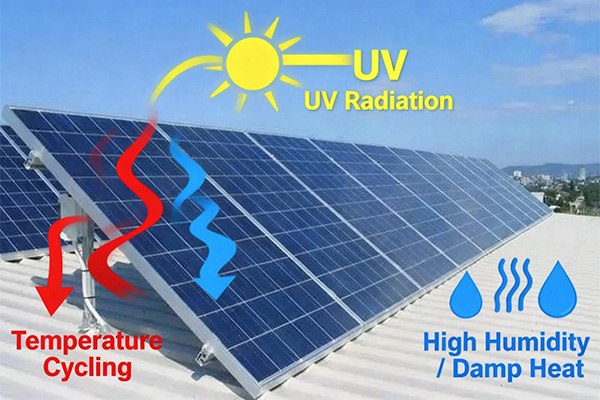
Ultraviolet photons have enough power to break some chemical bonds in dye chromophores. Dye chromophores are the molecules that absorb and reflect light. In a solar radiation test chamber, controlled UV exposure can simulate these effects and evaluate how ultraviolet radiation affects dye stability. When these links break, the molecular pieces that are left often absorb light in a way that is different from how the original dye did. This is what causes the fading or color shift that people notice over time.
Fiber Type Influence on Degradation Rate
Because different types of fibers react to light and wetness in different ways, natural fibers like cotton and wool break down differently in UV light than manufactured fibers like polyester or nylon. This behavior of fibers must be taken into account in dye formulations, since the same dye chemistry can behave very differently on different textile substrates. A solar radiation test chamber can be used to simulate sunlight exposure and evaluate how different textile fibers and dye formulations perform under controlled radiation conditions, helping manufacturers optimize material selection and improve color durability.
Heat and Humidity Acceleration Effects
When dyes are exposed to light, high temperatures speed up the chemical processes that break them down. Humidity can add more hydrolysis routes that make the fading worse than light exposure alone would be. Light-only exposure tests would not give as accurate a picture of how things break down as chambers that control all three factors at the same time.
Measuring Fading, Discoloration, and Fiber Weakening
Visual Assessment Against Reference Standards
Trained evaluators use a solar radiation test chamber to expose fabric samples under controlled conditions, then use standard gray scale or blue wool reference materials to compare the exposed fabric swatches to unexposed control samples. They give each sample a number rating that shows how much the color changed. This visual method is still widely used because it matches up well with how people actually see fading when they use something every day.
Instrumental Colorimetry Measurement
Spectrophotometers detect color differences objectively and repeatedly as a delta E number. This takes away the subjective nature of visual grade alone. When comparing subtle fading differences between similar dye formulations that a human eye might not be able to consistently tell the difference, this instrumental method comes in very handy.
Tensile Strength Loss From Fiber Degradation
In addition to changing the color, long-term UV exposure can weaken the tensile strength of fibers. This is especially important for outdoor fabrics that are subjected to mechanical stress as well as sun exposure. A solar radiation test chamber can be used to simulate prolonged sunlight exposure and evaluate these changes under controlled conditions. Colorimetric measurement and tensile strength testing are sometimes done together in testing programs so that they can see both how the material looks and how it breaks down over time during the same exposure cycle.
| Measurement Method | What It Captures | Common Tool |
|---|---|---|
| Visual grey scale rating | Perceived color change | Grey scale or blue wool reference |
| Instrumental colorimetry | Objective color difference | Spectrophotometer, delta E calculation |
| Tensile strength testing | Fiber structural weakening | Tensile testing machine |
Accelerated Weathering Tests for Textile Quality Assurance
Xenon Arc Lamp Spectrum Matching
Xenon arc lamps in a solar radiation test chamber are still the most common way to test the lightfastness of textiles because their output spectrum can be filtered to closely match natural sunlight in terms of both ultraviolet and visible wavelengths. Accurate spectrum matching keeps claims of UV-specific damage from being too high compared to what fabrics actually go through when they are exposed to real outdoor sun.
Establishing Exposure Duration Benchmarks
Instead of just using a set clock duration, test duration usually uses blue wool standard fading as a standard. The cloth is left out until a certain reference wool sample gets a certain amount of fading. This method makes the results more comparable even when different testing labs use different lamp intensities and chamber configurations.
Correlating Lab Results With Outdoor Exposure
Accelerated chamber testing using a solar radiation test chamber can't exactly copy all the factors that happen in real-life outdoor exposure, such as changes in seasonal light angles and the way pollutants interact with each other in the air. Manufacturers of textiles check predictions made in a chamber against real outdoor exposure racks on a regular basis. As new correlation data comes in from each new generation of products, acceleration factors are improved.
International Standards for Textile Lightfastness Evaluation
AATCC Test Method 16 for Colorfastness to Light
The American Association of Textile Chemists and Colorists (AATCC) maintains Test Method 16, which describes the conditions for xenon arc exposure and the evaluation methods that textile producers all over North America use. This method has several exposure choices to meet the needs of different end-uses and standards for product longevity.
ISO 105-B02 for Global Textile Testing
ISO 105-B02 is a standard procedure for testing colorfastness to artificial light that is accepted all over the world. It uses the blue wool scale to compare exposure levels and is widely used in the textile supply chain. When buying fabric from suppliers in different manufacturing regions, many multinational brands ask for this standard to be met through reliable equipment such as a solar radiation test chamber.
ISO 4892 for Plastics and Coated Textile Materials
ISO 4892 talks about accelerated weathering in a broader sense. It includes xenon arc and other light source exposure methods that can be used on plastics and coated fabrics as well as woven or knit fabrics. Manufacturers of coated or laminated outdoor fabrics often use this standard along with methods that are specific to textiles to make sure that everything is correct.
| Standard | Governing Body | Primary Application |
|---|---|---|
| AATCC Test Method 16 | American Association of Textile Chemists and Colorists | General textile lightfastness |
| ISO 105-B02 | International Organization for Standardization | Global textile colorfastness |
| ISO 4892 | International Organization for Standardization | Plastics and coated fabric weathering |
Improving Fabric Performance Through Radiation Testing Feedback
Guiding Dye Selection and Formulation
Radiation test results help textile scientists compare possible dye classes to see how well they hold up against light before starting full production runs. This way, they can avoid having to do expensive changes to the formula after customers complain. Feedback from trying dyes over and over again helps narrow down the choices to formulas that strike a good mix between cost, color brightness, and long-term fade resistance.
Evaluating UV-Protective Finishes
Informing Care Label and Warranty Guidance
Accelerated exposure data helps manufacturers set realistic goals for color retention, which affects the language on care labels and guarantees terms for textiles used outside and in cars. Accurate advice based on real test data cuts down on challenged warranty claims related to fading that is within the normal range of expected performance.
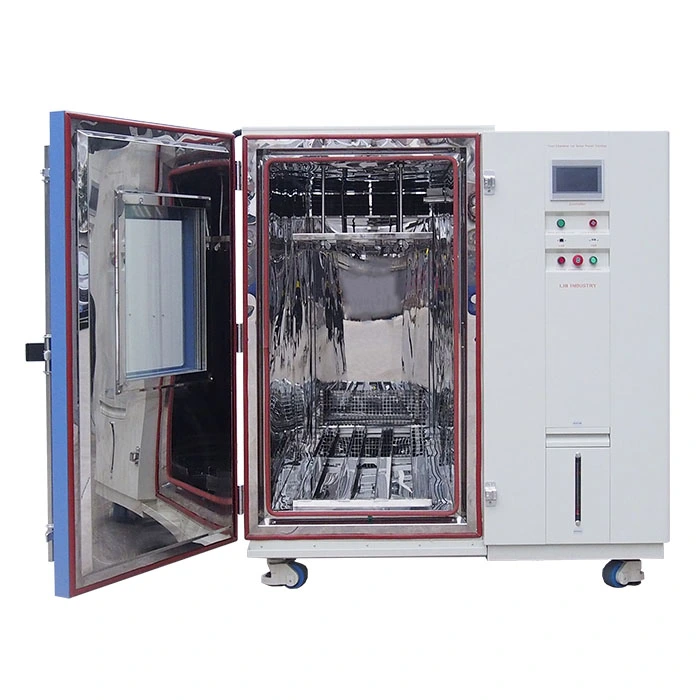
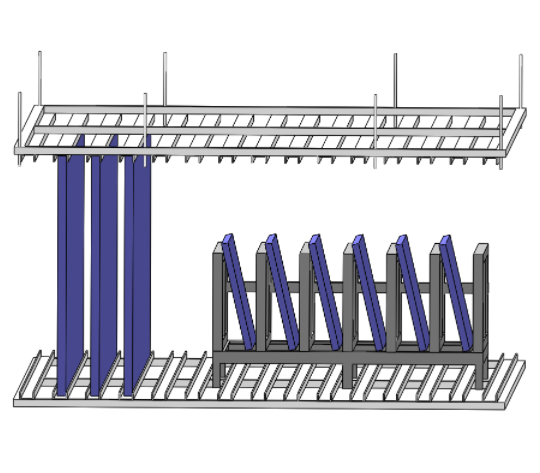
LIB Industry Solar Simulation Systems for Textile Color Fastness Testing
 |
 |
||
Model |
PV-02/04/06/08 |
||
Parameter |
Temperature Range |
-60℃ ~ +100 ℃ |
|
Humidity Range |
20% ~ 98% RH |
||
Temperature Change Rate |
1 ~ 3.4℃ / Min |
||
Panel Size |
1M*2M |
||
Panel Capacity |
4 / 6 / 8 / 10 / 12 Pieces |
||
Controller |
Programmable color LCD touch screen controller |
||
|
Ethernet connection, PC Link, USB |
|||
Combined Light, Heat, and Humidity Control
LIB Industry's solar radiation test chamber can keep the temperature up to 85 degrees Celsius and the humidity up to 85 percent RH. It also lets you set the amount of light that hits the fabric, which creates the realistic stress conditions needed for testing how lightfast textiles are. Fluctuation control within ±0.5°C keeps exposure conditions the same over long test runs that last several days.
Capacity for Batch Testing Across Product Lines
Many textile standards require longer exposure times, so the test durations are set at around 1000 hours. The chamber can also be configured in a variety of ways so that multiple fabric swatches can be tested at the same time. This throughput lets textile companies compare different dye mixtures or fiber blends in a single test cycle, instead of having to run separate tests one after the other.
Turn-Key Support for Textile Testing Laboratories
LIB Industry delivers chambers, including solar radiation test chambers, and supports research, custom design, setup, and operator training. This way, textile quality assurance labs can establish reliable lightfastness testing programs without having to find separate installation or calibration support. This full-service approach works well for labs that are adding new features or expanding existing facilities to enhance their test infrastructure.
Conclusion
Solar radiation test rooms with solar radiation test chamber technology are a reliable way for textile companies to predict how dyed fabrics will hold their color when they are exposed to real sunlight. This is because they simulate months of fading in the sun in a controlled lab setting. Brands can make sure that textiles meet customer color expectations throughout their intended service life by ensuring that test protocols comply with AATCC and ISO standards and that both visual fading and fiber strength loss are measured.
FAQ
How long does a normal test for how long clothes last in a solar radiation chamber?
The length of time it takes depends on the reference standard and the target fading benchmark. However, many textile lightfastness protocols take between a dozen and a hundred hours to reach the blue wool reference fading level.
When they make things, why do they use the blue wool scale instead of a set exposure time?
The blue wool scale makes the results more similar when using different lamp levels and room setups. This is because exposing fabric until a reference wool sample hits a certain fading stage gives more accurate results than using a fixed clock time alone.
Can the same room test both how long a cloth will last in light and how long a solar cell will last?
For both uses, a chamber with adjustable light levels, temperature, and humidity can be used, but the calibration targets and reference standards are very different for photovoltaic module qualification protocols and textile colorfastness testing.
Work With LIB Industry
LIB Industry, an experienced solar radiation test chamber manufacturer, supplier, and factory partner, delivers turn-key environmental testing solutions from design through installation and training. Reach out to ellen@lib-industry.com to configure a chamber suited to your textile color fastness testing program.