What Is the ASTM Standard for a UV Resistance Test Chamber?
Need a UV resistance test chamber for ASTM testing? Get a suitable configuration and quotation from LIB Industry.
UV exposure can cause materials to fade, crack, embrittle, discolor, or lose mechanical strength over time. For products designed for outdoor use, manufacturers need a reliable way to evaluate how materials will perform under prolonged ultraviolet radiation.
UV resistance testing uses controlled laboratory exposure to accelerate this aging process. ASTM has developed several standards for different UV and weathering applications, with ASTM G154, ASTM G155, and ASTM D4329 among the commonly referenced standards.
The key is to select the appropriate standard and test equipment according to the material, light source, and environmental conditions being evaluated.
What Is UV Resistance Testing?
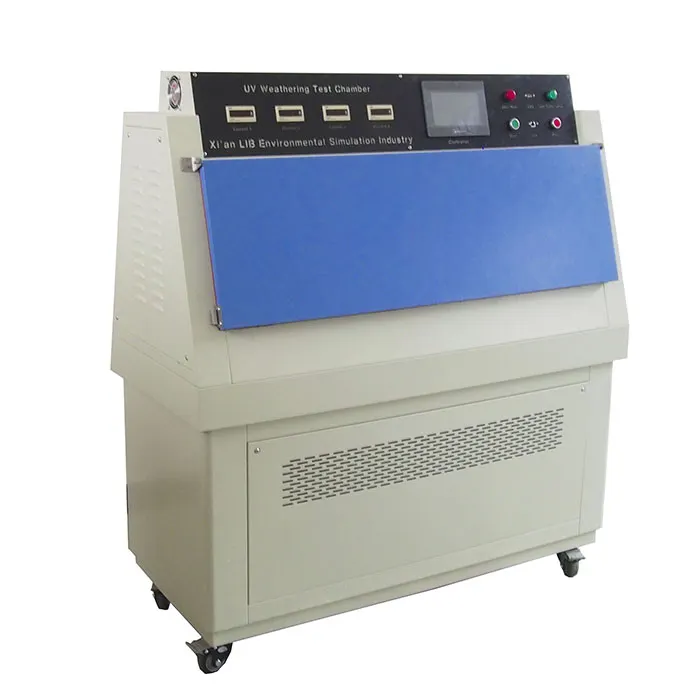 UV resistance testing evaluates how a material or product responds to prolonged exposure to ultraviolet radiation.
Instead of waiting for years of natural outdoor exposure, manufacturers can use a UV resistance test chamber to reproduce controlled UV, temperature, moisture, and condensation conditions.
The resulting changes can then be evaluated through factors such as:
- Color and appearance changes
- Fading and discoloration
- Cracking and embrittlement
- Surface deterioration
- Loss of mechanical properties
- Other material degradation
UV resistance testing is widely used for plastics, coatings, textiles, automotive components, construction materials, and other products exposed to sunlight.
What Are the Main ASTM Standards for UV Resistance Testing?
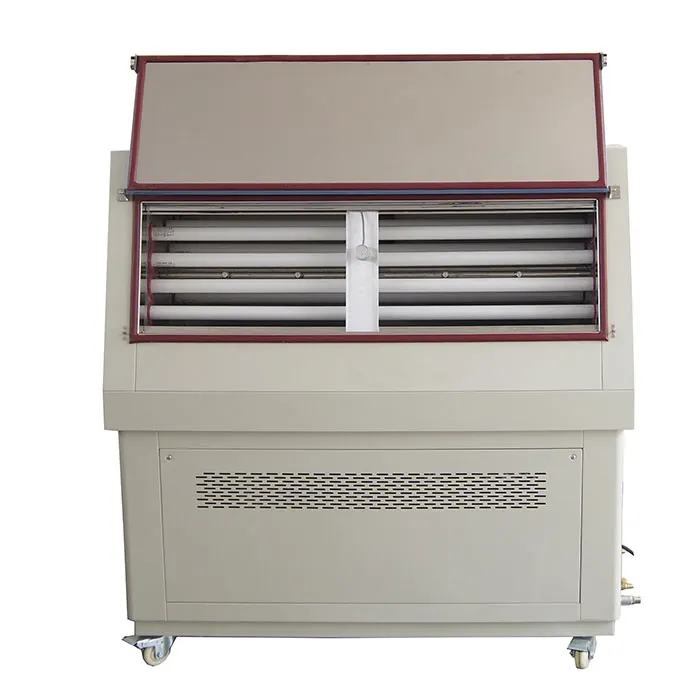 Different ASTM standards address different light sources and materials. Choosing the correct standard is therefore an important step when selecting a UV test chamber.
ASTM G154 — Fluorescent UV Exposure
ASTM G154 covers the operation of fluorescent UV apparatus for exposing nonmetallic materials to UV radiation.
The standard defines important test conditions such as:
- UV lamp type
- Irradiance
- Exposure cycles
- Temperature
- Condensation or water exposure
- Test procedures
ASTM G154 is commonly used to evaluate the effects of accelerated UV exposure on materials such as plastics, coatings, and other nonmetallic products.
A chamber used for ASTM G154 testing needs to provide the appropriate fluorescent UV lamps and accurately control the specified exposure conditions.
ASTM G155 — Xenon Arc Weathering
ASTM G155 covers xenon-arc exposure used to simulate the effects of sunlight and outdoor weathering.
Unlike fluorescent UV testing, xenon arc systems can reproduce a broader portion of the solar spectrum, including UV, visible, and infrared radiation.
ASTM G155 is suitable for applications where broader sunlight simulation is required, particularly for outdoor materials and products.
Testing can help evaluate degradation such as:
- Fading
- Discoloration
- Cracking
- Surface deterioration
- Loss of physical performance
When a test requires xenon-arc exposure rather than fluorescent UV exposure, an accelerated weathering tester configured for ASTM G155 should be selected.
ASTM D4329 — UV Exposure of Plastics
ASTM D4329 focuses on the exposure of plastics to fluorescent UV radiation and condensation.
The standard provides procedures for exposing plastic materials to controlled UV and moisture conditions, helping manufacturers evaluate their resistance to outdoor weathering.
It is particularly relevant when testing plastic materials that may experience both sunlight and moisture during service.
ASTM G154 vs. G155 vs. D4329: Which One Should You Use?
The three standards are related to accelerated weathering but are not interchangeable.
| Standard | Main Light Source / Application | Typical Use |
|---|---|---|
| ASTM G154 | Fluorescent UV | General nonmetallic material UV testing |
| ASTM G155 | Xenon arc | Broader sunlight and outdoor weathering |
| ASTM D4329 | Fluorescent UV + condensation | Plastics weathering evaluation |
The correct choice depends primarily on the material, intended application, required spectrum, and test specification.
If your test specification specifically calls for ASTM G154, a fluorescent UV chamber is appropriate. If it requires xenon-arc exposure under ASTM G155, a xenon weathering chamber is needed.
Why Is UV Resistance Testing Important?
Improve Material Durability
UV testing helps manufacturers identify weak materials or formulations before products reach the market.
For example, outdoor furniture, automotive parts, coatings, plastics, and construction products can experience significant UV exposure during their service life. Accelerated testing allows manufacturers to compare materials and improve product design or protective coatings.
Support Standard Compliance
Following the appropriate ASTM test method provides a defined and repeatable testing procedure.
For manufacturers supplying products to automotive, construction, aerospace, and other demanding industries, documented UV resistance testing can support quality-control programs, customer qualification, and product validation.
Reduce Field Failure Risk
UV degradation may not become visible immediately. A material can gradually lose color stability, surface integrity, or mechanical performance after prolonged exposure.
Accelerated testing helps reveal these potential failure modes earlier, reducing the risk of unexpected degradation and costly product failures.
How Is ASTM UV Resistance Testing Conducted?
A typical ASTM UV resistance test includes three main stages.
1. Prepare and Set Up the Chamber
The chamber is configured according to the applicable ASTM standard.
For ASTM G154, this includes selecting the appropriate fluorescent UV lamps and setting the required exposure cycle, temperature, irradiance, and condensation or moisture conditions.
The chamber should be properly calibrated and maintained to ensure repeatable exposure.
2. Expose the Test Specimens
Prepared specimens are installed inside the chamber and exposed to the programmed UV cycle.
Depending on the selected test method, the cycle may alternate between UV exposure and condensation or water exposure.
The exposure duration depends on the material, test specification, and required evaluation period.
3. Evaluate Material Degradation
After exposure, the specimens are removed and compared with unexposed reference samples.
Typical evaluations include:
- Color change
- Fading
- Cracking
- Surface changes
- Gloss change
- Mechanical property changes
The results are then assessed according to the requirements of the applicable ASTM standard.
What Should You Look for in a UV Resistance Test Chamber?
A suitable chamber should provide stable and programmable control of the conditions required by the test method.
Important factors include:
- Appropriate UV lamp type
- Irradiance control
- Temperature control
- Humidity or condensation control
- Programmable exposure cycles
- Uniform specimen exposure
- Safety protection
- Data monitoring and recording
The chamber configuration should always be selected based on the specific ASTM standard and test cycle, rather than simply choosing a chamber based on UV lamp power.
LIB Industry UV Resistance Test Chamber Solution
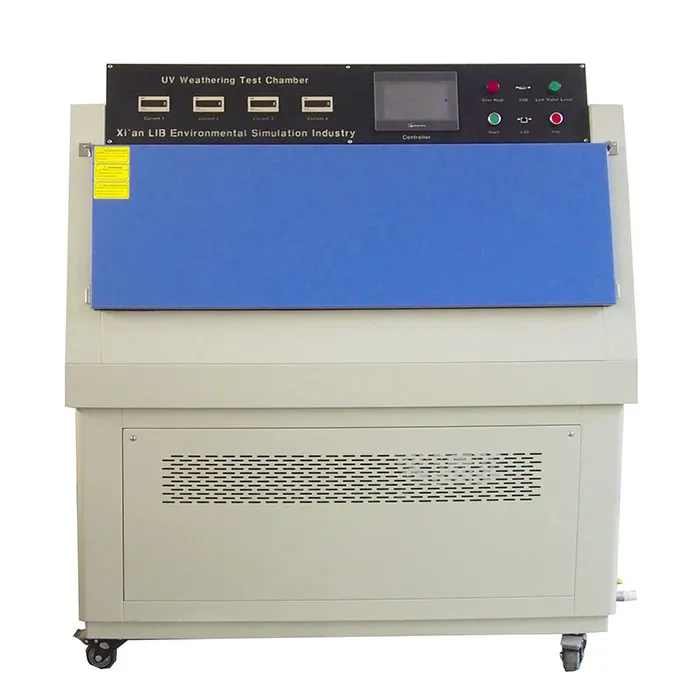
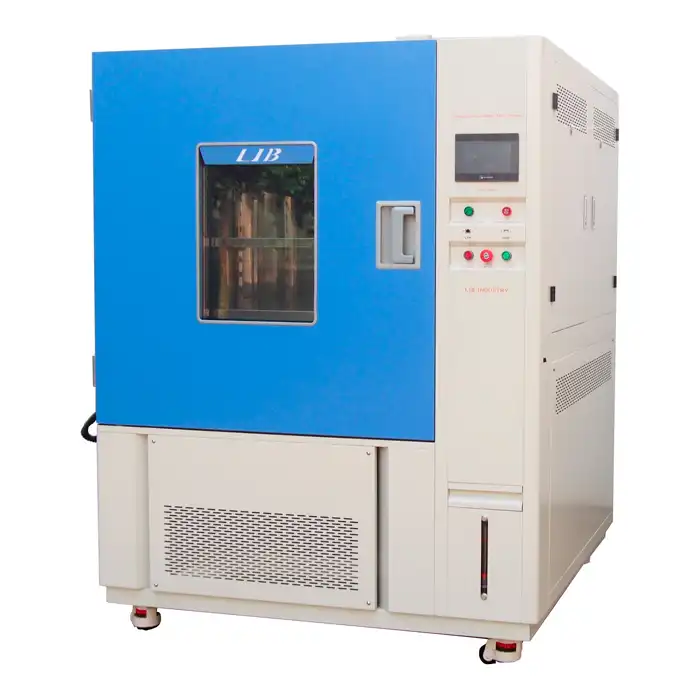
LIB Industry provides UV accelerated weathering equipment for material durability and accelerated aging testing.
The equipment can be configured for applications involving UV radiation, temperature, humidity, condensation, and water spray, depending on the required test method.
For laboratories and manufacturers, LIB Industry can recommend a suitable configuration based on:
- ASTM test standard
- Material type
- UV wavelength
- Irradiance requirement
- Temperature and humidity conditions
- Exposure cycle
- Specimen size and quantity
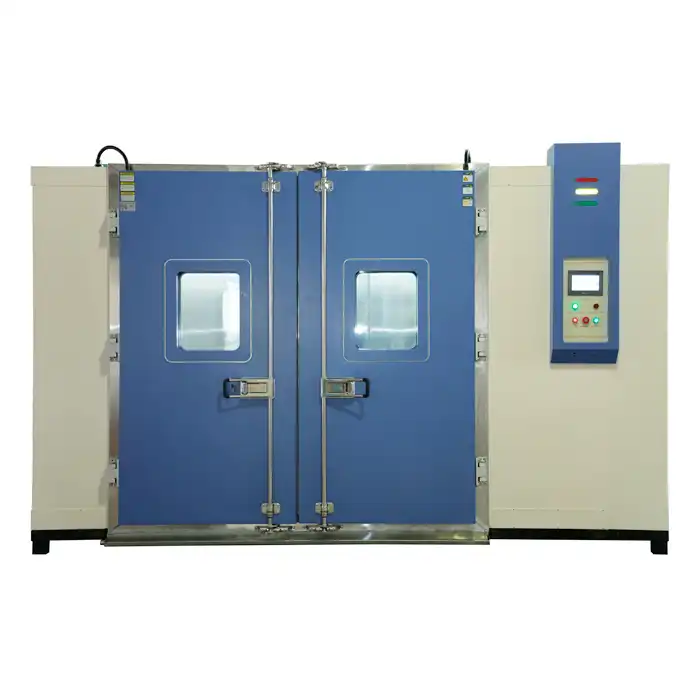
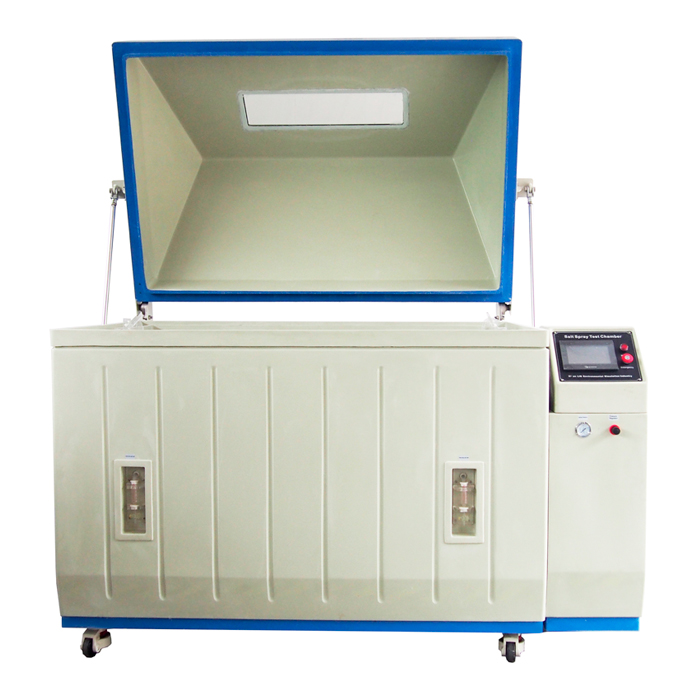
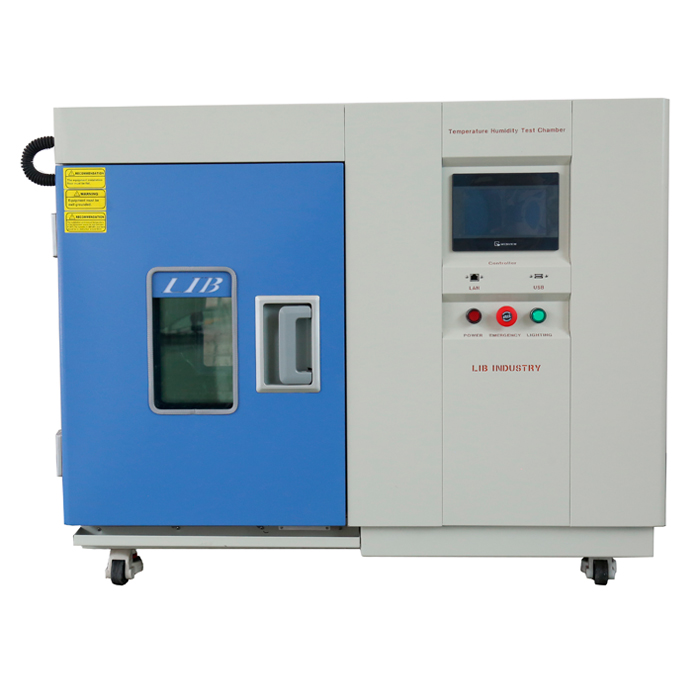
LIB Industry also provides other environmental test equipment, allowing manufacturers to build a broader testing program around UV, temperature, humidity, corrosion, and weathering evaluation.
Need a UV Resistance Test Chamber for ASTM Testing?
Choosing the right chamber starts with identifying the ASTM standard, light source, material, and exposure conditions required for your test.
LIB Industry provides UV and accelerated weathering test equipment for laboratories, manufacturers, and testing organizations.
Send us your ASTM test requirements to get a suitable chamber configuration and quotation.
FAQ
What is the most common ASTM standard for UV testing?
ASTM G154 is a commonly used standard for fluorescent UV exposure of nonmetallic materials. However, ASTM G155 may be more appropriate when xenon-arc exposure and broader sunlight simulation are required.
What is the difference between ASTM G154 and ASTM G155?
ASTM G154 uses fluorescent UV lamps, while ASTM G155 uses a xenon arc light source to simulate a broader solar spectrum.
Does ASTM D4329 test plastics?
Yes. ASTM D4329 provides a fluorescent UV and condensation exposure method specifically applicable to plastic materials and their resistance to outdoor weathering.