What is the function of UV chamber in laboratory?
Need a UV test chamber for accelerated weathering testing? Request a quote in 24 hours.
Materials and products exposed to sunlight can gradually suffer from fading, discoloration, cracking, embrittlement, and loss of mechanical performance. For laboratories and manufacturers, waiting for years of natural outdoor exposure is not practical when developing or validating a product.
A UV test chamber provides a controlled way to reproduce ultraviolet exposure and accelerate material aging. It allows researchers to evaluate how materials respond to UV radiation and environmental conditions within a shorter and more repeatable laboratory test.
What Is the Function of a UV Test Chamber?
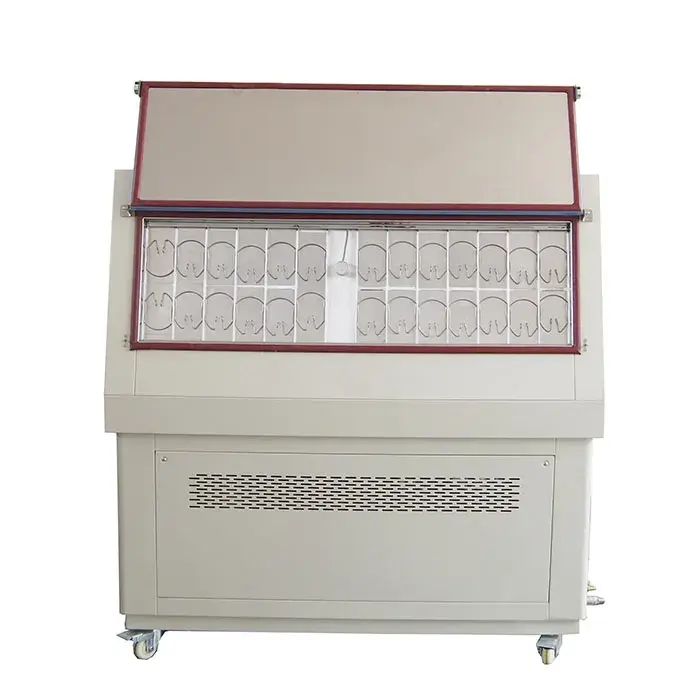 The primary function of a UV test chamber is to simulate the effects of ultraviolet radiation on materials and products under controlled conditions.
Depending on the chamber configuration, UV testing can also combine UV exposure with temperature, humidity, and water spray to reproduce more complex weathering conditions.
The main applications include:
Accelerated aging: Reproduce long-term UV exposure in a shorter laboratory test period.
Quality assurance: Evaluate whether products can maintain their appearance and performance after UV exposure.
Research and development: Compare materials, coatings, and formulations to improve UV resistance.
Durability evaluation: Identify potential failure modes before products are released for outdoor applications.
UV testing is commonly used for automotive components, coatings, plastics, aerospace materials, packaging, construction products, outdoor furniture, and consumer goods.
Which Standards Are Used for UV Chamber Testing?
 The test conditions should be selected according to the material and applicable testing standard. Common standards referenced for accelerated weathering include ASTM G154, ISO 4892-3, and SAE J2412.
ASTM G154
ASTM G154 covers the operation of fluorescent UV apparatus for exposure of nonmetallic materials. It defines requirements related to UV lamps, exposure cycles, temperature, and other test conditions.
ISO 4892-3
ISO 4892-3 describes laboratory exposure methods using fluorescent UV lamps. It provides guidance for controlling exposure conditions and evaluating the effects of UV radiation on materials.
SAE J2412
SAE J2412 is used for accelerated exposure testing of automotive exterior materials using a controlled xenon-arc apparatus. It is particularly relevant when evaluating the weathering durability of automotive exterior materials.
The appropriate chamber and light source should therefore be selected according to the required standard and test method, rather than simply choosing a UV system based on lamp type.
How Is a UV Test Performed in a Laboratory?
A typical UV weathering test consists of four main stages.
1. Sample Preparation
Samples are prepared according to the applicable test standard. Their dimensions, surface condition, and mounting position should be suitable for the intended test.
2. Chamber Setup
The operator selects the required UV light source and sets the test parameters. Depending on the test method, this may include:
- UV wavelength
- Irradiance
- Temperature
- Humidity
- Water spray
- Exposure duration
- Exposure cycle
3. UV Exposure and Monitoring
The specimens are placed inside the UV test chamber and exposed for the specified duration.
During the test, temperature, humidity, UV intensity, and other relevant parameters are monitored to maintain stable conditions. Programmable cycles can also be used to reproduce repeated UV and moisture exposure.
4. Post-Test Evaluation
After exposure, samples are inspected and compared with unexposed reference specimens.
Depending on the application, evaluation may include color change, gloss change, cracking, embrittlement, surface deterioration, tensile strength, and other physical properties.
What Can a UV Test Chamber Control?
A laboratory UV chamber should provide more than a UV light source. Stable control of the exposure environment is important for repeatable results.
Key capabilities may include:
- UV wavelength control
- Irradiance control
- Temperature control
- Black panel temperature control
- Humidity control
- Water spray
- Programmable exposure cycles
- Data logging and monitoring
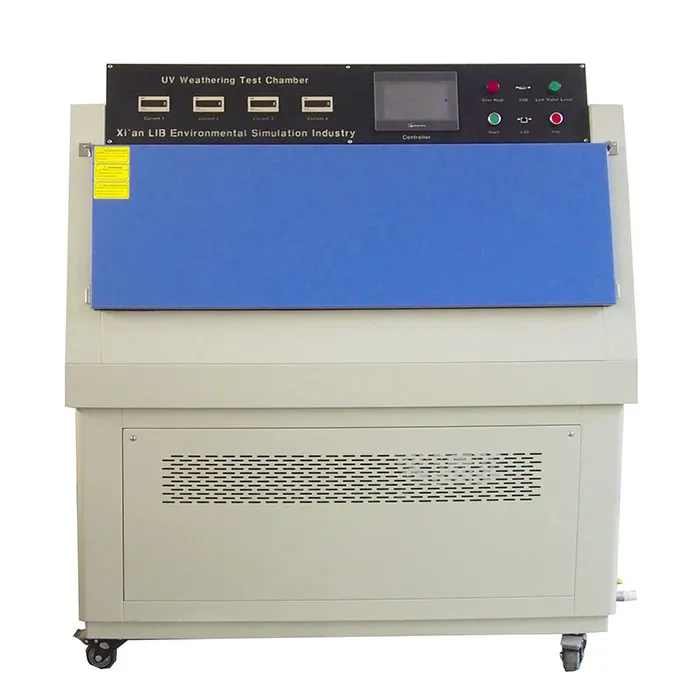
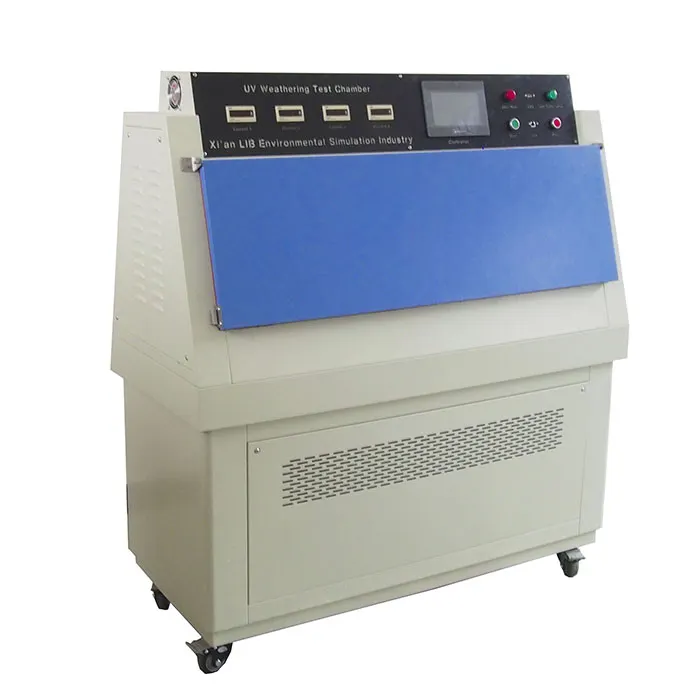
For example, the LIB Industry UV Accelerated Machine uses 8 fluorescent UV lamps, 40 W each, and provides the following specifications:
| Parameter | LIB UV Accelerated Machine |
|---|---|
| Irradiation Source | 8 × Fluorescent UV Lamps, 40 W |
| Temperature Range | Ambient to 90°C ±2°C |
| Black Panel Temperature (BPT) | 35–80°C |
| Humidity Range | ≥95% RH |
| Bandwidth | 290–400 nm |
| Irradiance Control | 0.3–20 W/m² |
| Water Spray Cycle | 1–9999H59M, Adjustable |
| Specimen-to-Lamp Distance | 50 mm |
These functions allow laboratories to control UV irradiation together with temperature, humidity, and water spray for accelerated weathering evaluation.
Need a UV test chamber for ASTM G154 or ISO 4892-3 testing? Contact LIB Industry for a configuration based on your material, test standard, and exposure requirements.
Why Is Environmental Control Important in UV Testing?
Natural weathering is affected by changing sunlight intensity, temperature, humidity, rainfall, and seasonal conditions. These variables make long-term outdoor testing difficult to control and reproduce.
A UV test chamber provides a defined laboratory environment, allowing manufacturers to repeat the same test conditions and make more reliable comparisons between materials.
For R&D teams, this can help identify degradation trends and failure modes earlier. For quality-control laboratories, repeatable exposure conditions can help establish consistent product evaluation procedures.
LIB Industry UV Test Chamber Solution
LIB Industry provides UV accelerated machines for manufacturers, research laboratories, and testing facilities that need controlled accelerated weathering conditions.
The equipment can provide controlled UV irradiation, temperature, humidity, and water spray, supporting applications in automotive, aerospace, packaging, construction, plastics, coatings, and other outdoor products.
LIB Industry can recommend the appropriate configuration according to:
- Applicable test standard
- Material and product type
- Required UV wavelength
- Irradiance level
- Temperature and humidity requirements
- Water spray requirements
- Specimen dimensions and quantity
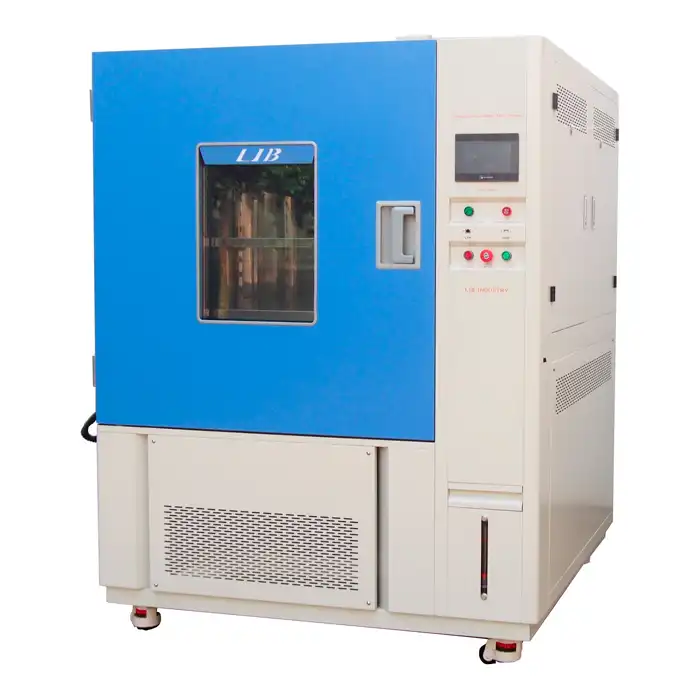
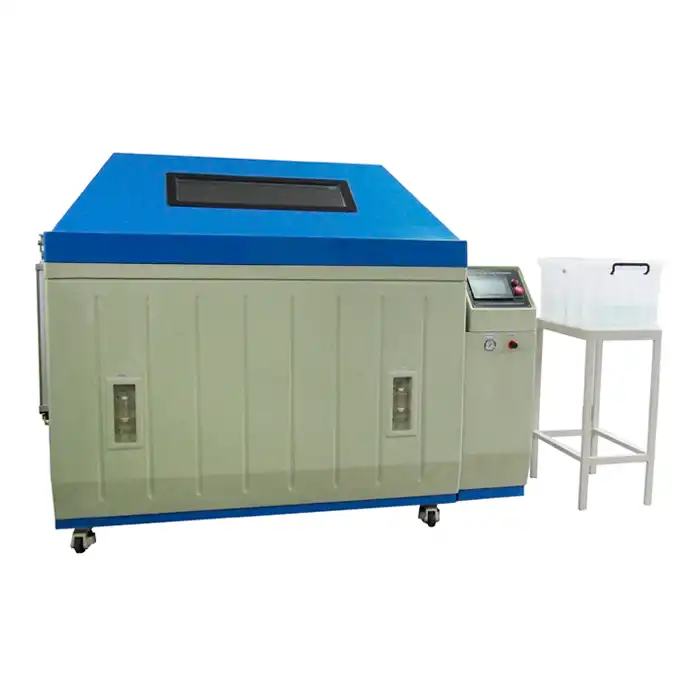
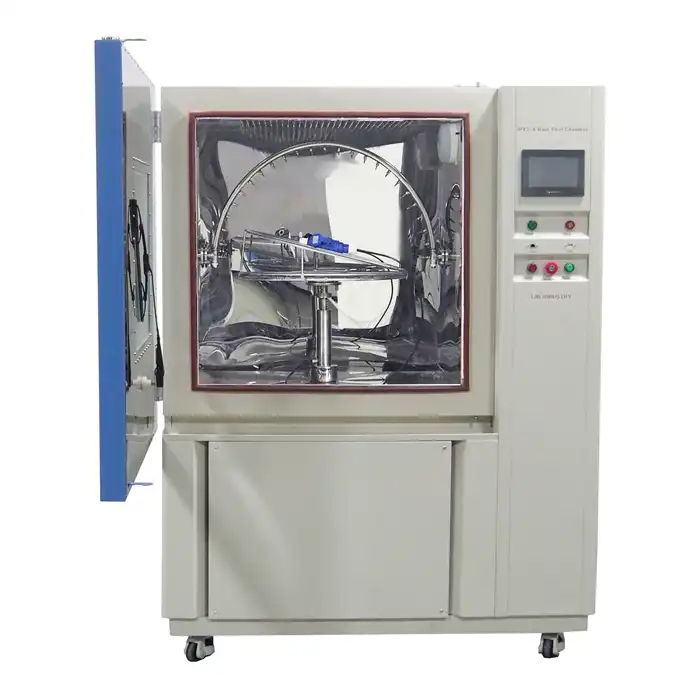
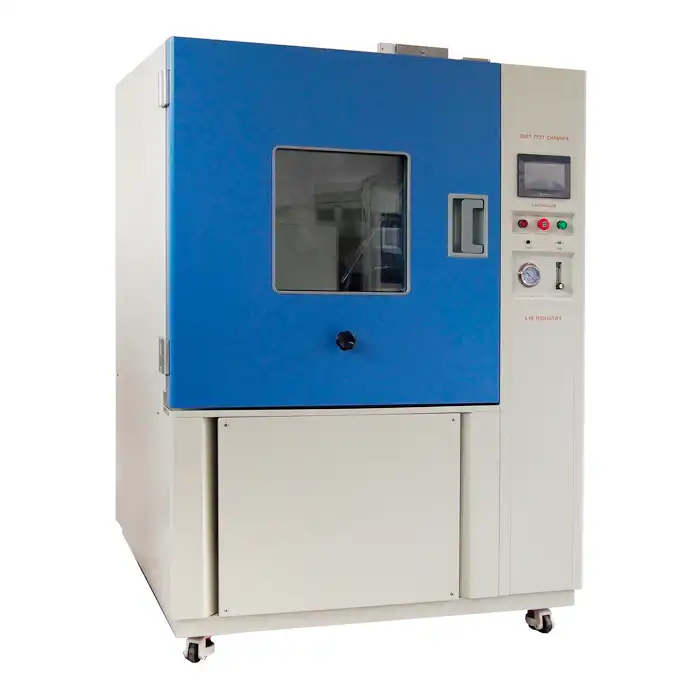
For laboratories with broader environmental testing requirements, UV testing can also be combined with other equipment.
Related Environmental Test Equipment
|
|
|
|
| Accelerated Weathering Tester — For controlled UV and environmental weathering tests. | Xenon Weathering Chamber — For applications requiring xenon-arc exposure and broader sunlight simulation. | Temperature & Humidity Chamber — For material aging tests under controlled temperature and humidity without UV exposure. |


FAQ
What is a UV test chamber used for?
A UV test chamber is used to simulate controlled ultraviolet exposure and accelerate the aging of materials and products. It helps manufacturers evaluate UV resistance, appearance changes, and physical degradation.
What materials can be tested in a UV chamber?
Typical applications include plastics, coatings, automotive materials, textiles, packaging, construction materials, and outdoor products.
How do I choose the right UV test chamber?
Start with the applicable test standard, UV wavelength, irradiance, temperature, humidity, water spray requirements, and specimen size. The chamber should then be configured to reproduce the required test conditions.
LIB Industry provides configurable UV accelerated weathering equipment for laboratory testing and product development. Send us your test requirements to get a suitable chamber configuration and quotation.