What Is the Procedure for Temperature Chamber Calibration?
Need a temperature chamber for accurate environmental testing? Request a quote in 24 hours.
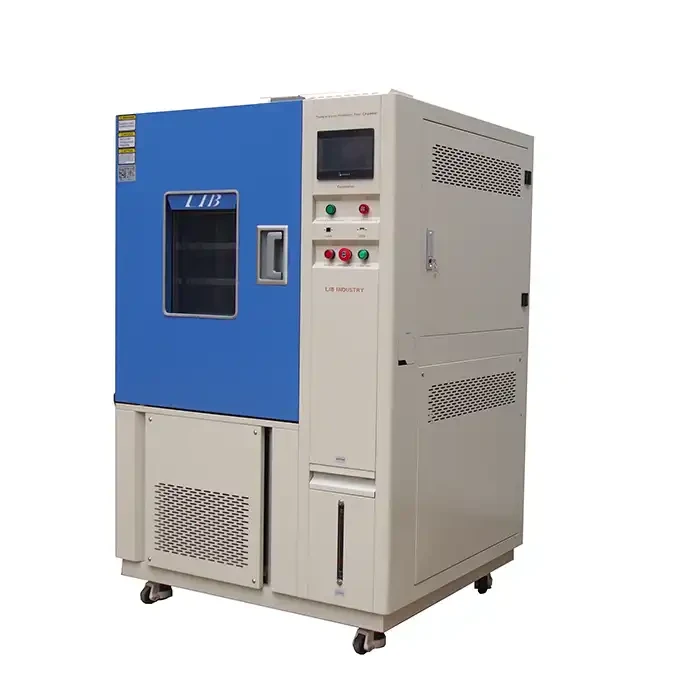
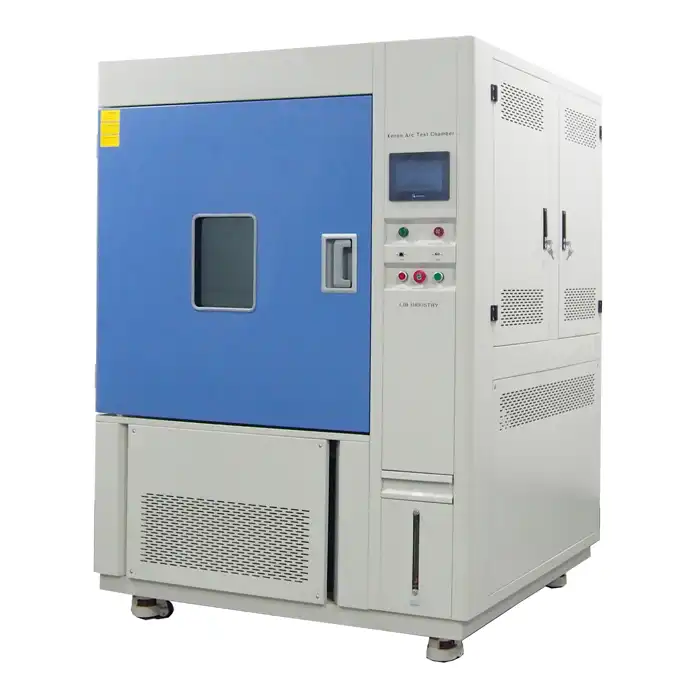
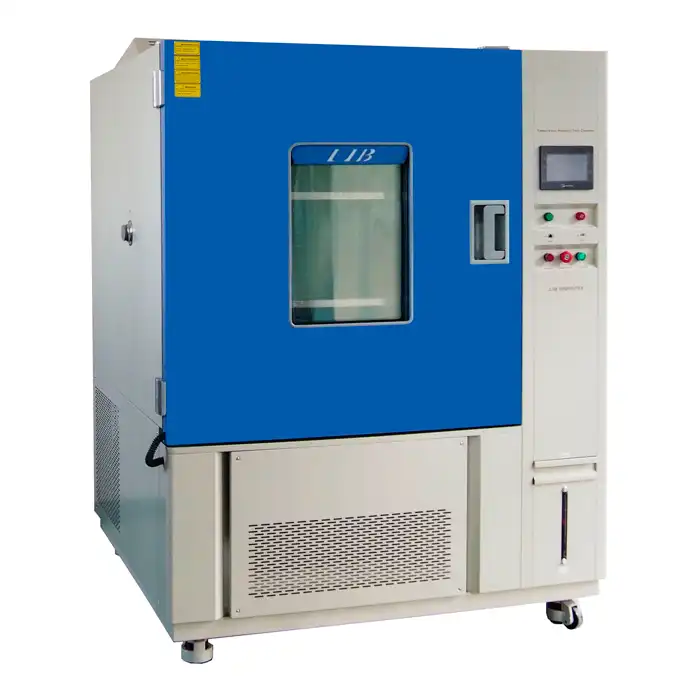
Temperature and humidity chambers, also known as environmental simulation chambers, are essential for evaluating product reliability and performance under controlled environmental conditions. Proper calibration is critical to maintain temperature accuracy, repeatability, and confidence in test results.
The first step in the calibration process is to compare the temperature readings inside the chamber with approved reference standards. This typically involves placing calibrated temperature sensors at specified points within the chamber and comparing their readings with the chamber's internal sensors. Any deviations are documented and evaluated to confirm whether the chamber operates within the required tolerances.
The chamber's heating and cooling systems are also checked during calibration. This helps verify that temperature changes remain stable and predictable throughout the chamber's operating range. If the chamber includes humidity control, the humidity measurement and control system can also be checked to confirm that the required levels are maintained accurately.
Based on applicable standards and specific testing requirements, regular calibration intervals should be established. Periodic calibration helps identify drift or deviations in temperature control and keeps test results consistent over time.
For reliable calibration, it is important to follow the manufacturer's maintenance recommendations, use calibrated reference instruments, document calibration procedures and results, and ensure that personnel operating and calibrating the chamber are properly trained.
LIB Industry provides temperature and humidity chambers with controlled temperature performance, traceable factory calibration, and technical support for laboratories and manufacturers requiring repeatable environmental testing.
Understanding Environmental Simulation Chambers
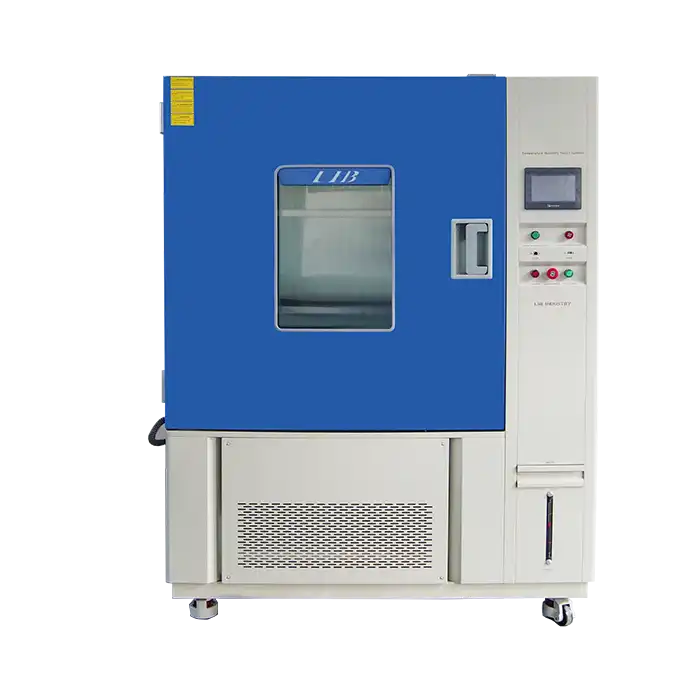 Environmental simulation chambers are sophisticated pieces of equipment designed to replicate and control specific environmental conditions within a controlled setting. These conditions typically include temperature and humidity, and may also include pressure, light, or other environmental factors depending on the chamber configuration.
Across industries such as electronics, automotive, aerospace, pharmaceuticals, and materials science, environmental simulation chambers play an important role in research, development, reliability testing, and quality assurance. By exposing products and materials to controlled environmental stresses, manufacturers can evaluate potential weaknesses, durability, performance stability, and reliability.
For example, in electronics testing, temperature and humidity chambers can simulate environmental variations that electronic devices may experience during operation or storage. This allows engineers to evaluate thermal performance, reliability under extreme temperatures, and overall stability. In pharmaceutical applications, controlled temperature and humidity environments can be used for stability studies under defined conditions.
The significance of environmental simulation chambers lies in their ability to provide repeatable and controlled test environments. Accurate environmental control allows manufacturers and researchers to compare test results, validate product performance, improve product designs, and support applicable quality and regulatory requirements.
For laboratories performing frequent temperature and humidity testing, maintaining chamber accuracy through regular calibration is therefore an important part of the overall testing process.
Importance of Calibration
Calibration is the process of comparing the chamber's measured values with a recognized reference standard to determine whether the equipment is operating within specified limits.
For temperature chambers, proper calibration helps verify the accuracy of temperature measurements and control. It is particularly important when test results are used for product development, quality control, reliability evaluation, or regulatory documentation.
Without regular verification, sensor drift, control-system deviations, or environmental differences within the chamber may affect test consistency. A structured calibration process provides documented evidence that the chamber is operating according to the required conditions.
Procedure for Temperature Chamber Calibration
A number of systematic steps are required when calibrating a temperature chamber to ensure accurate and consistent performance.
1. Planning
It is important to prepare the chamber and calibration equipment before beginning the calibration process.
Examine the manufacturer's instructions: Refer to the chamber's operation manual for the manufacturer's recommended calibration procedures and operating conditions.
Gather equipment: Prepare calibrated thermometers, temperature data loggers, reference sensors, humidity meters, or other instruments required for the chamber configuration.
Plan the calibration time: Schedule calibration during a period that does not interfere with ongoing testing activities.
2. Initial Checks
Before calibration begins, confirm that the chamber is ready for measurement.
Visual Inspection: Inspect the chamber for visible wear, damage, or abnormal conditions that could affect operation.
Power Stability: Ensure that the power supply is stable during calibration to avoid unnecessary fluctuations.
Cleanliness: Remove foreign objects, dust, or other materials from the chamber interior that could affect the test environment or sensor placement.
3. Temperature Calibration
Temperature calibration normally receives the greatest attention because temperature uniformity and accuracy directly affect many environmental tests.
Stabilization: Allow the chamber to reach the required set point and stabilize before recording measurements.
Reference Sensor Placement: Place calibrated reference sensors at specified locations within the chamber to evaluate temperature conditions at different points.
Comparison: Compare the readings from the reference sensors with the temperature values displayed or recorded by the chamber's control system.
Adjustment: If deviations are identified, adjust the chamber's temperature control system according to the manufacturer's procedures until the measured values are within the required tolerance.
For applications requiring documented test accuracy, the calibration results should be recorded and retained with the chamber's maintenance and testing records.
4. Other Environmental Parameters and Humidity Control
If the chamber includes humidity control or other environmental functions, similar verification procedures can be applied to these parameters.
Humidity Adjustment: Check and, where necessary, adjust humidity levels using calibrated humidity measurement equipment.
Calibration of Additional Parameters: Follow the manufacturer's instructions when calibrating other controlled parameters, such as pressure or light intensity, if these functions are included in the chamber.
For temperature and humidity testing, verifying both temperature and humidity measurement systems helps ensure that the actual test environment corresponds to the programmed conditions.
LIB Industry provides temperature and humidity chambers designed for controlled environmental testing, with factory calibration and technical support available for laboratory applications.
5. Compliance and Documentation
Calibration activities should be carefully documented to support internal quality control and applicable regulatory requirements.
Calibration Report: Prepare a report including the calibration date, measurement methods, equipment used, test points, and recorded results.
Certification: Obtain calibration certificates for the reference equipment and sensors used during the calibration process where required.
Proper documentation makes it easier to track calibration history, identify measurement drift, and demonstrate that the chamber has been maintained according to the laboratory's procedures.
How Does LIB Industry Support Temperature Chamber Accuracy?
For laboratories and manufacturers that rely on environmental chambers for repeatable testing, chamber configuration and calibration support are important considerations when selecting equipment.
LIB Industry provides temperature and humidity chambers for applications requiring controlled temperature and humidity conditions. The chambers can be configured according to testing requirements, sample size, temperature range, humidity range, and other application-specific needs.
Traceable Factory Calibration
LIB Industry chambers are supplied with traceable factory calibration, with an ISO 17025-related calibration report where applicable, helping customers establish documented measurement traceability.
Long-Term Technical Support
LIB Industry provides a 3-Year Manufacturer Warranty / 36 months together with lifetime free technical support. Customers can also receive 24/7 remote video assistance for installation, operation, and troubleshooting.
Spare Parts Support
For replacement components, LIB Industry provides a 48-Hour Spare Parts Express service through DHL/FedEx to help reduce equipment downtime.
Related Temperature and Environmental Test Chambers
|
|
|
|
| Constant Temperature & Humidity Test Chamber Designed for controlled temperature and humidity testing across a wide range of product reliability and environmental simulation applications. |
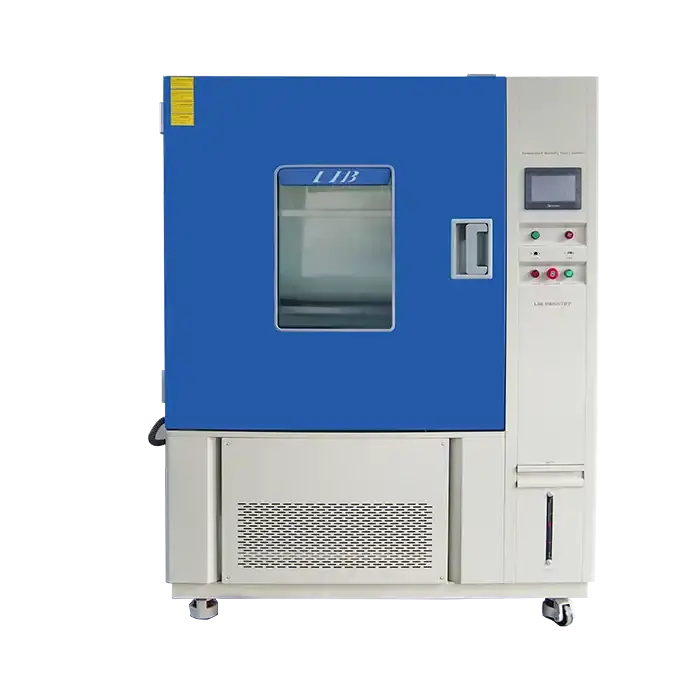
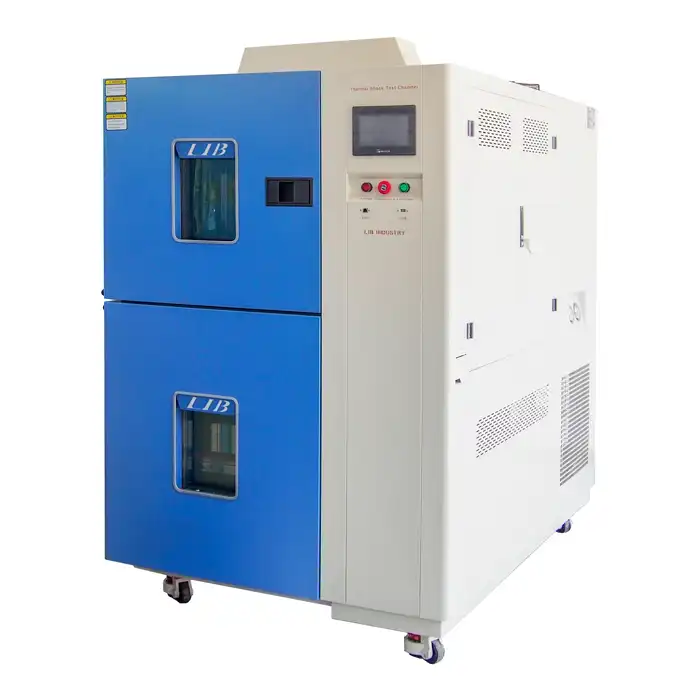
High and Low Temperature Test Chamber Suitable for temperature cycling and high/low temperature exposure when humidity control is not required. |
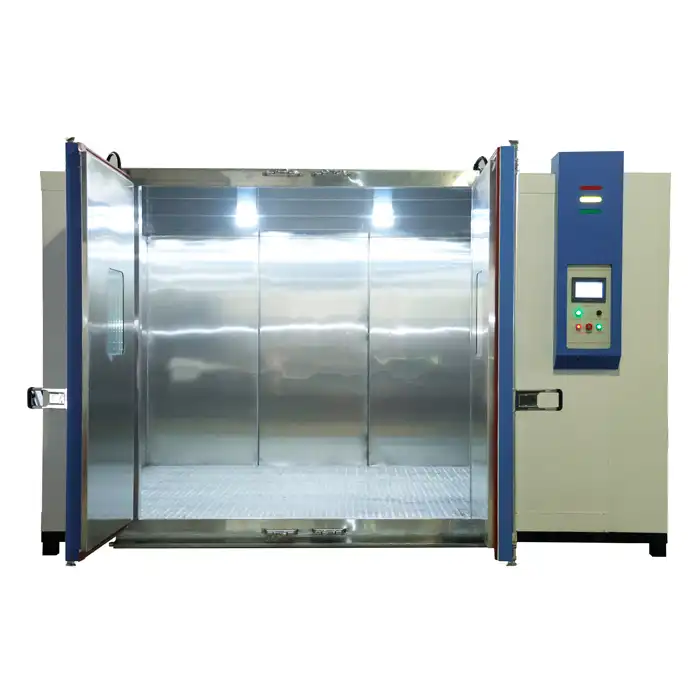
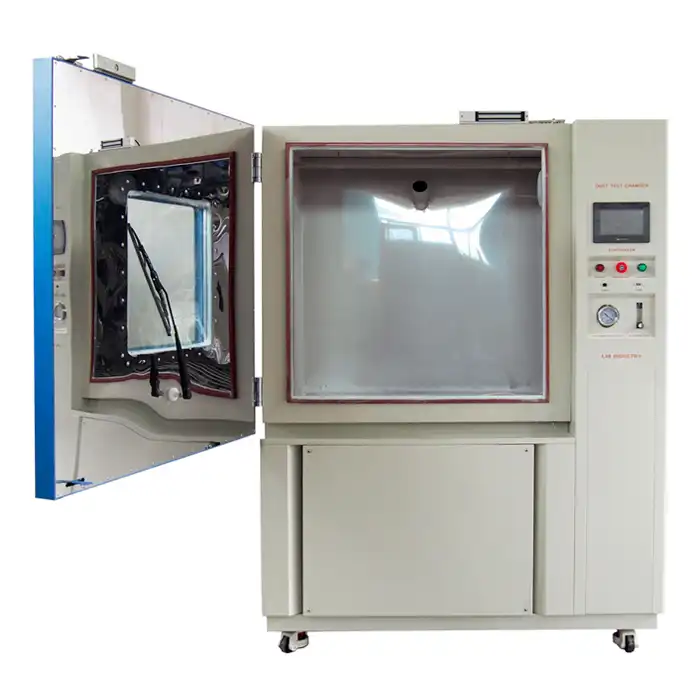
Walk-in Temperature & Humidity Chamber Provides a larger controlled test environment for oversized components, assemblies, and batch testing. |


Conclusion
Calibration of a temperature chamber is an important maintenance and quality-control activity that supports the accuracy and reliability of environmental testing. By following a structured procedure, using calibrated reference equipment, and maintaining complete calibration records, organizations can keep chamber performance consistent with their testing requirements.
Regular calibration also helps identify measurement drift or control deviations before they affect important test programs. For laboratories using temperature and humidity chambers as part of product development, quality control, or reliability testing, calibration should therefore be treated as part of the overall chamber management process rather than as an isolated maintenance task.
For chamber selection, calibration requirements, or a configuration based on your testing conditions, contact ellen@lib-industry.com and provide your required temperature range, humidity range, chamber volume, and applicable test standard.

_1731062079549.webp)