How Can a Dust IP Test Chamber Verify Protection Against Dust Ingress?
Need a dust test chamber for IEC 60529 testing? Request a quote in 24 hours.
Dust can enter through gaps, joints, connectors, and other openings in product enclosures, potentially affecting electrical connections, moving parts, and long-term reliability. For manufacturers of electronic devices, automotive components, and industrial equipment, laboratory dust testing provides a controlled way to evaluate whether an enclosure can resist dust ingress before products are released to the market.
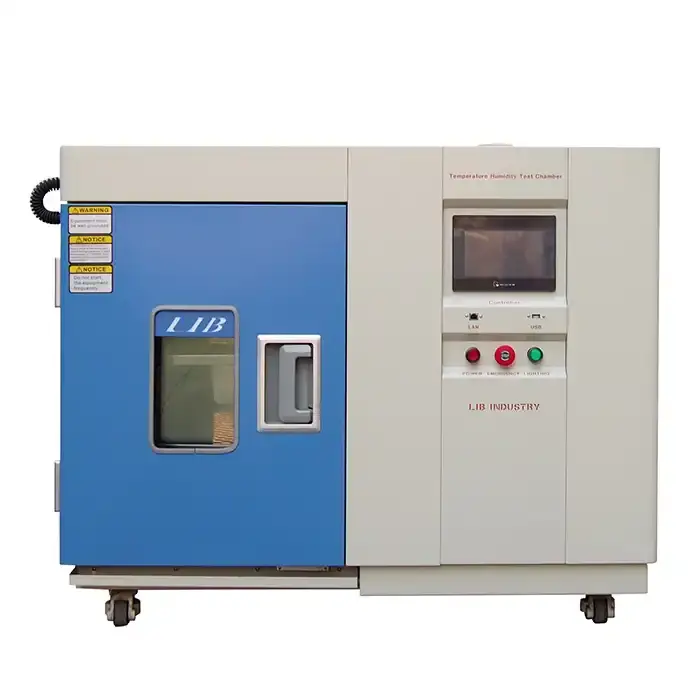
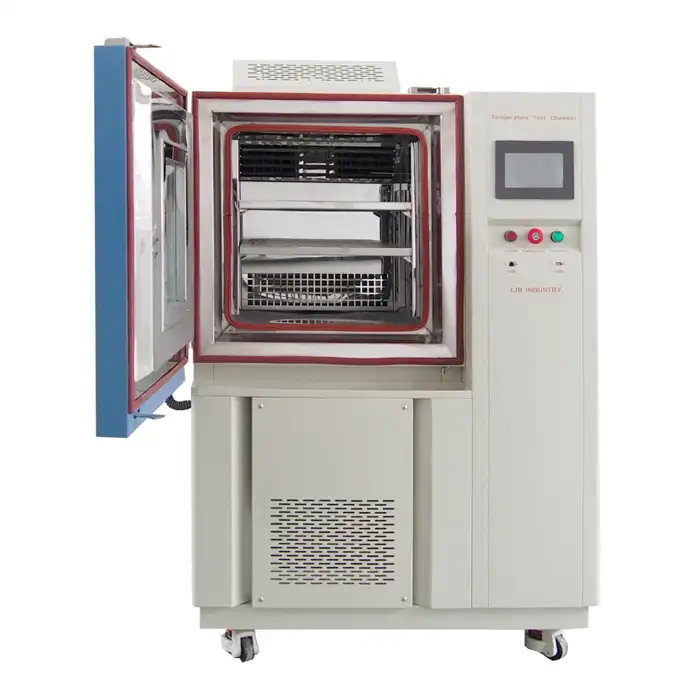
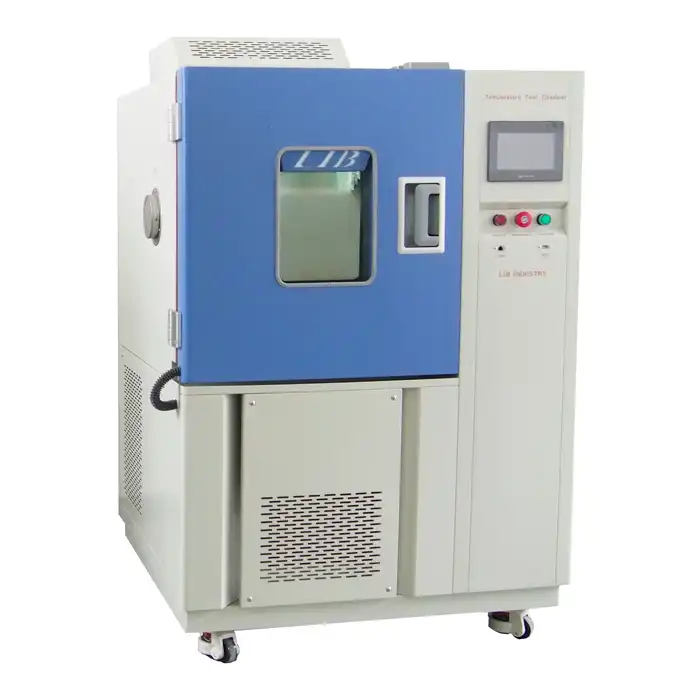
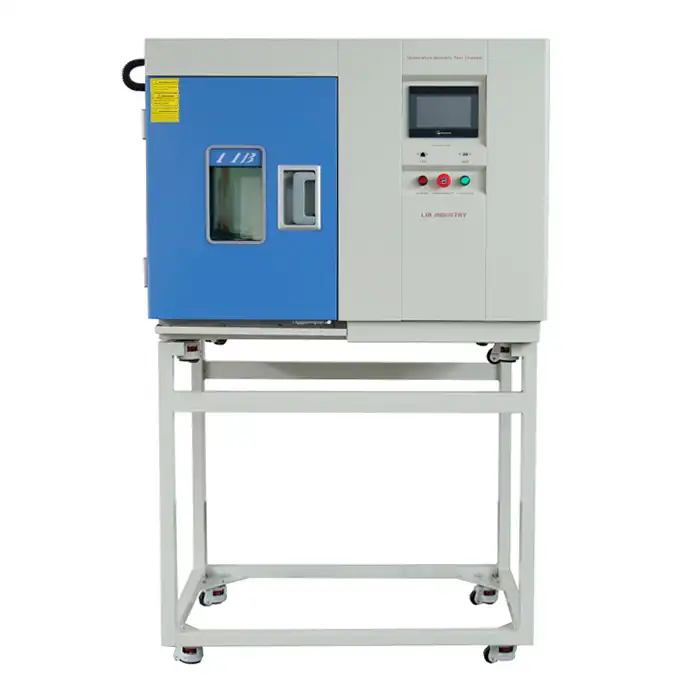
A dust IP test chamber simulates controlled dusty conditions and allows manufacturers to evaluate the protection provided by an enclosure. LIB Industry provides dust testing equipment for products that require repeatable dust exposure and documented test results.
What Problems Does Dust Testing Need to Solve?
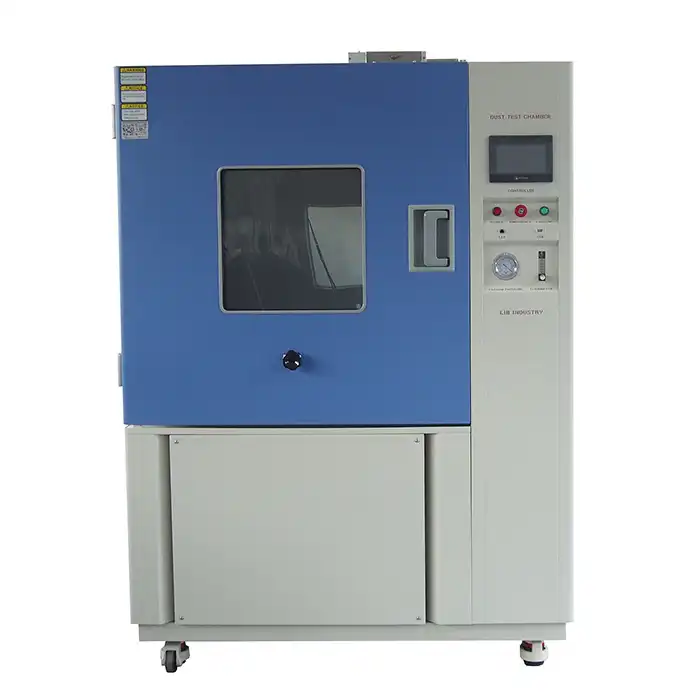 Dust testing is not simply about exposing a product to powder. The test environment needs to provide consistent dust circulation and controlled exposure so that different products can be evaluated under comparable conditions.
During a typical test, the specimen is placed inside the chamber while a dust circulation system keeps particles suspended around the product. Depending on the test requirements, parameters such as dust type, concentration, temperature, and test duration can be controlled.
This is particularly important for:
Electronic devices with sensitive internal components
Automotive sensors, connectors, and control units
Industrial equipment operating in dusty environments
Outdoor products requiring enclosure protection
Products that need to demonstrate compliance with an IP rating
Dust can cause short circuits, interfere with electrical connections, or affect moving components. Testing helps manufacturers identify sealing and enclosure weaknesses before these problems appear in field applications.
How Does a Dust IP Test Chamber Work?
A dust IP test chamber creates a controlled environment in which dust particles circulate around the test specimen. The main systems typically include:
| System | Function |
|---|---|
| Dust circulation system | Keeps dust distributed throughout the test space |
| Test specimen holder | Positions the product for controlled exposure |
| Control system | Sets and monitors test parameters |
| Dust collection system | Collects and filters dust after testing |
The general testing process includes specimen preparation, chamber placement, parameter setting, dust circulation, and post-test evaluation. After exposure, the product can be inspected for visible dust ingress and, where required, checked for functional changes.
LIB Industry can configure the chamber according to the specimen size and applicable testing requirements, helping manufacturers maintain consistent test conditions from one test cycle to another.
LIB Industry provides dust test chambers for IEC 60529-related testing.
Which Standards Are Relevant to Dust IP Testing?
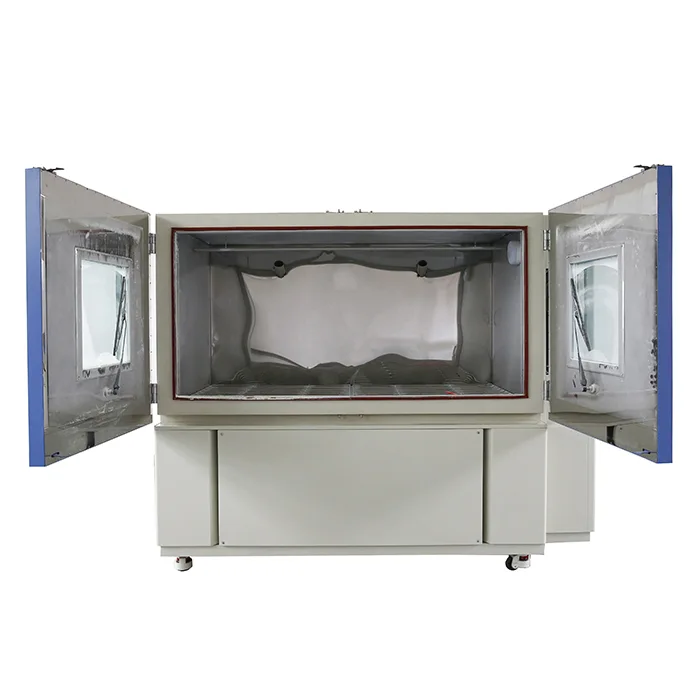 The IEC 60529 standard defines the IP Code used to classify the degree of protection provided by enclosures against the ingress of solid foreign objects and water. Dust-related testing is therefore an important part of verifying the protection level of sealed electrical and electronic equipment.
For manufacturers, the applicable IP test should be selected according to the required protection level and product design rather than using the same procedure for every product.
| Testing consideration | What it evaluates |
|---|---|
| Dust exposure | Resistance to dust entering the enclosure |
| Dust circulation | Consistent exposure around the specimen |
| Test duration | Exposure under the specified test procedure |
| Enclosure condition | Seals, openings, joints, and other potential entry points |
| Post-test inspection | Evidence of dust ingress and possible functional effects |
The exact dust material, concentration, exposure conditions, and evaluation method should follow the applicable test requirement for the product.
What Should You Consider When Selecting a Dust Test Chamber?
Chamber configuration should match the product and test requirements. Important factors include test chamber volume, dust circulation, specimen size, control accuracy, and powder management.
For larger automotive assemblies or industrial equipment, a larger working space may be required. For smaller electronic products, a compact configuration can provide sufficient testing capacity while reducing laboratory space requirements.
The chamber should also allow operators to observe and control the test process easily. A suitable dust circulation system helps maintain consistent exposure, while a dust collection system simplifies preparation for subsequent tests.
For manufacturers performing repeated compliance or reliability testing, stable operation and repeatable test conditions are especially important.
How Does LIB Industry Support Dust Testing?
LIB Industry designs environmental simulation equipment for laboratory testing and can provide configurations based on product dimensions, test standards, and laboratory requirements.
The dust test chamber can be integrated with appropriate dust circulation and control systems to support repeatable testing. LIB also provides technical support during equipment installation, operation, and maintenance.
For long-term equipment use, after-sales support includes:
3-year manufacturer warranty / 36 months
Lifetime free technical support
48-hour spare parts express via DHL/FedEx
Traceable factory calibration with CE / ISO 17025-related documentation
24/7 remote video assistance for installation, operation, and maintenance
This support helps laboratories maintain testing continuity after equipment installation.
Related Testing Equipment
|
|
|
|
| IPX5/IPX6 Water Spray Test Chamber Designed for water ingress testing and can be used alongside dust testing when products require both solid-particle and water protection verification. |
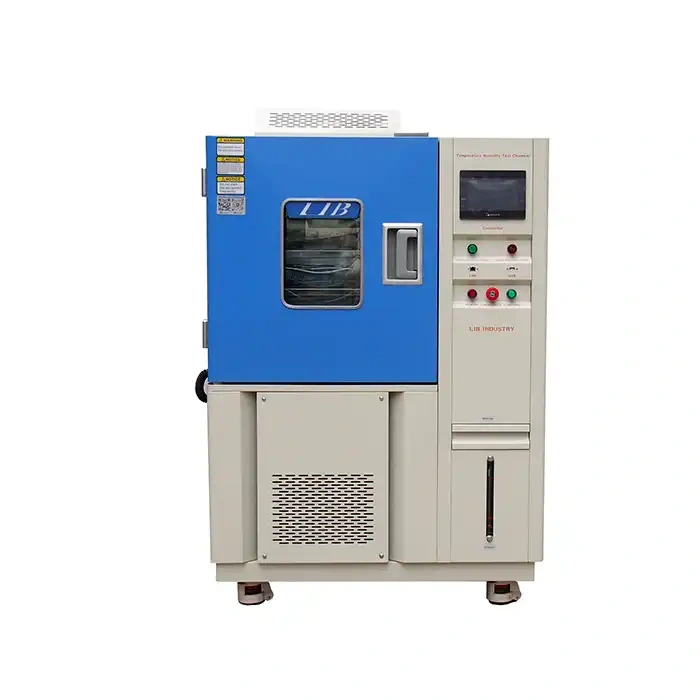
Temperature & Humidity Test Chamber Provides controlled temperature and humidity conditions for evaluating product reliability under environmental changes. |
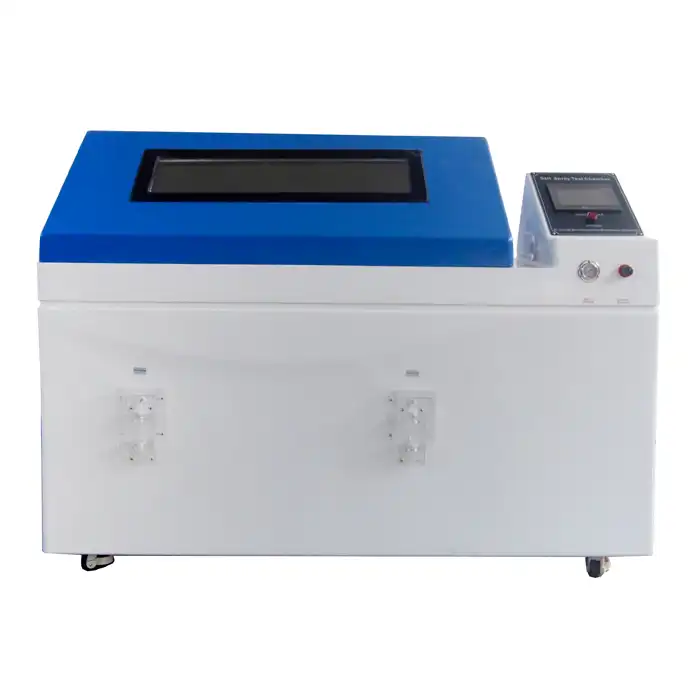
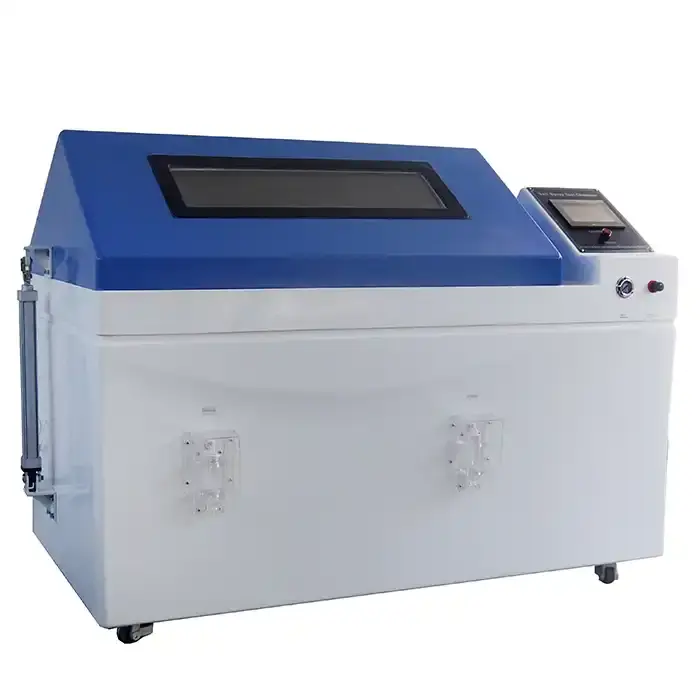
Salt Spray Chamber |


Frequently Asked Questions
What is a dust IP test chamber used for?
It is used to expose products to controlled dust conditions and evaluate their resistance to dust ingress, particularly for enclosure protection testing.
Which products need dust testing?
Common applications include electronic devices, automotive components, industrial equipment, sensors, connectors, and other products designed to operate in dusty environments.
Can LIB Industry customize a dust test chamber?
Yes. Chamber size, specimen support, dust circulation, control configuration, and other requirements can be discussed according to the product dimensions and applicable test standard.
Need a Dust Test Chamber?
LIB Industry provides dust testing solutions for electronic, automotive, industrial, and outdoor products. Share your specimen dimensions, required IP level, applicable standard, and testing requirements with our engineers for a suitable configuration.
Email: ellen@lib-industry.com