How to Choose a Vibration Test Chamber for Aerospace Electronics Qualification?
Aerospace electronics must withstand vibration during flight, engine operation, and other operating conditions. A vibration test chamber helps laboratories evaluate structural integrity and functional reliability under specified vibration and environmental conditions.
Choosing the right system requires more than checking frequency and force ratings. Engineers must consider the governing standard, specimen and fixture mass, vibration direction, temperature requirements, and functional monitoring during testing.
Need a vibration test chamber for aerospace qualification? Send your test standard and specimen requirements to LIB industry for a tailored recommendation.
Which Standards Apply to Aerospace Vibration Testing?
The applicable standard depends on the aircraft or spacecraft program, equipment location, and customer requirements.
| Standard | Typical Application | Testing Focus |
|---|---|---|
| RTCA DO-160, Section 8 | Civil airborne equipment | Vibration categories based on installation environment |
| MIL-STD-810H, Method 514.8 | Military equipment | Tailored vibration testing based on the intended service environment |
| NASA GSFC-STD-7000B | NASA Goddard flight hardware | Environmental verification for applicable flight hardware |
| IEC 60068-2-64 | General environmental testing | Broadband random vibration |
These documents are not interchangeable. Confirm the required standard, revision, vibration profile, axes, test duration, and acceptance criteria before selecting equipment.
What Should You Check When Selecting a Vibration Test Chamber?
Vibration Force, Frequency, and Payload
The system must reproduce the required vibration profile with the actual specimen and fixture installed. Check the frequency range, force rating, maximum payload, vibration direction, and performance under the intended load.
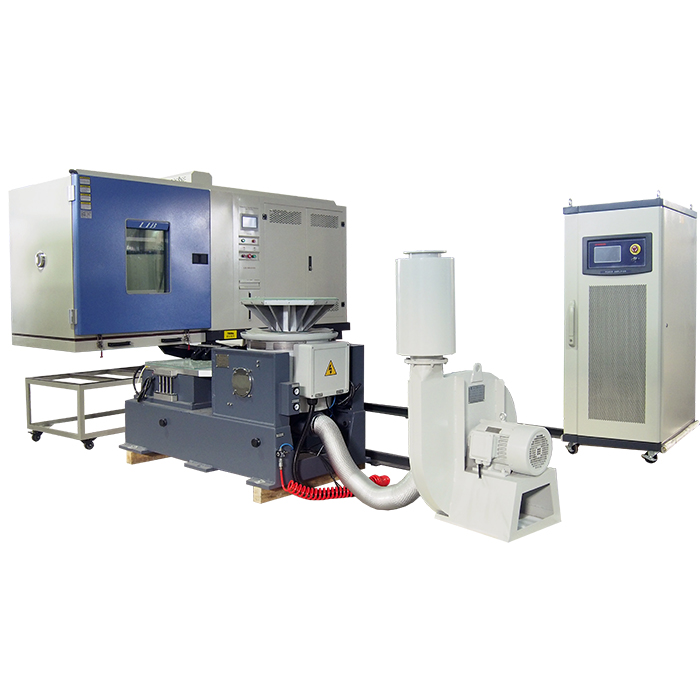
LIB industry's listed vibration system specifications include:
| Parameter | Listed Value |
|---|---|
| Rated force | 1000 kgf |
| Frequency range | 2–4000 Hz |
| Maximum load | 500 kg |
| Temperature range | −50 to +150°C |
| Humidity range | 30–98% RH |
| Table size | 600 × 600 mm |
| Head expander size | 600 × 600 mm |
| Frame diameter | Φ240 mm |
|
|
|

|
|
|
 |
|
SUS 304 Climatic Workroom |
Versatile Vibration Testing |
Smart Control & Monitoring System |
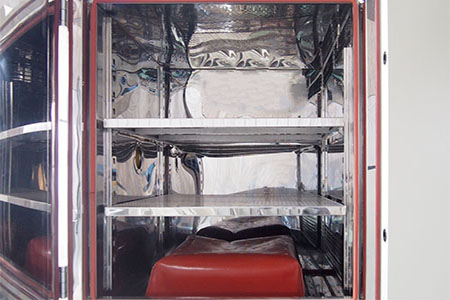
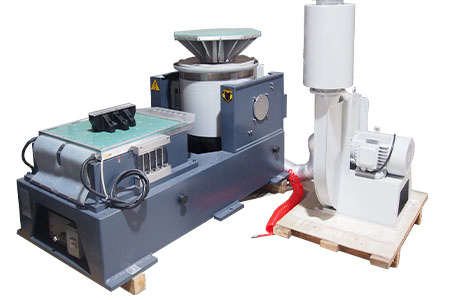
These are listed equipment specifications, not a guarantee that every combination of force, frequency, payload, temperature, and humidity is achievable simultaneously. Confirm the applicable configuration with LIB industry.
Combined Vibration and Environmental Testing
Some aerospace programs require vibration testing alongside temperature or other environmental stresses. In these cases, confirm whether the chamber can maintain the required conditions while the shaker operates.
For combined testing, the test plan should specify temperature profiles, vibration levels, duration, and functional checks. MIL-STD-810 Method 520 addresses combined environments for applicable equipment; it does not automatically replace other required test methods.
Fixture Design and Sensor Placement
A poorly designed fixture can introduce unwanted resonance and distort the vibration delivered to the specimen. The fixture should be sufficiently rigid, securely mounted, and appropriate for the required frequency range.
Accelerometer placement also affects measurement quality. Depending on the setup, control and response sensors may be installed at the fixture and specimen. Record their positions and monitor functional performance during testing.
How Can Vibration Testing Evaluate Aerospace Electronics Reliability?
Vibration testing can reveal structural and electrical problems that may not appear during static inspection.
Mechanical failures: Loose fasteners, cracked joints, and damaged mounts.
Electrical interruptions: Intermittent connectors, solder-joint failures, and unexpected signal dropouts.
Functional changes: Output fluctuations or performance drift during exposure.
For electronic modules and PCBs, laboratories can monitor electrical operation during testing and compare pre-test and post-test results. Unexpected failures should be documented, inspected, and investigated before retesting.
What Should You Confirm Before Ordering?
Before purchasing a vibration test chamber, confirm three key areas:
Test requirements: The governing standard, vibration profile, frequency range, axes, temperature conditions, and acceptance criteria.
Specimen and fixture: The combined mass, dimensions, mounting arrangement, sensor locations, and required electrical connections.
Equipment and service: Performance at the intended payload, calibration documentation, acceptance testing, installation, training, warranty, and technical support.
For combined environmental testing, also confirm whether the required vibration and temperature conditions can be maintained simultaneously.
Popular LIB Industry Environmental Test Equipment For Aerospace Electronics
|
 |
|
|
| benchtop environmental chamber | Water spray jetting chamber | Mixed Flowing Gas Chamber |
|
|
|
|
| temperature and humidity cabinet | thermal shock test chamber | temperature cycle test chamber |


Why Choose LIB industry for Vibration Test Chambers?
LIB industry offers standard and customized environmental testing systems for different specimen sizes and test requirements. Its listed vibration system specifications cover a frequency range of 2–4000 Hz, with configuration and performance to be confirmed against the required test profile.
Project support can include system planning, manufacturing, testing, delivery, installation, and operator training. LIB industry also provides a 3-year warranty and lifetime technical service support.
Before ordering, request confirmation of the system's capabilities under your actual payload and test conditions, along with the relevant calibration and acceptance documentation.
Request a Vibration Test Chamber Solution
Choosing a vibration test chamber starts with your governing standard, required vibration profile, and specimen mass. LIB industry can help assess the equipment configuration against your aerospace electronics qualification requirements.
Send your test standard, payload, frequency range, and environmental profile to discuss a suitable solution.
FAQ
Which standard governs aerospace vibration testing?
RTCA DO-160 is commonly used for civil airborne equipment, while MIL-STD-810 is used for many military equipment programs. NASA projects may specify additional requirements, such as GSFC-STD-7000B. Follow the standard and revision identified in the applicable contract.
How do I determine the required vibration force?
The required force depends on the vibration profile, moving mass, specimen and fixture mass, and system dynamics. Ask the supplier to verify the required performance under the actual test setup rather than relying on the rated force alone.
Do aerospace electronics always require combined temperature and vibration testing?
No. Combined testing is necessary when specified by the qualification program or applicable test plan. Confirm the required environmental sequence and whether simultaneous exposure is necessary.